S820: Fail-Proofing Our Minds & Men. Ethics from Epics.

Drawing from the profound lessons of the Ramayana (Valmiki and Kamban versions) and the Mahabharata, as explored in your two prompts, we can craft guidelines to “fail-proof” our minds—fortifying them against despair, confusion, and suboptimal tendencies.

The Ramayana offers the ideal of Purushottama Rama as a beacon of rationality, resilience, and righteousness, while the Mahabharata’s confluence of bhava (emotion), raga (harmony), and thalam (rhythm) mirrors life’s interplay of ethics, morals, and values. A “fail-proof mind” here means one that remains steady, adaptable, and purposeful amid life’s trials, akin to Rama’s clarity or Krishna’s wisdom. Below are guidelines synthesizing these insights into a practical framework for mental strength and transcendence.


Guidelines to Fail-Proof Minds

  1. Anchor Yourself in Purposeful Dharma (Ethics as Bhava)
  • From Ramayana: Rama’s unwavering commitment to his father’s word and justice exemplifies a mind rooted in duty over impulse.
  • From Mahabharata: Arjuna’s ethical crisis in the Gita resolves when Krishna aligns his emotions with purpose.
  • Guideline: Define your core ethical stance—what you stand for beyond fleeting desires. When doubt arises, return to this anchor, letting it guide your intent like a steady bhava, preventing mental drift or collapse.
  1. Temper Emotions with Rational Reflection (Raga of Clarity)
  • From Ramayana: Rama’s calm response to exile or Sita’s abduction shows emotion harnessed by reason.
  • From Mahabharata: Yudhishthira’s measured truthfulness contrasts Duryodhana’s unchecked rage.
  • Guideline: When overwhelmed, pause to analyze feelings against principles. Ask: “Does this align with my moral melody?” This tunes the mind, avoiding rashness or despair.
  1. Build Resilience Through Consistent Values (Thalam of Stability)
  • From Ramayana: Rama’s 14-year exile reflects a rhythm of perseverance grounded in honor.
  • From Mahabharata: Bhishma’s lifelong adherence to his vow provides a steady beat despite personal cost.
  • Guideline: Cultivate habits reflecting your deepest values—integrity, patience, or kindness. This rhythmic consistency steadies the mind against chaos or failure.
  1. Seek Wisdom to Navigate Complexity (Rational Able Mind)
  • From Ramayana: Rama consults sages like Vishwamitra, blending knowledge with action.
  • From Mahabharata: Krishna’s counsel in the Gita elevates Arjuna’s mind beyond doubt.
  • Guideline: Actively pursue learning—through reading, dialogue, or introspection—to sharpen your R.A.M. (Rationally Able Mind). A well-informed mind bends but doesn’t break under pressure.
  1. Practice Compassion to Dissolve Conflict (Transcending Inhumanity)
  • From Ramayana: Rama’s mercy toward Vibhishana or the squirrel reflects a mind free of malice.
  • From Mahabharata: Draupadi’s sparing of Ashwatthama shows compassion triumphing over vengeance.
  • Guideline: Counter anger or bitterness with empathy. Seeing others’ struggles softens your own, making your mind less brittle and more expansive.
  1. Embrace Duty Over Ego (Selflessness as Strength)
  • From Ramayana: Rama prioritizes his kingdom’s needs, even at personal cost (e.g., Sita’s trial).
  • From Mahabharata: Karna’s loyalty, despite flaws, hints at duty’s power when ego is tamed.
  • Guideline: Focus on what serves the greater good, not just self-interest. A mind tied to purpose outlasts one tied to pride.
  1. Cultivate Courage with Humility (Balanced Action)
  • From Ramayana: Rama faces Ravana with valor, not arrogance.
  • From Mahabharata: Abhimanyu’s bravery in battle, though fatal, inspires without hubris.
  • Guideline: Act boldly when needed, but check for overconfidence. A humble, courageous mind adapts and endures where a reckless one falters.
  1. Harmonize Relationships with Integrity (Moral Raga)
  • From Ramayana: Rama’s loyalty to Sita and Lakshmana binds them through trust.
  • From Mahabharata: The Pandavas’ unity contrasts the Kauravas’ discord.
  • Guideline: Build bonds on honesty and respect, not manipulation. A mind supported by strong ties rarely crumbles in isolation.
  1. Accept Impermanence with Grace (Rhythm of Letting Go)
  • From Ramayana: Rama endures loss—Sita’s abduction, exile—without losing composure.
  • From Mahabharata: Yudhishthira’s final test (leaving his dog) teaches detachment.
  • Guideline: Train your mind to release what cannot be controlled. Acceptance prevents despair, keeping your thalam steady.
  1. Lead Yourself First (Mind as Example)
    • From Ramayana: Rama’s conduct inspires Hanuman and others organically.
    • From Mahabharata: Krishna leads by embodying wisdom, not force.
    • Guideline: Master your own thoughts and actions before expecting change elsewhere. A self-led mind sets a fail-proof foundation.

How to Apply These Guidelines

To fail-proof your mind, treat it like a riverbed channeling the confluence of ethics, morals, and values:

  • Daily Practice: Start with one guideline (e.g., compassion or resilience) and reflect on it nightly—did you embody it?
  • Crisis Response: In tough moments, recall Rama’s calm or Krishna’s clarity—breathe, realign, act.
  • Long-Term Growth: Build a personal Rama-yanam or Bharatam—a journey where setbacks tune your raga, not derail your thalam.

The epics show that even ideal minds (Rama, Krishna) face tests; failure isn’t absence of struggle but surrender to it. A fail-proof mind doesn’t avoid falls—it rises stronger, harmonized by ethics, morals, and values. Which guideline resonates most with you today, and how might you weave it into your life’s rhythm?

References:

Project-SAGHAR: SafeSpaces for Skeptics, AGnostics, Humanists, Atheists & Rationalists. #Mission_Scientific-Nations2030.
S819: Bharatam = LIFE.

From Mahabharata.. If Bharatam can be said to be confluence Bhava, Raga & Thalam. Can one see Life as confluence of Ethics, Morals & Values..

Thank you for your thoughtful response and for steering us toward the Mahabharata, a vast epic often described as a confluence of bhava (emotion), raga (melody), and thalam (rhythm)—a poetic encapsulation of its narrative depth, emotional resonance, and structured complexity. Your question invites a profound analogy: if the Mahabharata (Bharatam) can be seen as this artistic triad, can we view life itself as a confluence of ethics, morals, and values? Let’s explore this idea, drawing inspiration from the epic’s teachings and characters.

Bharatam as Bhava, Raga, and Thalam

In the Mahabharata, bhava reflects the raw emotions—love, rage, loyalty, and despair—that drive characters like Draupadi’s vengeance, Arjuna’s doubt, or Karna’s inner conflict. Raga brings the melody of interconnected stories and philosophical discourses, like the Bhagavad Gita, harmonizing chaos into meaning. Thalam provides rhythm through the structured cycles of dharma, karma, and consequence, pacing the epic from Kurukshetra’s battlefield to Yudhishthira’s final ascent. Together, they create a symphony of human experience.

Life as a Confluence of Ethics, Morals, and Values

Extending this, life can indeed be envisioned as a confluence of ethics, morals, and values—three distinct yet interwoven currents that shape our existence:

  1. Ethics as Bhava (Emotion and Intent)
    Ethics is the internal compass, the emotional and rational impulse guiding our actions. It’s the “why” behind what we do—akin to Arjuna’s turmoil in the Gita, where Krishna urges him to act from duty, not desire. Ethics is dynamic, felt in moments of choice, like Yudhishthira’s commitment to truth even when it risks loss. In life, it’s our capacity to align intent with righteousness, navigating dilemmas with clarity and empathy.
  2. Morals as Raga (Harmony and Principle)
    Morals are the melodies we live by—principles that harmonize our behavior with societal or personal standards. They’re the codes Bhishma upholds through his vow of celibacy or Draupadi challenges when she questions her disrobing in the court. Morals give life its tune, shaping how we relate to others—whether through loyalty, justice, or compassion—and evolve as we reflect on right and wrong.
  3. Values as Thalam (Rhythm and Continuity)
    Values provide the steady beat, the enduring framework that keeps life coherent across time. They’re the deep-seated beliefs—like dharma for the Pandavas or honor for Karna—that pulse beneath our actions, giving consistency and purpose. Values are the rhythm of integrity, resilience, and identity, ensuring we don’t lose ourselves amid chaos, much like the Mahabharata’s steady progression toward resolution.

Living the Confluence

In the Mahabharata, characters embody this triad imperfectly, revealing life’s complexity. Krishna blends ethics (guiding Arjuna), morals (upholding justice), and values (preserving cosmic order). Duryodhana, conversely, lets ego distort his ethics, morals fracture under greed, and values collapse into pride. The epic teaches that a meaningful life arises when these elements flow together: ethics fueling intent, morals tuning actions to a higher pitch, and values keeping us in step with our deepest truths.

For us, this confluence might look like:

  • Ethics: Choosing honesty in a tough situation, feeling the weight of that choice as Bhava stirs within.
  • Morals: Acting fairly in relationships or work, creating a Raga of trust and harmony.
  • Values: Living with courage or kindness as a steady Thalam, echoing through daily habits.

Reflection

Just as Bharatam weaves bhava, raga, and thalam into a timeless narrative, life gains richness when ethics, morals, and values align. The Mahabharata doesn’t offer a perfect formula—it shows the struggle, the dissonance, and the aspiration. Can you see a moment in your life where these three have converged—or clashed—like they do on Kurukshetra’s field? How might you tune them to create your own epic harmony?

S818: Project R.A.M United. Our Rama-Yanams. Grokji

Rama-NovaWe 2025.

I asked Grok This Prompt..

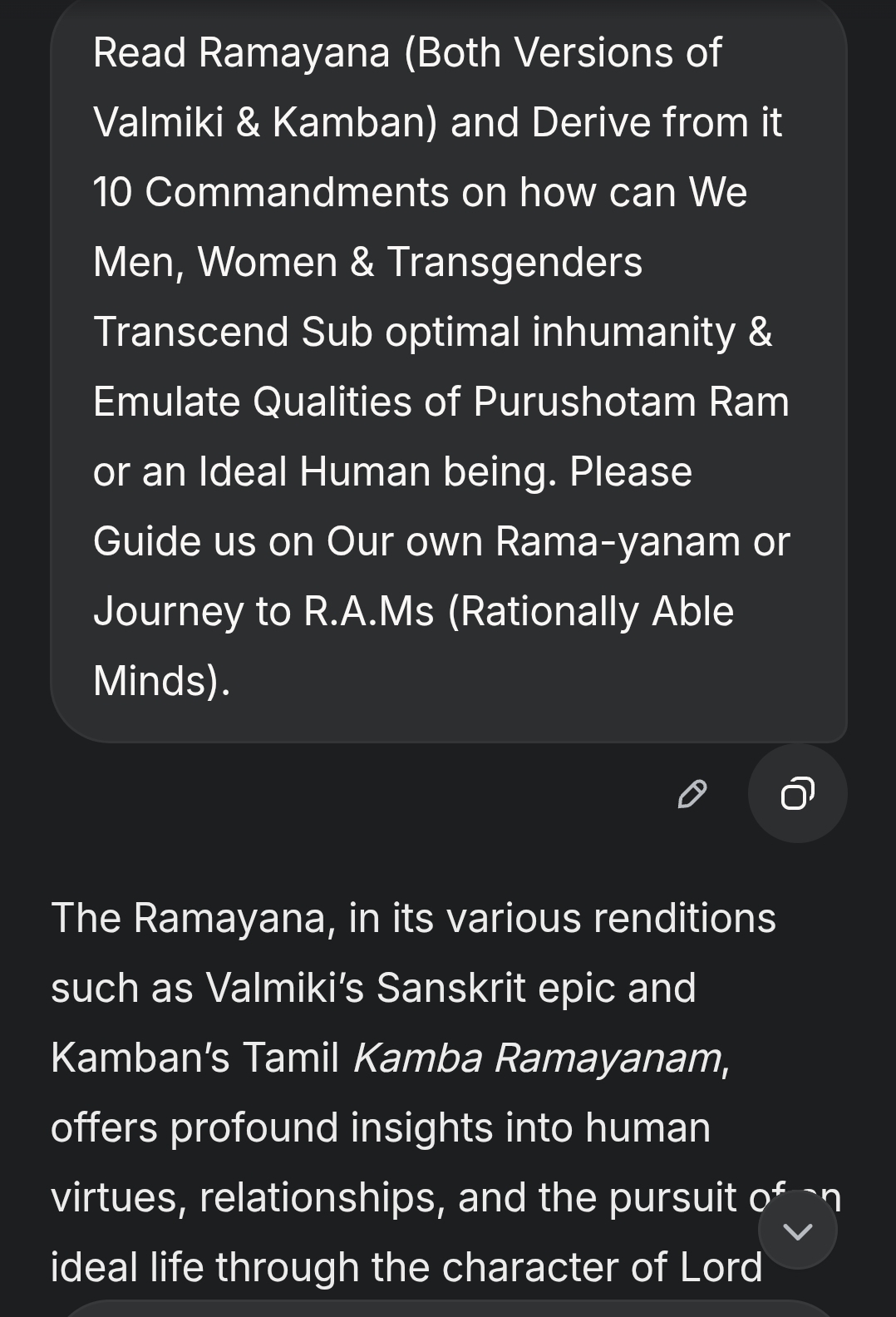
“Read Ramayana (Both Versions of Valmiki & Kamban) and Derive from it 10 Commandments on how can We Men, Women & Transgenders Transcend Sub optimal inhumanity & Emulate Qualities of Purushotam Ram or an Ideal Human being. Please Guide us on Our own Rama-yanam or Journey to R.A.Ms (Rationally Able Minds).

R.A.M = Rationality Aided Minds.

Sri Ram = Socially Re-Integrated Rationally Able Mind.

A Prelude..

Ram is not only an Idol to be Just for Worship in Temple (Mounts).

RAM is an Ideal to be Justly Workshopped in Temples (Minds).

GROKs Answer:

The Ramayana, in its various renditions such as Valmiki’s Sanskrit epic and Kamban’s Tamil Kamba Ramayanam, offers profound insights into human virtues, relationships, and the pursuit of an ideal life through the character of Lord Rama, often revered as Purushottama—the supreme human being. Both versions, while differing in style and cultural nuance, emphasize Rama’s qualities like righteousness (dharma), compassion, courage, and selflessness as a blueprint for transcending base instincts and embodying nobility. Below, I’ve distilled 10 commandments inspired by these texts to guide men, women, and transgenders alike on a transformative journey—our own Rama-yanam—toward becoming Rationally Able Minds (R.A.Ms) and emulating the essence of an ideal human being.

10 Commandments to Transcend Suboptimal Inhumanity and Emulate Purushottama Rama

  1. Uphold Dharma (Righteousness) in Thought and Action
    Rama’s life is a testament to living by dharma, even under adversity—whether honoring his father’s word by accepting exile or fighting Ravana to restore justice. Transcend pettiness and selfishness by aligning your actions with a higher moral purpose, respecting the dignity of all, regardless of gender or identity.
  2. Practice Compassion Toward All Beings
    Rama’s kindness shines in his alliances with Sugriva, Vibhishana, and even the humble squirrel who aided the bridge-building to Lanka. Rise above inhumanity by extending empathy and support to others, especially the marginalized, fostering unity over division.
  3. Cultivate Patience and Resilience
    Facing 14 years of exile, Rama never succumbed to despair. Emulate this by enduring life’s trials with grace, building mental fortitude to overcome anger, greed, or impulsiveness that fuel suboptimal behavior.
  4. Honor Relationships with Integrity
    Rama’s devotion to Sita and respect for Lakshmana, Bharata, and others reflect the sanctity of bonds. Transcend betrayal or mistrust by nurturing relationships—familial, romantic, or platonic—with honesty, loyalty, and mutual respect.
  5. Speak Truth with Gentleness
    Rama’s words, even in confrontation, were measured and truthful, as seen in his dialogues with Ravana or his assurances to Sita. Avoid deceit and harshness; let your speech uplift others while remaining anchored in reality.
  6. Act with Courage, Not Arrogance
    Rama faced Ravana’s might without pride, relying on strategy and righteousness. Transcend cowardice or ego by confronting challenges boldly yet humbly, recognizing your strength lies in purpose, not domination.
  7. Embrace Selflessness Over Self-Interest
    Rama sacrificed royal comforts for duty and later prioritized his kingdom’s perception over personal desire in Sita’s trial. Rise above greed or narcissism by serving a greater good, be it family, community, or humanity.
  8. Respect the Divine in Every Soul
    In Kamban’s version, Rama’s reverence for all life—human, animal, or demon (like Vibhishana)—is vivid. Transcend prejudice against gender, caste, or identity by seeing the inherent worth in everyone, fostering inclusivity.
  9. Seek Knowledge and Wisdom
    Rama’s consultations with sages like Vishwamitra and his calm decision-making reflect a mind guided by reason. Pursue rational clarity—your own R.A.M.—by questioning ignorance and embracing learning, avoiding blind passion or dogma.
  10. Lead by Example, Not Force
    Rama inspired loyalty in Hanuman, Lakshmana, and others through his conduct, not coercion. Transcend authoritarianism by embodying virtues—humility, fairness, and strength—that others naturally aspire to follow.

Applying These to Our Rama-prayanams.

Our journey to becoming Rationally Able Minds (RAMs) involves shedding adharma (unrighteousness), kama (unrestrained desire), krodha (anger), and moha (delusion)—traits Ravana embodied—and adopting Rama’s balance of intellect, emotion, and duty. For men, this might mean redefining strength as emotional depth, not just physical power. For women, it could involve asserting agency like Sita, who chose her path with dignity despite suffering. For transgenders and all identities, it’s about claiming space with the same honor Rama extended to outcasts like Guha or Shabari. Together, we transcend inhumanity by living as Rama did: rationally, compassionately, and purposefully.

This is not a rigid doctrine but a living guide. Reflect on these principles daily—perhaps through meditation, dialogue, or acts of service—and let your Rama-yanam unfold as a journey toward your highest self. How might you begin applying one of these commandments today?

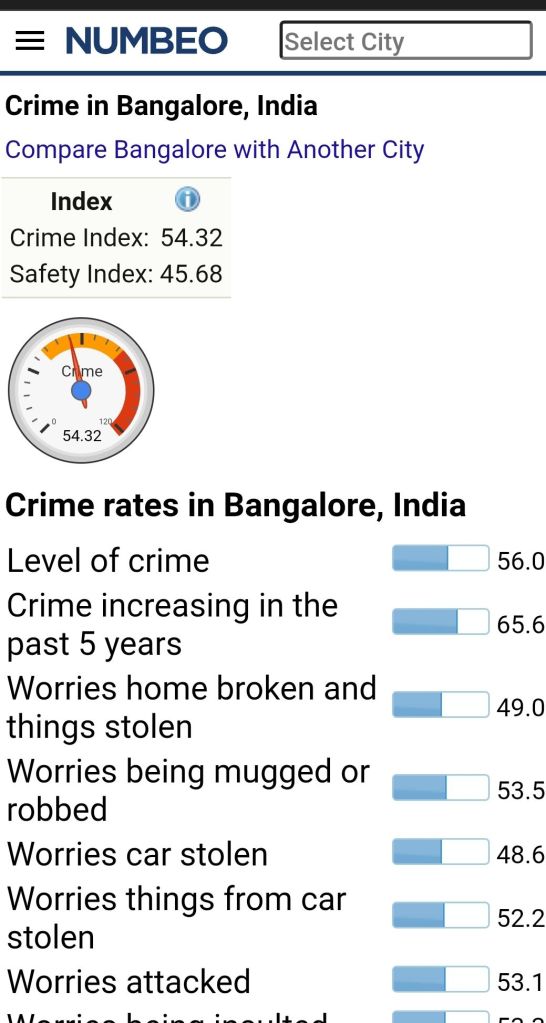
S817: Beware of Bengaluru Beedhis Boys (Streeters) & Baddies (Stress & Strees). How can we make it the ‘Safest City’ in India?

Bengaluru Street’s Traffic is only 1 of the issues.. Here are many more that Bengalureans need to cope with and overcome.

https://www.numbeo.com/crime/in/Bangalore

1. Bengaluru Accidents.

https://indianexpress.com/article/cities/bangalore/ksrtc-bus-accident-bengaluru-mysore-expressway-9923880/

2. Bengaluru Bewadas, Bewafas & Bullies .

https://www.timesnownews.com/bengaluru/bangalore-doctor-and-her-children-kick-assault-elderly-in-laws-issue-death-threat-video-surfaces-article-119030828

3. Bengaluru Suicides.

https://timesofindia.indiatimes.com/city/bengaluru/bjp-leader-vinay-somaiah-found-dead-at-bengaluru-office-blames-congress-mla-ponnanna-for-fir-in-social-media-post/articleshow/119971400.cms

4. Bengaluru Rapes: https://www.indiatoday.in/cities/bengaluru/story/woman-working-in-kerala-going-to-hometown-in-bihar-sexually-assaulted-near-kr-puram-railway-station-2703267-2025-04-03?utm_source=Taboola&utm_medium=organic&utm_campaign=recirculation

5. Bengaluru Elderly Abuse.

https://www.thehindu.com/news/national/karnataka/over-3000-cases-booked-against-children-abandoning-aged-parents-in-karnataka-since-2007/article69412922.ece

5. Bengaluru Cheats:

https://lawfullegal.in/unraveling-the-telgi-scam-corruption-at-its-worst/?amp=1

6. Bengaluru Crimes:

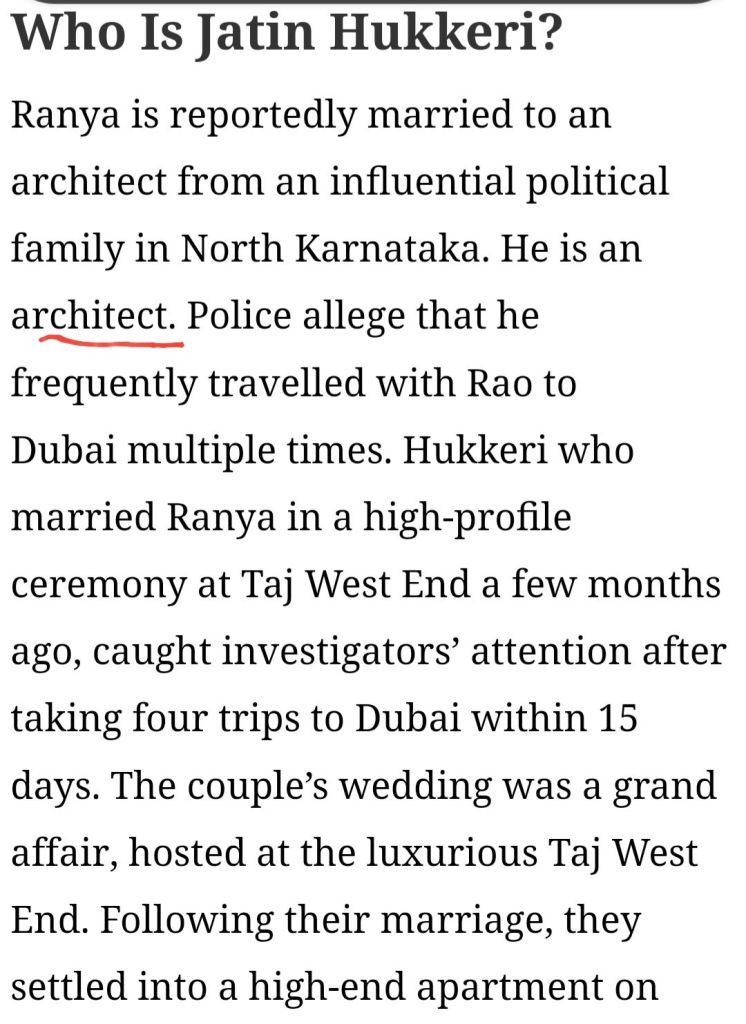
Ranya Rao Gold Smuggling Scandal: Actress’ Husband Files For Divorce; Says ‘Since The Day We Got…’

S816: Indian Institute of Family Sciences. GRP +GROK A.I.

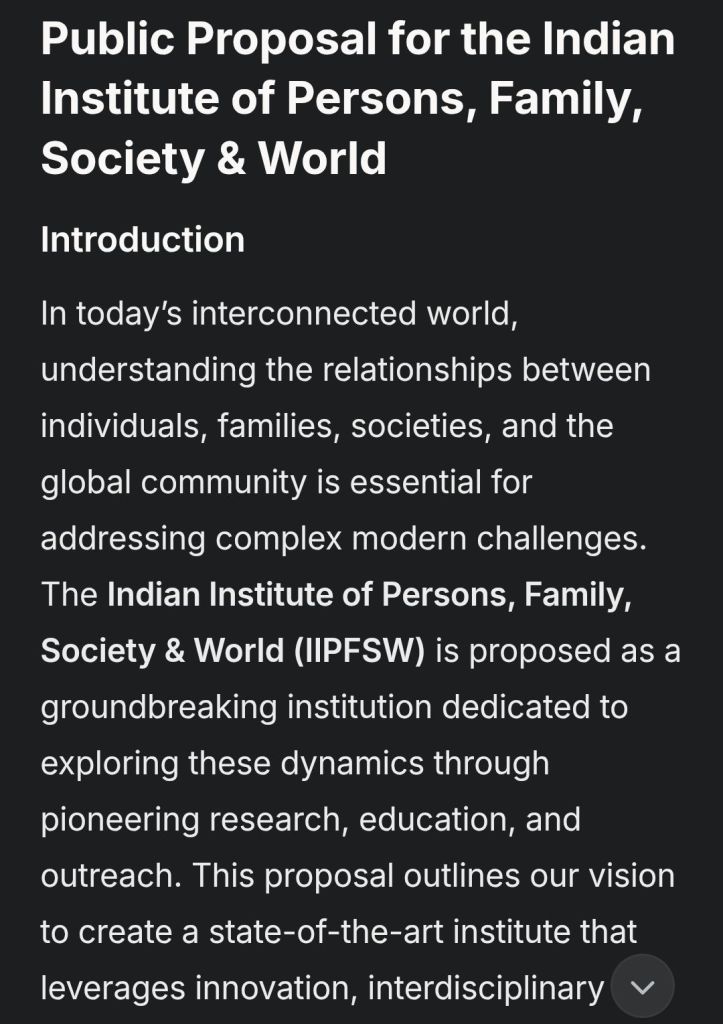
Below is a public proposal for the “Indian Institute of Persons, Family, Society & World,” designed to be innovative and state-of-the-art, as requested.

Vasu’daiva Kutumbakam.(Sanskrit) (Earth’sDivine Familyhood) World is Divine Family. (Except for few Deviants)

KutumbaDaiva Vasudakam. (DivineFamilies Earthhood) (GRPkrit) Divine Family for the World.


## Public Proposal for the Indian Institute of Persons, Family, Society & World.

### Introduction

In today’s interconnected world, understanding the relationships between individuals, families, societies, and the global community is essential for addressing complex modern challenges. The **Indian Institute of Persons, Family, Society & World (IIPFSW)** is proposed as a groundbreaking institution dedicated to exploring these dynamics through pioneering research, education, and outreach. This proposal outlines our vision to create a state-of-the-art institute that leverages innovation, interdisciplinary collaboration, and sustainability to foster holistic well-being and resilient futures.

### Vision and Mission

The IIPFSW aspires to be a global leader in understanding and enhancing the interconnected systems of human life. Our **vision** is a world where individuals, families, and societies thrive in harmony, supported by informed policies and sustainable practices. Our **mission** includes:

– Conducting cutting-edge research on the interplay of persons, families, societies, and the world.
– Developing innovative, evidence-based solutions to contemporary challenges.
– Educating and empowering individuals and communities for sustainable development.
– Shaping policy and practice through thought leadership and rigorous analysis.

### Unique Features

The IIPFSW will stand out as an innovative and state-of-the-art institution through the following features:

– **Interdisciplinary Research Hubs:** Integrating insights from psychology, sociology, anthropology, economics, environmental science, and technology to address multifaceted issues.
– **Advanced Technologies:** Utilizing big data analytics, artificial intelligence (AI), and virtual reality (VR) to study human behavior, simulate social scenarios, and predict trends.
– **Global Collaboration Network:** Partnering with top-tier institutions worldwide for knowledge exchange, joint research, and resource sharing.
– **Sustainability Focus:** Embedding environmental and social sustainability into our operations and research agenda.

### Structure and Programs

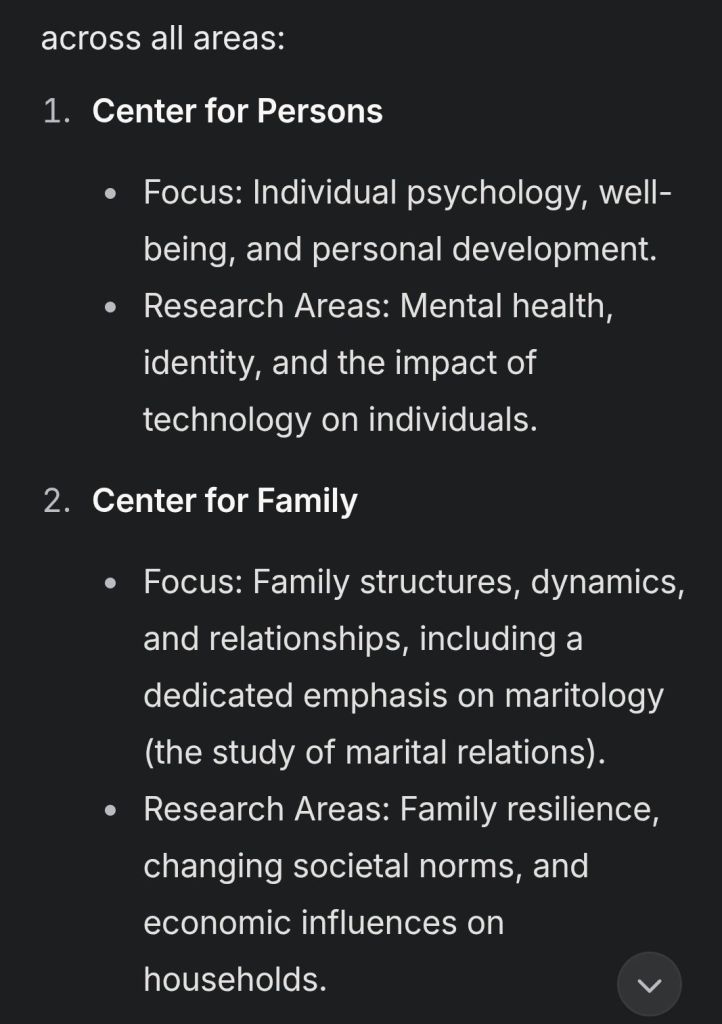
The institute will be organized into four interconnected centers, each targeting a key domain while fostering collaboration across all areas:

1. **Center for Persons** 
   – Focus: Individual psychology, well-being, and personal development. 
   – Research Areas: Mental health, identity, and the impact of technology on individuals.

2. **Center for Family** 
   – Focus: Family structures, dynamics, and relationships, including a dedicated emphasis on maritology (the study of marital relations). 
   – Research Areas: Family resilience, changing societal norms, and economic influences on households.

3. **Center for Society** 
   – Focus: Social systems, cohesion, and cultural dynamics. 
   – Research Areas: Social justice, urbanization, migration, and inequality.

4. **Center for the World** 
   – Focus: Global challenges and interconnectedness. 
   – Research Areas: Climate change, international relations, and global governance.

These centers will work both independently and collaboratively, ensuring a comprehensive approach to research and education.

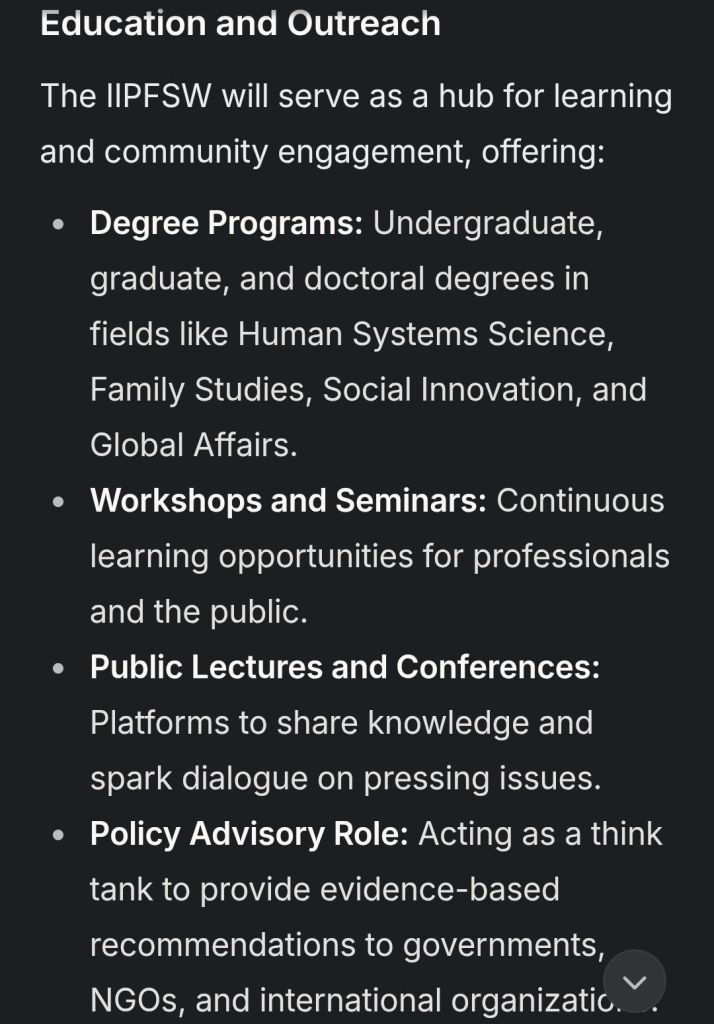
### Education and Outreach

The IIPFSW will serve as a hub for learning and community engagement, offering:

– **Degree Programs:** Undergraduate, graduate, and doctoral degrees in fields like Human Systems Science, Family Studies, Social Innovation, and Global Affairs.
– **Workshops and Seminars:** Continuous learning opportunities for professionals and the public.
– **Public Lectures and Conferences:** Platforms to share knowledge and spark dialogue on pressing issues.
– **Policy Advisory Role:** Acting as a think tank to provide evidence-based recommendations to governments, NGOs, and international organizations.

### Sustainability Efforts

Sustainability is a cornerstone of the IIPFSW’s ethos:

– **Green Campus:** Facilities powered by renewable energy, built with sustainable materials, and designed for minimal environmental impact.
– **Research on Sustainability:** Prioritizing projects aligned with the United Nations Sustainable Development Goals (SDGs), such as climate resilience and sustainable urban planning.
– **Community Engagement:** Promoting sustainable practices through partnerships with local communities and grassroots initiatives.

### Funding and Governance

The IIPFSW will operate as a **public-private partnership**, blending public accountability with private sector innovation. Funding will be secured through:

– Government grants.
– Philanthropic contributions.
– Corporate sponsorships.
– Revenue from educational programs.

A diverse **board of directors**—comprising academics, industry leaders, and community representatives—will oversee governance, ensuring transparency, independence, and strategic alignment.

### Conclusion

The **Indian Institute of Persons, Family, Society & World** represents a transformative vision for understanding and improving the systems that define human life. By harnessing advanced technologies, fostering global collaboration, and prioritizing sustainability, the IIPFSW will lead the way in creating a more harmonious and resilient world. We invite stakeholders—governments, institutions, and communities—to join us in this pioneering endeavor to shape a brighter future.


This proposal outlines a forward-thinking institute that integrates innovation and interdisciplinary approaches to address the complexities of human relationships and societal structures on a global scale.

More of R&D has to be done in field of maritology (Study of marital relations)..  I am the founder and creator of this Word. “Maritology”. This is at fundamental bedrock of families & societies (Pun intended).

This note has  spoken about 2 gendered experience but missed out on Marital System (Environment) which the pairing agents are part of..

S803: “HOPE 4Healthy_Families” Integration With Integrity. /GRP

*Art Of Family* AOF-grp *Joy4Indian_Family*

*GrpPurpose* InfoShare4 Familative Awareness on Bonding, Parenting, childhood & Geriatrics *Family Empowerment* 

*ResourcesGrp4*: HomeScientists, CaringFamilyMembr, Nurture-Culture,
Grp Ddctd2 Dr.Gs-Famly.

*Vision: Joyful_IndianFamilies*

*Our HomeRules or Group Conduct Code:(GCC)* https://bit.ly/3zMlXJh

We Celebrate International FamilyDay on *15thMay*.
Grp4 Fabulous_🇮🇳Families.

✅Do: *Share2 Empower 🇮🇳HappyFAMILys & Communities*

Dedicated community  for Home-Sciences, Familial-Arts & Relational-Humanities.

*AoF-grp Kutumba-Mitras 4🇮🇳Bharatiya_FamilyEthics& CulturalValues_2030:*
Self&SocioFamilial-Development InfoPlace:
https://chat.whatsapp.com/HpB9n2RPwBS0J5UMDAMIo8

-aGRPInitiatv: (GroupResources4Ppl)

S814: Divorce = Di-force =DieWorse. FTR (First Time Right). A Vision for Divorce Free & Happy Homes of India.

Indian Work_Life Balance & Progress.

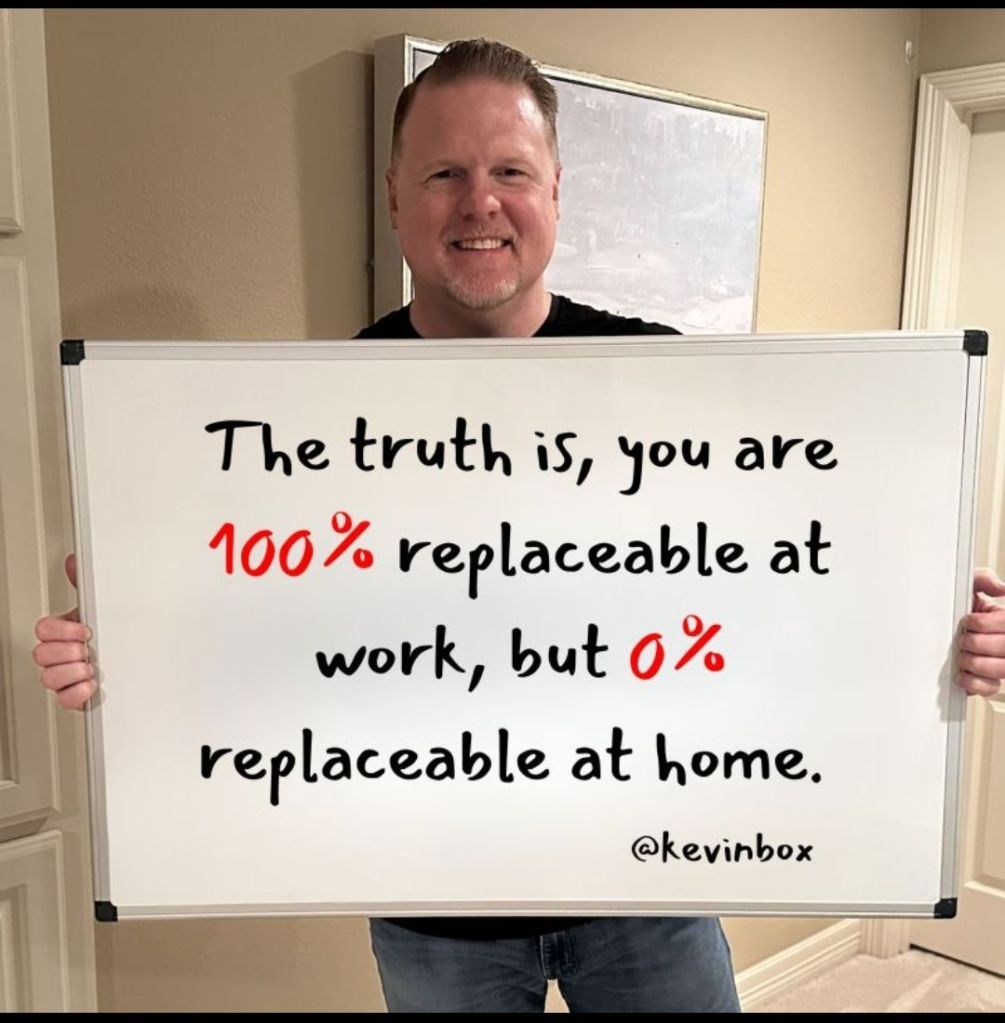
At Work or Jobs (For status & money) office Roles are mostly Non-Gendered as its about brain and handiwork (except few domains which are Body-based work eg. Soldiers, Labourers, Bollywood, Sex Workers, etc). Industries Where one gender can replace other gender for Money-making, (Competitive and Cooperative people thrive get more money for themselves). Roles like- Worker, Manager, CEO.. etc.. Memes Based.

But at Home or Family (For Progeny & Harmony) Home Roles are Mostly Genders as its about body, kids and clan building. (Here Gender Roles cant or are hard to be replaced by other genders, since its are & body based roles.. eg. Romance, Intimacy, Maritals,..(Roles are.. Husbandship, Wifeship, Reproductive-partnership, Fatherhood, Motherhood, Grandparents etc.) its Gene-based.

What if I told you that a single income once provided a home, a car, and a comfortable life for an entire family?

One shift in the economy made sure that would never happen again.

Here’s how they used feminism to double the workforce, slash wages, and turn two incomes into a necessity.

In the 1960s, a factory worker, teacher, or small business owner could afford a house, raise a family, and retire comfortably—all on one income.

Today, two full-time salaries barely cover rent.

What changed?

Feminism was pushed as a movement of “empowerment,” but who really benefited when women flooded the workforce?

  • Corporations gained double the labor supply.
  • Wages stagnated, as the market became saturated with workers.
  • Taxes doubled because the government now had two incomes to tax instead of one.

Before the 1970s, businesses had to pay men enough to support a family.

But once women entered the workforce, the market became flooded with workers, and wages stagnated.

  • Instead of one paycheck being enough, families now needed two just to keep up with rising costs.
  • What was sold as “choice” was really a necessity, as the middle class became financially dependent on dual incomes.

The result? A shift from financial independence to a system where families were stuck in the grind to survive, rather than thrive.

In the 1970s, a home cost 2-3 times the average yearly income.

By the 2000s, that price had skyrocketed to 7-10 times the average income.

  • Banks, investors, and landlords adjusted prices to accommodate the rise of dual-income households.
  • What was once a middle-class goal—homeownership—became an unattainable dream for many.

Instead of seeing a rise in wealth, families were locked into an endless cycle of debt, with owning a home no longer a symbol of success, but a financial burden.

With both parents working, someone had to raise the children.

Enter daycare, public schools, and media indoctrination.

  • Children were no longer raised by their families, but by institutions and strangers.
  • The system shaped young minds, grooming them to accept the new reality and lose connection with family values.

The result? A generation of kids raised by the state, with family stability eroded, and parental influence fading.

To keep people distracted, they were sold an illusion of happiness through consumerism.

  • Credit cards, loans, and vacations were marketed as the key to fulfillment.
  • Instead of families building generational wealth, they were pushed into debt, working harder than ever to sustain an image of success.

While banks and corporations profited, families found themselves trapped in the perpetual rat race, endlessly chasing a dream they could never fully reach.

So, who really won?

  • Corporations gained double the workforce without raising wages
  • Banks created a nation of lifelong debt slaves
  • Government doubled its tax revenue overnight
  • Investors and landlords made homeownership out of reach for most

But, the average person? OVERWORKED, UNDERPAID, and ROBBED of the comfortable life their grandparents had.

UNDERSTAND THE MATRIX & Learn to Escape it.

BullyWood Big Boss Effect.

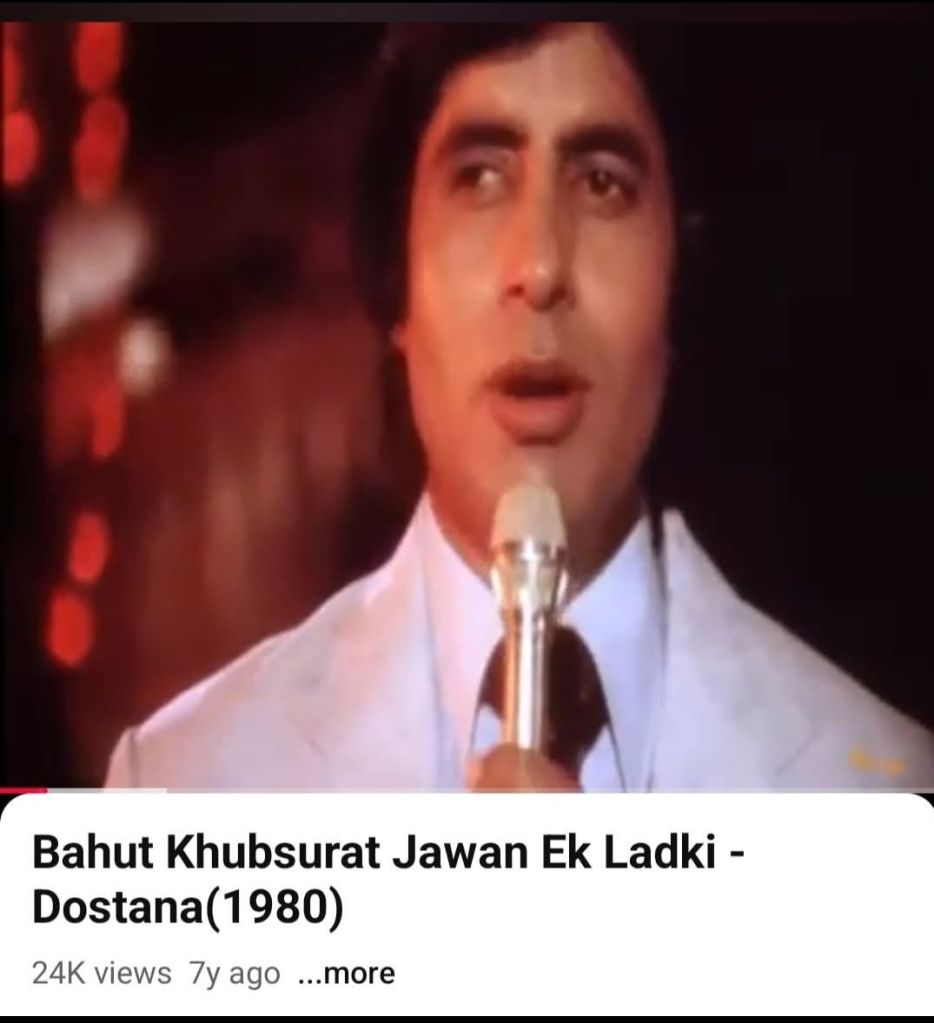
On the topic of corny bollywood stuff made in the 80s (and 90s), let me draw your attention to this particular song…..

The lyrics go like….

“Bahut Khoobsurat Jawan Ek Ladki
Sadak par akeli chali Jaa Rahi thi
Fakat naam ke usne pehene they kapade
Ajanta ki moorat nazar aa rahi thi
Koi manchala ussey takara gaya
Mere doston tum karo faisala
Khata kiski hai, kisko de hum sazaa”

For those who don’t understand Hindi, the lyrics literally mean….

A beautiful young girl was walking down the street alone
She was wearing clothes only for name aka skimpy clothes
A wanton dude happened to collide with her
So you, people, need to decide who is actually at fault here and who should be punished.

This song was right after a scene where a sarong wrapped Zeenat Aman gets eve teased by a wayward guy and goes to the Police station where the Inspector (Amitabh) while arresting the guy, gives her a huge lecture on morality and how she should have dressed more appropriately.

The song literally justifies victim blaming, puts the onus of sexual harassment on the victim (provocation) and gets the people to judge against the woman instead of the perpetrator.

This song is from the movie Dostana, which became one of the super hit movies in 1980.

In the movie the song was sung by Amitabh Bachchan.

The original singer was Kishore Kumar

The lyrics were by Anand Bakshi

The music was by Lakshmikant Pyarelal.

And the song was a runaway hit too.

I remember a time when I was singing this song, I was around 14ish then and a big fan of Kishore da and my Mom told me to not sing it.

I loved the tune, I loved the song, I loved Kishore Kumar, so I didn’t understand why I shouldn’t sing it.

That was probably because I didn’t try and understand the lyrics back then.

Now whenever I listen to this song, I can’t help but cringe and quickly shut it off.

Disclaimer: This song is a classic representation of how the “rape culture” in India was validated and justified through Bollywood.

Darshan Mondkar

S812: Narc, Norm & Noble Family Dynamics.

Every Coin has 3 Major sides..

Similarly Every Fruit can be in 3 Phases or Modes.. 

1. A. Super-Normally_Good (+Ve  side tending),

2. B. Normal_Average (Neutral- Central Median),

3. Super-abnormally_Bad (- Ve side tending).

### A Post on Narcissistic Family Dynamics: Your Sister, Your Father, and You

Narcissistic family dynamics are a twisted, painful game of favorites and blame, and it sounds like you’ve been caught in the middle of one. In your case, the triad—you, your sister, and your father—forms a classic setup: the golden child and the scapegoat child, orbiting around a narcissistic center. It’s a brutal structure where love gets weaponized, and roles are assigned not based on who you are, but on what serves the narcissist’s ego.

#### The Roles: Golden Child and Scapegoat
In this dynamic, your sister likely plays the **golden child**—the one who can do no wrong, showered with praise and held up as the shining example. It’s not about her earning it; it’s about your father (or the narcissist in the family) needing a mirror to reflect their own greatness. Meanwhile, you’ve been cast as the **scapegoat**—the dumping ground for every flaw, failure, or frustration. If something’s wrong, it’s your fault. If the family’s unhappy, you’re the reason. It’s a rigged game, and it’s not because of anything you’ve done—it’s because that’s how narcissistic families work.

These roles aren’t just labels; they shape how you’re treated and how you see yourself. The golden child might grow up entitled or hollow, chasing approval they’ll never fully secure. The scapegoat—you—carries the weight of rejection and blame, often left questioning their own worth. It’s exhausting, unfair, and deeply damaging.

#### The Missing Piece: A Caring Father
Every boy deserves a father who guides, protects, and cares—a steady hand to show you what it means to be a man. But in a narcissistic family, that’s a rare gift. If your father’s the narcissist, he’s too busy feeding his own ego to see you. If he’s not, he might still be absent or complicit, letting the dynamic play out. Either way, you didn’t get that caring model, and I’m sorry for that. That absence leaves a mark—grief for what should’ve been, anger at what was instead. It’s a wound that runs deep, and it’s not your fault you’re carrying it.

#### The Impact: Living in the Shadow
Growing up as the scapegoat messes with you. You might feel invisible, unworthy, or like you’re always fighting to prove something. The golden child gets the spotlight, but you’re left scrambling in the dark, trying to dodge the blame. And without a father to lift you up, it’s even harder to find your footing. It’s not just about what happened then—it’s about how it echoes now, in your confidence, your relationships, your sense of self.

#### Healing Over Hate
Here’s the thing: cursing them—your father, your sister, the whole messed-up system—might feel good for a minute. You might even wish for their downfall, and honestly, narcissists often do crash eventually. They build their lives on sand, and when the “narc-collapse” comes—when their facade cracks and their world unravels—it can feel like justice. But don’t let that be your focus. Hate’s a double-edged sword. It might cut them in your mind, but it’ll carve you up worse. That bitterness can keep you tethered to them, stuck in their orbit even when you want out.

Instead, prioritize **yourself**. Healing isn’t easy—it’s messy, slow, and sometimes feels impossible. But it’s yours. It’s about untangling their lies from your truth, rebuilding what they broke, and stepping into a life that’s not defined by their chaos. You don’t have to forgive them. You don’t have to fix them. You just have to free yourself.

#### Moving Forward
The narcissists might end their cycle in collapse, and you can watch that unfold from a distance. But your life? That’s where your energy belongs. You’ve survived a war you didn’t start, and that’s strength. Build something new with it—something they can’t touch. You deserve that peace, and I wish you all the good healing in the world to get there.

S811: Solutions for Indian Brothers. By GRP +Grok.

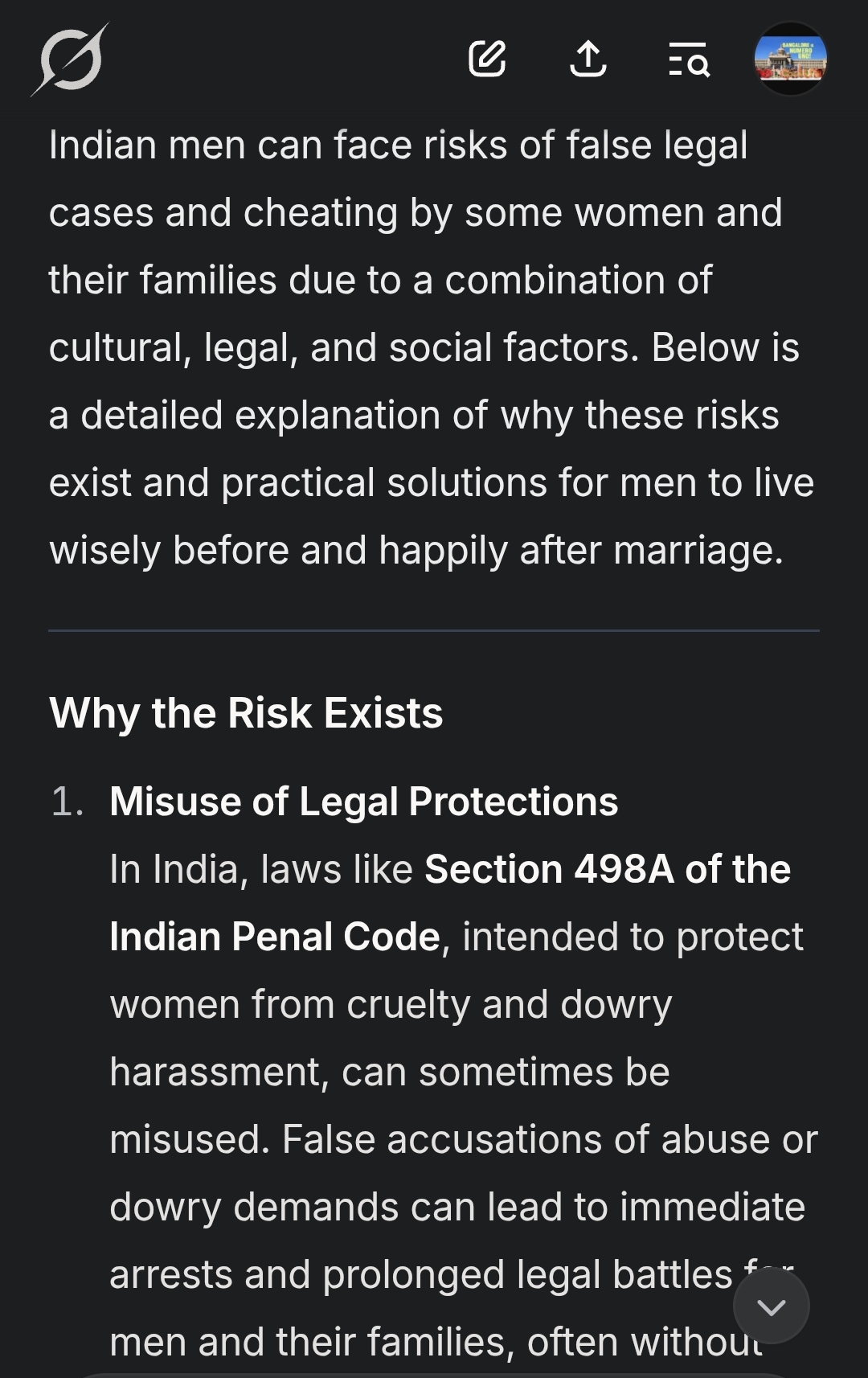
My Query: Why Indian Men are at risk of false cases and cheating by Indian Narc Women & Nepotistic Families? what can be solition for indian men to live wisely before, during wedding and happily after marriages?

Grok’s Answer: Indian men can face risks of false legal cases and cheating by some women and their families due to a combination of cultural, legal, and social factors. Below is a detailed explanation of why these risks exist and practical solutions for men to live wisely before and happily after marriage.


Why the Risk Exists

  1. Misuse of Legal Protections
    In India, laws like Section 498A of the Indian Penal Code, intended to protect women from cruelty and dowry harassment, can sometimes be misused. False accusations of abuse or dowry demands can lead to immediate arrests and prolonged legal battles for men and their families, often without substantial evidence. This issue has been highlighted by legal experts and men’s rights groups as a significant concern.
  2. Cultural Pressures and Nepotism
    Marriage in India often extends beyond the couple to involve both families. Some women’s families may exert undue influence, driven by nepotistic tendencies or unrealistic expectations (e.g., financial support or control over the couple’s decisions). If the marriage deteriorates, this dynamic can escalate into false claims or legal action as a means to pressure or punish the man and his family.
  3. Financial Motives
    Despite being illegal, dowry and lavish wedding expenses remain common in many Indian marriages. When relationships break down, some families may exploit these financial aspects, using false cases as leverage to extort money, property, or settlements from the man.

Solutions for Indian Men

To navigate these risks and build a fulfilling marriage, men can adopt the following strategies:

Before Marriage: Living Wisely

  1. Legal Awareness and Precautions
  • Educate yourself about relevant laws, such as Section 498A, the Domestic Violence Act, and divorce regulations. Understanding your rights and potential vulnerabilities is essential.
  • Consider a prenuptial agreement to outline financial and property rights. Though not yet widespread in India, prenups are gaining legal traction and can reduce future disputes.
  1. Choose Your Partner Carefully
  • Prioritize compatibility, shared values, and mutual respect over societal or familial pressures. Take time to assess your partner’s character, expectations, and family dynamics.
  • Watch for red flags, such as excessive financial demands, manipulative behavior, or overbearing family involvement.
  1. Open Communication and Transparency
  • Discuss critical topics like finances, career goals, and family roles openly before committing. This clarity can prevent misunderstandings later.
  • Establish boundaries with both families to ensure the marriage remains a partnership between the couple, not a family power struggle.
  1. Documentation
  • Maintain records of financial transactions, gifts, or agreements (e.g., wedding expenses or loans). These can serve as evidence if false accusations arise.
  • Avoid dowry or any illegal transactions, as they can be weaponized against you.
  1. Build a Support Network
  • Cultivate relationships with trusted friends and family who can offer emotional and practical support.
  • Consult a lawyer or relationship counselor before marriage to gain insights into legal risks and healthy relationship practices.

After Marriage: Living Happily

  1. Focus on Mutual Respect
  • Treat your partner as an equal and expect reciprocal respect. A marriage built on trust and fairness is less likely to encounter malicious conflicts.
  • Address issues early through honest dialogue rather than letting resentment fester.
  1. Regular Check-ins
  • Maintain open communication about feelings, expectations, and challenges. Periodic discussions can strengthen the relationship and resolve minor issues before they escalate.
  1. Shared Responsibilities
  • Divide household and financial duties equitably to avoid imbalances that could breed discontent. Collaboration fosters partnership and reduces tension.
  1. Independence and Space
  • Allow each other room to pursue individual interests and maintain personal identities. This balance can enhance mutual appreciation and reduce dependency-related conflicts.
  1. Conflict Resolution
  • Approach disagreements calmly and constructively. If needed, seek professional counseling to mediate and resolve deeper issues.

Final Thoughts

While these strategies can mitigate risks and promote a happy marriage, no solution is entirely foolproof. The key is to balance caution with trust—entering marriage with awareness and preparation while fostering a relationship grounded in mutual respect and understanding. By taking proactive steps and prioritizing communication, Indian men can reduce their vulnerability to false cases and cheating, paving the way for a wise and joyful married life.

Design a site like this with WordPress.com
Get started