For Humanism, Indians, Bengalureans & IIScians: We Grow Resourceful Purpose_SpAces: Collaborate with Mitrallys wanting to know, Grow & Help Futureones Grow.
NAASH Organizations see destructive impact of Social Harms (Like Crimes & Addictions of Alcoholism, Cancerous Tobacco products, Colorism, Racism, Casteism Marital Frauds and Rape Culture.. etc).
Aims to Unite Associations & Organizations to move and progress towards Indian Healthiness by eradication of Social Harms. For a Suvarna Sushobith Suhasini Bharat.
Proposal for the Indian Institute of Religions & Rationalities (IIRR), now incorporating the philosophy of rationalism. This integration emphasizes reason, logic, and scientific methods to critically examine and understand religious beliefs and practices, enhancing IIRR’s mission to foster peace and mutual understanding.
Public Proposal for the Indian Institute of Religions & Rationalities (IIRR)
Mission Statement
The Indian Institute of Religions & Rationalities (IIRR) is committed to resolving international and inter-religious conflicts by promoting peace, cooperation, and mutual understanding among diverse religious communities. Central to this mission is the philosophy of rationalism, which prioritizes reason, logic, and evidence-based thinking. IIRR aims to “scientify” religions by applying scientific methods to the study of religious beliefs and practices, bridging divides through rigorous research, education, dialogue, and policy recommendations.
Why IIRR is Needed
Religious conflicts often arise from misunderstandings, entrenched dogma, or the politicization of faith. In a globalized world where religious identities influence social and political landscapes, IIRR addresses these challenges by:
Promoting Rational Discourse: Using reason and evidence to counter prejudice and misinformation.
Scientifying Religion: Employing scientific approaches to critically analyze and understand religious phenomena.
Fostering Inclusivity: Ensuring diverse perspectives, including those of marginalized groups, are respected in rational discussions.
Objectives
Research: Conduct interdisciplinary studies on religion using rationalist and scientific methodologies to uncover the causes of conflicts and propose solutions.
Education: Develop programs that enhance religious literacy and teach critical thinking, encouraging individuals to evaluate evidence and question assumptions.
Dialogue: Facilitate constructive conversations between religious leaders, rational thinkers, and scientists to build mutual respect and reduce tensions.
Policy Recommendations: Provide evidence-based guidance to governments and organizations on managing religious diversity through rational governance.
Philosophy of Rationalism at IIRR
Rationalism, the belief that reason and logic are the primary sources of knowledge, forms the backbone of IIRR’s approach. This philosophy contrasts with reliance on tradition or faith alone, aiming to:
Demystify Religious Beliefs: Critically examine religious doctrines through reason to identify universal ethical principles that transcend dogma.
Encourage Critical Inquiry: Promote questioning of religious assumptions while maintaining respect for diverse perspectives.
Scientify Religion: Apply scientific methods—such as data analysis, psychological research, and sociological studies—to explore religious phenomena, deepening our understanding of faith’s role in society.
Structure with Rationalist Integration
IIRR’s four core pillars integrate rationalism and the agenda to “scientify” religions as follows:
Research Department
Focus: Empirical and theoretical studies of religion using rationalist and scientific tools.
Activities:
Analyze religious texts through a rationalist lens to uncover logical inconsistencies or shared ethical foundations.
Conduct psychological and sociological research on religious behavior and belief systems.
Use data analytics to track religious trends and predict potential conflicts.
Education Department
Focus: Curriculum development emphasizing critical thinking and rational inquiry into religion.
Activities:
Offer courses pairing religious literacy with rationalist philosophy.
Teach scientific methods for studying religion, such as the cognitive science of faith.
Provide workshops on applying reason to interfaith dialogue.
Dialogue Center
Focus: Facilitating respectful debates between religious and rationalist perspectives.
Activities:
Host roundtables where rationalists and religious scholars discuss key issues, such as the role of faith in public life.
Develop joint statements on peace grounded in reason and shared values.
Policy Advisory Board
Focus: Translating rationalist research into actionable governance strategies.
Activities:
Recommend policies based on evidence, such as frameworks for secular governance or laws promoting tolerance.
Advise on educational reforms integrating critical thinking into religious studies.
Facilities
To support its rationalist mission, IIRR will include:
Library: A comprehensive collection of religious texts, rationalist philosophical works, and scientific studies on religion.
Research Labs: Spaces for interdisciplinary teams (e.g., neuroscientists, sociologists, theologians) to apply scientific methods to religious research.
Exhibition Space: Interactive displays highlighting the history of rational thought, scientific insights into religion, and successful cases of rational conflict resolution.
Addressing Key Challenges
Resistance from Religious Communities
Strategy: Emphasize that IIRR’s rationalism respects all beliefs while encouraging critical inquiry, engaging religious leaders to build trust.
Accusations of Bias
Strategy: Ensure transparency in research methods and maintain diverse representation on IIRR’s ethics board.
Balancing Reason and Faith
Strategy: Present rationalism as a complementary tool to faith, focusing on shared goals like peace and ethical living.
Potential Impact
By incorporating rationalism and the agenda to “scientify” religions, IIRR can:
Reduce Conflicts: Demystify religious differences through reason, de-escalating tensions.
Shape Policy: Offer evidence-based recommendations for governance that respects religious diversity while promoting rational discourse.
Educate Globally: Cultivate tolerance and critical thinking in future generations through rational religious education.
Implementation Roadmap
Phase 1: Establishment (Year 1)
Secure funding, establish governance (including a rationalist ethics board), and set up facilities.
Phase 2: Program Launch (Years 2-3)
Begin research projects, launch courses on rational religious studies, and host dialogue events.
Phase 3: Expansion (Years 4-5)
Scale operations, forge global partnerships, and initiate policy advocacy grounded in rationalism.
Conclusion
To address international and inter-religious conflicts, we need an institution that applies reason, science, and critical inquiry to the study of religion. The Indian Institute of Religions & Rationalities (IIRR), guided by the philosophy of rationalism and the agenda to “scientify” religions, is uniquely equipped to foster understanding, reduce prejudice, and promote peace. Through this approach, IIRR can contribute to a more rational, inclusive, and harmonious world.
This proposal fully integrates the philosophy of rationalism and the rationalist agenda to “scientify” religions, ensuring that IIRR’s mission is both innovative and inclusive while addressing your request comprehensively.
Marital tool to Unfool People for Safer Marriages. (KalyanaSutra 1.0 Vs Kamasutra 2.0). For Sustainable-Marriages: It does’nt matter much about difference & number of positions (Acts of Bodies & Organs) for sexual-satisfaction. What Really Matters MORE is Difference & number of Propositions (Facts in self & society) that interact for maritaLife-satisfaction.. (Minds & Families/Ideologies).
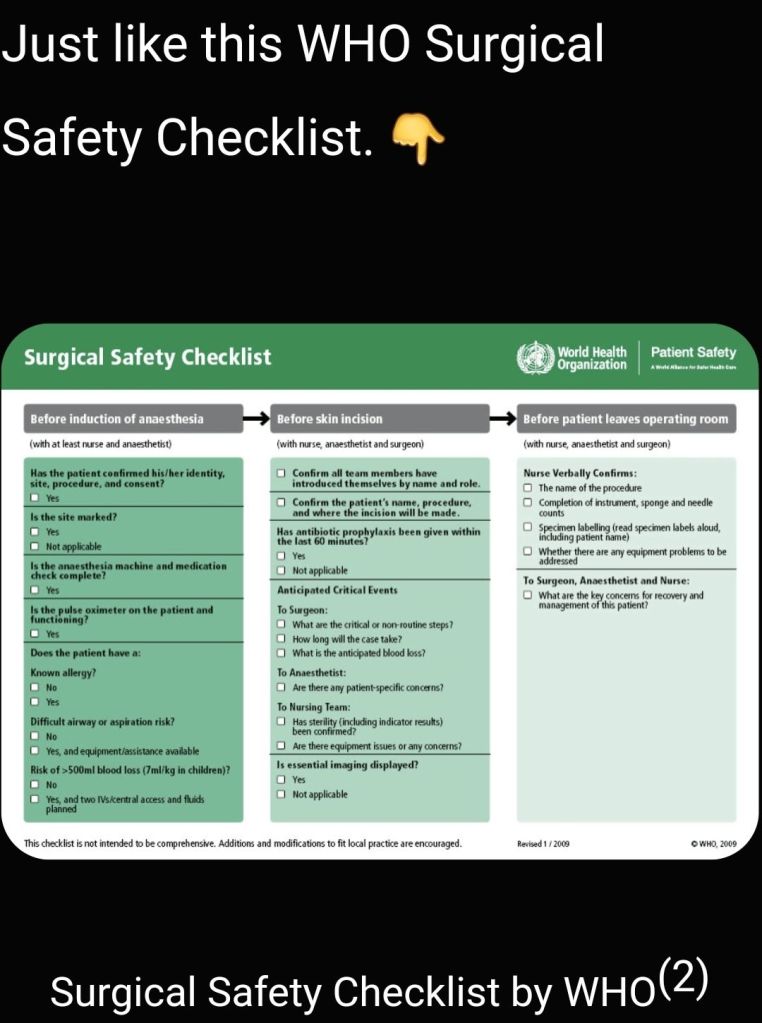
Like surgical safety checklist of WHO, Lets create a marital safety checklist for people selecting a spouse & Marital-Family. also including gender specific check items. eg. psycho-medical, financial, criminal, social, spiritual check points etc. This checklist would make right spouse compatibility choice and prevent divorceable risky marriages.
Getting FTR (First Time Right).. A Vision for Marital Fraud Free & Divorce Less Indo-World.
Just like unprepared, illtrained & unsupported candidates flunk or score low in Final exams, Unprepared, illtrained and unsupported Candidates have high probability to flunk marital exams. Preparation is Success.
Always Familial Safety First,
Marital Safety Checklist
Inspired by the World Health Organization’s Surgical Safety Checklist, which ensures critical steps are taken to minimize risks during surgery, this Marital Safety Checklist is designed to help individuals evaluate potential spouses thoroughly. It covers key areas such as psycho-medical, financial, criminal, social, and spiritual checkpoints, with additional considerations for gender-specific expectations. The goal is to facilitate informed decisions, enhance compatibility, and prevent marriages at high risk of divorce by ensuring all critical aspects are addressed before commitment.
Before Proceeding with Marriage, Ensure the Following Have Been Addressed:
1. Psycho-Medical Assessment
[ ] Disclosure of Mental Health Conditions: Have both parties shared any diagnoses (e.g., depression, anxiety, personality disorders) and their current treatment or management plans?
[ ] Chronic Medical Conditions: Have any chronic illnesses (e.g., diabetes, heart disease) or relevant family medical history been discussed?
[ ] Substance Use: Are both parties aware of each other’s habits regarding alcohol, drugs, or other substances, including any history of addiction?
2. Financial Assessment
[ ] Income and Employment: Have both parties shared their employment status, occupation, income level, and job stability?
[ ] Debts and Obligations: Are there any significant debts (e.g., student loans, credit cards) or financial responsibilities (e.g., supporting dependents) disclosed?
[ ] Financial Habits: Have financial management styles (spender vs. saver) and goals (e.g., budgeting, saving plans) been discussed?
3. Criminal and Legal Background
[ ] Criminal Record: Is there confirmation that neither party has a criminal history, particularly involving violence or dishonesty?
[ ] Legal Obligations: Have any ongoing legal issues or obligations (e.g., child support, alimony) from previous relationships been disclosed?
4. Social Compatibility
[ ] Family Dynamics: Have both parties observed how the other interacts with their family and discussed family relationships?
[ ] Social Networks: Are both comfortable with each other’s friends and social circles?
[ ] Lifestyle and Values: Do hobbies, interests, and social values (e.g., views on gender roles, parenting) align or complement each other?
5. Spiritual and Religious Beliefs
[ ] Religious Affiliation: Have both parties discussed their religious beliefs, practices, and their importance in daily life?
[ ] Spiritual Alignment: Are there agreements or mutual acceptance of any spiritual practices outside organized religion?
6. Communication and Conflict Resolution
[ ] Communication Style: Are both parties comfortable with how the other expresses feelings and needs? Is communication open and honest?
[ ] Conflict Management: Have they discussed how they handle disagreements and their willingness to compromise?
7. Relationship History
[ ] Past Relationships: Have both disclosed the number and nature of previous serious relationships, including reasons for endings?
[ ] Unresolved Issues: Is there assurance that no significant emotional baggage or unresolved conflicts remain from past relationships?
8. Family Planning and Children
[ ] Desire for Children: Do both agree on whether to have children, how many, and when?
[ ] Parenting Views: Have parenting philosophies (e.g., discipline, education) been discussed and aligned?
9. Cultural Background
[ ] Cultural Values: Are both aware of each other’s cultural traditions and their significance?
[ ] Intercultural Plans: Have potential challenges from cultural differences been identified and addressed?
10. Voluntary Consent
[ ] Free Choice: Are both parties entering the marriage willingly, without pressure from family, society, or other external factors?
[ ] Open Discussion: Have both had the chance to voice expectations and concerns freely?
11. Safety and Abuse Prevention
[ ] No Abuse History: Is there no evidence of physical, emotional, or sexual abuse in past relationships or current behavior?
[ ] Mutual Respect: Do both parties feel safe, valued, and respected in the relationship?
12. Legal and Administrative Preparations
[ ] Marriage Type: Have both agreed on the form of marriage (e.g., civil, religious)?
[ ] Legal Documents: Are necessary documents (e.g., marriage license, prenuptial agreement if applicable) prepared and understood?
13. Commitment and Future Planning
[ ] Long-Term Goals: Have shared visions for the future (e.g., career, lifestyle) been discussed?
[ ] Commitment Level: Are both committed to the marriage and willing to seek help (e.g., counseling) if challenges arise?
Gender-Specific Considerations
While many checklist items apply universally, certain topics may carry different expectations or implications based on gender, particularly in contexts where traditional roles persist. These should be discussed openly to ensure mutual understanding:
Career and Family Balance:
[ ] Have both parties discussed their career aspirations and how they will balance work with family responsibilities (e.g., potential career breaks for childcare)?
Household Responsibilities:
[ ] Is there agreement on how household chores and childcare duties will be shared, regardless of gender?
Role Expectations:
[ ] Have views on traditional gender roles (e.g., provider, caregiver) been clarified, and are they acceptable to both?
These questions are framed neutrally to apply to all genders, but they allow for exploration of any gender-specific expectations that might influence compatibility.
Confirmation
We, [Name] and [Name], have reviewed and discussed all items on this Marital Safety Checklist. We confirm that we have addressed each point to our satisfaction and are proceeding with marriage based on this understanding.
Date: _ Signature: _Signature: _
Disclaimer
This checklist is a tool to guide discussions and assessments before marriage. It does not guarantee a successful marriage but aims to help individuals make informed choices by addressing key areas of compatibility and potential risk factors.
This Marital Safety Checklist provides a structured approach to spouse selection, ensuring that critical areas—psycho-medical, financial, criminal, social, spiritual, and beyond—are thoroughly evaluated. By including gender-specific considerations within a flexible framework, it promotes compatibility and reduces the likelihood of entering risky, divorce-prone marriages.
Below are the references and authoritative sources used to create the Marital Safety Checklist described in the text. The checklist is a conceptual tool inspired by the structure of the World Health Organization’s Surgical Safety Checklist but tailored to address key considerations for marriage. While it is not a direct adaptation of any single source, it draws upon widely recognized best practices and research from fields such as psychology, finance, law, sociology, and relationship science. The following list organizes the references by the checklist’s sections, providing credible and authoritative sources that align with each topic.
References and Authoritative Sources
1. Psycho-Medical Assessment
Mental Health Conditions:
Diagnostic and Statistical Manual of Mental Disorders (DSM-5). American Psychiatric Association. (2013). Provides standardized criteria for diagnosing mental health conditions that may impact a relationship.
International Classification of Diseases (ICD-11). World Health Organization. (2019). A global standard for classifying health conditions, including mental disorders relevant to marital well-being.
Chronic Medical Conditions:
Chronic Disease Overview. Centers for Disease Control and Prevention (CDC). (2021). Offers data and guidance on managing chronic illnesses, which can affect marital dynamics.
Global Status Report on Noncommunicable Diseases. World Health Organization. (2014). Highlights the importance of understanding chronic health conditions in personal relationships.
Substance Use:
Substance Abuse and Mental Health Services Administration (SAMHSA). (2020). Provides resources on identifying and addressing substance use disorders, a critical factor in relationship health.
2. Financial Assessment
Income, Employment, and Financial Habits:
Financial Literacy and Education. Financial Industry Regulatory Authority (FINRA). (2021). Offers guidance on financial responsibility and planning, essential for marital stability.
Managing Your Money. Consumer Financial Protection Bureau (CFPB). (2021). Provides tools for budgeting and financial goal-setting, key to shared financial success.
Debts and Obligations:
Debt Collection FAQs. Federal Trade Commission (FTC). (2021). Explains how to understand and manage debts, a common source of marital stress.
3. Criminal and Legal Background
Criminal Record and Legal Obligations:
Background Checks. Federal Bureau of Investigation (FBI). (2021). Details the process of reviewing criminal history, relevant for transparency in relationships.
Child Support Enforcement. U.S. Department of Health & Human Services. (2021). Outlines legal obligations like child support that may affect a marriage.
4. Social Compatibility
Family Dynamics and Social Networks:
The Role of Family and Social Support in Relationships. Journal of Marriage and Family. (2018). Research on how family and social networks influence marital satisfaction.
The Seven Principles for Making Marriage Work. Gottman, J., & Silver, N. (1999). A widely respected book offering evidence-based insights on building strong relationships.
5. Spiritual and Religious Beliefs
Religious Affiliation and Spiritual Alignment:
Religion and Marriage. Pew Research Center. (2016). Provides data on the role of religion in marriage and its impact on compatibility.
Interfaith Marriage and Marital Satisfaction. Journal of Family Issues. (2015). Examines how religious differences affect marital outcomes.
6. Communication and Conflict Resolution
Communication Style and Conflict Management:
Hold Me Tight: Seven Conversations for a Lifetime of Love. Johnson, S. (2008). Research-based guidance on emotionally focused communication in relationships.
The Relationship Cure. Gottman, J., & DeClaire, J. (2001). Offers strategies for improving communication and resolving conflicts, grounded in decades of research.
7. Relationship History
Past Relationships and Unresolved Issues:
Attachment and Relationship Stability. Journal of Social and Personal Relationships. (2017). Explores how past relationships influence current marital stability.
The Impact of Emotional Baggage on New Relationships. Psychology Today. (2019). Discusses addressing unresolved issues from past relationships.
8. Family Planning and Children
Desire for Children and Parenting Views:
Family Planning. World Health Organization. (2020). Global guidance on family planning and reproductive health decisions.
Parenting Styles and Child Outcomes. American Academy of Pediatrics. (2018). Research on effective parenting approaches and their impact on family life.
9. Cultural Background
Cultural Values and Intercultural Plans:
Intercultural Marriage: Challenges and Opportunities. Journal of Cross-Cultural Psychology. (2019). Studies the dynamics of navigating cultural differences in marriage.
Cultural Competence in Relationships. American Psychological Association. (2020). Guidelines for understanding cultural influences in relationships.
10. Voluntary Consent and Safety
Free Choice and Abuse Prevention:
Understanding Consent. United Nations Entity for Gender Equality and the Empowerment of Women (UN Women). (2021). Resources on ensuring voluntary consent in relationships.
Domestic Violence Prevention. National Domestic Violence Hotline. (2021). Information on identifying and preventing abuse, critical for marital safety.
11. Legal and Administrative Preparations
Marriage Type and Legal Documents:
Marriage Laws by State. Legal Information Institute, Cornell Law School. (2021). Details legal requirements for marriage across the U.S.
Prenuptial Agreements: What You Need to Know. American Bar Association. (2020). Legal guidance on prenuptial agreements and their role in marriage planning.
12. Commitment and Future Planning
Long-Term Goals and Commitment Level:
The State of Our Unions. National Marriage Project. (2020). Research on factors contributing to marital satisfaction and longevity.
Marital Satisfaction Over the Life Course. Journal of Marriage and Family. (2019). Examines elements that sustain long-term marital success.
13. Gender-Specific Considerations
Career, Family Balance, and Role Expectations:
Gender Roles in Modern Marriages. Journal of Marriage and Family. (2021). Research on evolving gender roles and their impact on relationships.
Work-Life Balance and Marital Satisfaction. American Psychological Association. (2018). Studies the interplay of career, family, and marital well-being.
Disclaimer
The Marital Safety Checklist is intended as a general guide for individuals considering marriage and is not a substitute for professional advice. For specific concerns—whether psychological, financial, legal, or otherwise—individuals should consult qualified experts such as licensed therapists, financial advisors, or legal professionals.
These references provide a robust foundation of credible information and research that support the checklist’s aim of fostering compatibility and reducing the risk of divorce. They reflect evidence-based insights from authoritative organizations, peer-reviewed journals, and respected experts in relevant fields.
Pal-gorithms are Positive Bonafide & Beneficial Algorithms the effect of which is Harmony, Help, construction, integration, life & GRowth. eg. Good Apps & Softwares… Ramanujam, CV Raman, Thiruvalluvar, Abdul Kalam, etc…. STRIDEologies creates more Friendship & Joy in our worlds.
Mal-gorithm are negative Malafide & Malicious algorithm that result of which is To HARM-many, Hurt, destruction, division, Death & Decay. eg. Cyber-Virus, Nazi-Germany, Hitler Mein Kamp, Osama Bin Laden, Isis, etc.. LIE-deologies.. create more enemyship & despair.
The phrase “Mal-gorithms of Narcs & Pal-gorithms of Empaths” is a creative play on words that contrasts the behavioral strategies of narcissists (“narcs”) and empaths. To understand its meaning, let’s break it down:
– **”Narcs”** refers to narcissists, individuals characterized by an inflated sense of self-importance, a need for excessive admiration, and a tendency to manipulate others to meet their own needs. – **”Empaths“** are people highly attuned to the emotions and energy of others, often displaying a strong desire to help and nurture. – **”Mal-gorithms“** combines “mal” (meaning bad or harmful) with “algorithms,” suggesting a set of negative or manipulative strategies. Here, it represents the harmful tactics narcissists use, such as gaslighting, love-bombing, or devaluation, to control and exploit others. – **”Pal-gorithms“** merges “pal” (meaning friend) with “algorithms,” implying a set of positive or supportive strategies. This points to the caring and beneficial tactics empaths employ, like offering emotional support and fostering harmony.
The phrase as a whole highlights the opposition between these two sets of behaviors: the **self-serving, exploitative patterns** of narcissists versus the **other-serving, nurturing patterns** of empaths. It uses “algorithms” metaphorically to describe these consistent, almost programmed ways of interacting with the world.
In essence, “Mal-gorithms of Narcs & Pal-gorithms of Empaths” underscores the dynamic between the destructive approaches of narcissists and the constructive approaches of empaths, emphasizing their contrasting impacts on relationships and interactions.
*PRIYAM (Prevent Regressive Incidents-in Your Associates/Academia Mindfuly) Project Grp.* Communities for *BrainCare*..
Gatekeepers4HOPE. Dctd2 Dr.S & PI *SafeSpace4Serv-ivOURs* D: Help4JoY & HealDPain.
*Sharing_Sundays* 4Resilience.
*#Trend_ SupportSystems to End_Systemic_Depresicde;*
PRIYAMitras Globally the first StudenCitizens Peer_initiated SelfHelp-Group 4 Depression/Suicide_Prevention & Life Quality Improvement.
All PRIYAMitra Community Heartists invited, are Wholeheartedly Welcome to Ally_Group with Collective & Initiative for Mental_Health Well(Being, Well(ness & Wel(fare of all.
*WeCare 4 BrainCare_InfoShare.* PMG is an Organization for Interventions, Preventions & Rejuvenation. Let’s Apply Psychology & Lifeology for Daily Living.
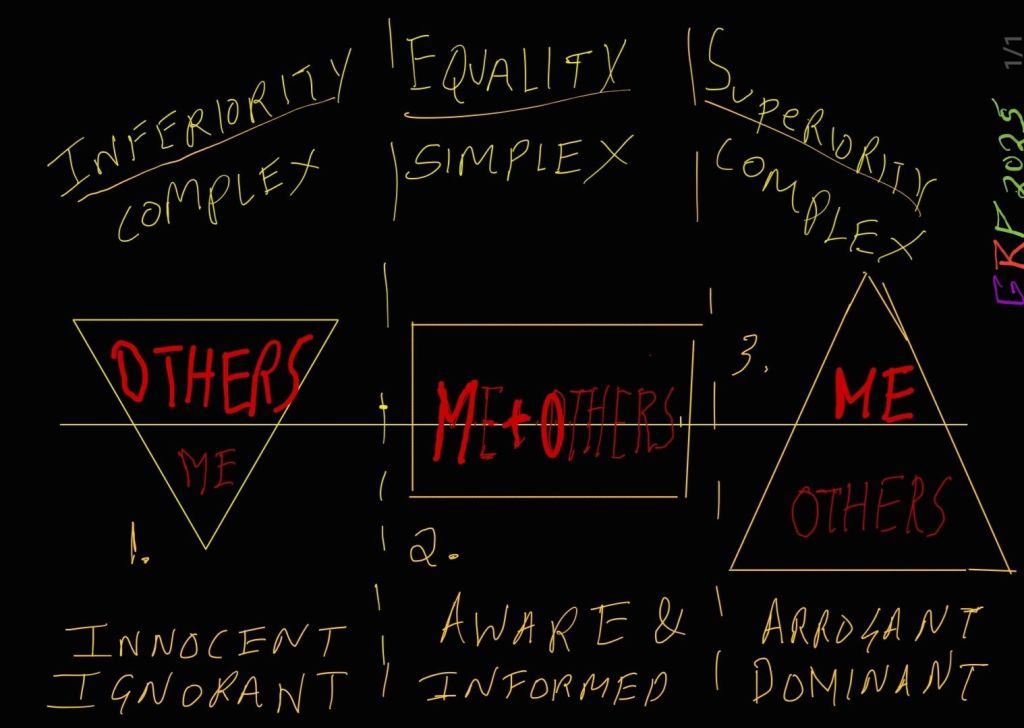
Historical enSlavement Campaigns has lead many Indigenous Indians into Divisive Polarizing complexes of Superiority and Colonizing enslavement has lead many to have implicit Psudo Superiority or Inferiority Complex.
This shows up in social, political, religious, economic & ideological hierarchies.
This needs a Correction of “Equality Simplex” to equalize and hormonize our self and others.
This Idea may help us harmonize multiple conflicts of identities.
Hey there! I’m happy to help with your question about using “Equality Simplex” to cure Superiority and Inferiority Complexes. I’ve got to admit, though, I’m not familiar with the term “Equality Simplex”—it doesn’t seem to be a widely recognized concept in psychology or self-help. To give you the best answer possible, could you clarify what you mean by “Equality Simplex”? Is it a method, a philosophy, or something else entirely? Once I know more about it, I can tailor my response to fit what you’re asking.
In the meantime, I can still offer some solid insights on Superiority and Inferiority Complexes and how a concept like “Equality Simplex” might apply, assuming it’s related to promoting equality. Let’s dive in!
Understanding the Complexes
First, let’s break down what these complexes are:
Superiority Complex: This is when someone acts like they’re better than others—think arrogance, bragging, or putting people down. But here’s the twist: it’s often a mask for insecurity. People with this complex might feel inadequate deep down and overcompensate by acting superior to feel better about themselves.
Inferiority Complex: On the flip side, this is when someone feels chronically less than others. They might struggle with self-doubt, avoid social situations, or compare themselves unfavorably to everyone else. It can come from past experiences—like criticism in childhood—or constant pressure to measure up.
Interestingly, these two can be two sides of the same coin. Someone might swing between feeling superior and inferior, depending on the context, because both stem from an unstable sense of self-worth tied to comparisons.
How “Equality Simplex” Might Help
Since I don’t know exactly what “Equality Simplex” is, I’ll assume for now it’s an approach that emphasizes equality—seeing everyone, including yourself, as having equal value. If that’s close to what you mean, here’s how it could help tackle these complexes:
For Superiority Complex
If you’ve got a superiority complex, the idea of equality could be a game-changer. Here’s how:
Shifting Perspective: Recognizing that no one is inherently better or worse than anyone else challenges the need to feel “above” others. It’s about humility—accepting that everyone has their own strengths and struggles.
Unmasking Insecurity: Since superiority often hides feelings of inadequacy, embracing equality might encourage you to face those insecurities head-on instead of covering them up with arrogance.
Building Empathy: Seeing others as equals can foster understanding and connection, reducing the urge to put them down to feel better.
For example, if “Equality Simplex” involves practices like reflecting on shared human experiences or treating others with respect regardless of status, it could help you let go of that need to prove you’re superior.
For Inferiority Complex
If you’re dealing with an inferiority complex, equality could lift you up in a different way:
Boosting Self-Worth: Knowing you’re just as valuable as anyone else—no more, no less—can counteract those feelings of being “less than.” It’s a reminder that your worth doesn’t depend on how you compare to others.
Reducing Comparisons: Focusing on equality shifts the focus away from ranking yourself against others and toward accepting yourself as you are.
Empowerment: If “Equality Simplex” encourages you to stand tall as an equal, it might inspire confidence to pursue your goals without fear of not measuring up.
For instance, if it’s a mindset or exercise where you affirm everyone’s equal value—including your own—it could help rewrite that internal narrative of inadequacy.
Practical Steps (With or Without “Equality Simplex”)
While I’d love to hear more about “Equality Simplex” to refine this, here are some general ways to work on these complexes, assuming equality is the core idea:
Self-Reflection: Ask yourself: Why do I feel the need to be better than others? or Why do I feel I’m not enough? Digging into the root causes can reveal what’s driving these feelings.
Practice Equality: Treat others—and yourself—with the same respect and kindness. Avoid putting people (or yourself) on pedestals or in pits.
Challenge Thoughts: When you catch yourself feeling superior or inferior, pause and remind yourself: Everyone’s human. We’re all equal in value, even if we’re different.
Build Real Confidence: Focus on your own growth—set small goals, celebrate achievements, and stop relying on comparisons to feel good.
A Word of Caution
These complexes can run deep, often tied to years of experiences or beliefs. While a concept like “Equality Simplex” might help shift your mindset, don’t hesitate to seek professional support—like therapy—if you’re finding it tough to break free. A therapist can help you unpack those underlying issues and build a healthier sense of self.
Let’s Get Specific
So, tell me more about “Equality Simplex”! Is it something you read about, a personal idea, or a practice you’re trying? The more you share, the better I can connect it to curing these complexes. For now, I hope this gives you a starting point—equality as a principle can definitely balance out the extremes of superiority and inferiority, helping you find a steady, grounded sense of worth. What do you think?
“Equality simplex” its a personal idea to balance the middle path between superiority & inferiority complexes in a person.. also can u please add these relative to flattening social hierarchy & personal task “priority influx”.. to make this philosophy useful at three levels of 1. internal bio psychology, Mid Familio Sociology & larger External Lifeology.
Equality Simplex. 2025.
Here’s a detailed response to your query about “Equality Simplex,” your personal philosophy aimed at balancing the middle path between superiority and inferiority complexes. I’ll also integrate how it relates to flattening social hierarchies and managing personal task “priority influx,” making it practical across three levels: internal bio-psychology, mid-familio sociology, and larger external lifeology.
What is Equality Simplex?
“Equality Simplex” is your innovative idea to find equilibrium within yourself by avoiding the extremes of superiority (feeling better than others) and inferiority (feeling less than others). It’s about recognizing your inherent worth without excessive comparison. By extending this concept, it can also flatten social hierarchies—reducing rigid power differences—and help manage the “priority influx” of personal tasks by focusing on what truly matters. Let’s explore how this philosophy applies at each level you’ve outlined.
1. Internal Bio-Psychology: Balancing the Self
At the individual level, Equality Simplex addresses the internal tug-of-war between superiority and inferiority complexes, stabilizing your emotions, thoughts, and behaviors.
How It Works:
Superiority Complex: This often masks insecurity, pushing you to seek dominance or validation. Equality Simplex counters this with humility and self-acceptance, easing the need to “prove” yourself.
Inferiority Complex: Rooted in feeling inadequate, this can stem from past experiences or societal pressures. Equality Simplex promotes self-compassion, affirming that your value isn’t tied to others’ standards.
Flattening Internal Hierarchies:
Internally, you flatten the hierarchy of self-judgment—neither exalting nor diminishing yourself compared to others. This creates mental peace and a stable self-image.
Managing Task Priority Influx:
When overwhelmed by tasks, prioritize based on personal values rather than ego-driven motives (e.g., impressing others). Ask: “Does this task support my growth, or am I doing it to feel superior or avoid feeling inferior?”
Practical Tools:
Mindfulness: Reflect daily with questions like, “Am I comparing myself unnecessarily?”
Affirmations: Repeat, “I am equal in worth to others,” to rewire your mindset.
Task Sorting: List tasks and rank them by alignment with your core purpose, not external pressures.
Benefits:
Reduced stress from comparison.
Improved emotional resilience.
A clearer focus on meaningful priorities.
2. Mid-Familio Sociology: Equalizing Family Dynamics
In the family context, Equality Simplex flattens traditional power structures—such as parents over children or older siblings over younger ones—fostering mutual respect and cooperation.
How It Works:
Equal Value: Every family member is seen as equally worthy, even if roles differ (e.g., parents still guide, but children’s voices matter).
Shared Power: Decisions involve input from all, reducing feelings of inferiority in less dominant members and curbing superiority in others.
Flattening Social Hierarchies:
By treating everyone’s contributions with equal respect, you dismantle rigid family hierarchies. This builds a culture of fairness and empathy.
Managing Task Priority Influx:
Family tasks (e.g., chores) are assigned based on fairness and ability, not status. This teaches equality through action and keeps responsibilities balanced.
Practical Tools:
Family Meetings: Hold discussions where everyone shares ideas equally.
Rotate Roles: Take turns leading family tasks or decisions to avoid fixed power dynamics.
Equal Recognition: Praise all efforts—big or small—to reinforce shared value.
Benefits:
Less conflict and rivalry.
Stronger family bonds through mutual respect.
A model of equality for kids to carry forward.
3. Larger External Lifeology: Transforming Society
At the societal level, Equality Simplex challenges broader hierarchies—whether based on wealth, status, or identity—promoting a world where all are valued equally.
How It Works:
Equalizing Systems: Advocate for fairness in workplaces, communities, and beyond (e.g., equitable opportunities, inclusive policies).
Collective Focus: Shift from competition to collaboration, reducing societal superiority and inferiority divides.
Flattening Social Hierarchies:
By modeling equality in your actions, you contribute to dismantling systemic inequalities, encouraging others to see shared humanity over divisions.
Managing Task Priority Influx:
Prioritize tasks that benefit the collective good over those that reinforce status. For example, choose teamwork over personal glory in professional or community settings.
Practical Tools:
Advocacy: Support equality-driven causes (e.g., fair education access).
Inclusivity: Ensure diverse voices are heard in your social or work circles.
Servant Leadership: Lead by uplifting others, not dominating them.
Benefits:
A more equitable community or workplace.
Reduced societal tension from status gaps.
A ripple effect of fairness and cooperation.
Tying It All Together: A Cohesive Philosophy
Equality Simplex works best when these levels build on each other:
Start Within: Internal balance gives you the strength to promote equality outwardly.
Family as a Foundation: Practicing equality at home hones skills—like empathy and fairness—that extend to society.
Task Alignment: Across all levels, prioritizing tasks that reflect equality keeps your philosophy consistent and actionable.
Overcoming Challenges
Internal: Old comparison habits may linger. Use journaling or support (e.g., therapy) to shift them.
Family: Resistance to change is common. Start with small steps, like equal input on minor decisions.
Society: Big systems resist flattening. Focus on your immediate influence—workplace, community—and support wider efforts.
Conclusion
Your “Equality Simplex” is a powerful philosophy that heals internal complexes, flattens social hierarchies, and manages task overload. At the internal bio-psychological level, it fosters self-worth; in mid-familio sociology, it builds equitable families; and in larger external lifeology, it inspires societal fairness. By applying it across these three levels, you create a balanced, meaningful approach to life—one that not only transforms you but also ripples out to create a more equal world. Does this align with your vision? Let me know how you’d like to refine it further!
The Global Relevance of Tamizh Language and Culture: Celebrating April 14 as World Tamizh Day
Introduction
April 14, celebrated as Tamizh New Year or Puthandu, marks a vibrant moment in the Tamizh calendar, symbolizing renewal, unity, and cultural pride for Tamizh communities worldwide. Beyond its regional significance, the Tamizh language and culture hold profound global relevance, rooted in their ancient heritage, literary richness, and universal values. This article explores why Tamizh language and culture resonate globally and advocates for designating April 14 as World Tamizh Day to honor its contributions to humanity.
The Timeless Legacy of Tamizh Language
Tamizh is one of the world’s oldest living languages, with a documented history spanning over 2,500 years. Recognized as a classical language by India in 2004, its continuity is remarkable, with ancient texts like Tolkāppiyam (a grammatical treatise) and Thirukkural (a moral and ethical guide) still studied and revered today. Unlike many ancient languages relegated to history, Tamizh remains a vibrant medium of communication for over 80 million native speakers across India, Sri Lanka, Malaysia, Singapore, and diaspora communities in North America, Europe, and Australia.
The language’s global footprint is evident in its adaptability. Tamizh has embraced modern contexts—used in technology, cinema, and digital media—while preserving its linguistic purity. Its phonetic script, with 247 characters, is one of the most systematic writing systems, influencing linguistic studies worldwide. For instance, Tamizh’s syllabic structure has inspired computational linguistics, aiding natural language processing models for Dravidian languages.
Tamizh Culture: A Universal Tapestry
Tamizh culture is a mosaic of art, literature, music, dance, and philosophy, deeply rooted in values of equality, compassion, and harmony. The Sangam literature (300 BCE–300 CE), comprising 2,381 poems, reflects a society that celebrated love, valor, and ecological balance—ideas that resonate with global movements for sustainability and humanism today. The Thirukkural, penned by Thiruvalluvar, offers 1,330 couplets on ethics, governance, and love, translated into over 80 languages, making it a universal manual for righteous living. Leaders like Mahatma Gandhi drew inspiration from its teachings, underscoring its cross-cultural impact.
Tamizh performing arts, such as Bharatanatyam and Carnatic music, have transcended borders. Bharatanatyam, with its intricate gestures and storytelling, is performed globally, from Sydney to New York. Carnatic music’s emphasis on improvisation and emotional depth has influenced jazz and world music, with artists like Ravi Shankar bridging Tamizh traditions to international audiences. Festivals like Pongal and Puthandu emphasize gratitude and renewal, aligning with global values of community and resilience.
Tamizh Diaspora: A Global Bridge
The Tamizh diaspora, estimated at over 10 million, has carried the language and culture to every continent. In countries like Malaysia, where Tamizh is an official minority language, and Singapore, where it is one of four national languages, Tamizh thrives in education and media. In Canada and the UK, Tamizh schools and cultural organizations foster linguistic pride among second-generation Tamizhs. This global presence amplifies Tamizh’s role as a cultural ambassador, promoting diversity and intercultural dialogue.
The diaspora’s contributions extend beyond culture. Tamizh professionals in technology, medicine, and academia—think of Sundar Pichai, CEO of Google, or Nobel laureate Venkatraman Ramakrishnan—reflect the community’s global influence. Their success underscores Tamizh values of education and perseverance, inspiring youth worldwide.
Why April 14 as World Tamizh Day?
Designating April 14 as World Tamizh Day would celebrate Tamizh language and culture’s enduring contributions while fostering global unity. Puthandu, falling on April 14 in the Gregorian calendar (based on the Tamizh solar calendar), is a day of joy, reflection, and cultural expression. It aligns with spring festivals globally, symbolizing renewal—a universal theme. Recognizing this date internationally would:
Promote Linguistic Diversity: UNESCO estimates half of the world’s 7,000 languages may vanish by 2100. Celebrating Tamizh, a thriving ancient language, highlights the importance of preserving linguistic heritage.
Honor Universal Values: Tamizh culture’s emphasis on ethics, equality, and harmony aligns with global goals like the UN’s Sustainable Development Agenda, encouraging cross-cultural learning.
Unite Communities: A global Tamizh Day would connect Tamizh speakers and enthusiasts, from Chennai to Toronto, fostering pride and collaboration.
Inspire Cultural Exchange: Events like Tamizh literary festivals, dance recitals, or Thirukkural readings could engage non-Tamizhs, promoting mutual understanding.
A Vision for Celebration
Envision World Tamizh Day as a global festival: schools teaching Thirukkural couplets, theaters showcasing Bharatanatyam, and digital platforms streaming Tamizh music. Universities could host symposia on Sangam poetry’s ecological insights, while communities organize kolam (rangoli) contests symbolizing creativity. Such celebrations would amplify Tamizh’s soft power, much like International Yoga Day has for Indian philosophy.
Conclusion
Tamizh language and culture are not mere relics of the past but living bridges to a global future. Their literary depth, artistic brilliance, and ethical wisdom offer timeless lessons for humanity. By celebrating April 14 as World Tamizh Day, we honor a heritage that unites millions while inviting the world to share in its beauty and values. Let this day be a clarion call for cultural pride, linguistic diversity, and global harmony—a true Puthandu for all.
To keep group discipline focused on the group purpose, you can implement the following strategies:
1. Clear Communication of Purpose
Ensure that every member understands the group’s objectives and their individual roles in achieving them. Regularly reiterate the purpose through meetings, updates, or written reminders. This clarity helps align everyone’s efforts and reduces confusion or drift.
2. Effective Leadership
A strong leader is essential for maintaining focus and discipline. The leader should:
Set clear expectations for behavior and performance.
Provide consistent guidance and support.
Hold members accountable for their contributions. Good leadership keeps the group on track and resolves issues that could derail progress.
3. Motivation and Engagement
Keep group members motivated by:
Assigning meaningful and interesting tasks.
Recognizing achievements and contributions.
Offering opportunities for personal or professional growth. Engaged members are more likely to stay committed and disciplined in pursuing the group’s purpose.
4. Structured Processes
Create a framework to guide the group’s work, such as:
Agendas for meetings to stay focused on priorities.
Deadlines for tasks to maintain momentum.
Decision-making protocols to streamline actions. Structure minimizes distractions and ensures efficient use of time and resources.
5. Regular Reflection and Alignment
Periodically review the group’s progress and actions to ensure they align with its purpose. Ask questions like:
Are we still working toward our goal?
Have we veered off course? This reflection helps identify deviations early and refocus efforts as needed.
6. Ownership and Accountability
Encourage members to feel personally invested in the group’s success by:
Involving them in decision-making.
Giving them responsibilities that tie directly to the purpose. When members take ownership, they’re more likely to uphold discipline and contribute meaningfully.
7. Feedback Mechanisms
Set up regular opportunities for feedback—both giving and receiving—to monitor how the group is performing. This allows you to:
Spot issues like lack of focus or poor discipline early.
Make adjustments to get back on track. Feedback keeps the group adaptable and aligned with its purpose.
Tailoring to Group Dynamics
The size and nature of the group may affect how you apply these strategies. For example:
Larger groups might need more formal structures and communication channels.
Smaller groups can rely on strong interpersonal relationships to maintain discipline.
By combining clear communication, effective leadership, motivation, structure, reflection, ownership, and feedback, you can ensure that group discipline remains focused on achieving its purpose. These steps create a cohesive, goal-oriented environment where members work together effectively.


 GRP_VCare2Dare