S575: For Cityzens, Netizens & Communitizens: 4Rs Our Roles, Rules, Rights & Responsibilities.

Every Role has Rules attached to it. & Every Rule relates to Rights and Responsibilities,

and if Role done well it attracts Rewards & if deviated attracts Rigorous-Penalties.

Cityzens are bound by City Roles & Rules.

Countryzens are bound by Constitutional Roles & Rules.

Communitizens are bound by community rules.

Netizens are bound by Internet Rules and Protocols.

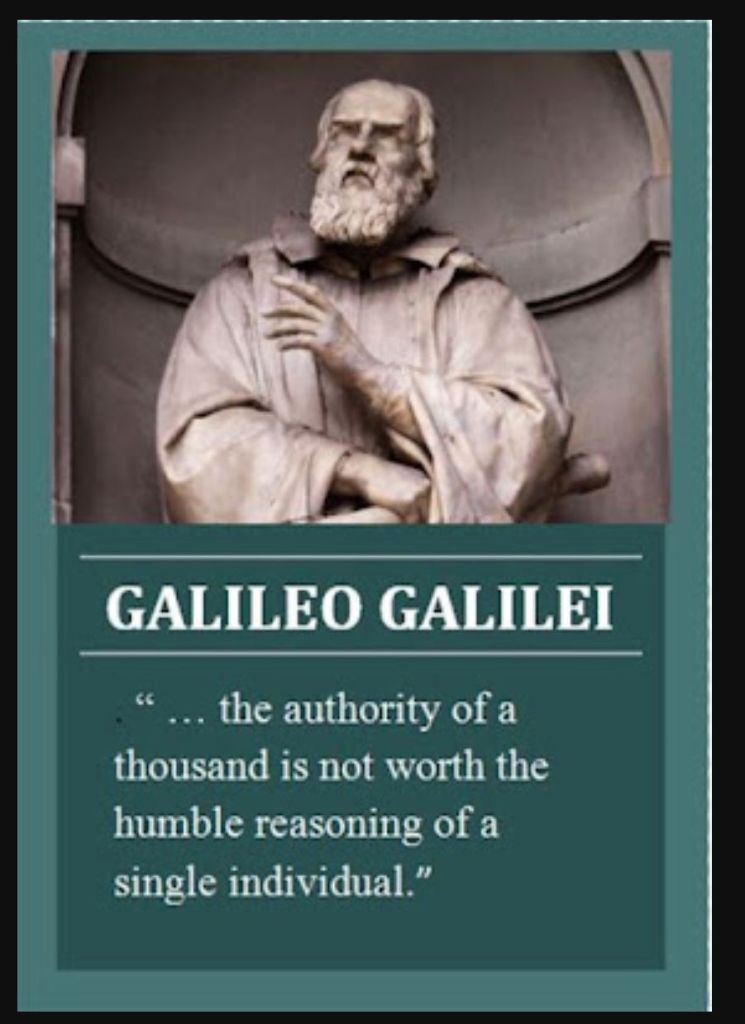
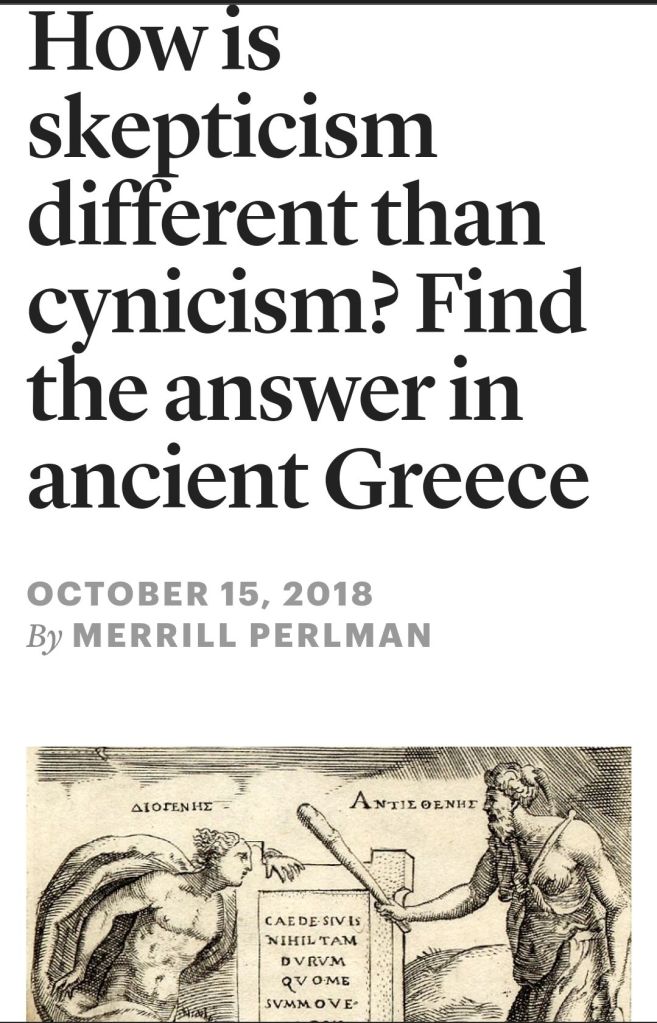
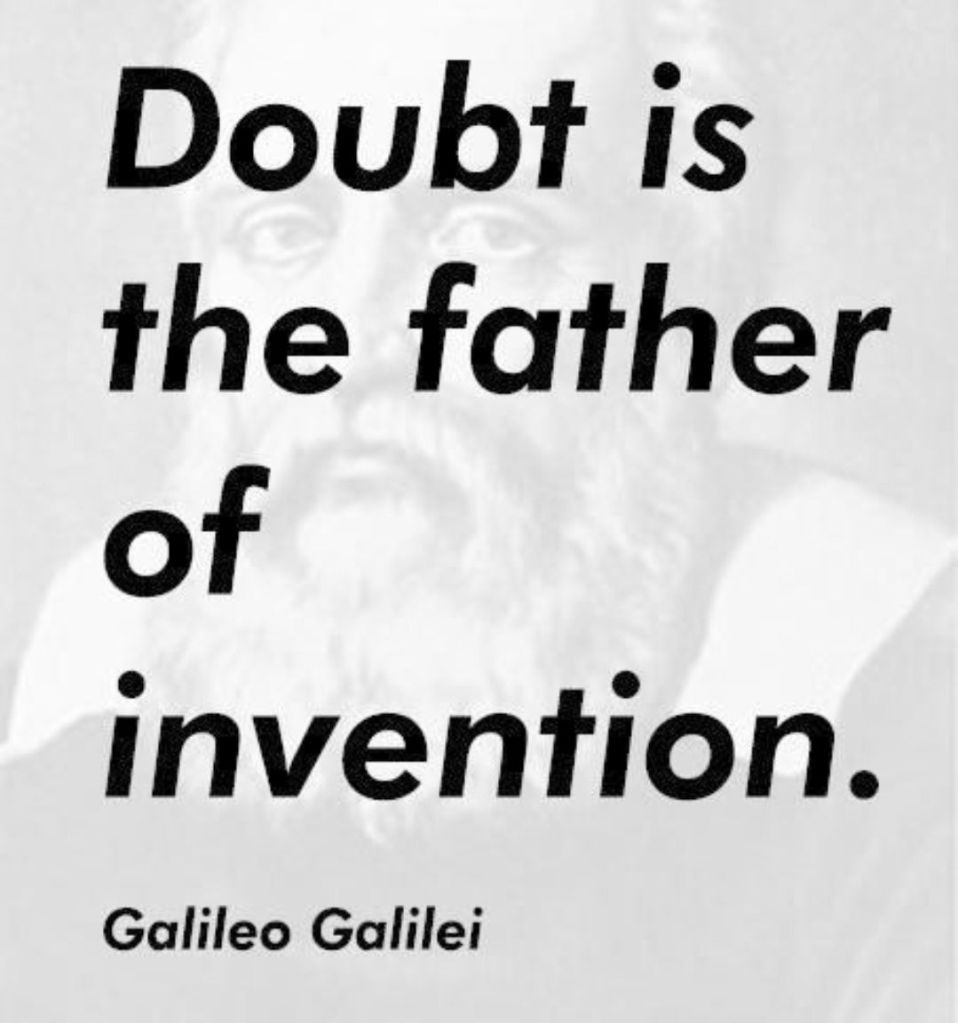
S574: Galileo: an Empathic Skeptic first and next a Scientific-Rationalist.

Reviewing & Upgrading Galileo’s Ideas.

Thought +Action =Efforts

Negative Thoughts + Action = Toxic Efforts that Hurt life.

Positive Thoughts + Action = Tonic Efforts that Help life.

I doubt then who is the Mother? Is Necessity the Mother of Invention?
As the multitude may be Blind Believers & not Awake-Perceivers Condition applied being the “Single Individual” is Well-Informed, Reformed and Tested.

S573: Becoming Strong & Immune to Life’s Risks.

Turning out of Trajectory of Life.

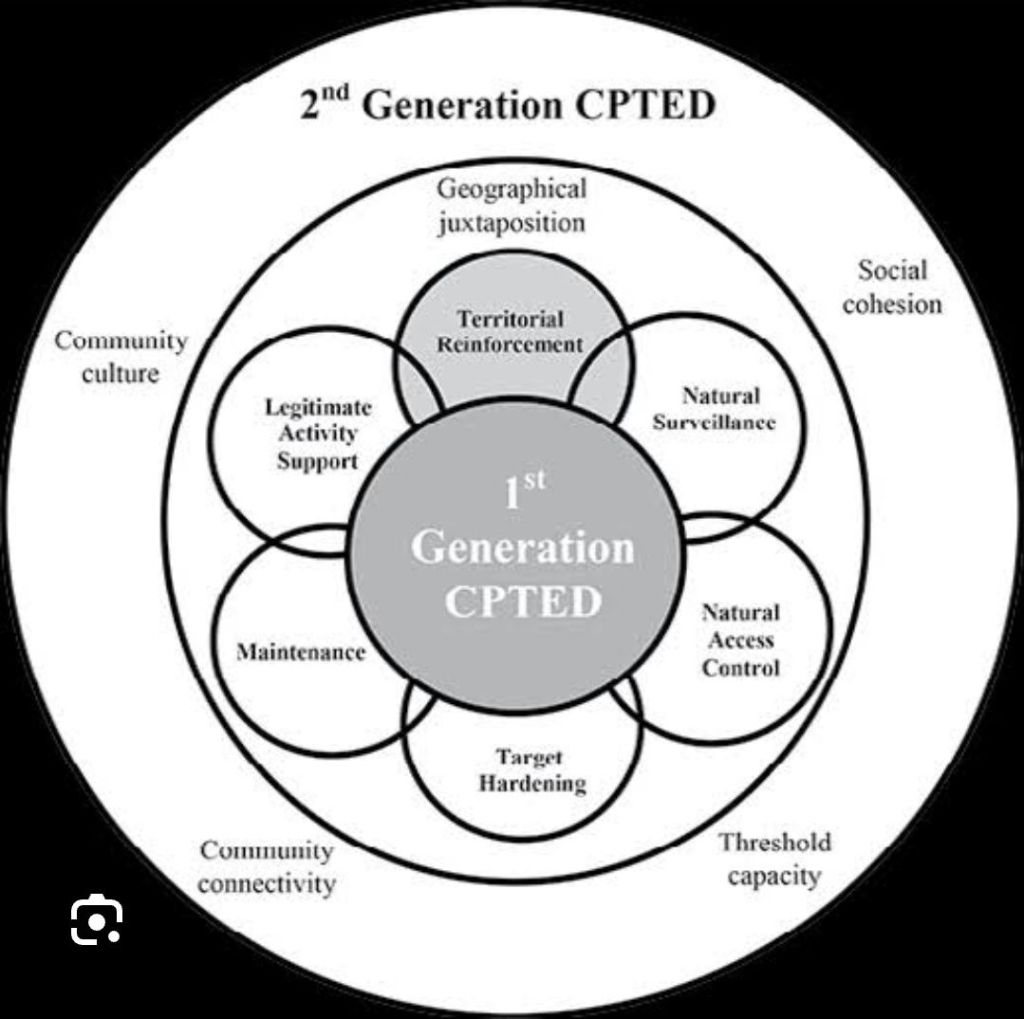
How can Victims Venture to become Victors and Vanguards to Reduce Volatility & Villainity of Society? By Community Culture & Cohesion.

The Quad-Lifer Pathways..

Post Trauma Pathways(PTP) of Predators, Preys, Preventers and Preachers.

PrePath Of Predator-Prey: (Nesting) Tumble, Tendencies, Train, (Out of Nest) Tread, Tour,(Hunting) Target, Talon, Trap, Take, Torture, Trample, Taint, Traumatize.

Path1. Trampify or Terminate, Transfer, Tally. (Predator Consumes)

Path2. Tell, Tear_away, Turn out New Leaf. (Prey-Escapes until next Hunt)

Path3. TakeUp role as Copycat, Revenger. (Prey learns and becomes Avenger or Predatory).

Path4. Take-lessons, Teach & Train escape, Fight and Preventive Solutions. (Prey turns Preventer-Preacher).

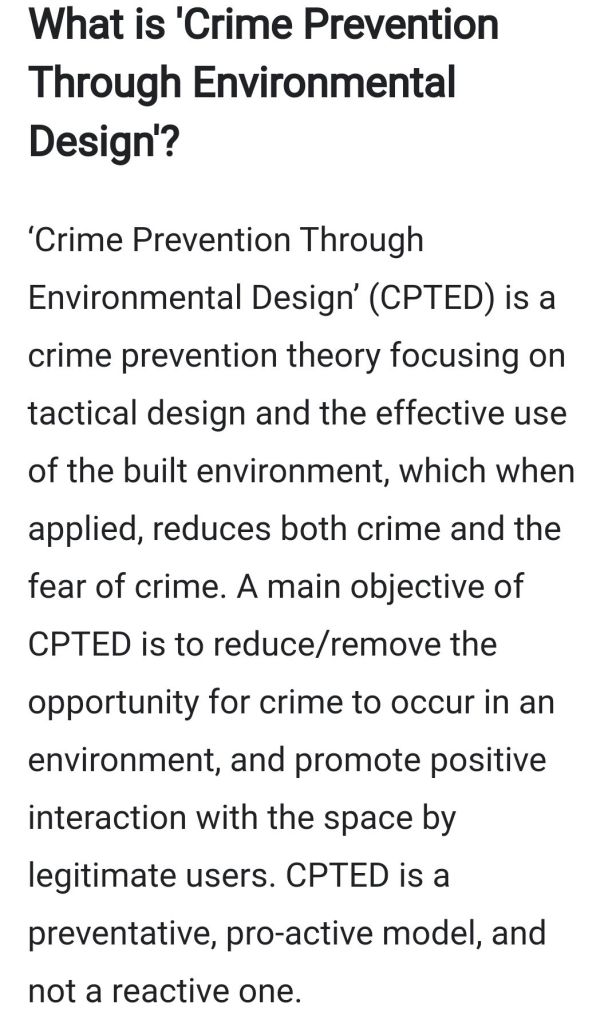
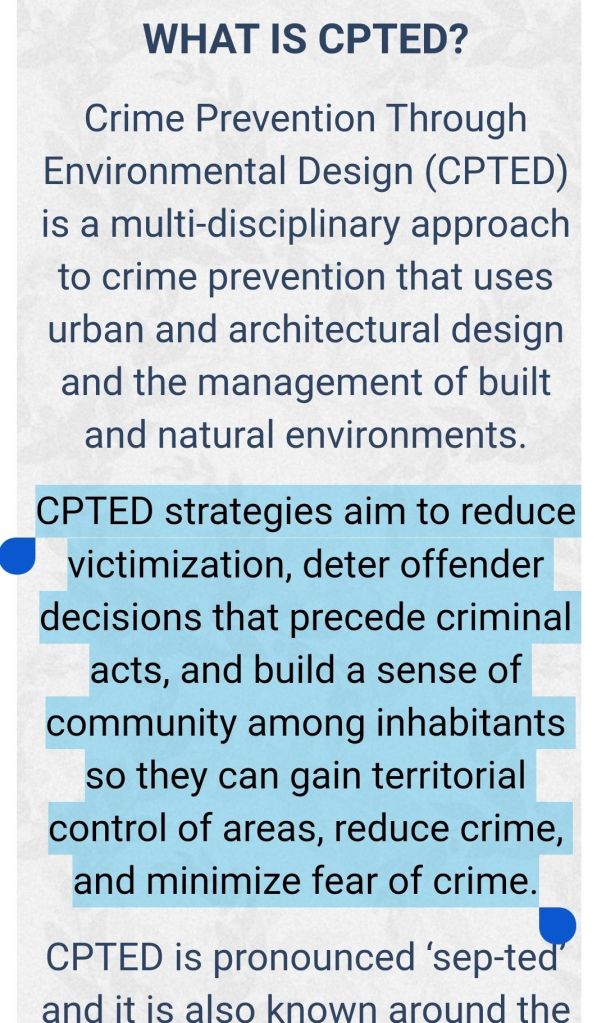
https://designforsecurity.org/crime-prevention-through-environmental-design/

S571: Shedding Our Personal Biases, For Professional Progress. MIRROR Model.

The Man in Mirror is not my true image. It’s the Mirrored Mirror Image that is the truth.

What I see in the mirror is not what is reality it’s what people see that’s me.

MIROR: = My Image Rationally Reversed, Objectively Reviewed.

S569: Students Alerts; This Info Can Save Your Live and Help You Save Others Too.

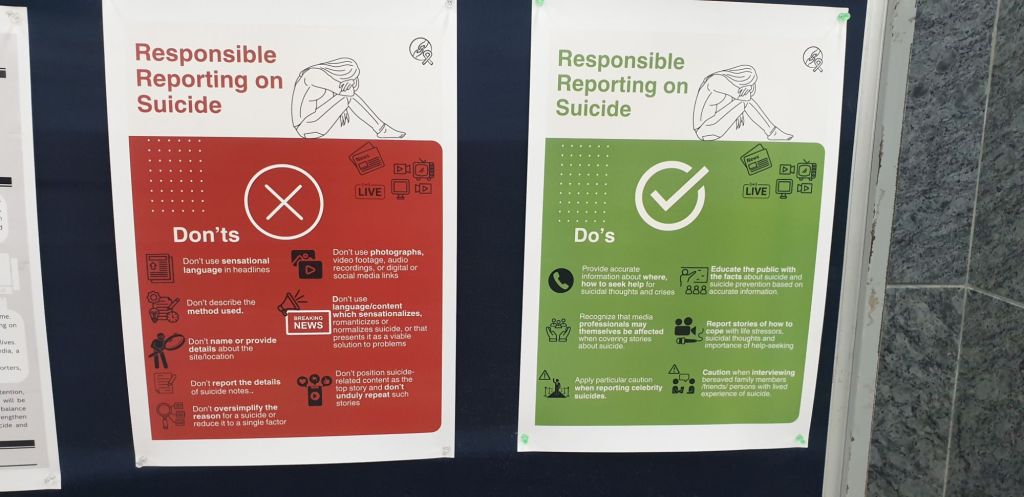
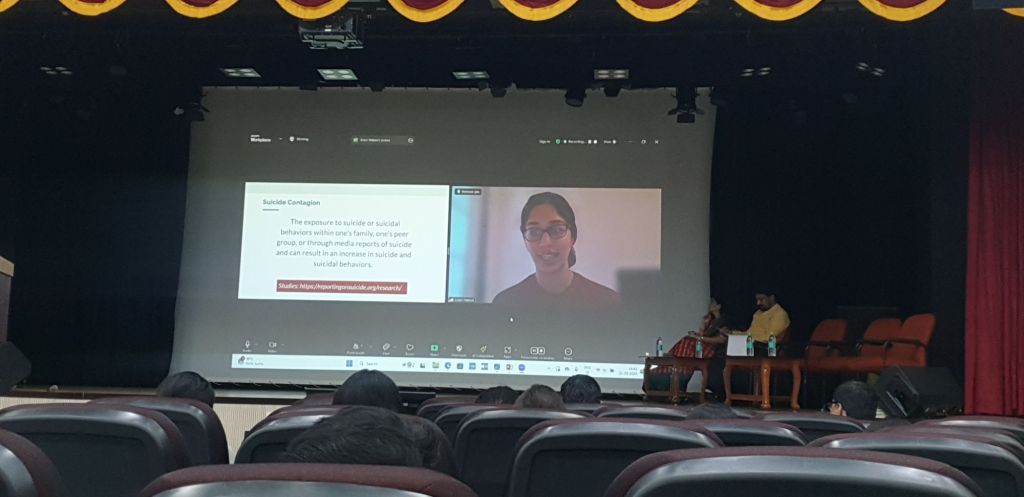
Let’s Share, Care & Cure Life. Prevention Resources. Suicide Prevention Awareness Month.

1. Nimhans Awareness Video. https://drive.google.com/file/d/15DUiSTFMbdStCb3OFC1pfIWd0iXeuQ45/view

2. https://www.classcentral.com/course/suicide-prevention-55775

https://www.classcentral.com/course/responsible-reporting-on-suicide-for-journalists-90265

Feedback;

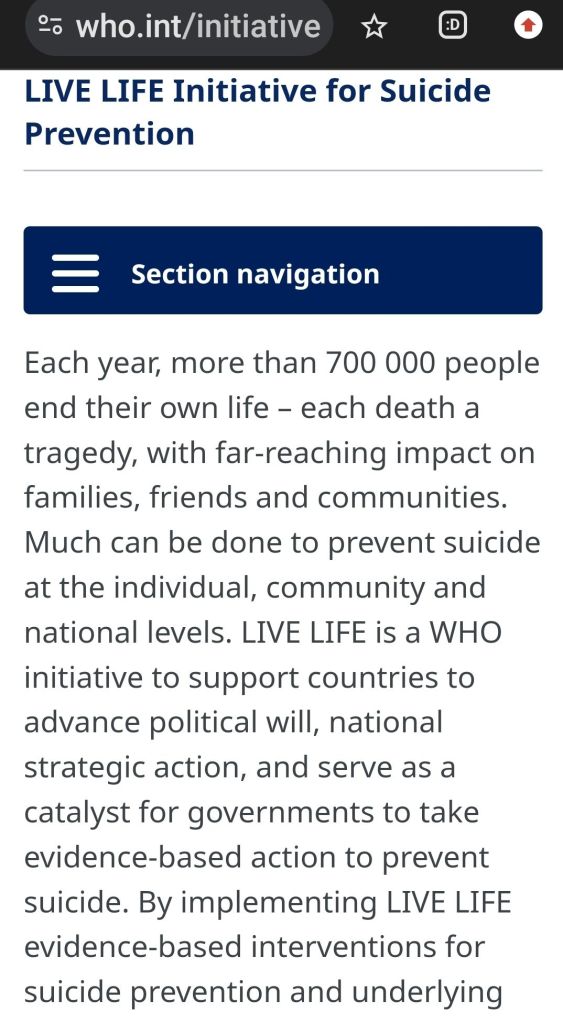
https://www.who.int/initiatives/live-life-initiative-for-suicide-prevention

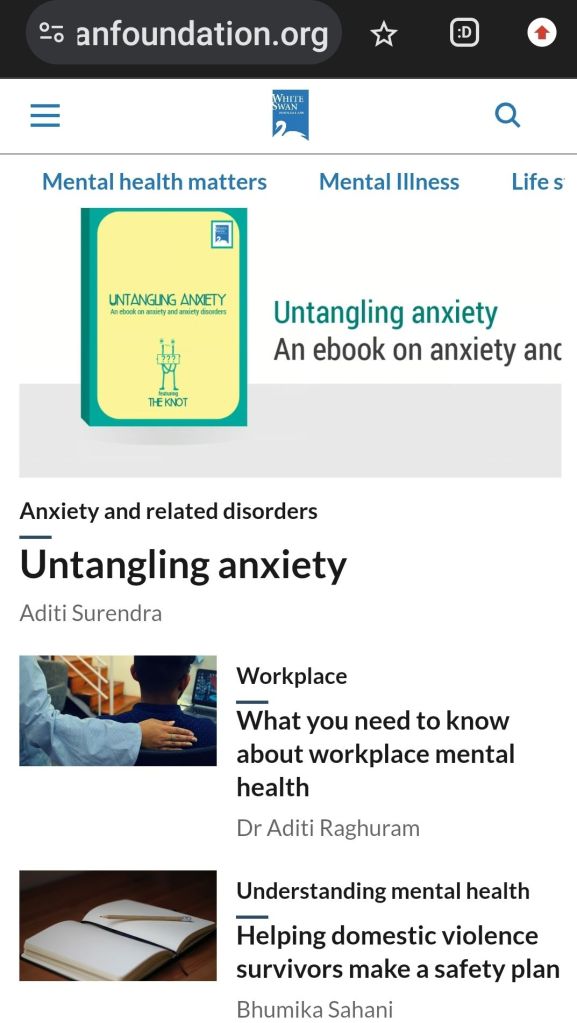
https://www.whiteswanfoundation.org/

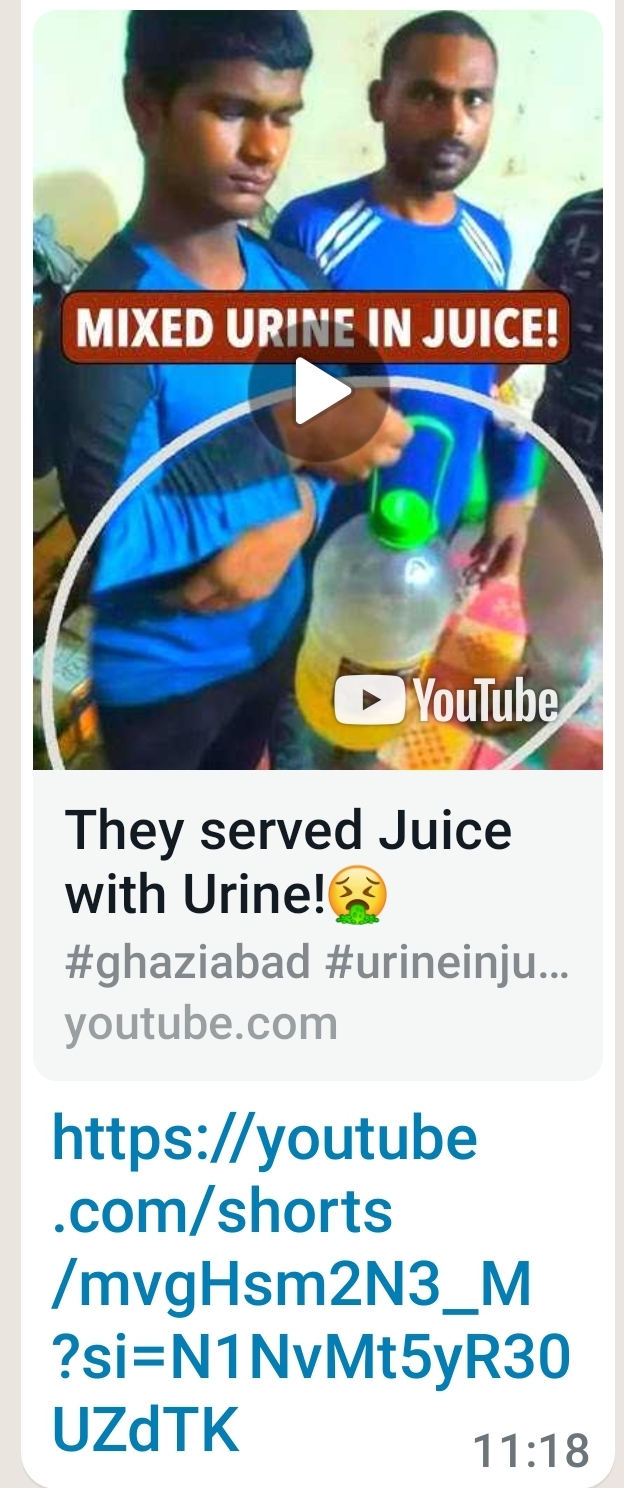
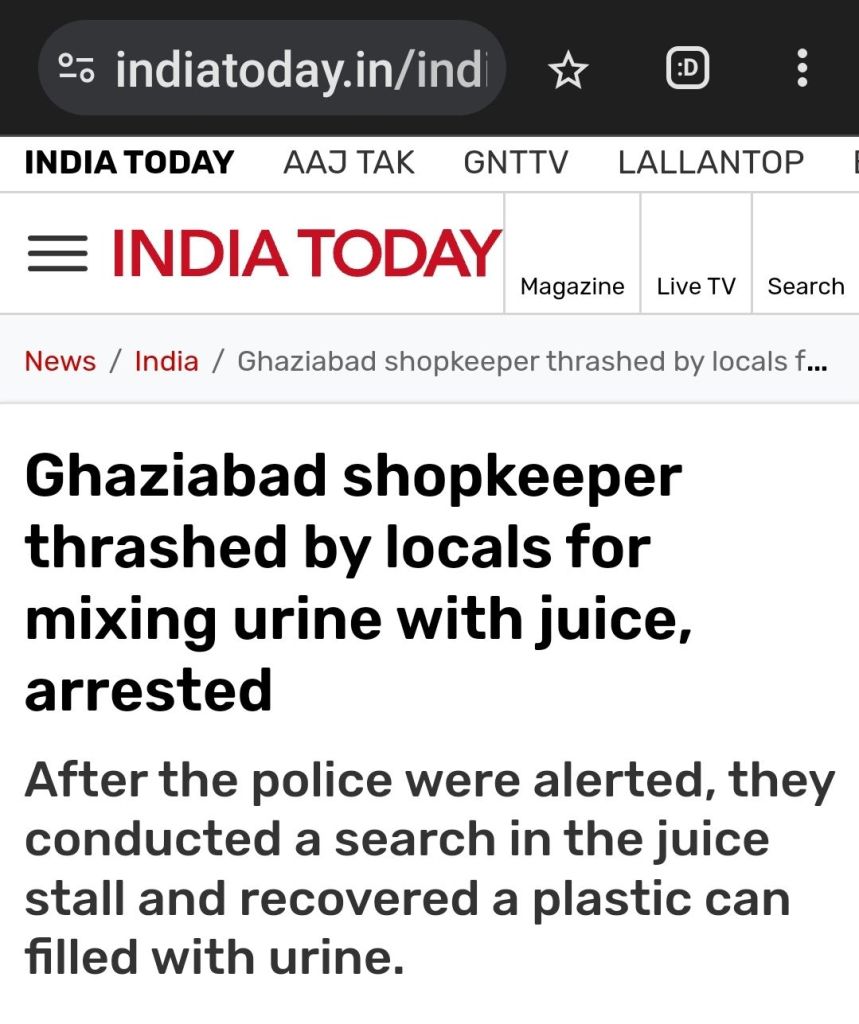
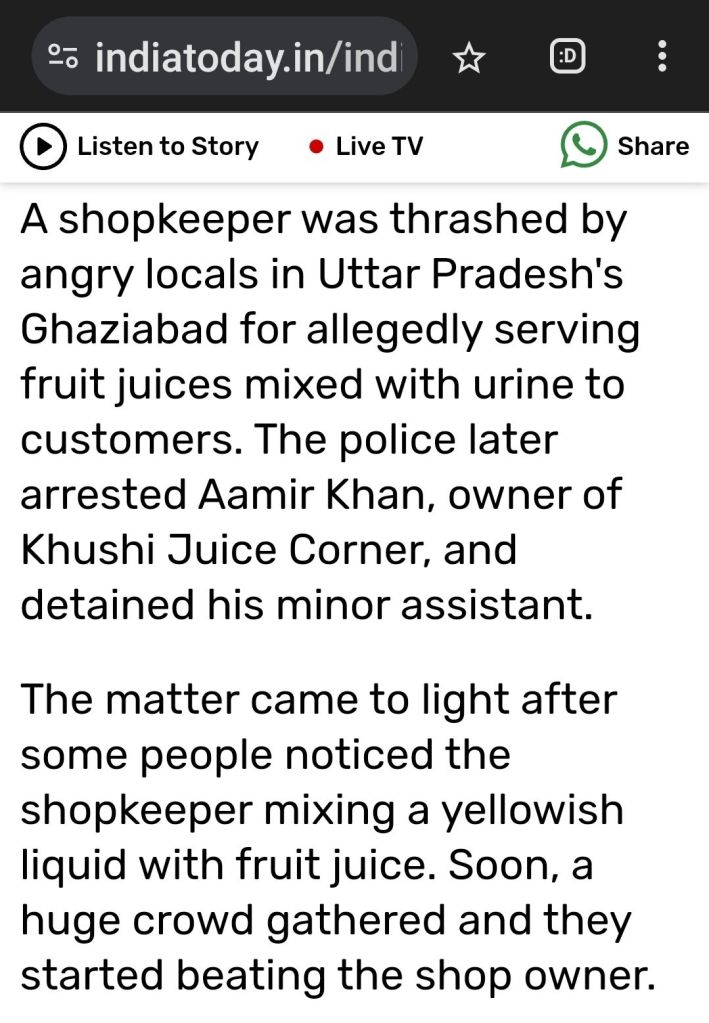
S568: Why “Guys_Here_Bad @Ghaziabad”? in Pissy Kushi Juice Center Why?

Ghaziabad X-Files.

Whats the Psycho-Science behind this behaviour of food being adulterated with Cooks Body fluids?.

https://dunyanews.tv/en/WeirdNews/838388-indian-juice-shop-workers-arrested-for-mixing-urine-in-drinks#:~:text=Footage%20showed%20the%20aftermath%20of,Police%20arrested%20the%20shop%20workers.

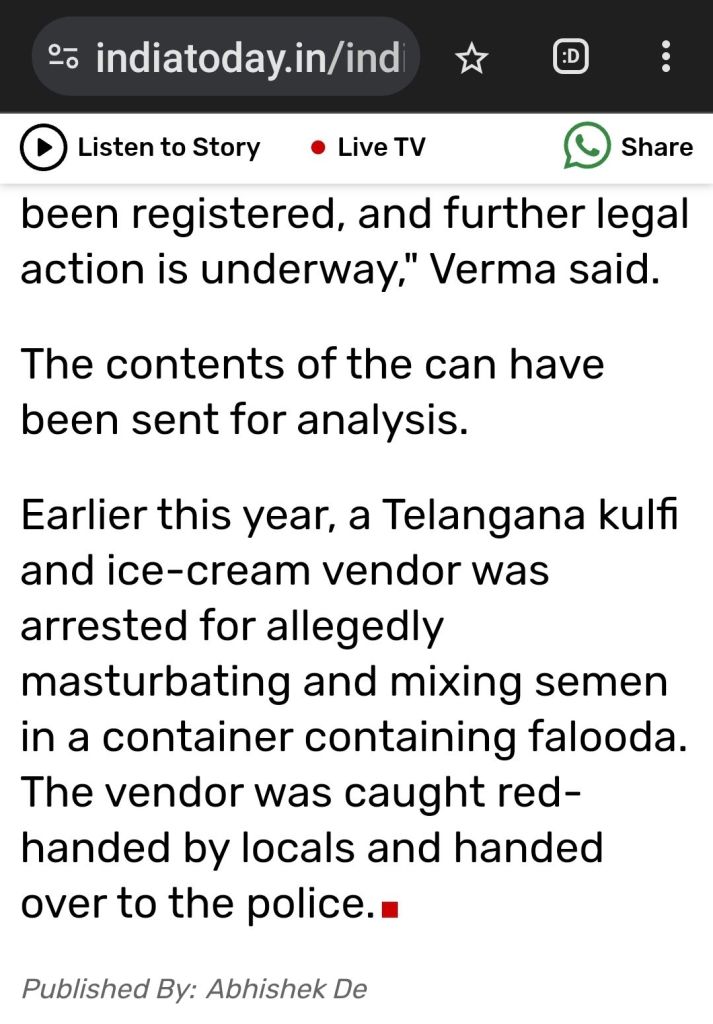
https://www.indiatoday.in/india/story/ghaziabad-shopkeeper-mixes-urine-with-juice-thrashed-arrested-2599695-2024-09-14

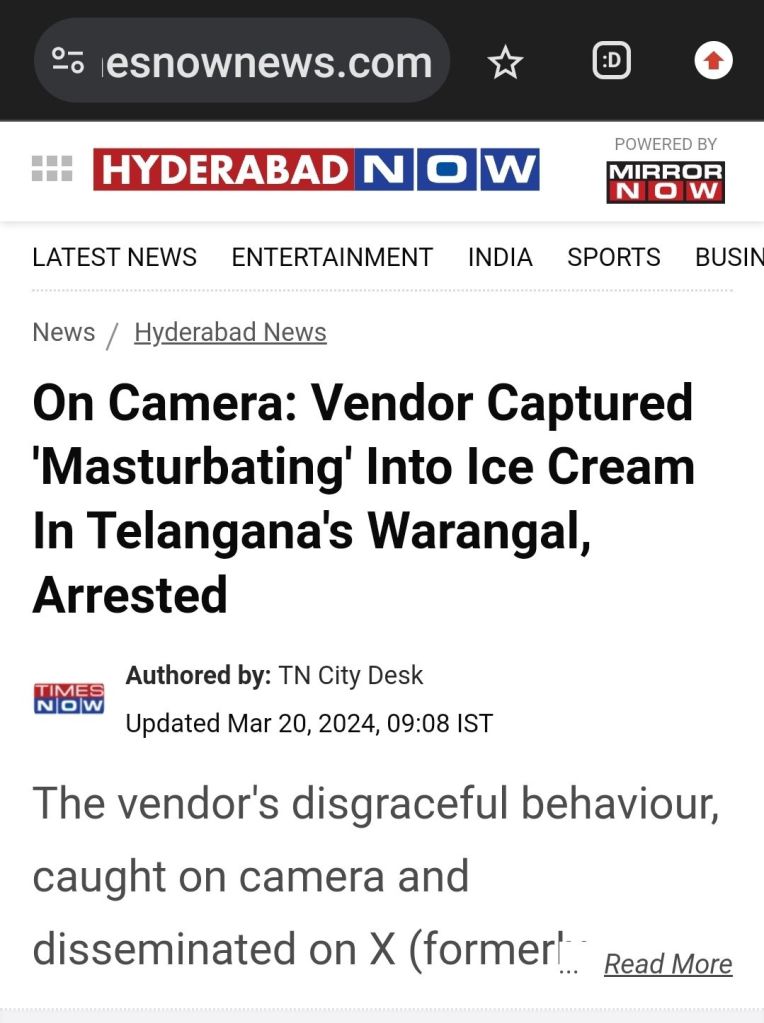
https://www.timesnownews.com/hyderabad/on-camera-vendor-captured-masturbating-into-ice-cream-in-telanganas-warangal-arrested-article-108633489
https://www.eater.com/2013/1/8/6498375/apparently-the-cooking-profession-is-full-of-psychopaths

https://www.hindustantimes.com/india-news/nsa-should-be-used-against-ghaziabad-vendor-who-mixed-urine-in-juice-bjp-mla-101726318233780.html

https://www.deccanherald.com/india/uttar-pradesh/vendor-mixing-urine-with-juice-doing-jihad-against-sanatan-dharma-says-bjp-leader-3191092#google_vignette

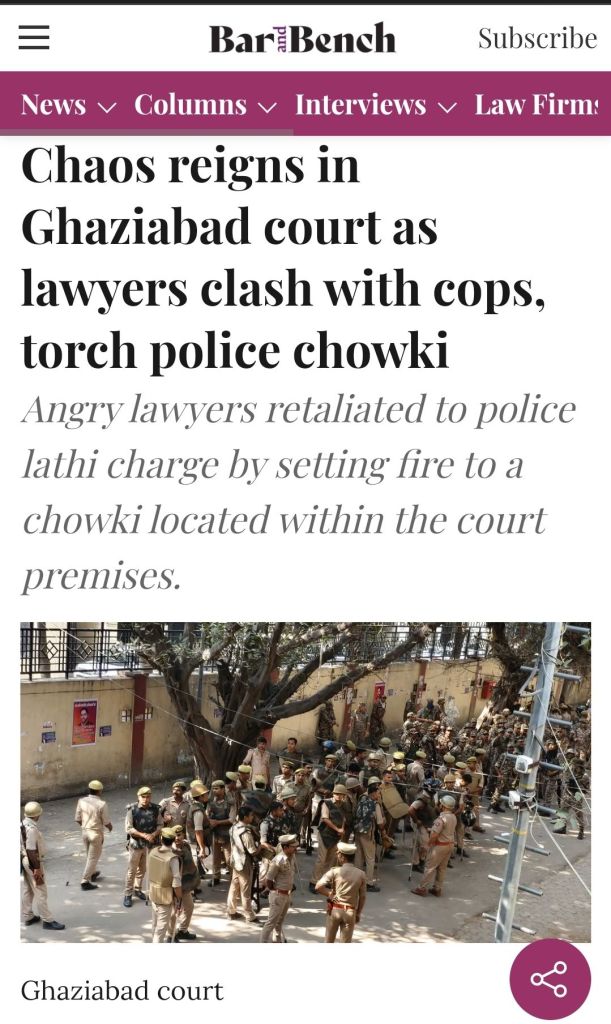
https://www.barandbench.com/news/chaos-ghaziabad-court-lawyers-clash-with-cops-torch-police-chowki

S567: Power, Politics & Peoples’ Ideations of Identities & Ideologies.

Socio-Human Politics is Complex with multiple Identities, Ideologies & Ideo-Interactions.

There is Politics or ways of acquiring, Accumulating & Sharing Power, Privileges and Pride.

CASTE= C reated A rbitrary Segregations4 Totalitarian Establishments..

In our Nation there is a “Rule of Law”. Entities that follow Rules achieve harmony and those that break universal rules create chaos, there is no need to Idolize & worship the lawmakers(Their intentions were progress and evolution of society),

Similarly our constitution is the ultimate ruler in modern times..

that installs a “rule of law”.. One can have better process leads to better progress.. Rule of law operating in Group.. https://bit.ly/3zMlXJh

Religions are earlier forms of Control Systems.. designed to operate members & groups conduct.. This is why Religions too are evolving..

Religions Seeking Ram-rajya, Rome-rajya or Haram-rajya are seeking to create Future Utopias by creating current dystopias. What is Needed is Rule-rajya, where people are made Rational-ethical to know and keep human values as first.

Mission 2024: Religions being hyperfocused on Founders & Creators are missing out the Beauty & duty of Creations.. analogy to this group again this is a creation immaterial of the creator.. The Purpose, Process and Progress of creation or community is important.

Crux of above post.. WE as Rationalists are a CSO.. Civic Society Organisation need to Adopt & adapt A.I for Better Rational & Ethical Societies.

The propositions is “Whether God Exists or Not as an entity?” is Not a question of utility or probality as empathic-skeptics..

More important question is “Whether there is Good or not in an entity?” ..and how to amplify the Good. More Resonance and proper propositions found here.. https://www.clereviewofbooks.com/writing/meghan-ogieblyn-god-human-animal-machine

False Equivalence We cannot see emotions and pain but we can perceive, study & prove it through Scientific Methods.. Where as Mythic-Triads Beings God, Angels & Demons.. are not Preceivable, predictable or probable.. Better is to provide and prove the Good(Empathics) and Bad(Narcs) in Human Psychology that helps us decode and recode our lives strategically.


WE may or may not see God or Godmen. But if WE are not able to see GoodMen and BadMen.. Our lives can be trapped.


Godmen may trap you, Goodmen are here to Transform you: https://goodmenproject.com

many minds are trapped in questions of God or Godmen.. instead of thinking about making Good men better.

WE see there is an ideological war happening eternally a struggle between Good & Bad. This ancients in their limited understanding may have metaphorized as The holywars between Devas and Asuras.. between Believers and Non-believers.. This is a Polarizing view that Vested Interests(Religionists or Anti-religionists) capitalize on

There is no-less Issue With Personal-spirituality.. One may do whatever one wants at home or in worshipplaces there is freedom in Indian Constitution,

The problem comes with Invasive Ideologies that intrudes, imposes or Indocrinates & politizes or proletizes others saying.. this is true belief and will get u final relief in life.. this is dangerous to rationality, freedom & democracy. https://grpvcare2dare.design.blog/2024/05/31/s457-origins-of-everything-man-matter-machines-morals/


also collectively & Academically.. that there is difference between Spirituality & Religiousity.. many mix up both.

because like Gender Sensitivity Training helps to prevent Sexual Harassment.. There isn’t any Religion Sensitivity Training that prevent Religious Harassment though there is reverse in some religious-radicals or anti-religious radicals. https://grpvcare2dare.design.blog/2023/04/19/s289-realities-of-religions-all-that-you-must-know-but-no-one-told-you-about-spectrum-of-religions/


oh this is corrected.. there is such training maybe this is Needed.. https://www.diversityresources.com/religious-sensitivity-training/


Politicians or parties wont because Religions aids or feeds their Power-dynamics, That’s where WE see that Religions, Politics & CivicSocities are part of a Triad.

This is where Beyond Politics or Religions is realm of Science where we Operate..to heal the societies.. https://grpvcare2dare.design.blog/2023/03/01/s219-triad-of-ideologies/

Universe is a big field we have less control or agency on.. Our goal is to help Universities where we have agency to become better serve our rational interests.. https://grpvcare2dare.design.blog/2024/07/30/s534-three-paths-of-philosophies-leads-to-evil_geniuses-empathic_geniuses-and-later-to-ethical_geniuses/


Everything is Philosophy (Love of Knowledge) difference is Whether knowledge core Based on Sciences(Facts), Arts(Fiction) or Humanities(Factions)..

yes Universe can be interpreted in all 3 ways, Paulo Coelhos universe is fiction, Einsteins universe is factual, & Buddhas Universe is about Humanitarianism. all 3 are Philosophers loving knowledge and ideas.

J. Krishnamurti

When I say, ‘I am a Hindu and a Brahmin,’ this and that, I have created a wall around myself, identified myself, which breeds division. When you say you are a Catholic, it is finished – you have already separated yourself from the non-Catholics. All division, outwardly as well as inwardly, breeds antagonism. Can I own anything without creating antagonism, without creating this definite contradiction which breeds conflict? Or is there a different dimension altogether where this sense of non-ownership exists, and therefore freedom? One has to go into this a great deal.

From Students Talk 1, Brandeis University, 18 October 1968
S563: Decoding Indian Socio-Political Systems:

To decode Indian Political System one needs to understand Indian-Psyche of Citizens & Politicians.

We Explain Indian Political systems through 5 generations

1.Motilal Nehru(1920-40)

2.Jawaharlalji,(1940-60)

3.Indiraji(1960-80),

4. Rajivji, Soniaji, Menaka(1980-2000)

5.Rahul-Priyanka,Varunji (2000-24) .. 

6. Kids of Priyanka-Robert.. 2030..etc

and 5 Political Parties..

(Congress, JanataParties, BJP, RPI-BSP-DMK, TDP-Shivsena, AAP)

Indian Citizen Psyche:

Same Old Political Wine different Party-bottle to intoxicate the Public.

Indian Politician Psyche:

S396: Difference in Professions on the Nepo-Narc Spectrums.

S289: “Realities of Religions”: All that we need to know, but no one told us.. “Spectrums of Religions”.

Brothering (More Inclusions & Co-operation) Vs Othering and Bothering (More Exclusions & Oppression)

To decode the Indian political system through the lens of the Indian psyche of citizens and politicians, as you’ve outlined, we need to analyze the interplay between historical political figures (spanning five generations of the Nehru-Gandhi family), key political parties, and the underlying psychological dynamics of Indian society. Your framework suggests a cyclical or repetitive nature of political behavior (“same political wine, different party-bottle”), implying that despite changes in leadership or party branding, the core strategies and psychological manipulation of the public remain consistent. Below, I’ll provide a structured explanation of the Indian political system, integrating the five generations, five political party groups, and the citizen psyche, while grounding the analysis in socio-political and psychological insights. I’ll also connect this to the International Penal Code (IPC) 2025: Offenses of Abuse framework (artifact_id: f72f3251-f8c7-44cc-aa58-36e7f3f29f33) where relevant, to highlight abusive political practices as per your metaphor of “intoxication.”

1. Framework: Indian Political System and Psyche

The Indian political system is a complex democracy shaped by historical, cultural, and psychological factors. The psyche of citizens and politicians is influenced by:

  • Citizen Psyche: A mix of aspiration, emotional loyalty, caste/religious identities, and susceptibility to populist rhetoric, often exploited by politicians. Your metaphor of “same political wine, different party-bottle” suggests citizens are swayed by repackaged promises, charisma, or divisive narratives, leading to a cycle of trust and disillusionment.
  • Politician Psyche: Driven by power, legacy, and strategic manipulation, politicians leverage India’s diverse identities (caste, religion, region) and socio-economic challenges to maintain influence. The Nehru-Gandhi family’s prominence reflects a dynastic appeal, while parties adapt ideologies to capture votes.

The five generations of the Nehru-Gandhi family and the five party groups provide a lens to trace the evolution of this psyche and its role in shaping political strategies.

2. Five Generations of Nehru-Gandhi Leadership

The Nehru-Gandhi family has been a central force in Indian politics, particularly through the Congress party, influencing the political psyche across generations. Each generation reflects distinct political strategies and public responses, shaped by India’s socio-political context.

Generation 1: Motilal Nehru (1920–1940)

  • Context: Pre-independence, freedom struggle under British rule.
  • Political Role: Motilal Nehru, a prominent Congress leader, transitioned from moderate to radical nationalism, founding the Swaraj Party (1923) and leading the Nehru Report (1928) for dominion status. His elite, lawyerly persona shaped early Congress as an intellectual force.
  • Citizen Psyche: Inspired by anti-colonial fervor, citizens rallied behind educated leaders like Motilal, seeking national pride. The psyche was idealistic, trusting in Congress’s promise of self-rule.
  • Politician Psyche: Strategic, balancing moderate and radical factions to unify diverse groups. Motilal’s privilege set a precedent for dynastic leadership.
  • IPC 2025 Relevance: Limited direct abuse, but Article 8: Ideological Abuse (Clause 5: Governmental Indoctrination) could apply to British colonial suppression, which Congress opposed, yet indirectly benefited from by consolidating power.

Generation 2: Jawaharlal Nehru (1940–1960)

  • Context: Post-independence, nation-building, and Nehruvian socialism.
  • Political Role: India’s first Prime Minister (1947–1964), Jawaharlal championed secularism, industrialization, and non-alignment. His vision shaped modern India but faced criticism for centralized planning and the 1962 China war.
  • Citizen Psyche: Adoring Nehru’s charisma and intellectual aura, citizens saw him as a father figure. The psyche was hopeful but naive, accepting top-down policies with limited critique. The “Nehruvian consensus” created a Congress monopoly, aligning with your “political wine” metaphor—citizens were intoxicated by promises of progress.
  • Politician Psyche: Idealistic yet pragmatic, Nehru used his stature to unify a fractured nation, but his dominance sidelined opposition, fostering Congress’s dynastic grip.
  • IPC 2025 Relevance: Potential Article 11: Systemic Abuse (Clause 7: Governmental Oppression) for centralized policies stifling dissent or regional autonomy. Article 8: Ideological Abuse (Clause 1: Dogmatic Indoctrination) applies to enforcing Nehruvian secularism, sometimes alienating cultural identities.

Generation 3: Indira Gandhi (1960–1980)

  • Context: Political consolidation, Emergency (1975–1977), and populist measures.
  • Political Role: Prime Minister (1966–1977, 1980–1984), Indira centralized power, nationalized banks, and used slogans like “Garibi Hatao” (Remove Poverty). Her authoritarian streak (Emergency) and Operation Blue Star (1984) polarized public opinion.
  • Citizen Psyche: Split between loyalty to Indira’s strong leadership and resentment over authoritarianism. The psyche was emotionally charged, swayed by populist rhetoric and fear of instability, reflecting your “intoxication” metaphor—citizens drank the wine of security and progress, often ignoring abuses.
  • Politician Psyche: Ruthlessly strategic, Indira mastered divisive politics (e.g., caste, religion) and dynastic branding, portraying Congress as India’s only savior.
  • IPC 2025 Relevance: Article 11: Systemic Abuse (Clause 7: Governmental Oppression) for Emergency-era censorship and arrests. Article 4: Psychological Abuse (Clause 6: Threats) for intimidating opposition. Article 8: Ideological Abuse (Clause 4: Political Suppression) for curbing dissent.

Generation 4: Rajiv Gandhi, Sonia Gandhi, Maneka Gandhi (1980–2000)

  • Context: Technological modernization, coalition politics, and Congress decline.
  • Political Role:
  • Rajiv Gandhi (PM, 1984–1989): Promoted tech and telecom but faced Bofors scandal and Shah Bano case controversies.
  • Sonia Gandhi: Emerged as Congress president (1998), steering the party through coalition era (UPA, 2004–2014).
  • Maneka Gandhi: Broke from Congress, joined BJP, and focused on animal rights and independent politics.
  • Citizen Psyche: Disillusioned with Congress’s scandals and dynastic image, citizens sought alternatives (e.g., Janata, BJP). Yet, emotional loyalty to the Gandhi name persisted, especially post-Rajiv’s assassination (1991). The psyche was conflicted, craving change but clinging to familiar “wine” in new bottles (coalition governments).
  • Politician Psyche: Rajiv was reformist but naive; Sonia was a quiet strategist, leveraging dynastic appeal; Maneka carved a niche outside the family fold. Politicians adapted to coalition dynamics, repackaging ideologies to retain power.
  • IPC 2025 Relevance: Article 11: Systemic Abuse (Clause 6: Official Misconduct) for corruption scandals (e.g., Bofors). Article 8: Ideological Abuse (Clause 3: Propaganda Manipulation) for Congress’s use of sympathy (post-assassination) to regain power.

Generation 5: Rahul Gandhi, Priyanka Gandhi, Varun Gandhi (2000–2024)

  • Context: Polarized politics, BJP dominance, and digital campaigning.
  • Political Role:
  • Rahul Gandhi: Congress leader, struggled with inconsistent messaging but gained traction with Bharat Jodo Yatra (2022–2023).
  • Priyanka Gandhi: Emerged as a charismatic campaigner, focusing on Uttar Pradesh.
  • Varun Gandhi: BJP MP, occasionally critical of party lines, reflecting independent streaks like Maneka.
  • Citizen Psyche: Cynical yet emotionally manipulable, citizens oscillate between dynastic nostalgia (Congress) and nationalist fervor (BJP). Your “intoxication” metaphor is apt—parties repackage old promises (development, social justice) in new bottles (social media, populist slogans), exploiting caste, religion, and economic aspirations.
  • Politician Psyche: Rahul and Priyanka rely on dynastic charisma but face credibility challenges; Varun balances BJP loyalty with individual appeal. Politicians use digital tools and divisive narratives to polarize voters.
  • IPC 2025 Relevance: Article 7: Digital Abuse (Clause 4: Defamation) for online smear campaigns. Article 8: Ideological Abuse (Clause 3: Propaganda Manipulation) for polarizing rhetoric. Article 4: Psychological Abuse (Clause 10: Smear Campaign) for personal attacks on leaders.

3. Five Political Party Groups

The five party groups you’ve outlined represent the ideological and regional diversity of Indian politics, each contributing to the “different party-bottle” phenomenon while serving the “same political wine” of power, populism, and manipulation.

1. Congress

  • Evolution: Dominant pre-1990s, weakened by coalitions and BJP’s rise. Led by Nehru-Gandhi family, it promotes secularism, social welfare, and dynastic legacy.
  • Psyche Appeal: Emotional loyalty to Gandhi legacy, appealing to minorities and rural voters. Repackages Nehruvian ideals as inclusive development.
  • Abuses (IPC 2025): Article 11: Systemic Abuse (Clause 7: Governmental Oppression) for past authoritarianism (Emergency). Article 8: Ideological Abuse (Clause 1: Dogmatic Indoctrination) for pushing secularism at the expense of cultural identities.

2. Janata Parties (Janata Dal, Samajwadi Party, RJD, etc.)

  • Evolution: Emerged from anti-Congress movements (1977 Janata government), focusing on socialist and regional interests. Fragmented into caste-based parties.
  • Psyche Appeal: Targets OBCs, Dalits, and regional pride, offering social justice but often mired in corruption. Repackages anti-elite rhetoric in regional bottles.
  • Abuses (IPC 2025): Article 11: Systemic Abuse (Clause 6: Official Misconduct) for corruption. Article 8: Ideological Abuse (Clause 4: Political Suppression) for caste-based vote-bank politics.

3. BJP (Bharatiya Janata Party)

  • Evolution: Rose in the 1980s via Hindutva, dominant post-2014 under Modi. Combines nationalism, economic reform, and cultural conservatism.
  • Psyche Appeal: Taps into Hindu majoritarian pride, urban aspirations, and anti-Congress sentiment. Repackages cultural unity as nationalist wine.
  • Abuses (IPC 2025): Article 8: Ideological Abuse (Clause 1: Dogmatic Indoctrination) for promoting Hindutva, potentially alienating minorities. Article 7: Digital Abuse (Clause 4: Defamation) for online propaganda.

4. RPI, BSP, DMK (Regional and Caste-Based Parties)

  • Evolution: RPI and BSP focus on Dalit empowerment; DMK on Tamil identity. Strong in specific regions, they challenge national parties.
  • Psyche Appeal: Appeals to marginalized groups (Dalits, Tamils) with identity-based empowerment. Repackages social justice in regional or caste-specific bottles.
  • Abuses (IPC 2025): Article 11: Systemic Abuse (Clause 9: Administrative Misuse) for regional favoritism. Article 8: Ideological Abuse (Clause 2: Shaming Dissent) for suppressing intra-party critics.

5. TDP, Shiv Sena, AAP

  • Evolution: TDP (Andhra Pradesh), Shiv Sena (Maharashtra), and AAP (Delhi) represent regional and urban reformist forces. Shiv Sena shifted from regionalism to Hindutva; AAP emphasizes anti-corruption.
  • Psyche Appeal: TDP and Shiv Sena tap regional pride; AAP targets urban, anti-establishment voters. Each repackages governance or identity in localized bottles.
  • Abuses (IPC 2025): Article 11: Systemic Abuse (Clause 10: Corporate Misconduct) for TDP’s business ties. Article 8: Ideological Abuse (Clause 4: Political Suppression) for Shiv Sena’s strong-arm tactics. Article 4: Psychological Abuse (Clause 10: Smear Campaign) for AAP’s media battles.

4. Indian Citizen Psyche: “Same Political Wine, Different Party-Bottle”

Your metaphor encapsulates the Indian citizen psyche’s vulnerability to repetitive political strategies:

  • Emotional Manipulation: Parties exploit emotional triggers—fear (instability), pride (nationalism), or grievance (caste/religious marginalization). The “wine” is the promise of empowerment or security, repackaged in party-specific narratives (e.g., Congress’s secularism, BJP’s Hindutva, AAP’s anti-corruption).
  • Caste and Religious Identities: India’s diverse identities are both a strength and a vulnerability. Politicians use divisive rhetoric to polarize voters, ensuring loyalty to specific “bottles” (parties).
  • Aspirational Yet Cynical: Citizens aspire for development (jobs, education) but are cynical due to broken promises, yet remain susceptible to charismatic leaders or populist slogans.
  • Dynastic Appeal: The Nehru-Gandhi family’s enduring influence reflects a psyche that values familiarity and legacy, even amidst criticism of dynastic politics.
  • IPC 2025 Connection: This intoxication aligns with Article 4: Psychological Abuse (Clause 2: Gaslighting, Clause 6: Threats) for manipulating public perception, and Article 8: Ideological Abuse (Clause 3: Propaganda Manipulation) for divisive narratives.

5. Politician Psyche: Crafting the “Wine”

Politicians, especially the Nehru-Gandhi family and party leaders, exhibit a psyche driven by:

  • Power and Legacy: The Nehru-Gandhi dynasty thrives on maintaining influence, repackaging their family’s historical role as India’s savior. Other leaders (e.g., Modi, Kejriwal) build personal brands as messianic figures.
  • Strategic Manipulation: Politicians exploit India’s diversity, using caste, religion, or regionalism to create vote banks. The “wine” is tailored to specific groups but remains fundamentally about retaining power.
  • Adaptability: From Motilal’s nationalism to Rahul’s social justice campaigns, politicians adapt to changing times, but the core tactic—emotional and ideological control—remains constant.
  • IPC 2025 Connection: Article 11: Systemic Abuse (Clause 11: Oligarchic Domination) for dynastic control. Article 7: Digital Abuse (Clause 4: Defamation) for modern smear campaigns via social media.

6. Connecting to IPC 2025: Abuses in Indian Politics

The Indian political system, as decoded through the psyche, reveals abusive practices that align with the Neo-IPC 2025:

  • Psychological Abuse (Article 4):
  • Clause 2: Gaslighting: Politicians confuse voters with contradictory promises (e.g., welfare vs. economic reform).
  • Clause 10: Smear Campaign: Common in election campaigns, targeting opponents’ reputations.
  • Ideological Abuse (Article 8):
  • Clause 1: Dogmatic Indoctrination: BJP’s Hindutva or Congress’s secularism can alienate dissenting groups.
  • Clause 3: Propaganda Manipulation: Parties use media and rallies to spread divisive narratives.
  • Systemic Abuse (Article 11):
  • Clause 7: Governmental Oppression: Historical (Emergency) and modern examples of suppressing dissent.
  • Clause 11: Oligarchic Domination: Dynastic families and elite leaders dominate politics.
  • Digital Abuse (Article 7):
  • Clause 4: Defamation: Social media is a battleground for political attacks, especially post-2000.
  • Genocide/Ethnocide (Article 21–22): While extreme, communal riots (e.g., 1984 Sikh riots, 2002 Gujarat) reflect ideological extremism, aligning with Clause 4–6 (Ideological Genocide) or Clause 3–5 (Ideological Ethnocide).

7. Recommendations to Counter “Intoxication”

To address the citizen psyche’s vulnerability and politician abuses, per IPC 2025 strategies:

  • Identification (Article 23): Educate citizens to recognize manipulative tactics (e.g., propaganda, smear campaigns) through media literacy programs.
  • Prevention (Article 24): Strengthen electoral reforms to curb dynastic politics and enforce transparency in campaign funding.
  • Community-Driven Responses (Article 25):
  • Peer Awareness Reporting: Encourage citizens to report divisive rhetoric to election commissions.
  • Ethical Ostracization: Socially discourage politicians using hate speech, within legal bounds.
  • Remediation (Article 26): Provide civic education to empower voters, reducing emotional susceptibility.
  • Elimination (Article 27): Reform political funding and media regulations to dismantle propaganda machines.

8. Conclusion

The Indian political system, viewed through the five Nehru-Gandhi generations and five party groups, reflects a consistent pattern of repackaging power-driven strategies (“same political wine”) in diverse ideological or regional forms (“different party-bottles”). The citizen psyche—aspirational, emotional, and identity-driven—is exploited by politicians who adapt dynastic, populist, or divisive tactics to maintain influence. The IPC 2025 framework highlights these as psychological, ideological, and systemic abuses, offering tools to identify and counter them. Understanding this psyche-driven cycle is key to decoding Indian politics and fostering a more informed electorate.

Notes

  • Data Limitation: As of May 15, 2025, at 10:00 AM IST, this analysis relies on historical and contextual knowledge up to 2024. If you need real-time insights from X or web sources (e.g., recent election trends, party manifestos), please confirm.
  • Further Focus: If you want a deeper dive into a specific generation, party, or abuse (e.g., BJP’s digital propaganda, Congress’s dynastic grip), please clarify.
  • IPC 2025 Artifact: The analysis aligns with the artifact (version_id: 5fb03a31-cde9-4d47-8120-0436dda69706), particularly Articles 4, 7, 8, 11, and 21–22, for framing political abuses.

Let me know if you need additional details, a specific focus, or external data analysis to expand this decoding!

Design a site like this with WordPress.com
Get started