S834: VishwaManava Equation of Kuvempu. State Poet of Suvarna Karnataka. GROK.A.I

Is VishwaManava a Prerequisite for becoming VishwaGurus?

With reference to concept of Vishwamanava  of Kuvempu in Kannada philosophy.. come up with an equation for Vishwamanava.

Kuvempu’s concept of Vishwamanava (Universal Human) in Kannada philosophy emphasizes transcending artificial boundaries like caste, religion, language, and nationality to embrace a shared humanity rooted in equality, justice, and universal consciousness. It’s a call to rise above divisive identities and cultivate a holistic, inclusive worldview through education, introspection, and spiritual freedom. Creating an equation to represent Vishwamanava involves abstracting this philosophy into symbolic terms that capture its essence.

Let’s define Vishwamanava as a state of human consciousness (V). Kuvempu suggests every person is born with the potential for universality but is shaped by societal constructs into a limited version of themselves (Alpamanava, or diminished human). The journey to Vishwamanava involves shedding these constraints and expanding one’s awareness.

Proposed Equation

V = (I + E) × (T – B) [The VishwaManava Equation].

Where:

  • V = Vishwamanava (Universal Human Consciousness)
  • I = Innate Potential (the inherent universal essence in every human at birth)
  • E = Education (broadly defined as knowledge, introspection, and experiences that foster awareness)
  • T = Transcendence (the ability to rise above divisive identities like caste, religion, or nationality)
  • B = Barriers (social, cultural, and psychological constructs that limit universality, e.g., prejudice, dogma)

Explanation

  1. Innate Potential (I): Kuvempu believed humans are born as Vishwamanava—pure, untainted by division. This is the baseline potential for universality.
  2. Education (E): Education, in its truest sense, includes rational thought, cultural exposure, and self-reflection. It amplifies innate potential by equipping individuals to question and understand beyond their immediate context.
  3. Transcendence (T): This represents the conscious effort to move beyond limiting identities. It’s the active rejection of boundaries that separate humanity.
  4. Barriers (B): These are the societal forces—dogma, inequality, or tribalism—that pull toward Alpamanava. Subtracting barriers from transcendence reflects the struggle to overcome them.
  5. Multiplicative Relationship: The product of (I + E) and (T – B) suggests that both expanded awareness (through potential and education) and the removal of divisive barriers are necessary for Vishwamanava. If either term approaches zero (e.g., no transcendence or overwhelming barriers), V diminishes.

Interpretation

  • A high V emerges when someone nurtures their innate potential with meaningful education and actively transcends barriers like prejudice or rigid identities.
  • If B (barriers) outweighs T (transcendence), the result is negative or low V, reflecting a slide toward Alpamanava.
  • The equation is dynamic, as E, T, and B evolve with personal growth and societal context.

This equation isn’t a literal formula but a symbolic representation of Kuvempu’s vision: Vishwamanava is achieved by cultivating universal potential and dismantling divisions, a process requiring both inner growth and outer action.

*Community Invited for Egalitarians & global Fillosofers & Philosophies:*

https://chat.whatsapp.com/KiUPglm0NnDK7nOFoMVz8K

S833: From Mouna to Manana, Janana, Yavvana, Nirvana & Marana. Evolution of Revolutions.

Mannina Maga goes from Mouna to Margadarshana.

MatruBhumi, Mannu, Manava, Mara, Mouna, Marga, Marata, Moulya, Mahapraje, Makallu, Mathadana, MahaRajyaSevaka, MahaAdesha,  Maha-Rashtra.

How to make Our Matrubhumi a Maha-Rashtra or Maha-Desha with Maha-Rajyas..

From Love for Matrubhumi (Nation) come vision for a Maha-nirmana (Revolution).

This is through this flow.

Mannu or Soil, from soil comes Mara, between Mara is the Marga, under it is Manava, who is doing Maraata, if there is only Mouna then there is soon marana of justice, 

instead there needs to be manana(Thinking).. for Moulya (Value add) by becoming MahaPraje (Good Citizens) and doing right Manthana, overcome Manethana in Mathadana & Vote with Margadarshana, of righteous Makkallu, we select Right MahaRajyaSevaka, who create MahaAdesha (Laws) and Lead us to MahaUpadesha and MahaRajyas.

Manasu Idhare Marga, Kanasu idhare Swarga..😊

Kasu Idhare Kasi, Iladhidhare kai masi.

Kai Kesaru, Baai Mosaru, Maanavu Kesaru, Naai Hesaru.

S832: American Dream Turning to Nightmare. Why & What can Change?.

Jab Raja hoga ek Vyapari, Tab Praja hogi Bhikari..

Jab Raja hoga ek HAtyachari, Tab Praja hoga Bechari..

When Adminsitrators/Politicians are Businessmen, Then Citizens will be Beggars.

When Admins are Tyrants, then Citizens will be Helpless.

The Ideal Politicians, Administrators or Kings are to be mainly Citizens_Focused, Thinking of Protection & Welfare of Nationals.. Key word is “BENEFIT” Prosperity of  Society.

The Ideal Businessman, Traders or Sellers are to be mainly Customer Focused, Thinking of Projection & Shares and property in society. Key word is “PROFIT” to self.

*WE group* 2 “*W* isen *E* lectors of India”💚🤍🧡 Lets Unify Citizens: https://chat.whatsapp.com/BncvQbsX6hl7AyzvV7Ye3A

S830: Media Reality Check Tests 4 You. Sathyameva Trustable.

Media Awareness Info.

To help in topic of Agenda Vs Propoganda, Give sources for Media Reality check tests and free Media literacy training.

Here are some valuable sources for media reality check tests and free media literacy training to help you distinguish between proper agendas and propaganda. These resources offer tools, quizzes, and courses to sharpen your critical thinking and fact-checking skills.

### Media Reality Check Tests
1. **News Literacy Project – Checkology Quizzes** 
   – Offers free quizzes like the “News Literacy Quiz” and “Conspiracy Thinking Quiz” to test your ability to spot credible information and recognize misleading content. These are part of their broader Checkology platform, designed to build news literacy skills. 
   – Available at: get.checkology.org

2. **MediaSmarts – Reality Check: The Game** 
   – An interactive online game that teaches you to verify sources, compare information, and use tools like reverse image search. Each mission takes about 15 minutes and challenges you to assess the reliability of social media stories. 
   – Available at: mediasmarts.ca (under “Reality Check” section)

3. **Know Your News – Media Literacy Quizzes** 
   – Provides free quizzes and exercises to test your skills in identifying trustworthy sources versus deceptive content. It’s paired with resources like the Trust Project’s 8 indicators for evaluating content reliability. 
   – Available at: knowyournews.org

4. **Clemson University – Troll Spotting Quiz** 
   – A unique online quiz designed to help you detect fake social media accounts (trolls) often used to spread misinformation. It’s a quick, practical way to test your media savvy. 
   – Search for “Clemson University troll quiz” (no direct link widely published, but referenced in media literacy circles).

5. **ABC Education – Can You Spot a Fake?** 
   – An interactive test from Australia’s ABC that challenges you to identify fake news stories and fact-check images, offering practical tips along the way. 
   – Available at: abc.net.au/education (under “Questioning Media” section)

### Free Media Literacy Training
1. **Poynter Institute – MediaWise Courses** 
   – Offers free, self-paced courses like “How to Spot Misinformation Online,” featuring journalists like Joan Lunden and Christiane Amanpour. MediaWise for Seniors and other programs focus on fact-checking and source evaluation. 
   – Available at: poynter.org (search “MediaWise”)

2. **Arizona State University – Free Media Literacy Course** 
   – A comprehensive, open-access course for anyone who consumes or creates online media. It covers analyzing messages, spotting bias, and understanding digital footprints. 
   – Check asu.edu for current offerings (announced periodically).

3. **KQED Teach – Media Literacy Courses** 
   – Free, self-paced online courses for educators and learners, exploring how to identify bias and misinformation in news and social media. Includes videos and practical exercises. 
   – Available at: kqed.org/teach

4. **Agence France-Presse (AFP) – Digital Verification Course** 
   – A free online course for journalists and students, with 10 modules on fact-checking skills, supported by the Google News Initiative. You earn a certificate upon completion. 
   – Available via AFP’s training portal (search “AFP digital verification course”).

5. **Crash Course – Media Literacy Series** 
   – A free, 12-part video series on YouTube covering the history, techniques, and policy aspects of media literacy. It’s engaging and accessible, digging into topics like deep fakes and algorithms. 
   – Available at: youtube.com/crashcourse (search “Media Literacy”)

6. **Central Institute of Educational Technology (CIET) – Media & Information Literacy Training** 
   – An online training program from India’s NCERT, free for students, teachers, and parents. It focuses on decoding media messages, assessing credibility, and combating misinformation. 
   – Available at: ciet.ncert.gov.in

7. **ProLiteracy – Navigating Today’s Media** 
   – A free course teaching how to analyze media messages, recognize bias, evaluate sources, and understand your digital footprint. Aimed at adult learners but widely applicable. 
   – Available at: proliteracy.org

These resources provide hands-on ways to test your ability to sift through media and free training to build lasting skills. Pair the reality check tests with the training courses for a solid foundation in spotting the difference between agendas and propaganda. Dive in, experiment, and cross-check what you learn—practice is the key.

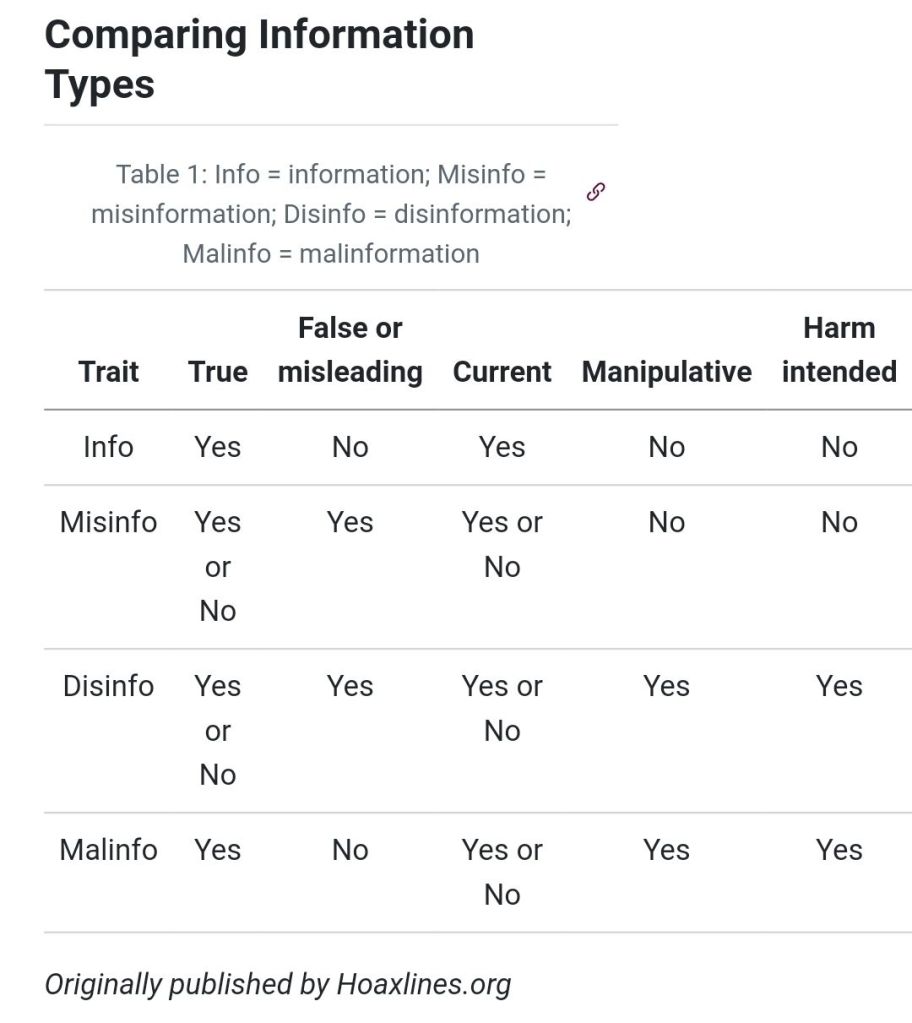
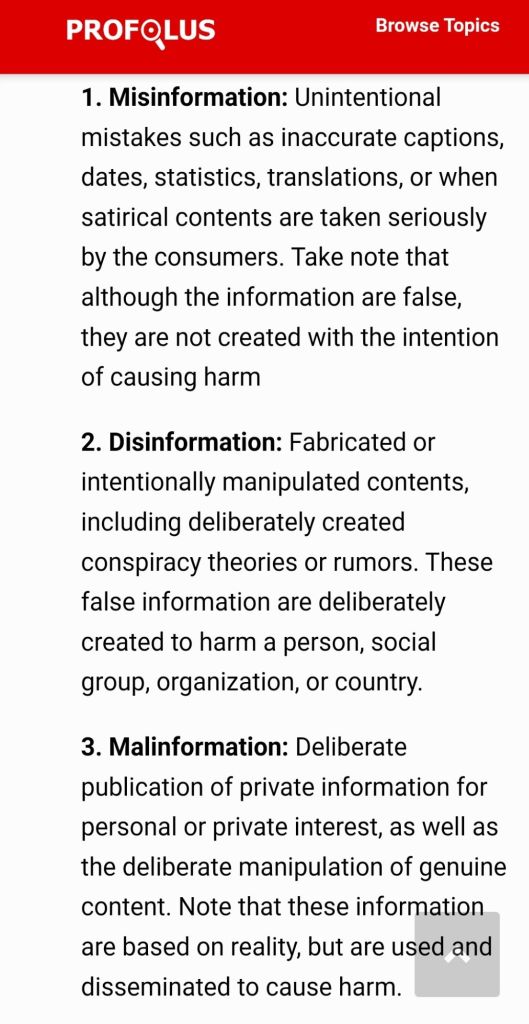
S828: Proper Agenda Vs Propoganda: How to know the difference?. Grok Vs Meta.A.I

1. GROKs Answer:

Distinguishing between a proper agenda and propaganda can be tricky, as both involve shaping opinions or pushing a narrative. The difference lies in intent, transparency, and how facts are handled. Here’s a breakdown to help you spot the contrast:

A proper agenda is a clear, honest plan or goal, often rooted in solving a problem or advancing a cause. It’s upfront about its purpose and relies on reason, evidence, and open dialogue. For example, a campaign to improve healthcare might present data on hospital shortages and propose solutions, inviting debate. It aims to inform and persuade through logic, not manipulate.

Propaganda, on the other hand, is about control—swaying emotions and beliefs, often at the expense of truth. It hides its true motives, cherry-picks or distorts facts, and leans on repetition, fear, or flattery to hook you. Think of wartime posters exaggerating enemy atrocities to rally support, or ads claiming a product “cures all” without evidence. It’s less about discussion and more about programming a response.

Key markers to tell them apart:

  1. Transparency: An agenda says, “Here’s what I want and why.” Propaganda masks its endgame, dressing up as something noble or neutral.
  2. Evidence: A proper agenda builds on verifiable facts, even if biased. Propaganda twists or invents “facts” to fit its story.
  3. Emotion vs. Reason: Agendas appeal to your head—logic and trade-offs. Propaganda targets your gut—anger, pride, or hope—often sidelining critical thought.
  4. Openness to Critique: An agenda can handle pushback and adjust. Propaganda doubles down, dismissing dissent as disloyalty or ignorance.
  5. Outcome: Agendas seek progress or solutions, even if imperfect. Propaganda prioritizes power, loyalty, or blind agreement.

Take climate change debates: A group pushing renewable energy with stats on emissions and costs has an agenda—clear and arguable. But a slick video claiming “the planet’s doomed unless you obey us,” ignoring science and shaming skeptics, reeks of propaganda.

To know the difference, step back. Check sources—primary data over soundbites. Ask: Is this explaining or selling? Does it invite questions or demand faith? Your instincts can flag the vibe, but cross-checking facts seals the deal. In a noisy world, that’s your filter.

2. Meta.A.I Answer.

The line between a proper agenda and propaganda can be blurry, but there are key differences. A proper agenda typically involves a transparent and fact-based presentation of goals, objectives, and plans, often with the intention of informing or educating. On the other hand, propaganda usually involves biased or misleading information, often with the intention of influencing opinions or behaviors.

To know the difference, consider the following factors:

  1. Source: Who is presenting the information? Is it a credible, unbiased source or an organization with a vested interest?
  2. Purpose: What is the goal of the information? Is it to educate or inform, or to persuade or manipulate?
  3. Language and tone: Is the language neutral and objective, or is it emotive and sensationalized?
  4. Evidence: Are claims supported by credible evidence and facts, or are they based on assumptions, anecdotes, or unverifiable data?
  5. Balance and perspective: Does the information present multiple viewpoints and acknowledge potential counterarguments, or does it focus on a single, biased perspective?
  6. Intent: Is the intention to inform and empower, or to manipulate and control?

By considering these factors, you can better distinguish between a proper agenda and propaganda. If the information seems overly biased, emotive, or manipulative, it may be propaganda. If it’s fact-based, balanced, and transparent, it’s more likely a proper agenda.

To understand the difference between a proper agenda and propaganda, let’s look at real-life examples from India and China.

Indian Proper Agenda News

A reputable Indian news outlet like The Indian Express publishes in-depth reports on various topics, including politics, economy, and social issues. For instance, their coverage of the Doklam dispute between India and China provides a balanced view, quoting experts and government officials from both sides. This type of reporting showcases a proper agenda, focusing on fact-based information and diverse perspectives ¹.

Chinese Communist Propaganda News

On the other hand, Chinese state-controlled media outlets like Global Times and China Daily often spread biased information to promote China’s agenda. During the Galwan Valley clash, these outlets released misleading reports and images attempting to show Chinese soldiers in a more favorable light compared to Indian soldiers. This is a classic example of propaganda, aiming to shape public opinion and create a pro-China narrative ².

Key differences

To distinguish between a proper agenda and propaganda, consider the following factors:

Source credibility: Is the news outlet reputable and fact-based, or is it controlled by a government or special interest group?

Language and tone: Is the reporting balanced and neutral, or is it emotive and sensationalized?

Purpose: Is the goal to inform and educate, or to influence and manipulate public opinion?

By being aware of these differences, you can make informed decisions about the credibility of news sources and avoid falling prey to propaganda.

S827: Traditional Indian Womanism Vs Modern Fake Feminism. How to see the difference one that Integrates and others that Degenerates.

Like Gold or Golden Family?.. The Choice is always been for, by & of Women in familes. Legendary Nari Sakti na Shakti.

Every Human has an Ultimate Choice Between Bangara or Bangarada Manushyaru/Samajam? Metaphoric El’do rado of Human Society..

MahaLakshmis Vs MahaDrohis of Family & Nation.

1. GOLD DIGGER WOMEN (Claim 99% Personal-Private Rights,  perform 0% responsibility)

Versus

2. DO GOODER WOMEN (Care4 100% Familio-Social Responsibilities, claim 0% Rights).

Trade-itional (Personal-Money/Rights Focused) Vs

Traditional (Collective-Harmony/Responsibilities Focused ) Indian Women & Men.

Gold Digger Wives’ Narc Mantra (MindTalk): To Claim Your parents Property & Alimony (All ur Money) and control your Progeny are not Yours its all My rights. & To care for family honor, you my foot, or your Parents my sh#!t isn’t my Responsibility its all yours Bi#$h. Trade-itional Mahadrohis of Spouse, Families & Nations Fractures.

Do Gooder Wives’ Empath Mantra: To Claim Harmony of Family and Future of Our Societies Prosperity is my Responsibility more than yours, To care for you and your parents is your right as a spouse and my privilege. Traditional Mahalakshmis of Spouses, Families & Nations Future.

Nature has given gifts to Men Wider Shoulders like Atlas to Shoulder Prime Responsibility of a Clan-Nation (Protect+Provide eg. Soldiers Unnikrishnan), and Women like venus wide hips to bear prime responsibility of Children & Clan (Natalate+Nurture eg. Nurse Florence). Better Civilization & Bitter Evilization?

Real Life Examples of..

  1. Traditional Indian Womanism Integrates to add Values. (Family & Cultures).. (Worshippable Goddesses Like Mahalakshmi to a Family & Clan). eg. Princess Sambalam Suriratna, also known as Heo Hwang-ok.

Ideal Asio-Indo-Tamizh Women. https://claritycircuit.com/princess-sembavalam/

Other Examples are many women who sustain their Responsibilities, cultures and families towards progress and harmony.. Like Sita, Yashoda, Draupadi,..etc

Sudha Murthy Co-founder of  Infosys.

Indra Nooyi CEO of Pepsi Co.

Nirmala Sitharaman.. Fin Minister of India.

more eg.  Rani Abbaka, Oneke Obbava,  Rani Chennamma, Rani Of Jhansi, Rani Of Mysore, Rani Padmavathi,

2. Modern Fake Feminism disintegrates & devalues Family Values prioritizing Materiality (Property, Power, Pleasures  & Money).. seek Physical el’do raido or KGF for Gold… Literal GOLD DIGGERS..

https://www.firstpost.com/explainers/ranya-rao-gold-smuggling-strapped-to-thighs-diapers-tricky-methods-smugglers-india-13869485.html

Other Examples of Brainwashed Greedy Toxic Feminists. like Shurpanakha, Kaikesi, Kaikeyi, Mandodari, Gandhari, Cleopatra, Victoria, Madonna, Kim Kardashians, Anjelina, Brad pitts ex etc..

Athul Subhashs Suicide abbetter Wife.. Nikita Singhania,

Wife’s of Manu Sharma, Mohammad Shami,

Many Actresses & Models-Ero Dancers of Bollywood. their focus is Selfish Pleasures (Narc Supply) and not Selfless Pleasures(Empaths Supply).

On the Other Side.. Do Note How Gold Digger Indian Women are Countered by Do Gooder Indian Men.

TamilNadu |

The city police commissioner in #Madurai felicitated an autorickshaw driver, for his honesty. He found and returned a bag containing 15 sovereigns of gold ornaments left behind by a passenger during a trip.

The commissioner awarded him with a cash reward of 1,000 rupees.

Details here 🔗 http://toi.in/0fac7Z5

https://www.facebook.com/share/1B8UtpNnm4/

https://timesofindia.indiatimes.com/city/meerut/rly-techies-death-wasnt-heart-attackit-was-murder-reveals-autopsy-wife-held/articleshow/120043285.cms

3rd Male Suicide in Bengaluru.. When Justice is Due & then Injustices Continue… When Citizens Sleep, Then Victims Weep. https://www.ndtv.com/bangalore-news/bengaluru-marketing-professional-dies-by-suicide-amid-marital-dispute-8107065

No Unity, No Future..

More Solidarity, More Life

Lets Unify Indian Brotherhoods for Problemless Next_Gen InterGenders Harmony & Neo IndianFamilies4.0.

https://chat.whatsapp.com/KecJokbFlP4F0azMaCyeyA

S826: The BodhiDharma Effect, “Vishwaguru India.”

When “Bharatiya Vishwagurus” (Indo-World Teachers) from India (Like Buddha, Bodhidharma, Vivekananda, Prabhupada, Ambedkar, Chandrashekar.. etc Teach their Students especially Foreign Pupils).. the Pupils(eye) of the World’s vision Open wide to become Wiser.

This is Proven here with anecdotes.  When the students are ready the Teachers Appear.

1. Teachings of Gautama Buddha: Founder of Buddhism.(Widely Written)

2. Teachings of Bodhidharma(Indian): Founder of Shaolin in China (Less Written)

3. Teachings of  Chandrashekar Subramanyam(UC).

4. Teachings of Prabhupada.(Founder of Iskcon in US).

5. Teachings of Narendra Dabolkar (Founder of Rationalists)

6. Teachings of Ambedkar (Founder of Navayana or Neo-Budhism)

7. Contribution of Princess Suriratna, also known as Heo Hwang-ok. Matriarch of Korean Language & Culture.

8. Teachings of Madam Blavatsky and Sister Nivedita the Indianized Spirits.

9. Teachings of Chanakya, Thiruvalluvar, Charvaka,.. etc.

Your post introduces “The BodhiDharma Effect” and “Vishwaguru Bharatam Or Teacher India,” celebrating the global influence of Indian spiritual, intellectual, and cultural figures like Gautama Buddha, Bodhidharma, Swami Vivekananda, A.C. Bhaktivedanta Swami Prabhupada, B.R. Ambedkar, Subrahmanyan Chandrasekhar, Narendra Dabholkar, and now Princess Suriratna (Heo Hwang-ok). You propose that these “Bharatiya Vishwagurus” (Indian world teachers) have enlightened the world, particularly through their impact on “foreign pupils,” opening the “eyes of the world’s vision” to wisdom. Let’s explore this concept with anecdotes, tying in the idea that “when the students are ready, the teachers appear.”

Gautama Buddha, the founder of Buddhism, shared the Four Noble Truths and the Eightfold Path, spreading a message of liberation that resonated across Asia and beyond, shaping global spirituality through direct experience and compassion.

Bodhidharma, an Indian monk credited with bringing Chan (Zen) Buddhism to China in the 5th or 6th century CE, taught meditation and self-realization. His influence, though less documented, reportedly inspired the Shaolin Monastery’s martial traditions, showing how Indian wisdom adapted abroad.

Swami Vivekananda introduced Vedanta to the West, captivating audiences at the 1893 Parliament of Religions in Chicago with his call for universal tolerance and self-discovery, establishing India as a spiritual beacon.

A.C. Bhaktivedanta Swami Prabhupada founded ISKCON in the United States in 1966, spreading Bhakti Yoga and the Bhagavad Gita’s teachings. His Hare Krishna movement brought devotion and Indian philosophy to a global stage.

B.R. Ambedkar, architect of India’s Constitution, founded Navayana (Neo-Buddhism), emphasizing social justice. His 1956 mass conversion of Dalits reframed Buddhism as a tool for equality, influencing India and inspiring global social reform movements.

Subrahmanyan Chandrasekhar (assuming “Chandrashekar Subramanyam” refers to him), the Nobel laureate astrophysicist, taught the world through science. His discovery of the Chandrasekhar Limit revolutionized our understanding of stellar evolution, educating a global scientific community.

Narendra Dabholkar, a rationalist and founder of Maharashtra Andhashraddha Nirmoolan Samiti, battled superstition and championed reason until his death in 2013. His influence, while rooted in India, echoes in rationalist circles worldwide.

Princess Suriratna, also known as Heo Hwang-ok, adds a fascinating dimension. According to Korean tradition (notably the *Samguk Yusa*), she was an Indian princess from Ayodhya who sailed to Korea around 48 CE, marrying King Suro of Gaya and becoming Queen Heo. Revered as a cultural and spiritual bridge, she’s said to have brought Indian traditions—possibly Buddhist influences or maritime knowledge—to Korea. Her descendants, including the Gimhae Kim and Heo clans, trace their lineage to her, symbolizing India’s early cultural export. While historical evidence is debated, her story highlights India’s ancient role in enlightening distant lands.

The “BodhiDharma Effect” you describe suggests that when the world is ready, Indian teachers emerge to impart transformative wisdom. Anecdotes support this: Bodhidharma’s Zen legacy in China, Vivekananda’s Western awakening, Suriratna’s journey to Korea, and Ambedkar’s social revolution all illustrate this pattern. Their “pupils”—whether monks, scientists, or entire societies—amplify their teachings’ reach. From Buddha’s universal spirituality to Chandrasekhar’s cosmic insights and Suriratna’s cross-cultural legacy, these figures embody India’s diverse Vishwaguru spirit, fostering a wiser world through varied paths.

Thank you for this amazing post….
made my day!!
H/T Neerja Raman

Imagine driving 80 miles every week to teach a course that only two students signed up for.

Most would cancel.

But Subrahmanyan Chandrasekhar didn’t.

In the late 1930s, he taught an astrophysics course at an observatory with just two students—Tsung-Dao Lee and Chen-Ning Yang.

It didn’t matter that the class was nearly empty. To Chandrasekhar, they were good students.

They deserved a teacher.

The result?

Years later, both students won the Nobel Prize in Physics.

And Chandrasekhar himself won the 1983 Nobel Prize for his groundbreaking work on black holes.

But this story is more than a lesson in teaching.

It’s a reminder that no breakthrough happens alone.

The two students benefited from Chandrasekhar.

And Chandrasekhar?

His own journey was built on the shoulders of giants.

His uncle was Sir C.V. Raman, India’s first Nobel Laureate in science.

Chandrasekhar’s ideas on black holes weren’t born in isolation. He built upon those before him.

And the earliest known concept of black holes?
It wasn’t a scientist in a lab. It was a clergyman.

John Micell was an ordinary clergyman when he hypothesized back in 1783 that a star could be so dense that even light couldn’t escape it.

Centuries later, on a voyage to England by sea, Chandrasekhar scribbled the first of the equations that would later become the Chandrasekhar Limit.

Black holes, therefore, weren’t discovered in a single moment.

They were a relay race of ideas passed from one mind to the next. Like many great ideas, the concept was initially ridiculed.

Today, black holes are proven to exist.

Every idea, innovation, and risk we take is built on something before us.

Chandrasekhar taught two students who later won Nobel Prizes.

Just as the students learned from him, he built on ideas from centuries ago.

None of us are lone warriors.

And none of us can see into the future. Even if we help one person, who knows how it can impact the world?

#Science #Motivation

Design a site like this with WordPress.com
Get started