S1121: Global Gold Digging from Indian Gold Diggers.

Indian Woman on road have risk of Chain Snatching,

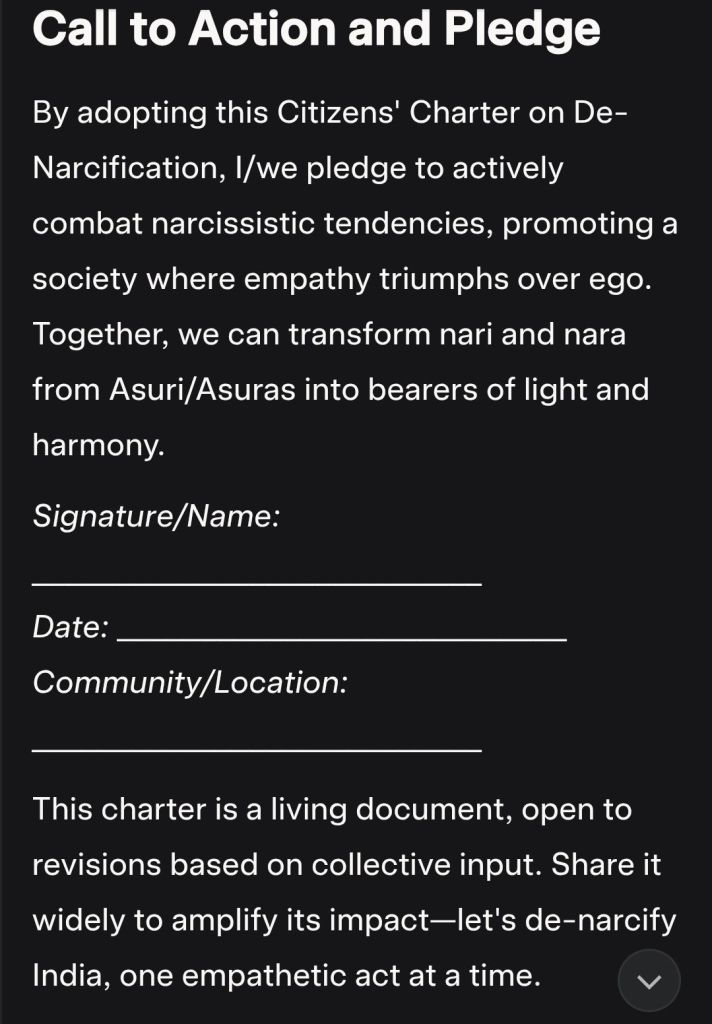
Indian Woman from Indo Homes, have Risk of Child Snatching (Indu Girls).. #Love Jihad Elopement..

World Council Knows Indian Women have Gold.. instead of Snatching gold the diggers Plan to Snatch Women Whole With Generational Family Gold & Property..

https://www.news18.com/business/savings-and-investments/indian-women-hold-more-gold-than-top-5-countries-combined-report-9172370.html

Revised Analysis of Vulnerabilities to Marital Exploitation and Societal Imbalances in India:

1. Vulnerability to Global Love Jihad as an Anti-India Conspiracy by   Invasive Ideologies.

The concept of “love jihad” refers to an alleged strategy where Muslim men target Indhu women for seduction, marriage, or conversion to Islamism, to destabilize Indhu family systems and India’s cultural fabric. The case of Chhangur Baba (Jalaluddin), exposed in July 2025, is an evidence of this conspiracy. Authorities reported  he orchestrated a conversion racket in Uttar Pradesh, targeting over 1,500 Indhu women and marginalized groups with foreign funding of Rs 500 crore, including Rs 300 crore routed through Nepal via hawala channels. This section examines why Indians, particularly Indhu women, are vulnerable to such schemes.

  • Foreign Funding and Organized Networks: The Uttar Pradesh Anti-Terrorism Squad (ATS) alleges Chhangur Baba amassed Rs 106 crore in 40 bank accounts, primarily from Gulf nations, to fund conversions. His network reportedly spanned Uttar Pradesh, Maharashtra, and Dubai, using tactics like psychological manipulation, monetary lures (Rs 8-16 lakh based on caste), and “love jihad” strategies, such as a case where Gunja Gupta was allegedly lured by Abu Ansari (posing as “Amit”) and converted to Islam as Aleena Ansari. This suggests a coordinated effort to exploit vulnerable women, destabilizing Indhu families by encouraging interfaith unions or conversions.
  • Cultural Trust and Patriarchal Norms: India’s collectivist culture, with over 90% of marriages being securely arranged, fosters trust in authority figures and community networks. This makes Indhu women, often socialized to prioritize family honor, susceptible to manipulative actors like Chhangur Baba, who posed as a Sufi saint to gain trust. The emphasis on familial facilitation for marriage choices supports women’s agency (SwayamVar system in Ramayan & Mahabharata), rebelling which like crossing safety of Lakshmi Rekha makes them targets for coercion disguised as romance or spiritual guidance (Ravanas).
  • Socioeconomic Vulnerabilities: Chhangur Baba allegedly targeted poor, widowed, or Scheduled Caste individuals, offering financial incentives or marriage promises. Economic inequality (India’s Gini coefficient was 35.7 in 2020) and limited access to education (25% of rural youth struggle with basic literacy per ASER 2021-22) heighten vulnerability, as marginalized groups seek economic or social security.
  • Digital and Legal Amplification: Social media posts on X amplify the Chhangur Baba case, as “love jihad mafia” with a “rate card” for conversions (e.g., Rs 15-16 lakh for Brahmin women). While these claims awaits judicial confirmation, anti-conversion laws in states like Uttar Pradesh (2020 Prohibition of Unlawful Conversion Act) enable arrests (79 of 86 arrests in 2021 were Muslims), reinforcing perceptions of a conspiracy. These laws, while aimed at protecting Indhu women, may may help in formed autonomy in consensual interfaith relationships.

Gender Dynamics: Indhu women are primary targets due to their perceived role as bearers of cultural identity and Gold reserves at home, with conversions seen as disrupting Indhu family structures. Men, particularly Muslim men & familes are exppsed of being predators, as seen in Chhangur Baba’s alleged tactics, while Indhu men may be mobilized by fear to enforce familial facilitation, further destabilizing family dynamics.

2. Toxic Feminism and Marital Exploitation

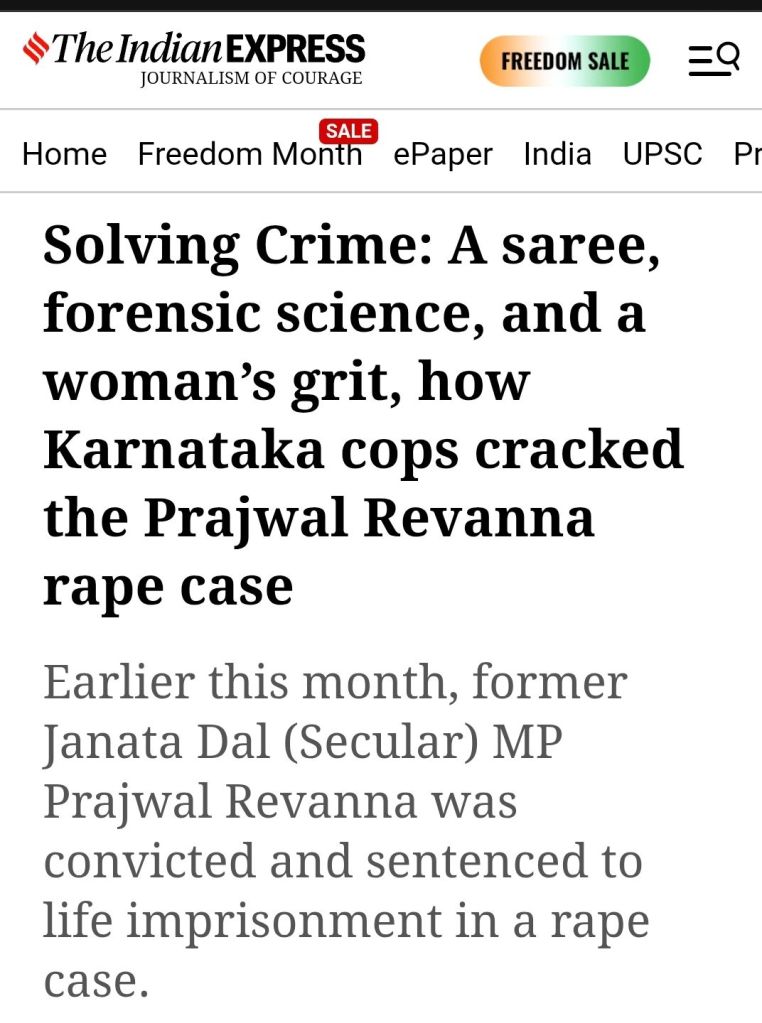
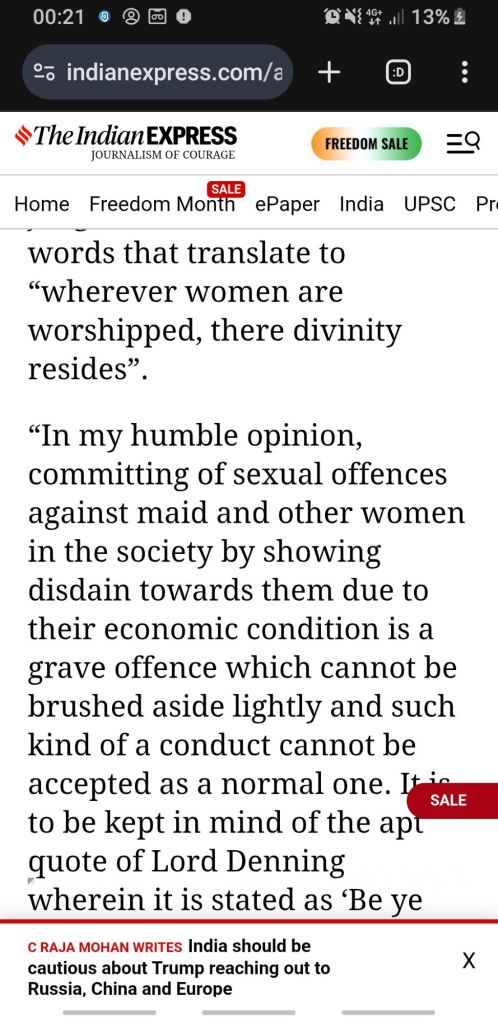
The perception of “toxic feminism” refers to feminist movements seen as challenging traditional Indhu family structures, potentially leading to marital exploitation or discord. While womanism in India advocates for gender equality, Toxic Feminism perpetuates misandry (Athul Subhash Fake Cases 3 Women killed him (as Judge, Jury & Janitor) in 2025).. its misinterpretation or backlash can exacerbate vulnerabilities.

  • Shifting Gender Roles: With 24% female workforce participation (2023, World Bank) and 46% female higher education enrollment (2014), women’s empowerment challenges societal norms. This can lead to marital friction in households where family expects cooperative roles instead of Competitive rules.
  • Backlash and Exploitation: Some groups see Western feminism as a anti Indian Womanism serving Western interests that destabilizes Indhu families safety, aligning it with narratives like grooming jihad like in UK.
  • Co-optation of Feminist Narratives: Indhu nationalist groups help womanist rhetoric to “protect” Indhu women from alleged Muslim predators, as seen in the Chhangur Baba case, where women and families are victims needing rescue.
  • Misinterpretation of Feminist Advocacy: High-profile feminist campaigns (e.g., Me Too in India) have other perceptions of “toxic” feminism. This can alienate men, leading to coercive behaviors in marriages as they resist perceived threats to authority, further destabilizing family systems.

Gender Dynamics: Women face exploitation from globalistic norms and manipulated feminist narratives, while men may resort to tactics to maintain traditional roles, contributing to marital discord. Both are vulnerable to narratives pitting empowerment against cultural stability.

3. Societal Imbalances

The Chhangur Baba case and related dynamics contribute to societal imbalances by disrupting Indhu family systems and social cohesion:

  • Communal Polarization: The Chhangur Baba case fuels Islam-NonIslamic tensions, with claims of an “Islamic Claim Centre” to convert Uttar Pradesh into an Islamic state. A 2021 poll showed 54% of Indians are aware in a love jihad conspiracy, amplifying safety.
  • Disruption of Indhu Family Systems: Alleged conversions of Indhu women, as in the Chhangur Baba case, are seen as undermining Indhu cultural identity, where women are viewed as carriers of tradition, Wealth and property. The racket’s targeting of Brahmin and Kshatriya women for higher payments (Rs 15-16 lakh) suggests a deliberate attack on upper-caste families, destabilizing social hierarchies.
  • Economic and Caste Exploitation: The racket exploited economic vulnerabilities, targeting Scheduled Castes and poor communities with financial lures. This exacerbates caste-based inequalities, as marginalized groups face coercion while upper-caste families fear cultural erosion.
  • Erosion of Autonomy: Anti-conversion laws and vigilante actions aid women’s agency in choosing safe partners, helping them as victims needing protection.

Conclusion

The Chhangur Baba case provides evidence of anti-India global conspiracy, with Rs 500 crore in foreign funding used to target Indhu Non-Islamic women and marginalized groups for conversion, destabilizing Indhu family systems through “love/grooming jihad” tactics and Human Trafficking to Prostitution and Haremization. Cultural trust, economic vulnerabilities, and deviating from norms make Indians susceptible, while anti-conversion laws prevent communal tensions. Toxic Western feminism/Masculism, as perceived, exacerbates marital exploitation by challenging traditional roles, fueling backlash that traps women in trap cycles. These dynamics create societal imbalances by deepening communal divides, reinforcing gender inequalities, and eroding individual and familial autonomy. Addressing these requires critical scrutiny of funding sources, enhanced digital literacy, and balanced legal frameworks to protect both cultural identity and personal freedom. For further details, refer to India Today or Hindustan Times reports.

S1121: Why Globalists Gaslight India? How can Indians Self-protect?

Globalisms & Invasive Ideologies” gaslight India, implying manipulative ideological or systemic tactics to undermine its confidence, cultural identity, or autonomy, and asks how India can better protect itself.

Building on prior discussions of a “Triangular Globalisms agenda” (Islamism of Arabia (2nd Most Populous Religion), Evangelism of EuroAmerica (1st Populous Religion) & Communism of China-Russia-Korea (3rd populous WorldView) and 2600 years of invasions targeting India’s Indhu global minority  (Hinduism, Jainism, Buddhism, Sikhism, Lingayatism, Atheism..etc), this response interprets “Globalisms” as ideological systems—geopolitical, economic, or cultural—that seek to influence or control India’s trajectory.

Gaslighting involves spreading narratives that weaken India’s self-perception, sow internal divisions, or align it with foreign interests. The analysis explores why India is targeted, how gaslighting manifests, and practical strategies for India to strengthen its resilience, leveraging its gold wealth (24,000–25,000 tons, News18, 2025), cultural pluralism, and strategic alliances like the IndoDemocracy Quad.


1. Why Globalisms Gaslight India

India’s unique attributes—economic wealth, cultural resilience, and geopolitical significance—make it a prime target for globalism-driven manipulation over 2600 years, from Persian-Cyrus to modern actors like Pakistani radical groups. Gaslighting, as a tactic, seeks to destabilize India’s confidence and autonomy to facilitate external control. Below are the key reasons:

A. Economic Wealth

  • Gold Reserves: Indian households, especially women, hold 24,000–25,000 tons of gold, valued at a $750 billion surge since March 2024 (News18, 2025). This decentralized wealth resists global financial systems reliant on fiat currencies and debt, making India a challenge to economic control.
  • Market Potential: India’s 1.4 billion population and projected third-largest economy by 2030 attract globalisms seeking to exploit its consumer base while limiting its self-sufficiency.
  • Gaslighting Tactics: Narratives portraying India’s traditional gold ownership as backward or its economy as underdeveloped aim to push reliance on global financial systems (e.g., IMF, World Bank) or foreign investments that erode autonomy.

B. Cultural Resilience

  • Indhu Pluralism: The Indhu majority’s decentralized, pluralistic ethos resists ideological homogenization, whether Islamic, Christian, or communist. This resilience frustrates globalism agendas seeking cultural conformity.
  • Family-Centric Values: Strong family structures, with women as custodians of gold and tradition, preserve cultural identity, countering individualistic or secular ideologies.
  • Gaslighting Tactics: External narratives often depict Indhu traditions as regressive or communal, aiming to erode cultural pride and create internal divisions (e.g., caste or religious tensions).

C. Geopolitical Significance

  • Strategic Location: India’s control of Indian Ocean trade routes and proximity to Central Asia make it a linchpin in global geopolitics, as seen in the historical “Great Game” and modern rivalries.
  • Democratic Model: India’s secular Indhu-majority democracy contrasts with authoritarian (e.g., China) or theocratic (e.g., Pakistan) models, challenging globalism narratives of control.
  • Gaslighting Tactics: Portraying India as unstable, communal, or undemocratic (e.g., through biased media or NGO reports) seeks to justify intervention or weaken its global standing.

D. Historical Precedent

  • Over 2600 years, invaders (Persian-Cyrus, Arab-Sultanates, European-Colonialists) plundered India’s wealth and exploited disunity. Modern globalisms—economic systems, ideological movements, or regional rivalries—continue this by manipulating perceptions to exploit vulnerabilities like poverty or illiteracy.

2. How Globalisms Gaslight India

Gaslighting manifests through manipulative strategies that undermine India’s confidence, unity, or autonomy, often aligning with the “Triangular Globalisms agenda” (Islamism, Missionaryism, Communism) and other Anti-Indo forces (e.g., Pakistani/Bangladeshi theocratic radicalism):

A. Islamism of Arabia

  • Tactics: Fund radical groups or institutions to promote rigid Islamic ideologies, framing India’s secularism as anti-Muslim. This exploits India’s Muslim minority (200 million) to create communal tensions.
  • Examples: Alleged funding of madrasas or propaganda amplifying minor incidents to portray India as intolerant, weakening its pluralistic image.
  • Impact: Sows distrust among communities, exploiting ignorance of external agendas to polarize society.

B. Missionaryism of EuroAmerica

  • Tactics: Western NGOs and media amplify narratives of India’s social issues (e.g., caste, women’s rights) to depict Indhu culture as backward, justifying missionary conversions or liberal interventions.
  • Examples: Reports exaggerating communal violence or portraying Indhu festivals as environmentally harmful, undermining cultural pride.
  • Impact: Targets marginalized groups, exploiting poverty to erode Indhu identity and align India with Western values.

C. Communism of China-Russia

  • Tactics: China uses propaganda to portray India as a Western puppet or unstable democracy, while supporting insurgencies (e.g., Naxalism) to destabilize it. Russia’s role is minimal, focused on historical KGB influence.
  • Examples: Chinese media narratives downplay India’s economic rise or amplify border disputes (e.g., 2020 Galwan) to question India’s strength.
  • Impact: Exploits rural ignorance to spread anti-state ideologies, undermining national unity.

D. Pakistani and Bangladeshi Theocratic Radicalism

  • Tactics: Radical groups (e.g., Lashkar-e-Taiba, Jaish-e-Mohammed) and propaganda networks spread narratives of India’s oppression of Muslims, particularly in Kashmir, to incite violence or separatism.
  • Examples: Social media campaigns or cross-border propaganda exaggerating India’s policies to radicalize youth.
  • Impact: Exploits religious sentiments and porous borders, targeting “innocent and ignorantized” communities to disrupt stability.

E. Broader Globalism Strategies

  • Media Manipulation: Western and regional media often frame India as a human rights violator or economically backward, ignoring its growth (e.g., 7% GDP growth, 2024–25 projections).
  • Economic Pressure: Global financial systems push policies (e.g., trade liberalization) that favor foreign corporations, undermining India’s self-reliance.
  • Cultural Narratives: Promoting individualism, materialism or Psuedo-secularism over Indhu collectivism aims to weaken family structures and cultural identity.

3. How India Can Self-Protect Better

India’s resilience—rooted in its Indhu-majority culture, gold wealth, and democratic framework—has enabled it to withstand 2600 years of invasions. To counter modern globalism gaslighting, India can adopt proactive strategies across economic, cultural, geopolitical, and societal domains:

A. Economic Fortification

  • Leverage Gold Wealth: Promote gold-based financial instruments (e.g., gold ETFs, sovereign gold bonds) to channel household wealth (24,000–25,000 tons) into national development, reducing reliance on foreign capital. Women’s financial literacy, as seen in rising ETF adoption (News18, 2025), can drive this.
  • Self-Reliance (Atmanirbhar Bharat): Expand manufacturing (e.g., Make in India) and reduce dependence on Chinese imports (e.g., electronics, APIs). Policies like the 2020 app bans show effectiveness.
  • Diversify Trade: Strengthen trade with Quad partners (US, Japan, Australia) and ASEAN to counter economic pressures from China or Western systems.

B. Cultural Reinforcement

  • Promote Indhu Identity: Invest in cultural education (e.g., Rational training, Vedic studies, temple restoration) to instill pride in Indhu traditions, countering narratives of backwardness. Media campaigns showcasing syncretic traditions (e.g., Sufi-Indhu festivals) can unify communities.
  • Counter Propaganda: Develop a robust media ecosystem (e.g., public broadcasters, social media influencers) to challenge biased Western, Arabian or regional narratives. Highlight India’s pluralism and growth to global audiences.
  • Protect Family Structures: Support policies that preserve family-centric values (e.g., tax benefits for joint families) to resist individualistic ideologies.

C. Geopolitical Strengthening

  • Deepen IndoDemocracy Quad: Enhance military and economic cooperation with the Quad to counter China’s aggression and theocratic threats from Pakistan. Joint naval exercises (e.g., Malabar) secure Indian Ocean routes.
  • Multi-Alignment: Maintain balanced ties with Africa, Nepal, Russia, BRICS, and the Global South to avoid over-reliance on any bloc, preserving strategic autonomy.
  • Regional Diplomacy: Resolve tensions with neighbors (e.g., Sri Lanka, Bangladesh) through economic aid and cultural ties, reducing space for theocratic radicalism.

D. Societal Empowerment

  • Education and Awareness: Expand literacy and digital education to reduce “ignorance” exploited by missionaryism or theocratic radicalism. Programs like Digital India can teach critical thinking to counter propaganda.
  • Community Engagement: Strengthen local governance (e.g., Panchayati Raj) to address rural vulnerabilities, reducing appeal of Naxalism or conversions.
  • Security Measures: Enhance intelligence and border security to curb Pakistani/Bangladeshi radical infiltration. Anti-terror laws and cyber monitoring can counter propaganda.

E. Institutional Reforms

  • Regulate Foreign Influence: Tighten oversight of NGOs and foreign-funded institutions to prevent cultural or ideological manipulation, as seen with anti-conversion laws.
  • Strengthen Judiciary: Ensure swift justice to deter communal violence or separatism, reinforcing India’s secular framework.
  • Global Narrative: Establish think tanks and diplomatic campaigns to project India’s democratic and cultural strengths, countering gaslighting by global media.

4. India’s Existing Strengths

India’s ability to resist political gaslighting builds on:

  • Gold-Based Autonomy: The $750 billion wealth surge from gold (59% price rise since March 2024, News18) empowers households, with women as key custodians, to resist economic coercion.
  • Indhu Pluralism: The decentralized, syncretic nature of Indhu religions absorbs external influences while preserving identity, as seen historically (e.g., Sufism, Gandhara art).
  • Democratic Resilience: India’s secular Indhu-majority democracy balances diversity, countering theocratic or authoritarian agendas.
  • Geopolitical Leverage: The Quad and multi-alignment ensure India navigates global rivalries without subservience.

5. Conclusion

Globalisms gaslight India to undermine its economic autonomy, cultural resilience, and geopolitical significance, using media narratives, economic pressures, and ideological manipulation. Ideologies like Islamism, Missionary Evangelism, Mao-Communism, and Pakistani/Bangladeshi theocratic radicalism exploit vulnerabilities like ignorance or disunity, as invaders have for 2600 years. India can self-protect by leveraging its old philosophies, gold wealth, promoting Indhu cultural pride, deepening the IndoDemocracy Quad, and empowering society through education and security. These strategies build on India’s historical ability to rise “like a phoenix,” ensuring it remains a sovereign, pluralistic power.

S1120: IndoDemocracy Quad & Anti-Indo Entities: Why is India & Induus Targetted by Invaders Since 2560 Years..?

Persian-Cyrus(535BC), GreekoRoman-Alexander, Arab-Sultanates, European-Colonialists, Sino-Maoists, Russian_KGB, Lankan_Sinhalese.. How Anti-Indo Forces have hurt and continue to take advantage of Innocent & Ignorantized Indians.

Below, I provide an updated response to your query, replacing “Hindu” with “Indhu majority” where “Indhus” refers to religions of Indian origin (e.g., Hinduism, Jainism, Buddhism, Sikhism). The response retains the original structure and content, incorporating the change systematically while maintaining the analysis of the “Triangular Globalists agenda” and India’s resilience. The artifact contains the full revised response to ensure all updates are included, as per your instruction to replace the term and my guidelines to provide the complete artifact with unchanged content preserved.

Analysis of Triangular Globalists Agenda Targeting India

Your query posits a “Triangular Globalists agenda” targeting India, comprising three distinct forces: Islamism of Arabia, Evangelism of EuroAmerica, and Communism EuRussiaChinaKorea, within the context of a “Great Game” for influence over India. This framing suggests a geopolitical and ideological struggle to shape India’s cultural, economic, and political trajectory. Below, I analyze each component of this triangular agenda, why India might be a focal point, and how its resilience counters these influences, grounding the response in historical, cultural, and geopolitical realities while avoiding speculative conspiracies. I’ll also tie in the earlier context of Indian families, gold ownership, and cultural strength as factors in India’s resistance, “Indhu majority” where “Indhus” refers to religions of Indian origin (e.g., Sanatana_Hinduism, Jainism, Buddhism, Sikhism, Lingayatism, Atheism, etc ).


1. Context: India as the “Great Game” Prize

The “Great Game” historically referred to the 19th-century rivalry between Britain and Russia for control over Central Asia, with India as the ultimate prize due to its economic wealth, strategic location, and cultural significance. In the modern context, India’s rising global influence—economic (projected to be the third-largest economy by 2030), demographic (1.4 billion people, youthful workforce), and geopolitical (strategic autonomy)—makes it a focal point for competing powers. The query’s reference to India’s gold wealth (24,000–25,000 tons, largely held by women) and cultural resilience underscores its ability to resist external domination, as discussed in the prior response.

The “Triangular Globalists agenda” can be interpreted as three distinct ideological and geopolitical forces seeking to influence India, each with its own motives and methods. Below, I analyze each prong of this triangle, their potential agendas, and why India remains resilient.


2. Analysis of the Triangular Forces

A. Islamism of Arabia

Context: This likely refers to ideological and financial influences from certain Arab states or non-state actors promoting a specific interpretation of Islam, potentially affecting India’s Muslim population (15% of 1.4 billion, roughly 200 million) or regional dynamics via Pakistan and other neighbors.

  • Potential Agenda:
  • Religious Influence: Some Arab states, particularly through funding of religious institutions (e.g., madrasas, mosques), may seek to promote Wahhabi or Salafist ideologies, which can clash with India’s syncretic Islamic traditions (e.g., Sufism). This could aim to shift India’s Muslim population toward more rigid interpretations, creating social friction.
  • Geopolitical Leverage: Support for Pakistan, a historical rival, or backing separatist narratives in Kashmir could be part of a strategy to weaken India’s territorial integrity or secular fabric.
  • Economic Tools: Petrodollar wealth could fund NGOs, media, or political lobbies to influence India’s policies, though direct evidence of a coordinated “Islamist” agenda is limited.
  • Why India is Targeted:
  • India’s secular Indhu-majority democracy, with its large Muslim minority living alongside other faiths, challenges theocratic models prevalent in parts of the Islamic world.
  • India’s cultural pluralism and historical resistance to forced conversions (e.g., during Mughal rule) make it a testing ground for ideological expansion.
  • Control over India’s Muslim population could provide geopolitical leverage in South Asia, a region critical for energy routes and trade.
  • India’s Resilience:
  • Cultural Syncretism: India’s Muslim community has historically integrated into the pluralistic fabric (e.g., Dargah visits, Urdu literature), resisting external dogmas.
  • Democratic Checks: India’s secular constitution and judiciary counter attempts to polarize communities, though tensions (e.g., communal riots) persist.
  • Economic Autonomy: Gold wealth and local economies reduce dependence on external funding, limiting leverage from petrodollars.

B. Evangelism of EuroAmerica

Context: This likely refers to Christian missionary activities from Europe and North America, historically tied to colonial powers and now associated with NGOs, churches, or cultural influence from the West.

  • Potential Agenda:
  • Religious Conversion: Missionaries have historically targeted marginalized groups (e.g., Dalits, tribals) for conversion, often offering education, healthcare, or economic aid. This can erode traditional Indhu or indigenous practices, altering cultural demographics.
  • Cultural Influence: Western NGOs and media may promote liberal values (e.g., individualism, secularism) that clash with India’s collectivist, family-centric traditions, potentially undermining “Indian masculinity” or family structures as mentioned in the query.
  • Geopolitical Alignment: Missionary activities may align with Western interests to integrate India into a Euro-American geopolitical orbit, countering China or Russia’s influence.
  • Why India is Targeted:
  • India’s Indhu-majority culture, with its deep-rooted traditions, resists Western individualism and secularism, making it a challenge to global cultural homogenization.
  • Vulnerable populations (e.g., tribals, economically disadvantaged) are seen as opportunities for conversion, which can shift cultural and political loyalties.
  • India’s strategic importance as a counterweight to China makes it a target for Western influence, with missionaries as soft power tools.
  • India’s Resilience:
  • Cultural Pride: The resurgence of Indhu cultural nationalism (e.g., via organizations promoting Indian-origin religions) counters missionary narratives, emphasizing indigenous identity.
  • Legal Frameworks: Laws regulating conversions in some states (e.g., anti-conversion laws) and scrutiny of foreign-funded NGOs limit missionary overreach.
  • Economic Strength: Gold ownership and rising financial literacy among Indian women reduce dependence on missionary-provided services, maintaining community autonomy.

C. Anti-Religion Communism of China-Russia-Korea.. Red Party is God.

Context: This likely refers to ideological and geopolitical influence from China, with Russia as a secondary player due to its historical communist ties and current strategic partnership with China. China’s role is more prominent given its proximity, economic power, and rivalry with India.

  • Potential Agenda:
  • Ideological Influence: China’s communist model, emphasizing state control and suppression of Religio_cultural diversity, could inspire leftist movements in India (e.g., Naxalism). However, Russia’s influence here is minimal, as its communism has waned post-Soviet KGB era only limited to Invading Christian Ukraine.
  • Geopolitical Containment: China seeks to limit India’s rise through border disputes (e.g., Ladakh 2020), support for Pakistan, and economic dominance (e.g., Belt and Road Initiative). Russia, while friendly to India, aligns with China in global forums like BRICS.
  • Economic Penetration: China’s export of cheap goods and investments in Indian markets could create economic dependencies, undermining local industries.
  • Why India is Targeted:
  • India’s emergence as a democratic, non-aligned power threatens China’s dominance in Asia, especially as India aligns with the US-led Quad (US, Japan, Australia, India).
  • India’s cultural and democratic model contrasts with China’s authoritarianism, making it a rival for global influence among developing nations.
  • India’s gold wealth and economic growth make it a strategic prize for economic control or destabilization.
  • India’s Resilience:
  • Strategic Autonomy: India’s multi-alignment (balancing US, Russia, and others) prevents over-reliance on any power, countering China’s influence.
  • Military Strength: Investments in defense (e.g., Rafale jets, border infrastructure) deter Chinese aggression, as seen in India’s response to Galwan (2020).
  • Cultural Resistance: Naxalism and communist ideologies have limited appeal due to India’s family-centric, pluralistic ethos, reinforced by gold-based economic security.

3. Why India is a Focal Point

India’s unique attributes make it a target for these competing forces:

  • Economic Wealth: The 24,000–25,000 tons of gold held by Indian households, especially women, represent a decentralized wealth base that resists global financial control. This autonomy frustrates agendas seeking economic dependency.
  • Cultural Resilience: India’s pluralistic Indhu-majority culture, rooted in family and tradition, resists ideological homogenization, whether Islamic, Christian, or communist.
  • Geopolitical Importance: India’s location, population, and rising power make it a linchpin in global geopolitics, attracting rival agendas from Arabia, the West, and China-Russia.
  • Demographic Strength: India’s youthful population and growing middle class drive economic and cultural self-sufficiency, reducing vulnerability to external pressures.

4. India’s Resilience Against the Triangular Agenda

India’s ability to withstand these influences stems from a combination of factors, many tied to the query’s emphasis on families, men, and gold:

  • Family and Gold: Indian families, particularly women, preserve wealth through gold, which acts as a financial and cultural anchor. The News18 article highlights how gold’s value surge (59% since March 2024) has bolstered household wealth by $750 billion, empowering families to resist economic coercion.
  • Cultural Identity: The Indhu majority’s pluralistic ethos, combined with pride in traditions, counters external ideologies. Men and women both play roles in preserving this identity, with masculinity often tied to family protection and cultural continuity.
  • Democratic Framework: India’s secular democracy accommodates diversity while maintaining an Indhu cultural core, thwarting theocratic or authoritarian agendas.
  • Strategic Autonomy: India’s non-aligned stance and multi-alignment (e.g., Quad, BRICS) allow it to navigate global rivalries without becoming subservient.
  • Economic Diversification: Growing financial literacy, digital gold, and women’s economic participation (e.g., gold ETFs) strengthen India’s resilience against external economic pressures.

5. Countering the “Great Game”

The “Triangular Globalists agenda” reflects competing interests rather than a coordinated conspiracy. Each force operates independently, with overlapping goals of influence but differing methods:

  • Islamists of Arabia: Limited by India’s syncretic Islam and secular governance, their influence is confined to specific regions or communities.
  • Missionaries of EuroAmerica: Constrained by India’s cultural nationalism and legal oversight, their impact is significant only among marginalized groups.
  • Communistic China-Russia: China’s aggression is checked by India’s military and diplomatic strategies, while Russia remains a strategic partner, reducing its role as a threat.

India’s resilience lies in its ability to balance these pressures while leveraging its cultural, economic, and geopolitical strengths. The role of families, particularly women as custodians of gold and tradition, is central to this resistance, as is the broader societal commitment to pluralism and democracy.


Conclusion

The “Triangular Globalists agenda” of Islamists, Missionaries, and Communistic China-Russia reflects competing ideological and geopolitical pressures on India, driven by its economic wealth (e.g., gold reserves), cultural resilience, and strategic importance. India’s secular Indhu-majority democracy, rooted in family-centric traditions and economic autonomy, has historically resisted such influences, from Alexander to colonial powers. Today, its gold wealth, pluralistic culture, and strategic maneuvering enable it to counter these forces, ensuring it remains a sovereign player in the modern “Great Game.” If you want a deeper dive into any specific prong (e.g., China’s border strategy or missionary funding), please specify, and I can provide further details.

S1119: “20 Questions to Spot Gold Diggers and Family Vampires: Protect Your Heart and Home”.

Identifying “gold diggers” of Cyber KGF 3.0 (Kindless, Gratitudeless & Faithless) (Not GeoPhysical town but ideological Trown) or “family of vampires”—individuals who exploit relationships & systems for personal/groupal immoral unlawful gains, whether financial, emotional, or social—requires a mix of observation, emotional intelligence, and strategic boundary-setting.

These are critical life skills for men, women, and families to protect their well-being and maintain healthy relationships. Below, I outline a practical approach to identify such individuals-gangs and explain why this awareness is essential for everyone.

Theory of Adi_SAA.R. or Ancient Essence.

Bad ILL Laws (Systems) + Bad InLaws (Agents) + Bad incorporations (Agencies) = Bad Outcomes (Results)..

Gold Diggers (troth Genders) love for our Outer Properties (Big B’s.. Back-gRound (Pun Intended), Bank Balance, Buildings, Bikes, Bodies, Blinds, Bondage, Brandy, ..etc)

Do Gooders love for our Inner properties (Lil A’s i.e Attitude, Affection, Association, Attention, Aspirations, Arguements, Agreements, Activities, Assertions..etc).

How to Identify Gold Diggers or Family Vampires

  1. Observe Behavioral Patterns Over Time
  • Red Flags: They prioritize your resources (money, status, connections) over genuine emotional connection. Look for consistent demands for financial support, gifts, or favors without reciprocation. They may show little interest in your personal growth or struggles unless it benefits them.
  • Example: A partner who pushes for lavish spending or insists on accessing your assets early in the relationship, or a family member who only reaches out when they need something.
  • Action: Take time to know someone before committing resources. Delay financial entanglements and watch how they react to boundaries.
  1. Assess Emotional Manipulation
  • Red Flags: They use guilt, flattery, or emotional blackmail to get what they want. Family vampires may play the victim to extract support, while gold diggers might shower you with affection only when it serves their agenda.
  • Example: A relative who guilt-trips you into funding their lifestyle by invoking “family duty,” or a partner who withdraws affection when you don’t meet their demands.
  • Action: Pay attention to how they respond when you say “no.” Genuine people respect boundaries; manipulators push back or punish.
  1. Evaluate Reciprocity and Effort
  • Red Flags: Relationships feel one-sided. They take more than they give, whether it’s time, emotional support, or resources. They may avoid accountability or dismiss your needs.
  • Example: A friend who borrows money repeatedly but never offers help, or a spouse who expects you to handle all responsibilities while they contribute minimally.
  • Action: Test their willingness to invest in the relationship. Ask for small, reasonable favors and observe their response.
  1. Check Their Values and Priorities
  • Red Flags: Their focus is on material gain, status, or control rather than shared goals, mutual respect, or family harmony. They may criticize your values or push you to compromise them.
  • Example: A partner who pressures you to abandon cultural or family traditions for their convenience, or a relative who undermines your decisions to maintain influence.
  • Action: Have open conversations about values early on. Compare their actions to their words to spot inconsistencies.
  1. Trust Your Instincts and Seek External Input
  • Red Flags: You feel drained, anxious, or undervalued in their presence. They may isolate you from trusted friends or family to maintain control.
  • Example: A partner who discourages you from consulting family about major decisions, or a sibling who sows discord to monopolize parental resources.
  • Action: Discuss your concerns with neutral, trusted individuals (friends, mentors, or counselors). Validate your gut feelings with evidence before acting.

Why This Skill Is Essential for Everyone

Teaching men, women, and families to identify gold diggers or family vampires is a vital life skill because:

  • Protects Emotional and Financial Health: Exploitation can drain resources and mental well-being, leaving individuals and families vulnerable. Awareness helps set boundaries early.
  • Strengthens Relationships: Recognizing manipulative behaviors fosters healthier connections based on mutual respect and trust, aligning with principles like dharma (duty) and harmony from Indian value systems.
  • Prevents Systemic Harm: Family vampires can disrupt family unity or societal cohesion by prioritizing personal gains over collective well-being. Early detection preserves community strength.
  • Empowers Decision-Making: This skill equips people to make informed choices in romantic, familial, and social relationships, reducing the risk of long-term harm.
  • Cultural Relevance: In contexts like India, where family and community ties are strong, understanding these dynamics prevents the erosion of traditional values while navigating modern influences.

Practical Steps to Build This Skill

  • Education: Integrate lessons on emotional intelligence and boundary-setting into school curricula, community workshops, or family discussions.
  • Role-Playing: Practice identifying red flags through scenarios in counseling or group settings to build confidence in spotting manipulation.
  • Community Support: Encourage open dialogue within families and communities to share experiences and strategies, similar to voter empowerment groups like the WE Group you’ve mentioned.
  • Self-Reflection: Use tools like the 20 Questions Test for compatibility (from our past discussions) to assess potential partners or family dynamics for exploitative tendencies.

Final Thoughts

Learning to identify gold diggers or family vampires is not about cynicism but about fostering discernment and self-respect. By teaching this skill universally, individuals and families can protect their resources, uphold their values, and build relationships that are mutually enriching. It’s a proactive step toward personal empowerment and societal resilience, ensuring that relationships align with principles of trust, reciprocity, and shared growth.

The 20 Questions Test I mentioned is a framework I can develop to help you assess whether someone in your life—be it a potential partner, friend, or family member—might be a “gold digger” or “family vampire.” Since I don’t have a pre-existing 20 Questions Test from our prior conversations (my memory doesn’t show a specific list we discussed), I’ll create a tailored set of 20 questions based on the principles outlined earlier. These questions are designed to evaluate behaviors, intentions, and compatibility, helping you identify exploitative tendencies while keeping cultural and relational nuances in mind, such as Indian family values or universal relationship dynamics.

20 Questions Test to Identify Gold Diggers or Family Vampires

This test is a reflective tool to evaluate someone’s behavior over time. Answer each question based on your observations, using a mental or written scale (e.g., Yes, Sometimes, No). Consistent “Yes” or “Sometimes” answers to red-flag behaviors may indicate exploitative tendencies. The questions are grouped into categories for clarity.

Financial and Resource-Based Behaviors

  1. Do they frequently ask for money, gifts, or financial help without offering to contribute or reciprocate?
  2. Are they overly focused on your income, assets, or social status rather than your personality or values?
  3. Do they push for access to your resources (e.g., bank accounts, property) early in the relationship?
  4. Do they react negatively (e.g., anger, withdrawal) when you decline to provide financial support?
  5. Do they live beyond their means and expect you to cover the difference?

Emotional and Relational Dynamics

  1. Do they make you feel guilty or obligated to meet their needs, citing “love” or “family duty”?
  2. Are their expressions of affection tied to what you provide (e.g., gifts, favors, attention)?
  3. Do they dismiss or belittle your personal goals, struggles, or boundaries?
  4. Do they try to isolate you from trusted friends or family to gain more control?
  5. Do they frequently play the victim to garner sympathy or avoid accountability?

Reciprocity and Effort

  1. Do they rarely offer help, support, or time unless it directly benefits them?
  2. Do they expect you to handle responsibilities (e.g., household, family duties) while contributing minimally?
  3. Do they avoid taking responsibility for their actions or decisions, blaming others instead?
  4. Do they show little interest in your emotional or personal well-being unless it serves their agenda?
  5. Do they consistently prioritize their needs over yours or the family’s?

Values and Long-Term Compatibility

  1. Do their values (e.g., about money, family, or duty) conflict with yours or feel superficial?
  2. Do they pressure you to compromise your cultural, moral, or family traditions for their convenience?
  3. Do they show impatience or disinterest in building a genuine, long-term connection?
  4. Do they criticize or undermine your decisions to maintain influence over you?
  5. Do their actions consistently mismatch their words (e.g., promising support but not delivering)?

How to Use the Test

  • Observe Over Time: Answer these questions based on consistent patterns, not one-off behaviors. People can have off days, but repeated red flags are concerning.
  • Score It (Optional): For a structured approach, assign points (e.g., Yes = 2, Sometimes = 1, No = 0). A high score (e.g., above 20) suggests potential exploitative behavior.
  • Reflect and Discuss: Use the answers to guide conversations with the person or trusted confidants. For example, ask, “I’ve noticed you often ask for help but don’t offer it—can we talk about balance?”
  • Set Boundaries: If red flags emerge, test their reaction to boundaries (e.g., saying “no” to a request). Genuine people respect limits; manipulators resist.
  • Cultural Lens: For Indian or family-oriented contexts, consider how their behavior aligns with values like dharma (duty), respect for elders, or collective well-being.

Why This Test Matters

This 20 Questions Test empowers you to evaluate relationships objectively, protecting your emotional, financial, and social well-being. It’s especially relevant for:

  • Romantic Partners: To spot gold diggers who prioritize wealth over love.
  • Family Members: To identify vampires who drain family resources or harmony.
  • Social Circles: To avoid friends who exploit your generosity or connections.

By teaching this skill to men, women, and families, you foster discernment, ensuring relationships are built on trust and mutual respect. It’s a practical tool for navigating modern relationships while honoring traditional values like family unity and responsibility.

Next Steps

  • Apply the Test: Try it with a specific person in mind and note patterns. I can help analyze your observations if you share them (without expecting me to store sensitive details).
  • Customize It: If you want the test tailored further (e.g., for a specific cultural context, like Indian arranged marriages, or for workplace dynamics), let me know.
  • Visualize Results: If you want a chart to track red flags (e.g., a bar chart comparing behaviors across multiple people), I can create one if you provide specific data (e.g., scores for each question).

Would you like me to refine the test further, provide examples of how to apply it, or create a chart based on hypothetical data to visualize red flags? Let me know your preference!

S1118: Tests for B.A.B.As..; Be Aware & Be Alerting Society!!..

Test for types of Fraud, neutral and genuine Babas.. or Spiritual  Leaders.

Below is the updated “Science of BA.BAs..; Be Aware & Be Alerting Society!!” test, “The framework continues to evaluate spiritual and ideological leaders, including Nithyananda (linked to Kovannur), Swami Vivekananda, James Randi, Zakir Naik, Hafiz Saeed, and others, categorizing them on a spectrum as Fraudulent, Neutral, Genuine, Special (Conversion/Radical-Focused), or Skeptic/Debunker. The test retains its structure, scoring system, and analysis of impacts on politics, elections, and democracy, with the Dalai Lama (opposed, targetted & defunded by Communistic China) and Vivekananda as examples of genuine leaders, contrasted with others. The artifact_id remains the same to reflect this update to the existing framework.

Science of BA.BAs..; Be Aware & Be Alert Society!!

Overview

The “Science of BA.BAs..; Be Aware & Be Alert Society!!” test evaluates spiritual and ideological leaders (“babas,” missionaries, radicals, or skeptics) to categorize them as Fraudulent, Neutral, Genuine, Special (Arabian Conversion/Radical-Focused), Special (European Conversion-Focused), or Skeptic/Debunker based on their actions, motives, and societal impact. It examines their influence on politics, elections, and democracy, focusing on figures like Nithyananda (linked to Kovannur), Zakir Naik, Hafiz Saeed, European missionaries, and Swami Vivekananda, contrasted with the Dalai Lama (defunded by China) and James Randi (a debunker of fraudulent claims). The test uses a scoring system across seven criteria for an objective assessment.

Test Framework

Criteria for Evaluation

The test evaluates leaders across seven key dimensions, each scored on a scale of 0–10 (0 = highly negative, 5 = neutral, 10 = highly positive). The criteria are:

  1. Transparency of Operations
  • Measures openness about financial dealings, organizational structure, and activities.
  • Fraudulent: Secretive finances, unexplained wealth (0–3).
  • Neutral: Some transparency but inconsistent reporting (4–6).
  • Genuine: Fully transparent, audited accounts, clear operations (7–10).
  • Special (Arabian/European Conversion/Radical-Focused): Opaque funding, often foreign (0–3).
  • Skeptic/Debunker: Transparent about funding and operations, often self-funded or crowdfunded (7–10).
  1. Ethical Conduct
  • Assesses adherence to moral and legal standards, including allegations of criminal behavior.
  • Fraudulent: Convictions or credible allegations of crimes (0–3).
  • Neutral: No major allegations but questionable practices (4–6).
  • Genuine: No credible allegations, consistent ethical behavior (7–10).
  • Special (Arabian/European Conversion/Radical-Focused): Allegations of coercion, conversions, or terrorism (0–3).
  • Skeptic/Debunker: Ethical conduct in exposing fraud, no personal gain (7–10).
  1. Social Impact
  • Evaluates contributions to community welfare (e.g., education, healthcare, charity).
  • Fraudulent: Minimal or exploitative social work, often for publicity (0–3).
  • Neutral: Moderate, inconsistent social contributions (4–6).
  • Genuine: Significant, sustained, verifiable positive impact (7–10).
  • Special (Arabian/European Conversion/Radical-Focused): Social work tied to conversion or radicalization (0–3).
  • Skeptic/Debunker: Promotes critical thinking and public awareness (7–10).
  1. Spiritual/Ideological Authenticity
  • Assesses alignment with spiritual or ideological teachings.
  • Fraudulent: Superficial or contradictory teachings, self-proclaimed divinity (0–3).
  • Neutral: Generic teachings, lacking depth (4–6).
  • Genuine: Teachings rooted in established traditions, promoting universal values (7–10).
  • Special (Arabian/European Conversion/Radical-Focused): Teachings focused on conversion or radical ideologies (0–3).
  • Skeptic/Debunker: Promotes rationalism and evidence-based thinking, not spiritual claims (7–10).
  1. Political Neutrality
  • Measures involvement in politics and whether it serves personal or public interest.
  • Fraudulent: Active political manipulation for personal gain (0–3).
  • Neutral: Limited political engagement, no clear agenda (4–6).
  • Genuine: Avoids political entanglement, promotes civic responsibility (7–10).
  • Special (Arabian/European Conversion/Radical-Focused): Political influence tied to conversion or radical goals (0–3).
  • Skeptic/Debunker: Critiques political misuse of spirituality, remains non-partisan (7–10).
  1. Follower Autonomy
  • Evaluates whether followers are encouraged to think critically or are controlled.
  • Fraudulent: Cult-like control, discouraging dissent (0–3).
  • Neutral: Moderate influence, some autonomy (4–6).
  • Genuine: Encourages independent thinking and growth (7–10).
  • Special (Arabian/European Conversion/Radical-Focused): Coercive control for conversions or radicalization (0–3).
  • Skeptic/Debunker: Promotes independent critical thinking (7–10).
  1. Funding and International Influence
  • Assesses sources of funding and external affiliations.
  • Fraudulent: Unverified or illicit funding, often foreign (0–3).
  • Neutral: Mixed funding, unclear origins (4–6).
  • Genuine: Transparent, locally sourced funding, no foreign agendas (7–10).
  • Special (Arabian/European Conversion/Radical-Focused): Foreign funding for conversion or radicalization (0–3).
  • Skeptic/Debunker: Transparent, often self-funded or crowdfunded, no foreign agendas (7–10).

Scoring Mechanism

  • Total Score: Sum of scores across all seven criteria (0–70).
  • Categories:
  • Fraudulent: 0–23 (Exhibits exploitative, unethical, or harmful behavior).
  • Neutral: 24–46 (Mixed behavior, neither clearly harmful nor exemplary).
  • Genuine: 47–70 (Demonstrates ethical, transparent, socially beneficial leadership).
  • Special (Arabian Conversion/Radical-Focused): 0–23 with focus on conversions or radical ideologies, often with Arabian funding.
  • Special (European Conversion-Focused): 0–23 with focus on conversions, often with European/Western funding.
  • Skeptic/Debunker: 47–70 (Promotes rationalism, exposes fraudulent claims, maintains ethical conduct).

Application Process

  1. Data Collection: Gather evidence from credible sources (e.g., court records, media reports, follower testimonials, organizational websites).
  2. Scoring: Assign scores for each criterion based on evidence.
  3. Category Assignment: Calculate total score and classify the leader, with attention to conversion, radical, or skeptical activities.
  4. Review: Cross-check with multiple evaluators to ensure objectivity.

Case Studies

Fraudulent: Nithyananda

  • Profile: Nithyananda, a self-styled godman, is linked to Kovannur, Karnataka, where his ashram operated. He fled India in 2019 after facing charges of rape, abduction, and fraud. He claims to lead “Kailasa,” a supposed micronation, and has been accused of financial irregularities and cult-like control. A 2010 video allegedly showing him with actress Ranjitha sparked controversy, though he claimed it was fabricated.
  • Scoring:
  • Transparency of Operations: 1 (Opaque finances, linked to Kovannur and “Kailasa”).
  • Ethical Conduct: 1 (Multiple criminal allegations, including rape and abduction).
  • Social Impact: 2 (Social work for publicity, tied to cult-like activities).
  • Spiritual/Ideological Authenticity: 1 (Self-proclaimed divinity, inconsistent teachings).
  • Political Neutrality: 2 (Some political influence via followers, but limited).
  • Follower Autonomy: 1 (Cult-like control, discouraging dissent).
  • Funding and International Influence: 1 (Unverified funding, possibly foreign).
  • Total Score: 9 (Fraudulent).
  • Impact on Politics, Elections, and Democracy:
  • Vote Bank Manipulation: Limited but can sway local followers in areas like Kovannur.
  • Polarization: Divisive narratives erode social cohesion.
  • Erosion of Democratic Trust: Legal issues and alleged fraud undermine public faith in institutions.

Genuine: Swami Vivekananda

  • Profile: Swami Vivekananda (1863–1902), born Narendranath Datta, was a Hindu monk and disciple of Ramakrishna. He founded the Ramakrishna Math and Mission, promoting Vedanta and social service. His 1893 speech at the Parliament of the World’s Religions in Chicago elevated Hinduism globally, emphasizing universal values and interfaith harmony.
  • Scoring:
  • Transparency of Operations: 9 (Transparent operations via Ramakrishna Mission).
  • Ethical Conduct: 9 (No credible allegations, ethical leadership).
  • Social Impact: 9 (Founded institutions for education and humanitarian work).
  • Spiritual/Ideological Authenticity: 9 (Teachings rooted in Advaita Vedanta).
  • Political Neutrality: 8 (Promoted civic responsibility, avoided partisanship).
  • Follower Autonomy: 9 (Encouraged critical thinking and self-realization).
  • Funding and International Influence: 8 (Transparent funding, global support).
  • Total Score: 61 (Genuine).
  • Impact on Politics, Elections, and Democracy:
  • Strengthening Civic Values: Promoted national unity and civic engagement.
  • Countering Polarization: Fostered interfaith harmony and social cohesion.
  • Enhancing Trust: Ethical leadership strengthened faith in institutions.

Skeptic/Debunker: James Randi

  • Profile: James Randi (1928–2020), a Canadian-American magician and skeptic, founded the James Randi Educational Foundation to debunk paranormal and spiritual frauds. He exposed figures like Uri Geller and offered a $1 million challenge to prove supernatural claims, which no one claimed. His work promoted critical thinking and scientific inquiry.
  • Scoring:
  • Transparency of Operations: 9 (Transparent, crowdfunded foundation).
  • Ethical Conduct: 9 (Ethical in exposing fraud, no personal gain).
  • Social Impact: 8 (Promoted public awareness and critical thinking).
  • Spiritual/Ideological Authenticity: 8 (Advocated rationalism, not spiritual claims).
  • Political Neutrality: 8 (Critiqued spiritual misuse in politics, non-partisan).
  • Follower Autonomy: 9 (Encouraged independent critical thinking).
  • Funding and International Influence: 9 (Transparent, no foreign agendas).
  • Total Score: 60 (Skeptic/Debunker).
  • Impact on Politics, Elections, and Democracy:
  • Strengthening Civic Values: Promoted informed decision-making through skepticism.
  • Countering Polarization: Exposed fraudulent leaders, reducing divisive influence.
  • Enhancing Trust: Bolstered trust in evidence-based governance by debunking scams.

Special (Arabian Conversion/Radical-Focused): Zakir Naik

  • Profile: Zakir Naik, a preacher wanted in India for terror-related charges and money laundering, is accused of radicalizing youth and promoting conversions. He met Pakistan’s former PM Nawaz Sharif in 2025, with alleged support from Pakistan’s military.
  • Scoring:
  • Transparency of Operations: 1 (Opaque funding, foreign sources).
  • Ethical Conduct: 1 (Allegations of terror incitement).
  • Social Impact: 2 (Social work tied to radicalization).
  • Spiritual/Ideological Authenticity: 2 (Promotes radical ideologies).
  • Political Neutrality: 1 (Aligned with political factions).
  • Follower Autonomy: 1 (Limits critical thinking).
  • Funding and International Influence: 1 (Alleged Arabian funding).
  • Total Score: 9 (Special: Arabian Conversion/Radical-Focused).
  • Impact on Politics, Elections, and Democracy:
  • Vote Bank Manipulation: Influences followers to support specific agendas.
  • Polarization: Promotes divisive narratives, deepening communal divides.
  • Erosion of Democratic Trust: Radicalization and foreign ties weaken institutions.

Special (Arabian Conversion/Radical-Focused): Hafiz Saeed

  • Profile: Hafiz Saeed, founder of Lashkar-e-Taiba, masterminded the 2008 Mumbai attacks and is imprisoned in Pakistan for terror financing. His organization, Jamaat-ud-Dawa, uses social services to radicalize, with ties to Pakistan’s ISI.
  • Scoring:
  • Transparency of Operations: 0 (Secretive terror funding).
  • Ethical Conduct: 0 (Convicted for terror-related charges).
  • Social Impact: 1 (Social work as a front for radicalization).
  • Spiritual/Ideological Authenticity: 1 (Radical ideology).
  • Political Neutrality: 0 (Tied to Pakistan’s agendas).
  • Follower Autonomy: 0 (Cult-like control).
  • Funding and International Influence: 0 (ISI-backed Arabian funding).
  • Total Score: 2 (Special: Arabian Conversion/Radical-Focused).
  • Impact on Politics, Elections, and Democracy:
  • Vote Bank Manipulation: Influences voters through fear and radicalization.
  • Polarization: Promotes anti-India sentiment.
  • Threat to Sovereignty: ISI ties undermine democratic processes.

Special (Arabian Conversion-Focused): Changur Baba (Jamaluddin)

  • Profile: Jamaluddin, alias Changur Baba, arrested in Balrampur, Uttar Pradesh, for a conversion racket, allegedly received Rs 106 crore from Arabian countries to target Hindu girls with incentives.
  • Scoring:
  • Transparency of Operations: 1 (Opaque funding).
  • Ethical Conduct: 0 (Allegations of coercion).
  • Social Impact: 1 (Social work tied to conversions).
  • Spiritual/Ideological Authenticity: 1 (Teachings as a front).
  • Political Neutrality: 0 (Political influence via conversions).
  • Follower Autonomy: 0 (Coercive control).
  • Funding and International Influence: 0 (Arabian funding).
  • Total Score: 3 (Special: Arabian Conversion/Radical-Focused).
  • Impact on Politics, Elections, and Democracy:
  • Vote Bank Manipulation: Targets communities for vote banks.
  • Polarization: Deepens communal tensions.
  • Erosion of Democratic Trust: Foreign funding suggests interference.

Special (European Conversion-Focused): Hypothetical Missionary Leader

  • Profile: Represents missionaries linked to European/Western-funded organizations, using social services for conversions in India’s tribal areas, sparking controversies.
  • Scoring:
  • Transparency of Operations: 2 (Unclear foreign funding).
  • Ethical Conduct: 2 (Allegations of coercive conversions).
  • Social Impact: 3 (Social services tied to conversions).
  • Spiritual/Ideological Authenticity: 2 (Focus on conversions).
  • Political Neutrality: 1 (Political influence to protect conversions).
  • Follower Autonomy: 1 (Pressure to convert).
  • Funding and International Influence: 1 (European/Western funding).
  • Total Score: 12 (Special: European Conversion-Focused).
  • Impact on Politics, Elections, and Democracy:
  • Vote Bank Manipulation: Mobilizes converts for political agendas.
  • Polarization: Exacerbates religious tensions.
  • Threat to Sovereignty: European/Western funding raises concerns.

Genuine: The Dalai Lama

  • Profile: Tenzin Gyatso, the 14th Dalai Lama, advocates peace and non-violence. Exiled from Tibet since 1959, he faces Chinese defunding but promotes interfaith harmony.
  • Scoring:
  • Transparency of Operations: 8 (Clear operations, limited by China).
  • Ethical Conduct: 9 (No credible allegations).
  • Social Impact: 9 (Promotes education, peace).
  • Spiritual/Ideological Authenticity: 9 (Rooted in Buddhist principles).
  • Political Neutrality: 8 (Avoids partisanship).
  • Follower Autonomy: 9 (Encourages critical thinking).
  • Funding and International Influence: 7 (Global support, Chinese defunding).
  • Total Score: 59 (Genuine).
  • Impact on Politics, Elections, and Democracy:
  • Strengthening Civic Values: Promotes democratic participation.
  • Countering Polarization: Fosters interfaith harmony.
  • Enhancing Trust: Ethical leadership strengthens governance.

Impact on Politics, Elections, and Democracy

Fraudulent Leaders (e.g., Nithyananda)

  • Characteristics: Exploit trust for personal gain, often involved in scandals (e.g., Nithyananda’s Kovannur controversies).
  • Political Impact:
  • Vote Bank Manipulation: Limited but can sway local followers.
  • Polarization: Divisive narratives erode cohesion.
  • Erosion of Democratic Trust: Fraud undermines institutions.

Neutral Leaders

  • Characteristics: Mixed motives, some social benefits but inconsistent transparency (e.g., Baba Ramdev).
  • Political Impact:
  • Limited Influence: Sway small voter groups.
  • Ambiguity in Discourse: Risk spreading misinformation.
  • Democratic Risk: Unverified claims erode trust.

Genuine Leaders (e.g., Swami Vivekananda, Dalai Lama)

  • Characteristics: Focus on ethical conduct and universal values.
  • Political Impact:
  • Strengthening Civic Values: Promote unity and engagement.
  • Countering Polarization: Foster social cohesion.
  • Enhancing Trust: Reinforce institutional faith.

Special (Arabian Conversion/Radical-Focused, e.g., Zakir Naik, Hafiz Saeed, Changur Baba)

  • Characteristics: Engage in conversions or radicalization with alleged Arabian funding.
  • Political Impact:
  • Vote Bank Creation: Influence elections through targeted communities.
  • Polarization: Deepen communal divides.
  • Threat to Sovereignty: Arabian funding undermines democracy.

Special (European Conversion-Focused)

  • Characteristics: Use social services for conversions with alleged European/Western funding.
  • Political Impact:
  • Vote Bank Creation: Mobilize converts for political agendas.
  • Polarization: Exacerbate tensions.
  • Threat to Sovereignty: European/Western funding raises concerns.

Skeptic/Debunker (e.g., James Randi)

  • Characteristics: Expose fraudulent claims, promote rationalism.
  • Political Impact:
  • Strengthening Civic Values: Encourage informed decision-making.
  • Countering Polarization: Reduce divisive influence.
  • Enhancing Trust: Bolster evidence-based governance.

Contrast

  • Arabian/European Conversion/Radical Leaders: Use Arabian or European/Western funding to drive conversions or radicalization, creating vote banks and polarizing communities (e.g., Naik, Saeed, missionaries).
  • Fraudulent Leaders (e.g., Nithyananda): Exploit followers for personal gain, with localized impact in places like Kovannur.
  • Genuine Leaders (e.g., Vivekananda, Dalai Lama): Promote unity and civic values, strengthening democracy despite challenges like Chinese defunding.
  • Skeptics (e.g., Randi): Counter fraudulent and radical influences, enhancing democratic trust.

Recommendations

  1. Public Awareness: Educate citizens to identify fraudulent and radical leaders using this test.
  2. Regulatory Oversight: Enforce transparency in funding, especially for foreign-linked leaders.
  3. Media Responsibility: Fact-check claims, particularly during elections.
  4. Civic Education: Empower voters for independent decisions.
  5. International Monitoring: Investigate foreign funding to safeguard sovereignty.

Conclusion

The “Science of BA.BAs..; Be Aware & Be Alert Society!!” test evaluates leaders like Nithyananda, Vivekananda, Zakir Naik, Hafiz Saeed, missionaries, and skeptics like James Randi. Fraudulent and conversion/radical-focused leaders undermine democracy through polarization and foreign influence, while genuine leaders like Vivekananda and the Dalai Lama, and skeptics like Randi, strengthen it through ethical guidance and rationalism. This test empowers society to discern and mitigate harmful influences.

This updated test replaces “Islamic” with “Arabian” and “Christian” with “European” as requested, maintaining all previous figures (Nithyananda, Vivekananda, Randi, Naik, Saeed, Changur Baba, Dalai Lama) and the hypothetical missionary leader. The artifact_id remains the same to reflect the update, and the framework continues to use evidence-based scoring and analysis, aligned with the current date of July 11, 2025.

Below is the revised “Baba Spectrum Test” with the updated title “Science of BA.BAs..,=Be Aware & Be Alert Society!!.” as requested. The framework has been expanded to include a specific category for Islamic babas like Changur Baba, focusing on their involvement in religious conversion and alleged international funding by Arab and jihadi sources. It also contrasts their activities with the Dalai Lama, who faces international defunding efforts by China. The test retains its original structure but incorporates these additional elements to address the user’s specifications.

Science of BA.BAs..; Be Aware & Be Alert Society!!

Overview

The “Science of BA.BAs..; Be Aware & Be Alert Society!!” test evaluates spiritual leaders (“babas”) to categorize them as Fraudulent, Neutral, Genuine, or Special (Islamic Conversion-Focused Babas) based on their actions, motives, and societal impact. It examines their influence on politics, elections, and democracy, with a focus on Islamic babas like Changur Baba, who are allegedly involved in religious conversions and funded by Arab or jihadi sources, contrasted with the Dalai Lama, who faces defunding by China. The test uses a scoring system across multiple criteria to ensure a structured and objective assessment.

Test Framework

Criteria for Evaluation

The test evaluates babas across seven key dimensions, each scored on a scale of 0–10 (0 = highly negative, 5 = neutral, 10 = highly positive). The criteria are:

  1. Transparency of Operations
  • Measures openness about financial dealings, organizational structure, and activities.
  • Fraudulent: Secretive finances, unexplained wealth (0–3).
  • Neutral: Some transparency but inconsistent reporting (4–6).
  • Genuine: Fully transparent, audited accounts, clear operations (7–10).
  • Special (Conversion-Focused): Opaque funding, often linked to foreign sources (0–3).
  1. Ethical Conduct
  • Assesses adherence to moral and legal standards, including allegations of criminal behavior.
  • Fraudulent: Convictions or credible allegations of crimes (e.g., fraud, assault) (0–3).
  • Neutral: No major allegations but questionable ethical practices (4–6).
  • Genuine: No credible allegations, consistent ethical behavior (7–10).
  • Special (Conversion-Focused): Allegations of coercion or illegal conversions (0–3).
  1. Social Impact
  • Evaluates contributions to community welfare (e.g., education, healthcare, charity).
  • Fraudulent: Minimal or exploitative social work, often for publicity (0–3).
  • Neutral: Moderate, inconsistent social contributions (4–6).
  • Genuine: Significant, sustained, and verifiable positive impact (7–10).
  • Special (Conversion-Focused): Social work tied to conversion agendas (0–3).
  1. Spiritual Authenticity
  • Assesses alignment with spiritual teachings and practices.
  • Fraudulent: Superficial or contradictory teachings, self-proclaimed divinity (0–3).
  • Neutral: Generic teachings, lacking depth or originality (4–6).
  • Genuine: Teachings rooted in established traditions, promoting universal values (7–10).
  • Special (Conversion-Focused): Teachings focused on conversion, often misaligned with universal values (0–3).
  1. Political Neutrality
  • Measures involvement in politics and whether it serves personal or public interest.
  • Fraudulent: Active political manipulation or endorsement for personal gain (0–3).
  • Neutral: Limited political engagement, no clear agenda (4–6).
  • Genuine: Avoids political entanglement, promotes civic responsibility (7–10).
  • Special (Conversion-Focused): Political influence tied to conversion goals, often externally driven (0–3).
  1. Follower Autonomy
  • Evaluates whether followers are encouraged to think critically or are controlled.
  • Fraudulent: Cult-like control, discouraging dissent (0–3).
  • Neutral: Moderate influence, some autonomy allowed (4–6).
  • Genuine: Encourages independent thinking and personal growth (7–10).
  • Special (Conversion-Focused): Coercive control to enforce conversions (0–3).
  1. Funding and International Influence
  • Assesses sources of funding and external affiliations.
  • Fraudulent: Unverified or illicit funding sources, often foreign (0–3).
  • Neutral: Mixed funding, some transparency but unclear origins (4–6).
  • Genuine: Transparent, locally sourced funding, no foreign agendas (7–10).
  • Special (Conversion-Focused): Funding from Arab or jihadi sources, aimed at conversion (0–3).

Scoring Mechanism

  • Total Score: Sum of scores across all seven criteria (0–70).
  • Categories:
  • Fraudulent: 0–23 (Exhibits exploitative, unethical, or harmful behavior).
  • Neutral: 24–46 (Mixed behavior, neither clearly harmful nor exemplary).
  • Genuine: 47–70 (Demonstrates ethical, transparent, and socially beneficial leadership).
  • Special (Islamic Conversion-Focused): 0–23 with specific focus on conversion activities and foreign funding (e.g., from Arab or jihadi sources).

Application Process

  1. Data Collection: Gather evidence from credible sources (e.g., court records, media reports, follower testimonials, organizational websites).
  2. Scoring: Assign scores for each criterion based on evidence.
  3. Category Assignment: Calculate total score and classify the baba, with special attention to conversion-focused activities.
  4. Review: Cross-check with multiple evaluators to ensure objectivity.

Case Studies

Special (Islamic Conversion-Focused): Changur Baba (Jamaluddin)

  • Profile: Jamaluddin, alias Changur Baba, was arrested in Balrampur, Uttar Pradesh, for running a religious conversion racket. He allegedly received Rs 106 crore from Middle Eastern Islamic countries, using these funds to acquire properties and influence conversions, particularly targeting Hindu girls with caste-based financial incentives (e.g., Rs 15–16 lakh for Brahmin, Sikh, or Kshatriya women). His operations included a network with links to Dubai and Nepal, and he posed as a Sufi saint to lure vulnerable individuals.
  • Scoring:
  • Transparency of Operations: 1 (Opaque funding, linked to foreign sources).
  • Ethical Conduct: 0 (Allegations of coercion and illegal conversions).
  • Social Impact: 1 (Social work tied to conversion agendas).
  • Spiritual Authenticity: 1 (Teachings used as a front for conversions).
  • Political Neutrality: 0 (Political influence tied to conversion goals).
  • Follower Autonomy: 0 (Coercive control over converts).
  • Funding and International Influence: 0 (Funded by Arab/jihadi sources for conversions).
  • Total Score: 3 (Special: Islamic Conversion-Focused).
  • Impact on Politics, Elections, and Democracy:
  • Vote Bank Manipulation: Changur Baba’s network targeted specific communities to create vote banks, undermining free electoral choice.
  • Polarization: His activities deepened communal tensions, fostering mistrust between religious groups.
  • Erosion of Democratic Trust: Alleged foreign funding and coercive conversions weaken public faith in democratic institutions, as they suggest external interference in local governance.

Genuine: The Dalai Lama

  • Profile: The 14th Dalai Lama, Tenzin Gyatso, is a globally recognized spiritual leader advocating peace, compassion, and non-violence. Exiled from Tibet since 1959 due to Chinese occupation, he faces defunding and suppression by China, which restricts his religious and political influence in Tibet and globally. He promotes interfaith harmony, rejecting labels like “Muslim terrorist” and emphasizing universal values.
  • Scoring:
  • Transparency of Operations: 8 (Clear operations, though funding limited by Chinese restrictions).
  • Ethical Conduct: 9 (No credible allegations, consistent ethical stance).
  • Social Impact: 9 (Promotes education, peace, and interfaith dialogue).
  • Spiritual Authenticity: 9 (Teachings rooted in Buddhist principles, universally applicable).
  • Political Neutrality: 8 (Advocates civic responsibility, avoids partisan politics).
  • Follower Autonomy: 9 (Encourages critical thinking and personal growth).
  • Funding and International Influence: 7 (Relies on global support, faces Chinese defunding).
  • Total Score: 59 (Genuine).
  • Impact on Politics, Elections, and Democracy:
  • Strengthening Civic Values: Promotes democratic participation and tolerance, encouraging followers to engage responsibly.
  • Countering Polarization: His interfaith dialogues reduce communal tensions, fostering social cohesion.
  • Enhancing Trust: Transparent leadership and global advocacy strengthen faith in ethical governance, despite Chinese efforts to limit his influence.

Impact on Politics, Elections, and Democracy

Fraudulent Babas

  • Characteristics: Exploit trust for financial gain, power, or political influence, often involved in scandals (e.g., Asaram Bapu, Gurmeet Ram Rahim).
  • Political Impact:
  • Vote Bank Manipulation: Leverage follower bases to sway elections for personal gain.
  • Polarization: Promote divisive narratives, aligning with populist or extremist groups.
  • Erosion of Trust: Scandals reduce public confidence in institutions.

Neutral Babas

  • Characteristics: Mixed motives, some social benefits but inconsistent transparency (e.g., Baba Ramdev).
  • Political Impact:
  • Limited Influence: Sway small voter groups, lack organized impact.
  • Ambiguity in Discourse: Neutral stance can confuse followers, with potential for misinformation.
  • Democratic Risk: Unverified political claims may erode electoral trust.

Genuine Babas

  • Characteristics: Focus on ethical conduct, social welfare, and universal values (e.g., Dalai Lama).
  • Political Impact:
  • Strengthening Civic Values: Encourage responsible democratic participation.
  • Countering Polarization: Foster social cohesion through non-partisan values.
  • Enhancing Trust: Ethical leadership reinforces faith in institutions.

Special (Islamic Conversion-Focused Babas)

  • Characteristics: Engage in systematic religious conversions, often with alleged foreign funding from Arab or jihadi sources (e.g., Changur Baba).
  • Political Impact:
  • Vote Bank Creation: Target specific communities to influence elections, undermining voter autonomy.
  • Communal Polarization: Conversions deepen religious divides, fostering mistrust.
  • Threat to Sovereignty: Foreign funding raises concerns about external interference in democratic processes, as seen with Changur Baba’s alleged Rs 106 crore from Middle Eastern sources.
  • Contrast with Dalai Lama: Unlike Changur Baba, whose activities are allegedly fueled by foreign funds to promote conversions, the Dalai Lama faces Chinese defunding to suppress his influence. While Changur Baba’s actions erode democratic trust through coercion, the Dalai Lama’s advocacy for peace and autonomy strengthens democratic values, despite China’s efforts to limit his global reach.

Recommendations

  1. Public Awareness: Educate citizens on identifying fraudulent and conversion-focused babas using this test to reduce their political influence.
  2. Regulatory Oversight: Enforce transparency in funding and operations, especially for babas with foreign ties.
  3. Media Responsibility: Fact-check claims by babas, particularly during elections, to combat misinformation.
  4. Civic Education: Empower voters to make independent electoral decisions, reducing reliance on spiritual leaders.
  5. International Monitoring: Investigate foreign funding of conversion activities to safeguard democratic sovereignty.

Conclusion

The “Science of BA.BAs..; Be Aware & Be Alert Society!!” test provides a robust framework to evaluate spiritual leaders, with a new category for Islamic conversion-focused babas like Changur Baba, who exploit faith for coercive conversions and are allegedly funded by Arab or jihadi sources. In contrast, the Dalai Lama, despite Chinese defunding, exemplifies genuine leadership that strengthens democracy. Applying this test can help mitigate the risks posed by exploitative leaders while promoting ethical spiritual guidance.

This revised test incorporates the requested title, adds a “Special” category for Islamic babas like Changur Baba involved in conversions with alleged foreign funding, and contrasts their impact with the Dalai Lama’s, aligning with the user’s specifications while maintaining the original framework’s integrity.

S1117: Old Family Piety to Modern Family Pity.

“Tianxia” (天下), often translated as “all under heaven” or “the world as one.”

The interplay of Islamism, European colonialism, and modern WestoCommunism (a term I interpret as the blend of Western liberalism and Marxist-inspired ideologies) has profoundly shaped Indian family piety, transforming it in some contexts into what you describe as “family pity” — a potential weakening or redefinition of traditional familial duties and respect. Below, I analyze how these forces have impacted Indian family piety, focusing on their historical and cultural effects, while keeping the response concise and structured.

1. Impact of Islamism on Indian Family Piety

  • Historical Context: Islam arrived in India via traders (7th century) and later through conquests (e.g., Delhi Sultanate, Mughal Empire, 12th–19th centuries). Islamic family values, rooted in Quranic principles, emphasized respect for parents and elders, similar to Hindu dharma but with distinct practices.
  • Influence on Family Piety:
    • Syncretism: In regions with significant Muslim populations (e.g., North India, Deccan), Islamic emphasis on family cohesion and elder respect blended with Hindu joint family norms. Practices like nikah (marriage contracts) and inheritance laws introduced new family dynamics.
    • Ancestor Worship: Unlike Hindu shraddha rituals, Islamic traditions focused on prayers for the deceased (e.g., Fatiha), subtly shifting piety away from ancestor veneration toward living family obligations.
    • Gender Roles: Islamic norms sometimes reinforced patriarchal structures, aligning with existing Indian practices but introducing stricter gender segregation in some communities, affecting women’s roles in family piety.
  • Shift to “Family Pity”:
    • In modern times, radical interpretations of Islamism (e.g., puritanical movements) occasionally clashed with traditional Indian pluralism, creating tensions in mixed communities. This could dilute collective family piety by prioritizing ideological conformity over familial harmony.
    • Urban Muslim families, influenced by global Islamic revivalism, sometimes face conflicts between traditional joint family duties and modern individualism, leading to a perceived “pity” for strained family bonds.

2. Impact of European Colonialism on Indian Family Piety

  • Historical Context: European colonialism (British, Portuguese, French; 17th–20th centuries) introduced Western legal, economic, and cultural systems, disrupting traditional Indian family structures.
  • Influence on Family Piety:
    • Economic Disruption: Colonial land reforms (e.g., Permanent Settlement, 1793) and urbanization weakened the joint family system by encouraging migration to cities, reducing multigenerational households.
    • Western Education: Missionaries and colonial schools promoted Christian values and nuclear family models, challenging Hindu and Muslim family norms. Educated elites began questioning traditional duties like arranged marriages or elder care.
    • Legal Changes: British codification of laws (e.g., Hindu personal laws) sometimes conflicted with customary practices, altering inheritance and family roles. For example, the emphasis on individual property rights clashed with collective family ownership.
    • Cultural Shifts: Exposure to Western individualism eroded the unquestioned authority of elders, with younger generations prioritizing personal aspirations over familial obligations.
  • Shift to “Family Pity”:
    • Colonialism fostered a sense of cultural inferiority, leading some to view traditional piety as “backward.” This created a “pity” for families clinging to outdated norms.
    • The breakdown of joint families and economic dependence on colonial systems strained traditional support for elders, replacing duty with sympathy or obligation-based care.

3. Impact of Modern WestoCommunism on Indian Family Piety

  • Definition: I interpret “WestoCommunism” as the fusion of Western liberalism (individualism, secularism) and Marxist-inspired ideologies (class struggle, state intervention), which gained traction in post-independence India through leftist movements and global cultural influences.
  • Influence on Family Piety:
    • Individualism: Western liberal values, amplified by globalization and media (e.g., Hollywood, internet), promoted personal freedom over family duty. Younger generations increasingly prioritize careers, nuclear families, or personal fulfillment, challenging the joint family system.
    • Marxist Influence: Leftist ideologies, influential in states like West Bengal and Kerala, critiqued traditional hierarchies, including family structures, as oppressive. This led some to reject elder authority or arranged marriages as patriarchal, weakening traditional piety.
    • Urbanization and Migration: Economic liberalization (post-1991) and urban migration further fragmented joint families. Children working abroad or in cities often send remittances but may lack emotional or physical presence, reducing piety to financial support.
    • Secularism and Modernity: State-driven secularism and modern education sometimes de-emphasized religious rituals (e.g., shraddha) central to family piety, replacing them with secular or individualistic values.
  • Shift to “Family Pity”:
    • The erosion of multigenerational households has led to a sense of “pity” for aging parents left alone, especially in urban areas. Elder care homes, once rare, are now more common, reflecting a shift from duty to sympathy.
    • Feminist critiques, influenced by Western and leftist thought, challenge traditional roles (e.g., daughters-in-law caring for elders), leading to tensions where family piety is seen as a burden rather than a virtue.
    • Globalized youth often view traditional expectations as outdated, fostering a narrative of “pity” for families unable to adapt to modern realities.

Broader Transformation: From Piety to Pity

  • Traditional Piety: Indian family piety, rooted in dharma and joint family systems, emphasized reciprocal duties, elder respect, and spiritual continuity through rituals. It was a collective, sacred obligation.
  • Shift to Pity: The combined impact of Islamism, colonialism, and WestoCommunism has:
  • Fragmented Families: Urbanization, migration, and economic pressures have broken joint families into nuclear units, reducing physical and emotional proximity.
  • Redefined Duty: Piety has shifted from heartfelt devotion to obligation-driven care (e.g., financial support or occasional visits), often tinged with sympathy or guilt.
  • Cultural Alienation: External ideologies have portrayed traditional piety as regressive, leading to a “pity” for families unable to modernize or for elders left behind in a rapidly changing society.
  • Modern Tensions: While some families maintain traditional piety (especially in rural areas), urban and diasporic families face a conflict between globalized individualism and cultural expectations, resulting in a diluted, sometimes performative, sense of duty.

Conclusion

Islamism introduced syncretic family norms but occasionally created ideological divides. European colonialism disrupted joint families and instilled Western individualism, eroding traditional authority. WestoCommunism accelerated these trends through liberalization, Marxist critiques, and globalization, prioritizing individual aspirations over collective duties. Together, these forces have transformed Indian family piety from a sacred, cohesive duty into a fragmented, often guilt-driven “pity” in modern contexts, particularly in urban and globalized settings. However, traditional piety persists in many communities, reflecting India’s complex cultural resilience.

If you want specific examples, regional variations, or a deeper analysis of any of these influences, let me know!

S1116: India Targetted for 4Ws= Women, Wealth, Wine & Worldviews… by Many Other Nations & Nationals.. Be Aware & not Awara.

Indu Philosophy: LoKa Samastha Sukhino Bhavanthu.(Wishing for Global Harmony)

Anti-Indo Philosophy: Loka Samastha Mama Dharmahi/Brathahi/Swarthahi Bhavanthu. (Wishing for Global ReligioDomination by Harem & Money)

5 OIC nations (Pakistan, Turkey.. etc) Conspiracy worth Rs.500 Crores against Induus Voters.. Exposed Today.

Voters Beware of Biased Maters.
They Bait & Mate for Your Childrens Votes..
Demographics Decides Democracy..
https://x.com/MeghUpdates/status/1943624492590510541

https://www.indiatoday.in/india/karnataka/story/ex-dharmasthala-karnataka-sanitation-worker-says-forced-to-burn-bury-bodies-of-sexually-assaulted-murder-victims-2751864-2025-07-07?utm_source=Taboola&utm_medium=referral&utm_campaign=recirculation#google_vignette

https://www.indiatoday.in/newsmo/video/how-a-viral-clip-led-to-a-45-year-old-mans-murder-2751535-2025-07-06?fbclid=IwZXh0bgNhZW0CMTEAAR5B5jdZH0kEV-G-wM_rl_KaPh0jFBWFi7oATF0vroiXQf1zzKKMAgNsTlyIRA_aem_pHx9WUhldHMnRdD-eTjKrg&utm_source=Taboola&utm_medium=referral&utm_campaign=recirculation

S1118: Need Vs Greed.. Voters Needs Vs Politicians Greeds Vs Bureaucrats Deeds.

Citizens and voters facing genuine needs clashing with deviant greed, corruption, and manipulation have several actionable steps to influence outcomes at this volatile meeting point. Here’s what they can do, grounded in practical and effective strategies:

  1. Organize and Mobilize:
  • Form or join grassroots movements, community groups, or advocacy organizations to amplify collective voices. Unified action, like petitions or protests, pressures authorities to address needs over greedy interests.
  • Example: Community campaigns against corrupt land deals have led to policy changes, like stronger eminent domain regulations in some regions.
  1. Demand Transparency and Accountability:
  • Push for open records and audits of public spending or contracts to expose corruption. Citizens can file Freedom of Information Act (FOIA) requests (or equivalents) to uncover manipulative practices.
  • Example: Public exposure of misallocated disaster relief funds has forced reallocations in past crises.
  1. Vote Strategically:
  • Support candidates or policies prioritizing public welfare over corrupt or profit-driven agendas. Research voting records and campaign funding to identify leaders untainted by greed or manipulation.
  • Example: Electing reform-minded officials has led to anti-corruption laws, like campaign finance reforms in various democracies.
  1. Raise Awareness:
  • Use social media, local forums, or X to share evidence of greed and corruption, countering manipulation with facts. Citizen journalism can spotlight issues like price gouging or unethical deals.
  • Example: Viral posts exposing inflated medicine prices during pandemics have prompted government investigations.
  1. Support Legal Action:
  • Back or fund lawsuits against corrupt practices, such as class-action suits against exploitative corporations or officials. Crowdfunding legal efforts can level the playing field.
  • Example: Citizen-backed litigation has overturned fraudulent housing developments in some urban areas.
  1. Engage in Local Governance:
  • Attend town halls, public hearings, or council meetings to voice concerns directly. Propose policies that regulate greed, like price controls or anti-corruption measures.
  • Example: Local advocacy has led to rent control laws in cities facing housing crises driven by greedy developers.
  1. Educate and Empower:
  • Spread knowledge about rights, resources, and how to spot manipulation (e.g., recognizing misinformation). Workshops or community education drives can empower others to act.
  • Example: Voter education campaigns have increased turnout, shifting power toward candidates addressing genuine needs.
  1. Boycott and Divest:
  • Refuse to support businesses or entities engaged in exploitative or corrupt practices. Divert resources to ethical alternatives, weakening greedy systems.
  • Example: Consumer boycotts of overpriced goods have forced companies to lower costs in competitive markets.

By combining these actions, citizens and voters can shift the balance toward meeting genuine needs, countering greed and corruption. Persistence, collective effort, and leveraging democratic tools are key to driving systemic change.

Design a site like this with WordPress.com
Get started