RohitRAM Male Suicide Risk Assessment (MSRAT) for Prevention (Updated)
The RohitRAM Male Suicide Risk Assessment is a public self-test inspired by the tragic losses of Rohith Vemula, Robin Williams, Sushant, Atul Subhash and lakhs of Indians who have died by suicide—individuals whose stories highlight systemic, personal, and societal pressures contributing to male suicide. “RohitRAM” serves as an acronym honoring them: Rohith (discrimination and injustice), Oppression (social and institutional), Health challenges (mental and physical), Isolation, Trauma (relationship and legal), Relationship breakdowns, Abuse (substance and emotional), Mental distress.
Male-Female Suicides are not only personal problems, its roots and solutions are in Ideological, Familial and Social Issues…
This updated version incorporates additional risk factors based on user feedback, including historical marginalization and trauma in groups or families, and narcissistic abuse involving parental alienation of children. These elements draw from research on how intergenerational and societal trauma, as well as family conflicts like parental alienation, elevate suicide risks in men. It builds on general male suicide risk research, including mental health issues, relationship stressors, financial pressures, and discrimination. The MSRAT tool also reflects elements from the specific cases: Rohith Vemula’s experience with caste-based discrimination and institutional exclusion; Robin Williams’ struggles with undiagnosed Lewy body dementia, depression, anxiety, and substance use; and Atul Subhash’s allegations of marital harassment, false legal cases, and family court biases.
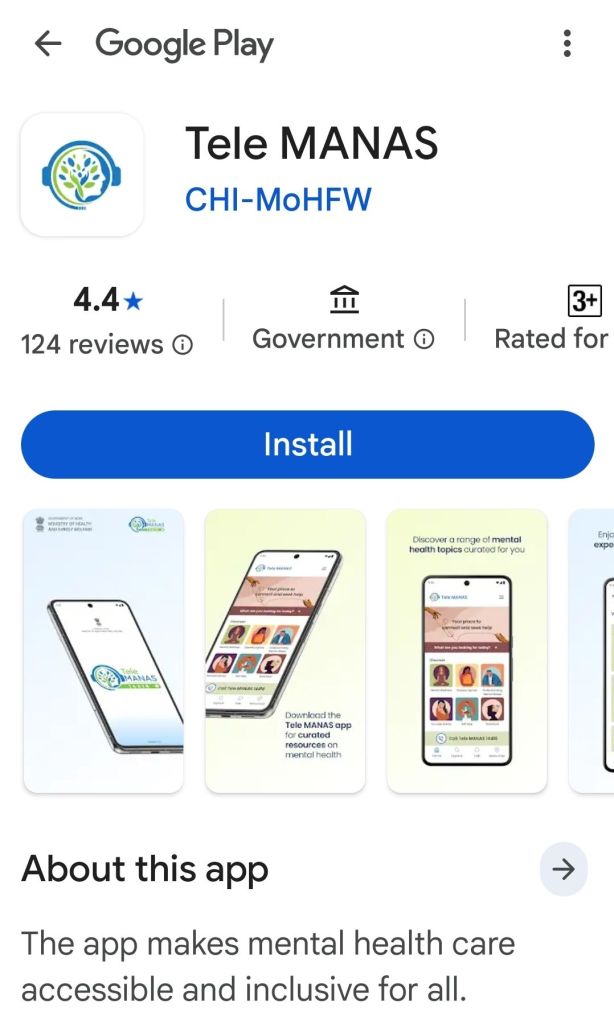
Important Disclaimer: This is not a diagnostic tool or substitute for professional medical advice. Suicide risk assessments like the Columbia-Suicide Severity Rating Scale (C-SSRS) or Ask Suicide-Screening Questions (ASQ) are validated clinical instruments used by experts. If you’re in crisis, contact emergency services immediately (e.g., Indian MH Helplines TeleMANAS 14416, 988 Suicide & Crisis Lifeline in the US, or local equivalents like 9152987821 in India). Consult a doctor, therapist, or helpline for personalized support. This self-test aims to raise awareness and encourage prevention by identifying risks early.
How to Use the MSRA Self-Test
- Answer the 15 questions honestly based on your experiences in the past month (unless specified otherwise).
- Scoring: Yes = 1 point; No = 0 points.
- Total your score at the end.
- Interpret results and follow recommendations.
Questionnaire
- Mental Distress: Have you felt persistently sad, hopeless, worthless, or depressed? (Common in male suicides, including Robin Williams’ case.)
- Anxiety and Health Issues: Do you experience severe anxiety, paranoia, insomnia, or suspect an undiagnosed serious health condition (e.g., neurological issues like those Robin Williams faced)?
- Substance Use: Do you have a history of alcohol or drug dependence, or increased use recently? (A strong predictor in men.)
- Relationship Breakdowns: Are you dealing with divorce, separation, or relationship conflicts, including harassment from a partner or family? (Evident in Atul Subhash’s allegations.)
- Legal and Financial Pressures: Have you faced false accusations, extortion, custody battles, or overwhelming financial stress from legal/family matters? (Key in Atul Subhash’s note.)
- Discrimination and Oppression: Have you experienced discrimination based on caste, social status, race, or other identities, leading to exclusion or injustice? (Central to Rohith Vemula’s tragedy.)
- Professional/Academic Stress: Are you unemployed, facing job loss, academic suspension, or intense work pressure? (Linked to Rohith Vemula’s suspension and general male risks.)
- Isolation: Do you feel socially isolated, lacking support from friends, family, or community? (A major factor in middle-aged male suicides.)
- History of Abuse or Trauma: Have you experienced physical, sexual, or emotional abuse, bullying, or harassment? (Increases risk significantly.)
- Family History: Is there a family history of suicide or mental health disorders? (Includes intergenerational trauma in clan or extended families.)
- Access to Means: Do you have easy access to lethal means, such as firearms, drugs, or other methods? (Heightens immediate risk.)
- Suicidal Thoughts or Attempts: Have you had thoughts of suicide, made plans, or attempted suicide in the past? (Critical warning sign; answer “yes” if any apply.)
- Historical Marginalization: Are you from a historically marginalized or traumatized group (e.g., based on race, ethnicity, caste, sexual orientation, or other identities with intergenerational trauma)? (Linked to higher suicide risks due to discrimination and historical oppression.)
- Clan/Family Trauma: Do you come from a clan or family background with collective trauma, such as historical violence, displacement, or inherited mental health vulnerabilities? (Familial transmission can increase personal risk.)
- Narcissistic Abuse and Parental Alienation: Have you experienced narcissistic abuse, including parental alienation where a child is turned against you (e.g., in custody disputes or family conflicts)? (Strongly associated with suicide in alienated fathers.)
Scoring and Interpretation
Add up your “Yes” answers for a total score out of 15. Score Range Risk Level Explanation and Recommendations
0-4 Low Risk: Few indicators present. Maintain healthy habits like exercise, social connections, and stress management. Monitor changes and seek routine mental health check-ups if needed.
5-9 Moderate Risk: Several factors may be building stress. Talk to a trusted friend or professional. Consider therapy, support groups (e.g., for men’s mental health, alienated parents, or marginalized communities), or helplines. Address specific issues like relationships, finances, or historical trauma proactively.
10-15 High Risk: Multiple serious risks; immediate action is crucial. Contact a crisis hotline now (e.g., 988 in the US, AASRA at 91-22-27546669 in India). See a mental health professional urgently. Remove access to lethal means and build a safety plan, similar to SAFE-T guidelines.
Prevention Tips Inspired by RohitRAM
- Seek Help Without Stigma: Men often face societal pressure to “tough it out,” but reaching out saves lives. Use apps, online forums, or anonymous helplines, especially for issues like parental alienation or historical trauma.
- Build Support Networks: Combat isolation by joining communities addressing discrimination (like Rohith’s case), family trauma, or parental alienation support groups.
- Address Root Causes: For legal/family issues (Atul’s story) or narcissistic abuse, consult unbiased legal aid or specialized therapists. For health (Robin’s dementia) or historical trauma, get early screenings and culturally sensitive support.
- Protective Factors: Foster resilience through exercise, hobbies, financial planning, and strong relationships. If dealing with parental alienation, document experiences and seek family counseling early.
- Spread Awareness: Share this tool publicly to honor these lives and prevent future tragedies.
If your score concerns you, act today—help is available, and recovery is possible.
*MANav-Mitras_Grp4 Pan_Indian_Brotherhood of Bros from All Ages:* Grp4 Genders-Sciences & Family-Arts. Manava-Abivridi (Human_Development).
All-India Brothers’ Awareness & PeerSupport Group. Trauma-Informed & Narc-Abuse Aware Community.
Enable FundaMentl Duty of *Article 51A(e)* 4CommonBrotherhood.
#JaiBharat #JaiBhaitva
#SupportiveSiblings.
*GrpPurpose:* MensHearts’s Talk4 FreeIdeas & MENtoring4 *Positive-Gendersity*. https://grpvcare2dare.design.blog/2021/12/02/s87-project-manav_mitras-connect-heart2heart-for-universal-brotherhood-fraternal-culture-friendships-group-prasad/
*ResOURceGrp4:* Brothrly2030. OurBroCodes: https://bit.ly/3zMlXJh
Ideas2Actions_Place of *MANav-Mitras +ve Brotherhood*
Mens & Bros SupportGroup4 Health, Fitness & Wellness, Positive_masculinity, Genders_Sciences, Gender-Cultures & Genders_Safety for BetterMent of Sense, Self & Society. Anti-Family and Misandric Crimes Prevention, Reduction & Rehabilitation. *#Sarva-ManavaHitham.*
*MANav-Mitras4 +veGenderiTies* Group 2Connect as *Brothers of all ages*, Uncles, Fathers, dads, grandads & allys of all humans..etc
Our Global Group Motto:
*“MANavaHitam Paramo Dharmaha.* (HuMAN Welfare is our First Duty).”
Better_Genderity = Better_society. Unconditional Friendship is best ship.
*MANAVAMITRAS is an INDO_Bros’ Supports Group 4 Genders Infoneeds of Men’s_Wellness & Family Welfare:*
*Lets Unify Indian Brotherhoods* for Problem Solving Our Next_gen Genders literacy.
Our MM’s-Grp Mission is Unite Friends 4Genders_Justice, Social_Harmony & Neo Indian_SaferFamilies 4.0.
Men’s Friendship+ Moral + Mental Support = *MENtorships.* @MANospheres.
*All Genders’ Wellness & Bros2 Healthify Life Group:*
https://chat.whatsapp.com/KecJokbFlP4F0azMaCyeyA
 GRP_VCare2Dare