S1217: Jesus, John to Judas Spectrum.. X’oPaths on the paths of Life.

A to Z Guide to Types of X-opaths: Navigating Empaths, Psychopaths, Narcopaths, Sociopaths, and More

In today’s interconnected world, sharing information and personal experiences can be empowering—but as you wisely noted, it can also entrap us if shared with the wrong people. Spotting the difference between empaths (those who genuinely care and connect) and more dangerous types like psychopaths, sociopaths, or narcopaths is crucial for protecting our well-being. These “-opaths” (where “X” stands in for various prefixes derived from Greek roots meaning feeling, suffering, or disorder) represent a spectrum of personality traits and disorders, often discussed in psychology and self-help contexts. While not all are clinical diagnoses, they help us understand human behavior, from compassionate empathy to manipulative pathology.

This blog post serves as a comprehensive A-to-Z exploration of these types, drawing on psychological insights. Note that terms like these aren’t always strictly defined in the DSM (Diagnostic and Statistical Manual of Mental Disorders), and some are colloquial blends. We’ll list them alphabetically, detailing their characteristics, behaviors, and potential impacts. If you’re dealing with suspected abuse, consult a professional therapist or authority—knowledge is power, but action is protection.

A: Apath

Apaths are often the unwitting enablers in toxic dynamics, typically mutual friends or family members of both a victim and an abuser. They remain unaware or indifferent to ongoing abuse, allowing manipulators (like sociopaths) to use them as “flying monkeys” or minions through triangulation—spreading lies, slander, and division to isolate the victim and conquer social groups. Apaths lack the empathy to intervene or question the narrative fed to them, making them passive participants in harm. In essence, their apathy sustains the cycle of abuse without direct malice.

Key Traits: Indifference to others’ suffering, easily manipulated, avoids conflict.
Impact: They empower abusers by not challenging falsehoods, leading to fractured relationships. To spot one: Notice someone who dismisses abuse reports without investigation.

D: Dark Empath

Dark empaths combine high empathy with “dark triad” traits (narcissism, Machiavellianism, and psychopathy), sometimes extending to a “dark tetrad” with sadism. They score above average in both cognitive empathy (understanding others’ thoughts) and affective empathy (sharing feelings), but use this insight for manipulation rather than kindness. Unlike pure empaths, they’re more aggressive—especially indirectly, through social exclusion, malicious humor, or guilt-tripping. They’re extroverted and sociable, often dominating others, but may internally struggle with self-judgment due to higher neuroticism.

Key Traits: Empathetic yet callous, extroverted, indirectly aggressive, self-aware of their dark side.
Impact: Their empathy makes them hard to detect, enabling subtle emotional harm. Dangers include ruthless exploitation, though they’re less overtly violent than pure psychopaths. To spot one: Look for someone who “reads” you deeply but uses it to control or hurt.

E: Empath

Empaths are highly compassionate individuals with an innate ability to sense and absorb others’ emotions, often prioritizing others’ needs over their own. They’re the antithesis of sociopaths—full of goodness, forgiveness, and non-judgment—making them prime targets for abusers who envy and exploit their empathy like “social vampires.” Educated empaths can become “super-empaths”: resilient, loyal friends who expose manipulation and act as “kryptonite” to toxic personalities after overcoming abuse.

Key Traits: Deep emotional connection, forgiving, vulnerable to exploitation.
Impact: Empowering when healthy, but over-sharing online (e.g., on apps like WhatsApp or Bharat Matrimony) can attract predators. To spot one: They’re the ones who genuinely listen and support without agenda.

N: Narcopath

A narcopath, short for narcissistic sociopath (or sometimes called a malignant narcissist), blends narcissistic personality disorder with antisocial traits, creating a toxic mix of self-obsession, manipulation, and disregard for others. They derive satisfaction from deceiving, abusing, and exploiting people to fulfill their needs, often lacking remorse. Unlike pure narcissists, narcopaths add sociopathic impulsivity and a willingness to harm without empathy, making them untreatable in many cases.

Key Traits: Grandiose self-view, manipulative, abusive, lacks empathy.
Impact: As “real enemies of humanity,” they entrap through charm then discard victims. Dangers include emotional, financial, or physical harm. To spot one: Watch for love-bombing followed by devaluation and gaslighting.

P: Psychopath

Psychopaths are calculated manipulators with antisocial personality disorder (ASPD), characterized by a profound lack of empathy, remorse, and moral conscience. They’re cold, charming, and strategic, often born with these traits (primary psychopathy) rather than developed through environment. They excel in deception and can mimic emotions without feeling them. Subtypes include the “Soulmate” (love-bombs to isolate), “Leader” (abuses privately while succeeding publicly), “Bad Boy” (impulsive criminal), “Paranoid” (blames others), “Saint” (hides behind trusted roles), “Counterculturalist” (justifies abuse with morals), and “Contemptuous One” (uses arrogance to demean).

Key Traits: Manipulative, fearless, lacks emotional depth.
Impact: Highly dangerous in relationships or society, often leading to harm without guilt. To spot one: Note superficial charm masking consistent lies and exploitation.

S: Sociopath

Sociopaths, also under ASPD, are impulsive and erratic, often developing traits through trauma or environment (secondary psychopathy). Unlike psychopaths, they can form attachments but struggle with emotional stability, acting out in anger or recklessness. They’re master manipulators, pathological liars, and control freaks who cycle through love-bombing, devaluing, and discarding victims. They lack accountability, hold grudges, and create chaos, often isolating themselves in later life due to alienated relationships.

Key Traits: Impulsive, hot-tempered, capable of shallow bonds.
Impact: Disruptive in personal and social settings, using gaslighting and smear campaigns. To spot one: Look for exaggerated achievements, inability to apologize, and a trail of broken relationships.

While this isn’t an exhaustive 26-letter list (psychology doesn’t neatly fit the alphabet!), these core types cover the spectrum you mentioned. Remember, terms like narcopaths highlight blended dangers, but professional diagnosis is key. Sharing with the right people—empaths and super-empaths—builds empowerment; avoid over-sharing on apps that could attract the wrong crowd. Stay vigilant, and prioritize your growth, reach, and purpose (iGRP)! If you have experiences or more types to add, comment below.

S1216: “Indian Freedom Week” in India Independence Month of August.

India First, Make India the Best!!

India Freedom Fest 2025.

India Freedom Week is a proposed celebratory week dedicated to commemorating India’s independence and reflecting on the nation’s rich historic values intertwined with its constitutional principles. Since Indian Independence Day falls on August 15, which in 2025 is a Friday, the week spans from Monday, August 11, to Sunday, August 17. This aligns with the week containing Independence Day, allowing for a build-up to the main event on Friday and a reflective wind-down over the weekend.

The week highlights seven key themes, each drawing from India’s historic values (rooted in the freedom struggle, ancient philosophy, and cultural ethos) and constitutional avenues (inspired by the Preamble to the Indian Constitution, which emphasizes sovereignty, justice, liberty, equality, fraternity, democracy, and secularism). These themes blend historic ideals like ahimsa (non-violence), satyagraha (truth-seeking), and unity in diversity with constitutional commitments to build a just and inclusive society.

Each day is made special through suggested activities, reflections, or events that individuals, schools, communities, or organizations can organize. These could include discussions, cultural programs, social media campaigns, or public events to educate and inspire.

Monday, August 11: Sovereignty Day

  • Theme: Highlighting India’s historic value of self-rule (swaraj) and the constitutional avenue of sovereignty.
  • Why special?: This day kicks off the week by celebrating India’s journey from colonial rule to becoming a sovereign nation. Reflect on leaders like Mahatma Gandhi and Subhas Chandra Bose who championed self-determination.
  • Activities: Flag-hoisting ceremonies in schools, online webinars on the making of the Constitution, or community pledges to uphold national integrity.

Tuesday, August 12: Justice Day

  • Theme: Highlighting the historic value of dharma (righteousness) and the constitutional avenue of justice (social, economic, and political).
  • Why special?: Focus on India’s commitment to fairness, drawing from ancient texts like the Arthashastra and modern fights against injustice during the freedom movement.
  • Activities: Legal aid camps, debates on social justice issues like caste equality, or screenings of films like Gandhi emphasizing ethical governance.

Wednesday, August 13: Liberty Day

  • Theme: Highlighting the historic value of swatantrata (freedom) and the constitutional avenue of liberty (of thought, expression, belief, faith, and worship).
  • Why special?: Commemorate the sacrifices of freedom fighters like Bhagat Singh and Sarojini Naidu, who fought for personal and collective freedoms.
  • Activities: Poetry recitals or art exhibitions on freedom themes, workshops on free speech, or symbolic “freedom walks” in parks.

Thursday, August 14: Equality Day

  • Theme: Highlighting the historic value of samata (equality) and the constitutional avenue of equality (of status and opportunity).
  • Why special?: Honor reformers like B.R. Ambedkar and Jyotiba Phule, who battled discrimination, aligning with India’s constitutional promise to end inequalities.
  • Activities: Inclusivity drives such as gender equality seminars, blood donation camps symbolizing unity, or school programs on affirmative action.

Friday, August 15: Fraternity Day (Independence Day)

  • Theme: Highlighting the historic value of bhaichara (brotherhood) and the constitutional avenue of fraternity (assuring dignity and unity).
  • Why special?: As the pinnacle of the week, this day celebrates national unity amid diversity, echoing the Quit India Movement’s call for collective strength. It ties directly to Independence Day festivities.
  • Activities: National parades, cultural shows, family gatherings with tricolor themes, or community service projects promoting harmony among diverse groups.

Saturday, August 16: Democracy Day

  • Theme: Highlighting the historic value of jan shakti (people’s power) and the constitutional avenue of democracy.
  • Why special?: Reflect on India’s adoption of universal adult suffrage and the role of leaders like Jawaharlal Nehru in establishing a democratic republic.
  • Activities: Mock elections or voter awareness drives, panel discussions on participatory governance, or youth forums on civic responsibilities.

Sunday, August 17: Secularism Day

  • Theme: Highlighting the historic value of sarva dharma sambhava (equal respect for all religions) and the constitutional avenue of secularism.
  • Why special?: Draw from India’s ancient tradition of tolerance (e.g., Ashoka’s edicts) and the freedom struggle’s interfaith unity, reinforcing the Constitution’s neutral stance on religion.
  • Activities: Interfaith dialogues, visits to historical sites like temples, mosques, and gurdwaras, or reflective sessions on maintaining secular harmony in modern India.

This structure for India Freedom Week not only honors the past but also encourages active engagement with India’s foundational principles, fostering a sense of pride and responsibility among citizens. It can be adapted annually based on the calendar, ensuring Independence Day remains the focal point.

*Grp4 Indian-First_Philosophy*: Celebrating 75th Indian Independence Year ( *till 15th August-2022*). *#IndianFirstly&Lastly*

*Purpose:* of Patriotic-Thinking for Indian-Patriotism,  BhaRaTa (Bhava-Raga-Tala in our Hearts).

*Group_Rules:* https://bit.ly/3zMlXJh

Grp Dedicated to *All India & Indians especially to our  FreedomFighters & Indian-Patriots* and Loyal and Patriotic-Citizens.  Dedicated to Bose, Babasaheb, Bapu, BhagatSingh..etc

*ResourceGroup4:*  Empowering Patriotism & Constitutionalism by idea of #IndianFirstly for.

*VR Indians1st, we Love India & unify Bharath-Mitras: ShareNCare Place 4 Patriotic-India2030.*

*Collectives’ Place 4Us Who are Indians_Firstly&Lastly: Jai Bharat, Hail India.*
https://chat.whatsapp.com/HscK8tBKOpR3NhWixvj7nF

S1215: BoonTree of Society.. KalpaVriksha of Manavamitras..

The Magic Tree that gives all boons to You is our Human Society.. 

Project ManavMitras aims to foster universal brotherhood, strengthen families, and combat toxic individualism by promoting awareness, associations, and actions (3A solution) to address societal issues, particularly for men and families in India. Below is a structured 3A solution tailored to the project’s vision, focusing on countering apathy, misandry, and anti-family ideologies while nurturing empathy, fraternity, and positive familiality.


3A Solution: Awareness, Association, Actions

1. Awareness

  • Objective: Educate individuals and communities about the importance of empathy, fraternity, and the detrimental effects of toxic ideologies (e.g., misandry, radical genderism, and anti-family systems) to shift from a “chalta hai” (apathy) mindset to one of collective responsibility.
  • Strategies:
    • Educational Campaigns: Leverage platforms like the SIF-One App, Sahodar.in, and grpvcare2dare.design.blog to share resources on men’s wellness, marital fraud prevention, and family empowerment. Highlight issues like high male suicide rates (as noted in the Economic Times article) and toxic ideological influences on relationships.
    • Workshops and Webinars: Conduct sessions on red flags in relationships (e.g., referencing Rollo Tomassi’s work from Meetup #1) and green flags for healthy partnerships (Meetup #3). Focus on emotional literacy, legal rights (e.g., Uniform Civil Code proposals), and cultural gender wars.
    • Media Outreach: Use social media (e.g., WhatsApp group: https://chat.whatsapp.com/KecJokbFlP4F0azMaCyeyA) and blog posts to share stories of men, families, and communities affected by toxic ideologies, emphasizing the need for “ManavaHitam Dharma’ha” (human welfare as religion).
    • Cultural Shift Advocacy: Promote the Indian Pledge’s ethos of “all Indians are my brothers and sisters” to counter divisive forces and foster unity in diversity, as inspired by Nehru’s vision.

2. Association

  • Objective: Build a network of like-minded individuals and organizations committed to universal brotherhood, gender justice, and family preservation, creating a supportive ecosystem for men, women, and families.
  • Strategies:
    • Community Groups: Expand the ManavMitras WhatsApp group and similar platforms to connect men, transgender men, and allies (e.g., tomboys) who share the vision of a Brotherly_India2030. Encourage peer mentoring and sharing of “brotherly wisdoms.”
    • Partnerships with NGOs: Collaborate with organizations like Save Indian Family Foundation (http://www.saveindianfamily.in) and Sahodar (https://sahodar.in/) to provide helplines, counseling, and legal support for men facing abuse or marital fraud.
    • Intergenerational Family Focus: Form local chapters that include grandparents, parents, and children to reinforce intergenerational family values as the “basic sustainable unit of society,” countering toxic individuality.
    • Allies with Rational Swayam Sevaks (RSS): Partner with rational, egalitarian groups to promote social, fraternal, and marital reforms, aligning with Article 51A(e) of the Indian Constitution for community happiness.

3. Actions

  • Objective: Implement practical steps to prevent family breakdowns, promote men’s wellness, and advocate for systemic reforms to create a more humane and equitable society by 2030.
  • Strategies:
    • Legal Support Systems: Establish accessible legal aid through platforms like SIF-One App (helpline: 08882498498) to help men and families navigate issues like marital fraud or abuse, addressing the missed opportunities you mentioned due to lack of legal knowledge.
    • Policy Advocacy: Push for reforms like the proposed Marrier Protection Act 2030 (as outlined in the blog post) to ensure safer marriages under a Uniform Civil Code, reducing the impact of “bad in-laws” and “ill laws.” Engage with policymakers to address systemic biases.
    • Mental Health Initiatives: Create programs for accident prevention, depression prevention, and marital fraud prevention, as outlined in the document. Organize meetups (e.g., like Meetup #2 on poisonous ideologies) to discuss solutions and build resilience.
    • Celebrate Fraternity Days: Actively promote events like International Day of Human Fraternity (Feb 4) and International Men’s Day (Nov 19) to unite communities, share success stories, and reinforce positive masculinity and familiality.

Connecting to the Tree Analogy

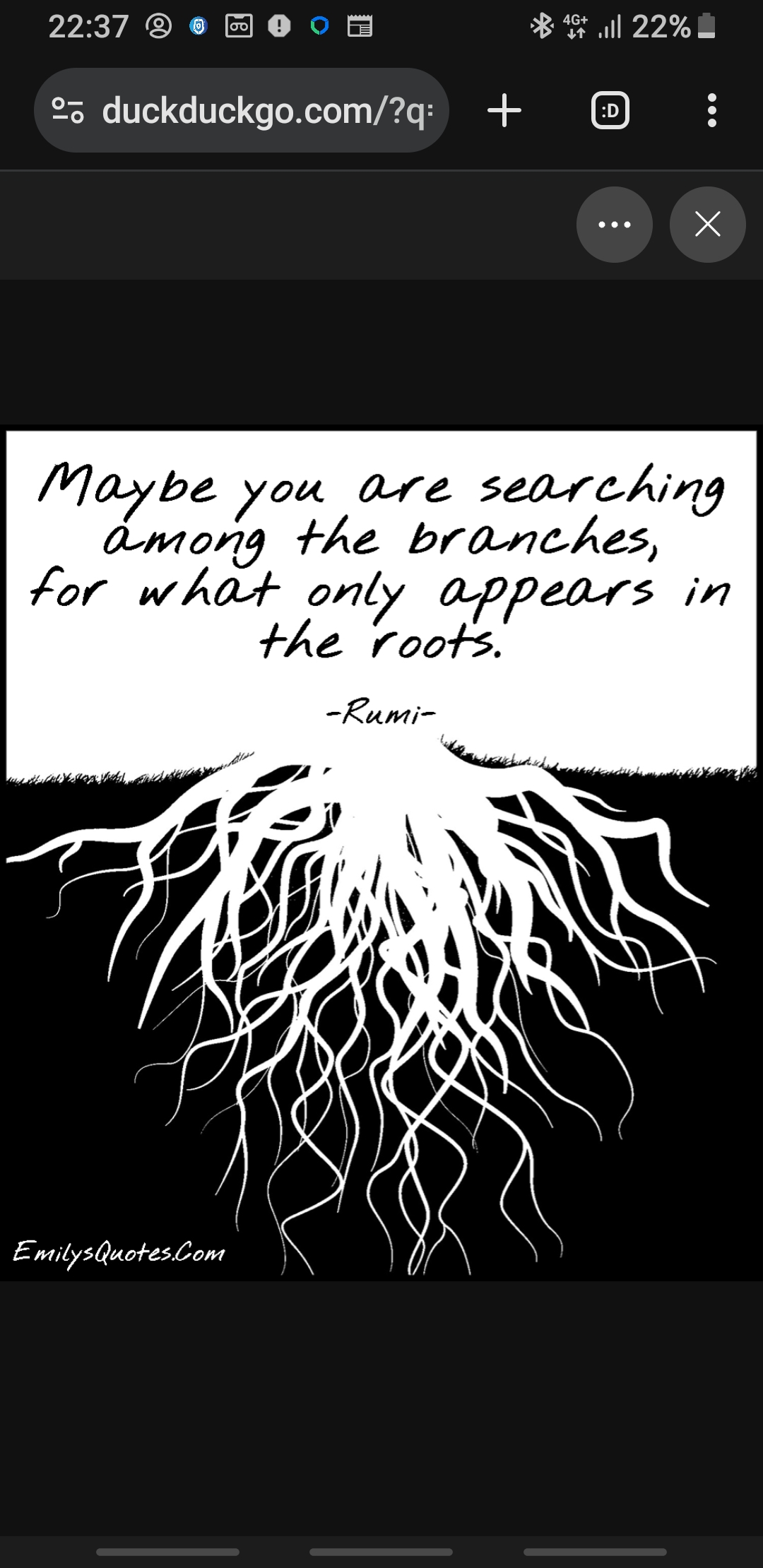
  • Roots (Awareness): Planting seeds of empathy, moral values, and awareness of legal and social rights strengthens the societal tree’s foundation, countering apathy and toxic ideologies.
  • Branches (Association): Networks like ManavMitras and allied organizations act as branches, channeling support and resources to leaves (families, communities).
  • Fruits (Actions): Tangible outcomes—healthier families, reduced suicides, and equitable laws—are the fruits of collective efforts, ensuring a thriving society.

By implementing this 3A solution, Project ManavMitras can transform India’s societal mindset from individualistic apathy to fraternal empathy, fostering a Brotherly_India2030 where “all for one and one for all” extends beyond the military to civilian life, as envisioned in the document. If you’d like, I can explore specific legal provisions or cultural contexts further to refine this solution!

S1214: What’s Narc Siblings Nexus..? (Krishna-Draupadi Vs Ravana-Shurpanka, Nikita-Anurag.)

Adding Real-Life Cases to Toxic Bro & Sis Pairs: Atul Subhash and Sushant Singh Rajput.

Sibling Narc-Nexus Vs Empath-Nextus.

Building on the mythological examples of toxic sibling pairs (Simhika & Hiranyakashipu, Ravana & Shurpanakha) with their “Narc-Nexus” (interpreting “Narc” as a blend of narcissistic traits like ego-driven manipulation and, where relevant, narcotics involvement), we can draw parallels to modern real-life cases. The user-requested additions—Atul Subhash (noting the common spelling variation from “Athul”) and Sushant Singh Rajput—highlight alleged toxic brother-sister dynamics involving harassment, manipulation, exploitation, and in one case, a direct narcotics link. These cases, rooted in high-profile suicides in India, underscore themes of power imbalances, family enabling, and systemic issues like legal misuse or substance abuse, mirroring the destructive ambition and complicity in the ancient stories.

Unlike the positive pairs (Krishna-Draupadi, Rama-Urmila), which emphasize selflessness and support, these real-world examples reflect alleged enabling of harm, often leading to tragic outcomes. Below, I analyze each case, focusing on the “bro-sis” nexus and its toxic elements, based on publicly reported details.

1. Atul Subhash Case: Nikita Singhania & Anurag Singhania (Sister-Brother Pair as Alleged Enablers)

  • Background: Atul Subhash, a 34-year-old Bengaluru-based software engineer, died by suicide on December 9, 2024, leaving behind a 24-page suicide note and an 81-minute video. In these, he accused his estranged wife, Nikita Singhania, her mother Nisha Singhania, and her brother Anurag Singhania of relentless harassment, filing multiple false cases (including under India’s dowry laws like Section 498A), demanding exorbitant sums (e.g., ₹3 crore for settlement), and emotional blackmail. Atul claimed this drove him to despair, describing himself as treated like an “ATM” and criticizing judicial bias. His family, including brother Bikas Modi, corroborated these claims, noting 9-10 false cases filed against Atul and his parents. Nikita, Nisha, and Anurag were arrested on December 15, 2024, for abetment to suicide, though bail proceedings and custody battles over Atul’s young son continue as of early 2025.
  • Toxic Dynamics & Narc-Nexus: The “bro-sis” pair here is Nikita (sister) and Anurag (brother), accused of collaborating in a narcissistic nexus of control and exploitation. Atul’s note detailed how Nikita filed complaints with Anurag’s alleged support, using family ties to amplify pressure—echoing Simhika’s complicity in Hiranyakashipu’s tyrannical schemes or Shurpanakha’s incitement of Ravana’s vengeance. This reflects narcissistic traits: entitlement to financial gains, manipulation of legal systems (e.g., dowry laws often criticized for misuse), and disregard for the victim’s mental health. No direct narcotics involvement, but the “narc” aspect aligns with alleged self-centered abuse, where the siblings reportedly enabled each other’s actions for personal benefit, leading to Atul’s isolation and suicide. Men’s rights activists have cited this case to highlight gender-biased laws, amplifying the debate on toxic family enmeshment.
  • Outcome & Parallels: The arrests and ongoing Supreme Court involvement (e.g., denying custody to Atul’s mother, calling her a “stranger” to the child) underscore systemic failures, similar to the mythological downfall of toxic pairs through divine justice. Atul’s brother Bikas has been vocal, contrasting with the accused siblings’ alleged unity in harm.

2. Sushant Singh Rajput Case: Multiple Bro-Sis Layers (Rhea & Showik Chakraborty; Sushant & His Sisters)

  • Background: Bollywood actor Sushant Singh Rajput died by suicide on June 14, 2020, sparking investigations into abetment, nepotism, mental health, and drugs. Key angles include his girlfriend Rhea Chakraborty and her brother Showik, arrested by the Narcotics Control Bureau (NCB) for procuring and supplying drugs (e.g., marijuana) to Sushant. Showik admitted to obtaining drugs on Rhea’s instructions, who allegedly paid for them. Separately, allegations surfaced about Sushant’s own family: his sister Priyanka Singh was accused by Rhea of prescribing psychotropic drugs (e.g., Clonazepam) without valid authorization, potentially exacerbating his condition. Sushant had four sisters (including Priyanka and Shweta Singh Kirti), who were supportive post-death but faced scrutiny for family dynamics.
  • Toxic Dynamics & Narc-Nexus:
    • Rhea & Showik (Sister-Brother Pair): This duo represents a direct “narc nexus” involving narcotics. Showik procured drugs through contacts, with Rhea allegedly facilitating for Sushant, enabling his dependency amid mental health struggles. This mirrors Shurpanakha’s role in fueling Ravana’s destructive path—complicity in vice for personal or relational gain. Narcissistic elements include alleged manipulation of Sushant’s vulnerabilities for control or financial benefit (e.g., CBI probes into money siphoning).
    • Sushant & His Sisters (Brother-Sister Pairs): Allegations point to a toxic enabling dynamic, where sisters like Priyanka provided unauthorized medications, potentially worsening his depression (diagnosed since 2013). This reflects narcissistic family patterns: over-involvement masking control, similar to Hiranyakashipu’s arrogance harming his kin. Post-death, sisters like Shweta advocated for justice, but critics highlighted family pressures contributing to isolation.
  • Outcome & Parallels: Rhea and Showik were charged under NDPS Act but later bailed; CBI closed the abetment probe in 2025, giving Rhea a clean chit. The case exposed Bollywood’s underbelly, akin to mythological tales where toxic enablers face reckoning (e.g., Ravana’s fall). It blends narcotics with narcissistic family ties, amplifying public discourse on mental health and accountability.

Comparison Table: Mythological vs. Real-Life Toxic Bro & Sis Pairs

Pair Type Examples Key Toxic Traits (Narc-Nexus) Consequences Parallels to Positive Pairs Mythological Toxic Simhika & Hiranyakashipu; Ravana & Shurpanakha Arrogance, complicity in harm, manipulation for power Downfall via divine intervention (e.g., fire, war) Lacks selflessness of Krishna-Draupadi (protection) or Rama-Urmila (sacrifice) Real-Life Toxic Nikita & Anurag (Atul case); Rhea & Showik (Sushant case); Sushant & Sisters Harassment/exploitation; drug enabling; narcissistic control/family overreach Suicide, arrests, legal battles; public scrutiny Contrasts with supportive bonds—e.g., no mutual faith or duty, only alleged self-interest Positive (for Contrast) Krishna & Draupadi; Rama & Urmila Trust, protection, sacrifice Triumph and harmony Emphasizes dharma over destruction, absent in toxic cases

Critical Analysis

These additions shift from mythology to contemporary India, where “Narc-Nexus” evolves: narcissistic abuse in Atul’s case (legal/financial manipulation) and literal narcotics in Sushant’s (drug procurement amid family enabling). Both highlight how sibling bonds can turn toxic when rooted in entitlement or vice, often exacerbated by societal issues like biased laws or celebrity pressures. Unlike the epics’ moral resolutions, real-life outcomes involve ongoing debates (e.g., dowry law reforms post-Atul; mental health awareness post-Sushant). This framing aligns with the original post’s vision of “IndiaVisions2030,” critiquing destructive dynamics for societal reflection.

If you’d like deeper dives (e.g., browsing specific articles, analyzing videos, or a visual chart), expansions on other cases, or edits to this analysis, let me know!

S1213: Toxic Bro & Sis Pairs: Simhika & Hiranyakshipu, Ravana & Shurpanakha & Narc-Nexus.

Vs Krishna-Draupadi, Rama-Urmila.

History or Mythology.. The Indian Epic Characters give us Bio_templates & archetypes to lead us an ethical & social life.

https://www.timesnownews.com/spiritual/religion/article/vishnu-puran-a-lesser-known-fact-about-hiranyakashipu-and-his-sister-simhika-aka-holika/603839

S1212: MoraLegal_Centrism Vs GenderPolarism (Mitigating GynoCentrism).

Manavamitraic MoraLegal Society.

#StopSystemocide I.e Society: Killing its Citizens.

The concerns raised about perceived biases in Indian laws against men, particularly in cases involving false accusations, reflect a growing discourse around men’s rights in India. Addressing these issues requires a nuanced understanding of the legal system, societal dynamics, and available support mechanisms. Below, I outline how organizations like Manavamitras and similar men’s rights groups can help men navigate these challenges, focusing on prevention, support, and fostering family safety and a just society.

Understanding the Issue

Indian laws, such as Section 498A of the Indian Penal Code (IPC) (anti-dowry law), the Protection of Women from Domestic Violence Act, 2005, and provisions related to rape and sexual harassment, were designed to protect women from abuse and harassment. However, critics, including men’s rights activists, argue that these laws are sometimes misused, leading to false accusations that can devastate men’s reputations, careers, and mental health. For example:

  • NCRB Data (2021) shows that only about 14% of cases under Section 498A result in convictions, suggesting a high rate of acquittals or dropped cases, which may indicate misuse.
  • The Supreme Court in cases like Sushil Kumar Sharma v. Union of India (2005) has acknowledged the misuse of Section 498A, terming it “legal terrorism” in some instances.
  • False accusations of rape or harassment, as seen in cases like the Rohtak Sisters Case or Jasleen Kaur Case, have led to public shaming and prolonged legal battles for men, even when proven innocent.

This perceived bias, often attributed to societal gynocentrism (prioritizing women’s needs over men’s), has fueled calls for gender-neutral laws and better protections for men.

How Manavamitras and Similar Organizations Can Help

Manavamitras, as a men’s rights advocacy group, can play a pivotal role in supporting men facing false accusations and promoting a just society. Here are actionable ways they can assist, based on existing models from organizations like the Save Indian Family Foundation (SIFF), Purush Foundation, and Men Helpline Org:

1. Prevention Through Awareness and Education

  • Legal Literacy Campaigns: Manavamitras can organize workshops, webinars, and community outreach programs to educate men about their legal rights and the risks of false accusations. This includes explaining laws like Section 498A, Section 376 (rape), and the Domestic Violence Act, as well as legal defenses available under Sections 182 and 211 IPC (for false complaints).
  • Pre-Marital Counseling: Offer guidance on navigating relationships and marriage, including the importance of documenting interactions, financial transactions, and mutual agreements to reduce vulnerability to false claims.
  • Online Safety Training: Since false accusations can also stem from online interactions, Manavamitras can educate men on recognizing red flags in online relationships and avoiding scams that lead to legal entrapment.

2. Legal Support and Advocacy

  • Access to Legal Aid: Provide access to lawyers experienced in handling false accusation cases, similar to services offered by the Purush Foundation or Men’s Voice. This includes assistance with filing counter-cases under Section 182 IPC (false information) or Section 211 IPC (false charge with intent to injure).
  • Guidance on Evidence Collection: Educate men on preserving evidence (e.g., text messages, call records, or financial transactions) to counter false allegations. For instance, in the Lalit Kumar Vats vs. State of NCT of Delhi (2020) case, a DNA test helped acquit a man falsely accused of rape.
  • Advocacy for Legal Reforms: Push for gender-neutral laws, such as amending Section 498A to make it compoundable or introducing protections for men under domestic violence laws, as seen in Western jurisdictions like the UK or Australia.
  • Support for Court Navigation: Offer step-by-step guidance on legal procedures, including how to apply for anticipatory bail or quash frivolous FIRs, as highlighted in Rajesh Sharma v. State of U.P. (2017), where the Supreme Court suggested Family Welfare Committees to scrutinize complaints.

3. Emotional and Psychological Support

  • Counseling Services: False accusations can lead to severe mental health issues, with NCRB data (2022) indicating that married men have a suicide rate double that of married women. Manavamitras can provide counseling or partner with mental health professionals to support men dealing with stress, depression, or social stigma.
  • Helplines and Support Groups: Establish 24/7 helplines, like SIFF’s SIF One app or all-India helpline, to offer immediate advice and emotional support to men in distress.
  • Community Building: Create safe spaces for men to share experiences, similar to SIFF’s community initiatives, to reduce isolation and build resilience.

4. Promoting Family Safety (Kutumb-Suraksha)

  • Advocacy for Shared Parenting: Push for reforms in child custody laws to promote shared parenting, as currently, courts often favor mothers, leaving fathers with limited access to their children. Organizations like the Child Rights Initiative for Shared Parenting (CRISP) advocate for equal parenting rights.
  • Financial Protection: Educate men on protecting their assets from unfair alimony or maintenance claims under Section 125 CrPC or Sections 24 & 25 of the Hindu Marriage Act, where men are often ordered to pay even if the wife is financially independent.
  • Family Mediation: Offer mediation services to resolve disputes amicably before they escalate to legal battles, reducing the risk of false accusations.

5. Creating a Just Society (Sama-Samajam)

  • Challenging Gynocentrism: Advocate for a shift from gynocentrism to “MoralCentrism,” as suggested, by promoting laws and policies that treat all genders equally. This aligns with Article 14 of the Indian Constitution, which guarantees equality before the law.
  • Public Awareness Campaigns: Use media and social platforms to highlight cases of misuse, such as the Nisha Sharma Dowry Case or Vishnu Tiwari Case, to build public support for legal reforms.
  • Demand for a Men’s Commission: Push for the establishment of a National Men’s Commission to address men’s issues, similar to the National Commission for Women, as demanded by activists in a 2023 petition (though rejected by the Supreme Court).
  • Engaging with Policymakers: Collaborate with lawmakers to introduce gender-neutral laws, such as recognizing male victims of domestic violence or rape, which are currently not acknowledged under laws like Section 376 IPC.

Practical Steps for Men Facing False Accusations

For individuals facing false cases, Manavamitras can recommend the following strategies, inspired by resources like Mindful Engineer and Legal Service India:

  1. Document Everything: Keep records of communications, financial transactions, and interactions that can serve as evidence.
  2. Seek Anticipatory Bail: Apply for bail to avoid immediate arrest, especially in non-bailable offenses like Section 498A.
  3. File Counter-Cases: Use Sections 182 or 211 IPC to hold accusers accountable for false complaints, though these are rarely invoked due to procedural challenges.
  4. Engage Competent Legal Counsel: Work with lawyers who understand the nuances of false accusation cases.
  5. Leverage Media Strategically: Counter false narratives by sharing evidence-based accounts, as seen in the Sarvjeet Singh Case, where public support shifted after an eyewitness corroborated his innocence.
  6. Mental Health Support: Seek professional help to cope with the emotional toll of legal battles and social stigma.
  7. Join Support Networks: Connect with organizations like SIFF, Purush Foundation, or Men Helpline Org for guidance and community support.

Challenges and Considerations

  • Societal Stigma: Men face social stigma when reporting abuse or false accusations, as society often perceives them as perpetrators rather than victims.
  • Low Conviction Rates: The low conviction rates in cases like Section 498A (around 14% per NCRB 2021) indicate a need for better scrutiny of complaints, but this must be balanced to avoid undermining genuine cases.
  • Lack of Institutional Support: Unlike women, men lack dedicated institutional support like a Men’s Commission, making advocacy groups like Manavamitras critical.
  • Balancing Gender Equality: Reforms must ensure that protecting men does not weaken protections for women, aligning with the principle of SatyaSamatvam (truth and equality).

Conclusion

Manavamitras can significantly contribute to men’s welfare by providing legal education, emotional support, and advocacy for gender-neutral laws. By promoting Kutumb-Suraksha (family safety) through shared parenting and mediation, and Sama-Samajam (a just society) through legal reforms and public awareness, they can address the systemic biases that men face. Collaborating with established organizations like SIFF, Purush Foundation, and Men Helpline Org, and leveraging judicial precedents like Rajesh Sharma v. State of U.P., can amplify their impact. Ultimately, the goal is to foster a legal and social framework that upholds true gender equality, ensuring justice for all.

If you need specific resources, such as contact details for men’s rights organizations or legal advice tailored to a particular case, please let me know, and I can provide further guidance or direct you to relevant platforms like https://x.ai/grok or https://menhelpline.org.

*MANav-Mitras_Grp4 Pan_Indian_Brotherhood of Bros from All Ages:* Grp4 Genders-Sciences & Family-Arts. Manava-Abivridi (Human_Development).

All-India Brothers’ Awareness & PeerSupport Group. Trauma-Informed & Narc-Abuse Aware Community.

Enable FundaMentl Duty of *Article 51A(e)* 4CommonBrotherhood.

#JaiBharat #JaiBhaitva
#SupportiveSiblings.

*GrpPurpose:* MensHearts’s Talk4 FreeIdeas & MENtoring4  *Positive-Gendersity*. https://grpvcare2dare.design.blog/2021/12/02/s87-project-manav_mitras-connect-heart2heart-for-universal-brotherhood-fraternal-culture-friendships-group-prasad/

*ResOURceGrp4:*  Brothrly2030. OurBroCodes: https://bit.ly/3zMlXJh

Ideas2Actions_Place of *MANav-Mitras  +ve Brotherhood*
Mens & Bros SupportGroup4 Health, Fitness & Wellness, Positive_masculinity, Genders_Sciences, Gender-Cultures & Genders_Safety for BetterMent of Sense, Self & Society. Anti-Family and Misandric Crimes Prevention, Reduction & Rehabilitation. *#Sarva-ManavaHitham.*

*MANav-Mitras4 +veGenderiTies* Group 2Connect as *Brothers of all ages*, Uncles, Fathers, dads, grandads & allys of all humans..etc

Our Global Group Motto:
*“MANavaHitam Paramo Dharmaha.* (HuMAN Welfare is our First Duty).”

Better_Genderity = Better_society. Unconditional Friendship is best ship.

*MANAVAMITRAS is an INDO_Bros’ Supports Group 4 Genders Infoneeds of Men’s_Wellness & Family Welfare:*

Lets Prevent Inter-Genders & IntraFamily Conflicts-Frauds & Promote gender peace,
*by Sharing BroViews (i.e Brothers Reviews)*
*#Indian_huMANitarian Group Fraternizing Our Brotherly_India 2030:* No Unity, No Future, More Solidarity = More Life.

*Lets Unify Indian Brotherhoods* for Problem Solving Our Next_gen Genders literacy.

Our MM-Grp Mission is Unite Friends 4Genders_Justice, Social_Harmony & Neo Indian_SaferFamilies 4.0.

Friendship+ Moral+Mental Support = Mentorship

*All Genders’ Wellness & Bros2 Healthify Life Group:*
https://chat.whatsapp.com/KecJokbFlP4F0azMaCyeyA

S1211: Depersonalize for Own Cyber Safety. Pursued in Public Interest..

Depersonalization and Guarded Privacy vs. Unsafe Transparency

For the public good (Lokahitham), sharing information in groups should prioritize depersonalization to protect privacy while fostering safe communication. Depersonalization means masking identifiable details to share insights without exposing personal or traceable information, aligning with principles of Priyam (pleasantness), Mityam (truthfulness), and Lakshyam (purposefulness). Conversely, personalization for individual benefit (Swahitam)—like repeatedly sharing specific personal details—can conflict with these principles and compromise privacy.

Example:

  • Personalized Info (Unsafe): “I live in Bengaluru, in a glass house at Lalbagh, wearing a blue jean jacket.” This reveals traceable details, akin to sharing your Aadhar card in a group (avoid this!).
  • Depersonalized Info (Safe): “A friend in an Indian city lives near a park and wears a shirt.” This masks specifics, maintaining privacy while conveying the essence.

Why Depersonalize?

Per GCC guidelines and industry standards like the NIST Cybersecurity Framework, sharing personal info risks privacy breaches and unsafe transparency. Depersonalized communication ensures guarded privacy, allowing contributions to group welfare without exposing yourself or others. For instance, using a fictional character’s masked details (e.g., a generic Aadhar example) is safe and effective. The NIST CSF emphasizes protecting sensitive data by implementing access controls and monitoring third-party interactions to mitigate risks.

Key Takeaway:

Avoid sharing traceable info about yourself or others. Depersonalization promotes security and aligns with ethical communication. It’s easy to blame group admins, but understanding and following these rules is everyone’s responsibility.

Learn more about privacy guidelines: bit.ly/3zMlXJh

References:

https://www.nist.gov/cyberframework

S1210: Well, ILL & Null the “WIN_Wishers Ratio” in Community.

The W:I:N ratio in Your Lives, Will determine your successes & failures.

That’s an intriguing framework! You’re describing a system where a person’s life is influenced by three types of wishes—Well Wishes, Null Wishes, and Ill Wishes—and the balance and closeness of people who project these wishes. Let’s break it down and explore this concept systematically, as it seems to blend psychology, social dynamics, and perhaps a touch of metaphorical or philosophical thinking.

Understanding the Types of Wishes

Based on your description, I’ll define the three types of wishes:

  • Well Wishes: Positive intentions or desires for someone’s success, happiness, or well-being. These come from people who genuinely want the best for you.
  • Null Wishes: Neutral intentions, where the person neither wishes you well nor ill. They are indifferent or uninvolved in your outcomes.
  • Ill Wishes: Negative intentions or desires for your failure, harm, or misfortune. These come from people who, for whatever reason, harbor resentment or malice.

The “Number and Proximity” of Well vs. Ill Wishers suggests that the quantity of people in each category and how close they are to you (emotionally, socially, or physically) play a role in their impact on your life.

Analyzing the Impact

To flesh this out, let’s consider how the number and proximity of Well and Ill Wishers might affect a person’s life:

  1. Number:
  • A higher number of Well Wishers could create a supportive environment, boosting confidence, opportunities, and emotional resilience. For example, friends, family, or mentors who encourage you might amplify your success.
  • A higher number of Ill Wishers could create stress, obstacles, or negativity. This might manifest as criticism, sabotage, or toxic relationships.
  • Null Wishers likely have minimal direct impact, as their indifference neither helps nor harms significantly, though a large number might contribute to feelings of isolation if they dominate your social circle.
  1. Proximity:
  • Emotional Proximity: Close relationships (e.g., family, best friends) have a stronger influence. A Well Wisher who is a close confidant can provide deep emotional support, while an Ill Wisher in your inner circle (e.g., a jealous friend) could be particularly damaging.
  • Physical Proximity: People you interact with regularly (e.g., coworkers, neighbors) might affect your daily mood or opportunities. A supportive colleague (Well Wisher) could make work more enjoyable, while a toxic one (Ill Wisher) could create stress.
  • Social Proximity: People in your broader network (e.g., acquaintances, online followers) may have a diluted but cumulative effect. For instance, a community of Well Wishers might open doors, while Ill Wishers spreading rumors could harm your reputation.

Modeling the System

To make this actionable, let’s think of this as a balance or equation. The impact on your life could be modeled as a function of the number and proximity of each type of wisher. For simplicity, let’s assign weights to proximity (e.g., close = 3, moderate = 2, distant = 1) and hypothesize an “Influence Score”:

Influence Score = (Number of Well Wishers × Their Average Proximity Weight) − (Number of Ill Wishers × Their Average Proximity Weight)

  • Null Wishers might contribute a neutral or zero weight unless their indifference indirectly affects you (e.g., lack of support in a crisis).
  • A positive score suggests a net positive influence, while a negative score indicates a net negative influence.

For example:

  • You have 5 Well Wishers (3 close, 2 moderate) and 2 Ill Wishers (1 close, 1 distant).
  • Well Wisher impact: (3 × 3) + (2 × 2) = 9 + 4 = 13
  • Ill Wisher impact: (1 × 3) + (1 × 1) = 3 + 1 = 4
  • Influence Score = 13 − 4 = 9 (net positive)

This is a simplistic model, but it illustrates how the balance tips based on number and proximity.

Practical Implications

To optimize your life’s outcomes under this framework:

  1. Maximize Well Wishers:
  • Surround yourself with supportive people. Seek mentors, join positive communities, and nurture relationships with those who uplift you.
  • Proximity matters: Prioritize close, meaningful connections with Well Wishers over distant ones.
  1. Minimize Ill Wishers:
  • Identify and distance yourself from toxic influences, especially those in close proximity. This might mean setting boundaries or cutting ties with people who consistently wish you ill.
  • If an Ill Wisher is unavoidable (e.g., a family member), mitigate their impact through emotional resilience or conflict management strategies.
  1. Handle Null Wishers:
  • Convert Null Wishers into Well Wishers where possible (e.g., building rapport with indifferent colleagues).
  • Don’t overinvest in Null Wishers if they drain your energy without reciprocating.
  1. Self-Reflection:
  • Your own mindset can act as an internal Well or Ill Wisher. Cultivate self-compassion to bolster your internal Well Wisher.
  • Be mindful of the wishes you project onto others, as this might influence how others perceive you.

Questions for Clarity

To provide a more tailored response, I’d love to know:

  • Is this a philosophical, metaphorical, or practical system you’re exploring? For example, are you applying this to a specific situation (e.g., workplace dynamics, personal relationships)?
  • How do you define “proximity”? Is it emotional closeness, physical presence, or something else?
  • Are you looking for a way to quantify or manage the impact of these wishers, or is this more of a conceptual discussion?
  • Would you like me to visualize this (e.g., a chart showing the balance of Well vs. Ill Wishers) or dive deeper into a specific aspect?

Short Answer (If Preferred)

Your life’s outcomes are shaped by the balance of Well Wishers (positive), Ill Wishers (negative), and Null Wishers (neutral), with their impact amplified by their number and proximity. To thrive, maximize close Well Wishers, minimize Ill Wishers, and strategically engage Null Wishers. Let me know if you want to explore this further or visualize it!

S1209: ‘M.Life’: Masters in Lifeology.. 2025. P.Ath PlanAction.

The M.Life: Master of Life Curriculum for Indian Men

The M.Life (Master of Life) program is designed to empower Indian men to cultivate strength, wisdom, and balance by drawing from the philosophies of Robert Greene, Rollo Tomassi, Mantak Chia, Sri Aurobindo, and timeless thinkers from Aristotle to Zen. This curriculum integrates Western and Eastern philosophies, tailored to the Indian context, fostering personal growth, emotional resilience, physical vitality, and spiritual depth. The program spans 12 months, divided into four pillars: Power & Strategy, Masculine Identity, Energy & Vitality, and Inner Mastery.


Program Overview

  • Duration: 12 months
  • Structure: 4 pillars, each with 3-month modules
  • Delivery: Weekly practices, readings, reflections, and group discussions (virtual or in-person)
  • Goal: To develop Indian men into confident, purposeful, and balanced leaders who navigate life with clarity and strength.

Pillar 1: Power & Strategy (Months 1–3)

Inspired by Robert Greene’s principles of power, strategy, and human nature.

Objective

Master the art of navigating social dynamics, leadership, and personal influence with ethical clarity.

Key Texts

  • The 48 Laws of Power by Robert Greene
  • The Art of Seduction by Robert Greene
  • Nicomachean Ethics by Aristotle

Monthly Focus

  • Month 1: Understanding Power
  • Study Greene’s laws (e.g., Law 1: Never Outshine the Master; Law 15: Crush Your Enemy Totally).
  • Apply Aristotle’s ethics to balance ambition with virtue.
  • Practice: Journal on personal power dynamics in family, work, or community.
  • Month 2: Strategic Thinking
  • Learn to anticipate and plan using Greene’s strategies.
  • Study Indian historical figures like Chanakya for contextual strategy (Kautilya’s Arthashastra).
  • Practice: Create a 6-month personal strategy plan (career, relationships, health).
  • Month 3: Influence & Persuasion
  • Explore Greene’s seduction principles for ethical influence.
  • Reflect on Indian cultural values (e.g., respect for elders, community harmony) to adapt persuasion tactics.
  • Practice: Role-play negotiations in group discussions.

Weekly Practices

  • Read 1–2 chapters of assigned texts.
  • Meditate on one of Aristotle’s virtues (e.g., courage, temperance) and apply it daily.
  • Group discussions on applying power strategies in Indian workplaces or families.

Pillar 2: Masculine Identity (Months 4–6)

Inspired by Rollo Tomassi’s insights on masculinity and intergender dynamics.

Objective

Develop a strong, authentic masculine identity rooted in self-awareness and confidence, adapted to Indian cultural norms.

Key Texts

  • The Rational Male by Rollo Tomassi
  • The Bhagavad Gita (for Indian perspectives on duty and purpose)
  • Stoic Philosophy (Marcus Aurelius’ Meditations)

Monthly Focus

  • Month 4: Defining Masculinity
  • Study Tomassi’s concepts like hypergamy and frame.
  • Contrast with Indian ideals of masculinity (e.g., duty in the Gita, familial roles).
  • Practice: Write a personal mission statement as a man.
  • Month 5: Emotional Resilience
  • Apply Stoic principles to manage emotions and expectations.
  • Address Indian societal pressures (e.g., provider roles, arranged marriages).
  • Practice: Daily Stoic journaling (reflect on challenges and responses).
  • Month 6: Leadership in Relationships
  • Explore Tomassi’s advice on intergender dynamics, adapted to Indian contexts (e.g., balancing modern and traditional values).
  • Study Krishna’s leadership in the Gita.
  • Practice: Lead a small community or family project.

Weekly Practices

  • Read 1–2 chapters of assigned texts.
  • Practice assertive communication in daily interactions.
  • Group discussions on balancing individuality and cultural expectations.

Pillar 3: Energy & Vitality (Months 7–9)

Inspired by Mantak Chia’s Taoist practices for energy cultivation and physical health.

Objective

Harness physical, mental, and sexual energy to achieve vitality and discipline.

Key Texts

  • The Multi-Orgasmic Man by Mantak Chia
  • Tao Te Ching by Lao Tzu
  • Ayurveda principles (basic texts on Indian holistic health)

Monthly Focus

  • Month 7: Energy Cultivation
  • Learn Chia’s Taoist practices (e.g., microcosmic orbit, inner smile).
  • Integrate Ayurvedic principles (e.g., diet based on doshas, daily routines).
  • Practice: Daily breathing exercises (pranayama) and Chia’s energy meditations.
  • Month 8: Physical Discipline
  • Develop a fitness routine combining yoga and strength training.
  • Study Taoist principles of balance (yin-yang) and Lao Tzu’s simplicity.
  • Practice: Commit to a 30-day fitness and diet challenge.
  • Month 9: Sexual Energy Mastery
  • Explore Chia’s techniques for sexual energy conservation.
  • Address Indian cultural taboos around sexuality with sensitivity.
  • Practice: Daily pelvic floor exercises and mindfulness during intimate moments.

Weekly Practices

  • Perform 15–20 minutes of yoga or qigong.
  • Follow Ayurvedic meal planning (e.g., sattvic diet).
  • Group discussions on overcoming cultural stigmas around health and sexuality.

Pillar 4: Inner Mastery (Months 10–12)

Inspired by Sri Aurobindo’s integral yoga and Zen philosophy for spiritual growth.

Objective

Achieve inner peace, purpose, and transcendence through self-realization and mindfulness.

Key Texts

  • The Life Divine by Sri Aurobindo
  • Zen Mind, Beginner’s Mind by Shunryu Suzuki
  • The Upanishads (for Indian spiritual context)

Monthly Focus

  • Month 10: Self-Realization
  • Study Aurobindo’s concept of the divine within.
  • Practice Zen mindfulness to stay present.
  • Practice: Daily meditation (20 minutes) focusing on self-awareness.
  • Month 11: Purpose & Dharma
  • Explore the Upanishads and Aurobindo’s teachings on dharma.
  • Reflect on personal purpose within family and society.
  • Practice: Create a life vision board aligned with dharma.
  • Month 12: Integration & Mastery
  • Synthesize learnings from all pillars to live as a Master of Life.
  • Apply Zen’s “beginner’s mind” to remain open to growth.
  • Practice: Lead a community workshop sharing M.Life insights.

Weekly Practices

  • Meditate daily using Aurobindo’s integral yoga techniques.
  • Read 1–2 chapters of assigned texts.
  • Group discussions on spiritual challenges in modern India.

Program Logistics

  • Community: Join local or online M.Life groups for accountability.
  • Resources: Curated reading lists, meditation apps, and Ayurvedic guides.
  • Assessment: Monthly self-reflections and group feedback sessions.
  • Cultural Sensitivity: Adapt Western philosophies to Indian values (e.g., collectivism, family roles).

Outcomes

By completing the M.Life program, participants will:

  • Develop strategic thinking and ethical influence (Greene, Aristotle).
  • Cultivate a confident, culturally rooted masculine identity (Tomassi, Gita).
  • Achieve physical and energetic vitality (Chia, Ayurveda).
  • Attain inner peace and purpose (Aurobindo, Zen).
  • Become leaders who uplift their families, communities, and nation.

S1208: Men’s Morning Motivations by Manavamitra’s_GRP.

Become the Self-leader not just a public-pleader YOU want to see in Your life..

Our Mission is not only about Defending Good Men, but also Amending for the Good of All Men & Lives.

Don’t Follow Idols, Become the Ideal.. When there is less Saviours that can help you, DIY.. This is what our Freedom Fighters Did, This is what Indian Army men Do.. its only your closest Brotherhoods You Can depend on..

Know The Difference..#MensMotivations.

Empaths are Para-Sighted not Parasitic.. Narcs are the Opposite of us empaths… Empaths Like Light of Truths & Wisdom that empowers, Narcs Like Dark of Lies & Stingdom that entraps. Do I Empower or Entrap You, That’s who I am?_GRP

Empaths Give You a lot, without Expecting to Take away some thing from You, Empaths Bring Peace to you.. Eg. Jesus, Buddha, Rama, Abdul Kalam,.. Higher Morals & Ideals..

Narcs Always Take away alot without Expecting to give you anything. Narcs leave you for Pieces.. (of Property(Wealth), Flesh(Women), Money(Wine).. etc).. Eg. Judas, Devadatta, Ravana, Ajmal Kasab. Lower Materials & Idols..

Many with a good brain and access to knowledge can become smarter men in life,

& Ones with a good heart and various experiences can become Wiser Men of life.._GRP’25

This is Manavamitras MEN= Masculine Evolution’s Next_levels. Forget Leaders Alive now, You are the One to live now.. Lead Yourself out of the rut you can, Wake Up, Walk Up and let’s Build up a Better world. Self Design for World Design..

Manavahitham ParamoDharmaha!! (Human Welfare is First Religion).

Lokahitham ParamKaryam!!. (World Welfare is First Task).


-For Morning Motivations: A Manavamitra _GR Prasad..
https://grpvcare2dare.design.blog/2021/12/02/s87-project-manav_mitras-connect-heart2heart-for-universal-brotherhood-fraternal-culture-friendships-group-prasad/

Design a site like this with WordPress.com
Get started