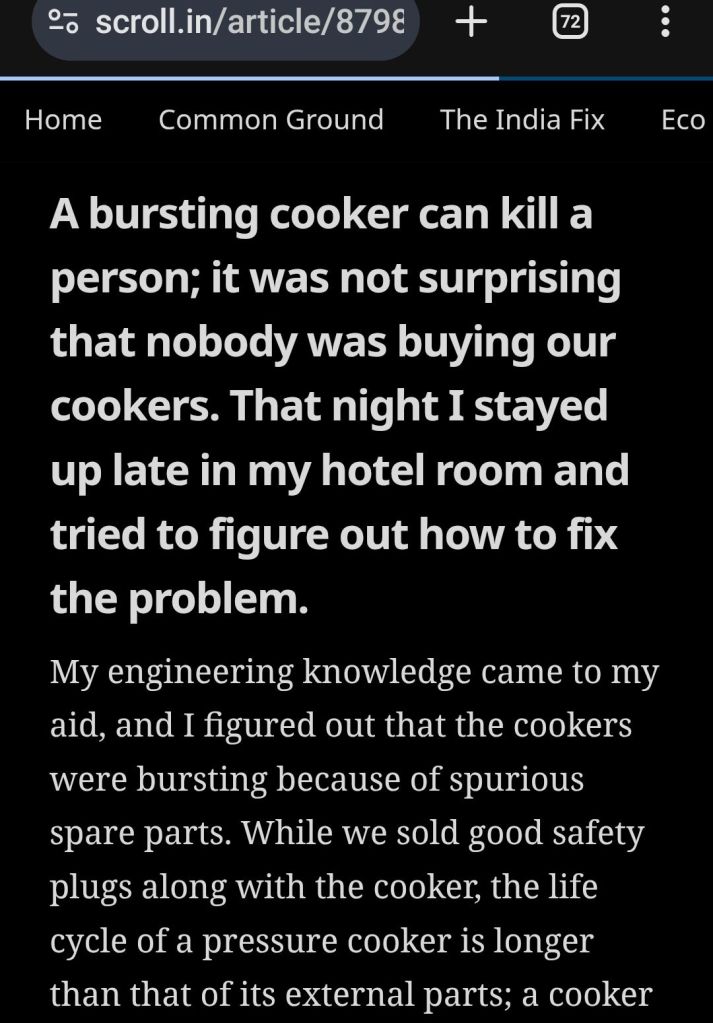
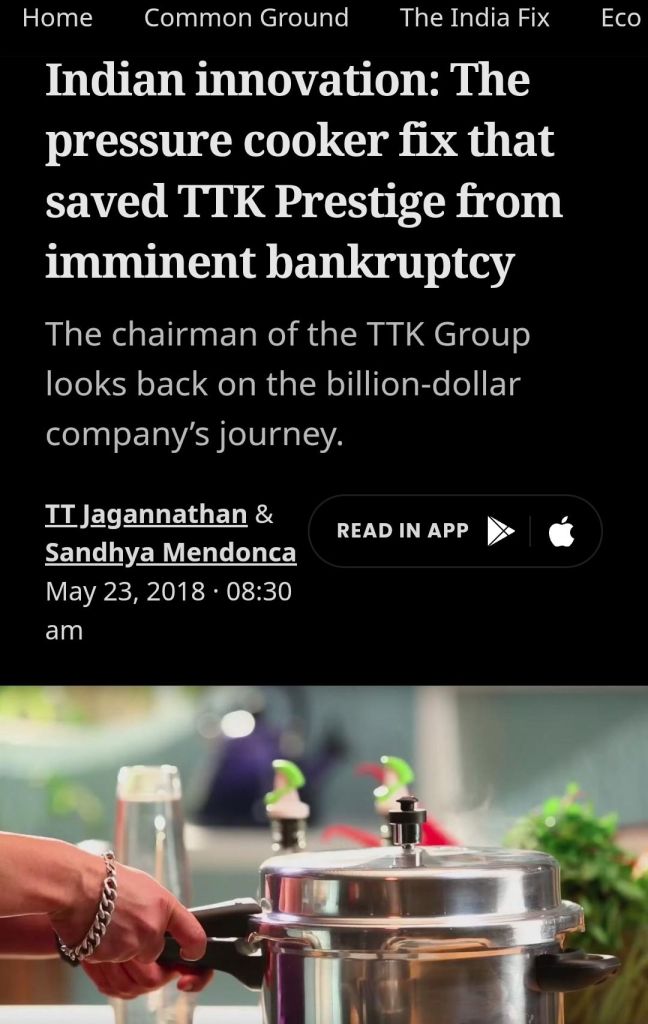
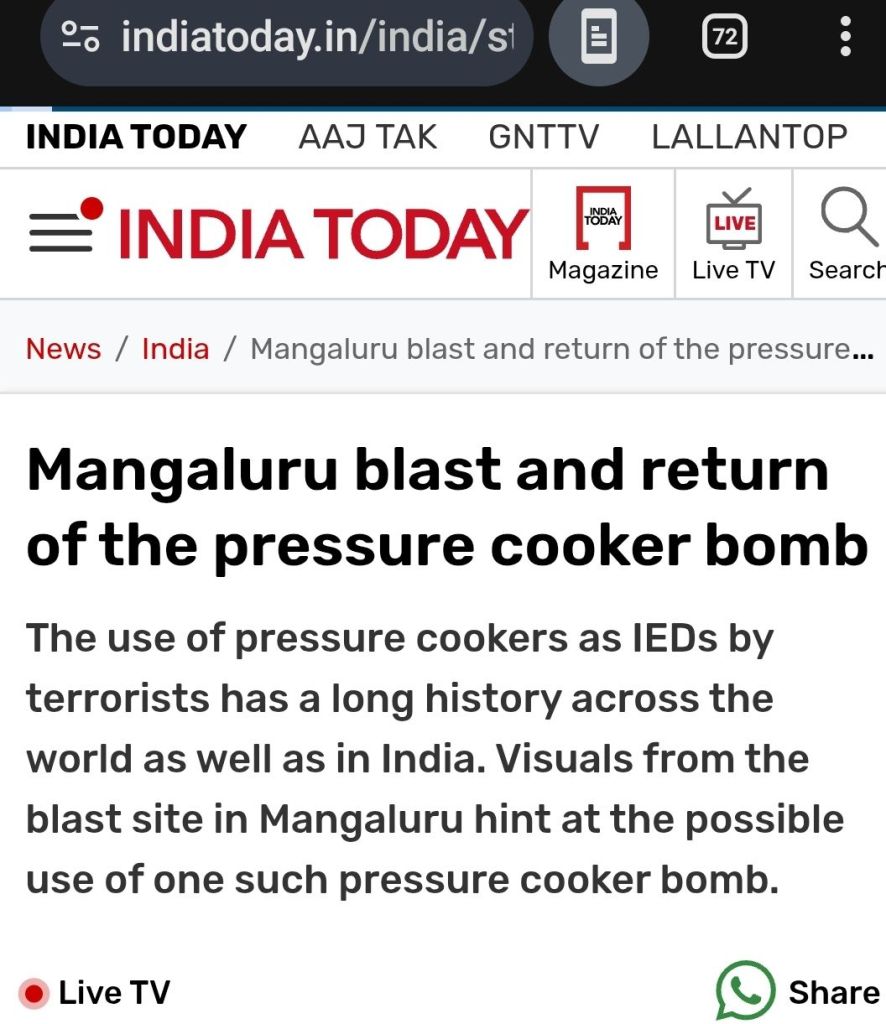
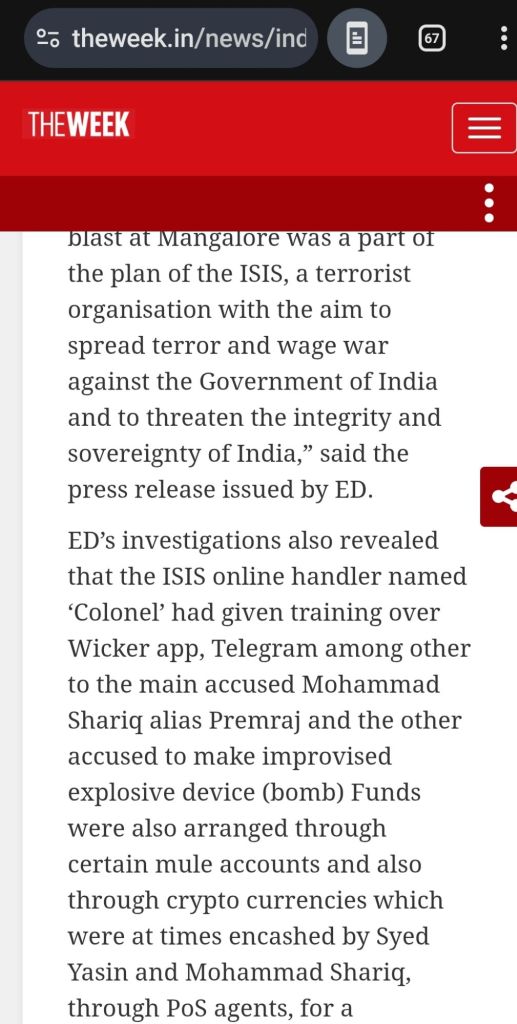
[27/08, 22:41] #Sundays4Sciences (Adv. G.R.P) GuRu Prasad.G: This is Why India follows the Middle Path Showing Middle Finger to Extremistic Ideologies of Both Wings of Super Capitalists Conservative-Religionists and Super Communists.. Ours is Democratic Socialism.. a central ideology between Capitalism and Communism..
[27/08, 22:44] #Sundays4Sciences (Adv. G.R.P) GuRu Prasad.G: https://en.wikipedia.org/wiki/Democratic_socialism this is what we need to also imbibe in Home and gender-politics.. between overt Patriarchy and covert Matriarchy.. is a space for Equiarchy…this is where InterGenders and harmony can be found.
[27/08, 22:44] #Sundays4Sciences (Adv. G.R.P) GuRu Prasad.G: Overt Patriarchy hurts more Women, Covert Matriarchy hurts more men.
S1253: Womens Sexual/Suicidal Risks Assessment Tool.
Intro to SAD Women’s Suicide/Sexual Risk Assessment Tool (WSRAT) for Safety by Prevention.
The SAD Women’s Suicide/Sexual Risk Assessment is a public self-test inspired by the tragic losses of Silk Smitha, Amanda Todd, and Disha Salian-Jiah Khan—women whose stories underscore the unique pressures faced by females, including sexual harassment, cyberbullying, family conflicts, and mental health struggles leading to suicide. “SAD” serves as an acronym honoring them: Silk Smitha (objectification and failed relationships), Amanda Todd (sextortion and online harassment), Disha Salian-Jiah Khan (Love Jihad, family stress, and Institutional-depression).
This tool is designed for adult females to self-evaluate potential suicide risks, with a focus on sexual-related factors, based on established research on women’s suicide risks. It incorporates general female-specific factors like intimate partner violence, sexual abuse, reproductive health issues, and cyberbullying. It also draws from the specific cases: Silk Smitha’s depression from financial woes and relationship failures; Amanda Todd’s torment from sextortion and relentless cyberbullying; and Disha Salian’s alleged depression linked to family financial misuse and personal conflicts.
Important Disclaimer: This is not a diagnostic tool or substitute for professional medical advice. Suicide risk assessments like the Columbia-Suicide Severity Rating Scale (C-SSRS) or Ask Suicide-Screening Questions (ASQ) are validated clinical instruments used by experts. If you’re in crisis, contact emergency services immediately (e.g., 988 Suicide & Crisis Lifeline in the US, or local equivalents like 9152987821 in India). Consult a doctor, therapist, or helpline for personalized support. This self-test aims to raise awareness and encourage prevention by identifying risks early, including those tied to sexual violence.
How to Use the WSRA Self-Test
- Answer the 15 questions honestly based on your experiences in the past month (unless specified otherwise).
- Scoring: Yes = 1 point; No = 0 points.
- Total your score at the end.
- Interpret results and follow recommendations.
Questionnaire
- Mental Distress: Have you felt persistently sad, hopeless, worthless, or depressed? (Common in female suicides, including Silk Smitha’s case.)
- Yes / No
- Anxiety and Health Issues: Do you experience severe anxiety, paranoia, insomnia, or reproductive health concerns (e.g., postpartum depression or hormonal imbalances)? (Linked to higher risks in women.)
- Yes / No
- Substance Use: Do you have a history of alcohol or drug dependence, or increased use recently? (A predictor in women, sometimes tied to coping with trauma.)
- Yes / No
- Relationship Breakdowns: Are you dealing with divorce, separation, or intimate partner conflicts, including emotional harassment? (Evident in Disha Salian’s family stresses.)
- Yes / No
- Intimate Partner Violence: Have you experienced physical, emotional, or sexual violence from a partner? (A major risk factor for suicide in women.)
- Yes / No
- Sexual Abuse or Assault: Have you been a victim of sexual abuse, assault, or exploitation (e.g., non-consensual sharing of images)? (Central to Amanda Todd’s tragedy and a key sexual risk linked to suicide.)
- Yes / No
- Cyberbullying or Sextortion: Have you faced online harassment, bullying, or extortion involving sexual content? (Directly contributed to Amanda Todd’s distress.)
- Yes / No
- Professional/Financial Stress: Are you facing job loss, financial debt, or industry pressures (e.g., objectification in entertainment)? (Linked to Silk Smitha’s financial burdens.)
- Yes / No
- Isolation: Do you feel socially isolated, lacking support from friends, family, or community? (Exacerbates risks in women.)
- Yes / No
- History of Childhood Trauma: Have you experienced childhood abuse, bullying, or adverse events? (Increases suicide risk significantly in women.)
- Yes / No
- Family History: Is there a family history of suicide, mental health disorders, or intergenerational trauma? (Includes issues like those in Disha Salian’s case.)
- Yes / No
- Access to Means: Do you have easy access to lethal means, such as pills, firearms, or other methods? (Heightens immediate risk.)
- Yes / No
- Discrimination and Objectification: Have you experienced gender-based discrimination, sexual objectification, or societal pressures? (Contributed to Silk Smitha’s struggles in the industry.)
- Yes / No
- Reproductive or Hormonal Stress: Are you dealing with issues like infertility, miscarriage, menopause, or postpartum challenges? (Unique risks for women.)
- Yes / No
- Suicidal Thoughts or Attempts: Have you had thoughts of suicide, made plans, or attempted suicide in the past? (Critical warning sign; answer “yes” if any apply.)
- Yes / No
Scoring and Interpretation
Add up your “Yes” answers for a total score out of 15. Score Range Risk Level Explanation and Recommendations
0-4 Low Risk: Few indicators present. Maintain healthy habits like exercise, social connections, and self-care. Monitor changes and seek routine mental health check-ups if needed.
5-9 Moderate Risk: Several factors may be building stress. Talk to a trusted friend or professional. Consider therapy, support groups (e.g., for survivors of sexual violence or women’s mental health), or helplines. Address specific issues like relationships or online safety proactively.
10-15 High Risk: Multiple serious risks; immediate action is crucial. Contact a crisis hotline now (e.g., 112 or 14416 TeleMANAS India, 988 in the US, RAINN at 800-656-4673 for sexual assault, or AASRA at 91-22-27546669 in India). See a mental health professional urgently. Remove access to lethal means and build a safety plan.
Prevention Tips Inspired by SAD
- Seek Help Without Stigma: Women often face barriers to reporting sexual risks or mental health issues; use anonymous resources like hotlines or apps for support.
- Build Support Networks: Combat isolation by joining communities for survivors of abuse (like Amanda’s legacy) or women’s groups addressing objectification.
- Address Root Causes: For sexual risks (Amanda’s sextortion), learn digital safety and report cybercrimes. For family/financial issues (Disha’s story), seek legal aid. For industry pressures (Silk’s case), advocate for better protections.
- Protective Factors: Foster resilience through self-defense training, therapy for trauma, financial planning, and strong relationships. If facing sexual violence, document incidents and seek immediate help.
- Spread Awareness: Share this tool publicly to honor these lives and prevent future tragedies.
If your score concerns you, act today—help is available, and recovery is possible.

Check out “Tele MANAS”
https://play.google.com/store/apps/details?id=org.telemanas.citizen
S1252: RohithRAMs’ MSRAT (Male Suicide Risk Assessment Tool).
RohitRAM Male Suicide Risk Assessment (MSRAT) for Prevention (Updated)
The RohitRAM Male Suicide Risk Assessment is a public self-test inspired by the tragic losses of Rohith Vemula, Robin Williams, Sushant, Atul Subhash and lakhs of Indians who have died by suicide—individuals whose stories highlight systemic, personal, and societal pressures contributing to male suicide. “RohitRAM” serves as an acronym honoring them: Rohith (discrimination and injustice), Oppression (social and institutional), Health challenges (mental and physical), Isolation, Trauma (relationship and legal), Relationship breakdowns, Abuse (substance and emotional), Mental distress.
Male-Female Suicides are not only personal problems, its roots and solutions are in Ideological, Familial and Social Issues…
This updated version incorporates additional risk factors based on user feedback, including historical marginalization and trauma in groups or families, and narcissistic abuse involving parental alienation of children. These elements draw from research on how intergenerational and societal trauma, as well as family conflicts like parental alienation, elevate suicide risks in men. It builds on general male suicide risk research, including mental health issues, relationship stressors, financial pressures, and discrimination. The MSRAT tool also reflects elements from the specific cases: Rohith Vemula’s experience with caste-based discrimination and institutional exclusion; Robin Williams’ struggles with undiagnosed Lewy body dementia, depression, anxiety, and substance use; and Atul Subhash’s allegations of marital harassment, false legal cases, and family court biases.
Important Disclaimer: This is not a diagnostic tool or substitute for professional medical advice. Suicide risk assessments like the Columbia-Suicide Severity Rating Scale (C-SSRS) or Ask Suicide-Screening Questions (ASQ) are validated clinical instruments used by experts. If you’re in crisis, contact emergency services immediately (e.g., Indian MH Helplines TeleMANAS 14416, 988 Suicide & Crisis Lifeline in the US, or local equivalents like 9152987821 in India). Consult a doctor, therapist, or helpline for personalized support. This self-test aims to raise awareness and encourage prevention by identifying risks early.
How to Use the MSRA Self-Test
- Answer the 15 questions honestly based on your experiences in the past month (unless specified otherwise).
- Scoring: Yes = 1 point; No = 0 points.
- Total your score at the end.
- Interpret results and follow recommendations.
Questionnaire
- Mental Distress: Have you felt persistently sad, hopeless, worthless, or depressed? (Common in male suicides, including Robin Williams’ case.)
- Yes / No
- Anxiety and Health Issues: Do you experience severe anxiety, paranoia, insomnia, or suspect an undiagnosed serious health condition (e.g., neurological issues like those Robin Williams faced)?
- Yes / No
- Substance Use: Do you have a history of alcohol or drug dependence, or increased use recently? (A strong predictor in men.)
- Yes / No
- Relationship Breakdowns: Are you dealing with divorce, separation, or relationship conflicts, including harassment from a partner or family? (Evident in Atul Subhash’s allegations.)
- Yes / No
- Legal and Financial Pressures: Have you faced false accusations, extortion, custody battles, or overwhelming financial stress from legal/family matters? (Key in Atul Subhash’s note.)
- Yes / No
- Discrimination and Oppression: Have you experienced discrimination based on caste, social status, race, or other identities, leading to exclusion or injustice? (Central to Rohith Vemula’s tragedy.)
- Yes / No
- Professional/Academic Stress: Are you unemployed, facing job loss, academic suspension, or intense work pressure? (Linked to Rohith Vemula’s suspension and general male risks.)
- Yes / No
- Isolation: Do you feel socially isolated, lacking support from friends, family, or community? (A major factor in middle-aged male suicides.)
- Yes / No
- History of Abuse or Trauma: Have you experienced physical, sexual, or emotional abuse, bullying, or harassment? (Increases risk significantly.)
- Yes / No
- Family History: Is there a family history of suicide or mental health disorders? (Includes intergenerational trauma in clan or extended families.)
- Yes / No
- Access to Means: Do you have easy access to lethal means, such as firearms, drugs, or other methods? (Heightens immediate risk.)
- Yes / No
- Suicidal Thoughts or Attempts: Have you had thoughts of suicide, made plans, or attempted suicide in the past? (Critical warning sign; answer “yes” if any apply.)
- Yes / No
- Historical Marginalization: Are you from a historically marginalized or traumatized group (e.g., based on race, ethnicity, caste, sexual orientation, or other identities with intergenerational trauma)? (Linked to higher suicide risks due to discrimination and historical oppression.)
- Yes / No
- Clan/Family Trauma: Do you come from a clan or family background with collective trauma, such as historical violence, displacement, or inherited mental health vulnerabilities? (Familial transmission can increase personal risk.)
- Yes / No
- Narcissistic Abuse and Parental Alienation: Have you experienced narcissistic abuse, including parental alienation where a child is turned against you (e.g., in custody disputes or family conflicts)? (Strongly associated with suicide in alienated fathers.)
- Yes / No
Scoring and Interpretation
Add up your “Yes” answers for a total score out of 15. Score Range Risk Level Explanation and Recommendations
0-4 Low Risk: Few indicators present. Maintain healthy habits like exercise, social connections, and stress management. Monitor changes and seek routine mental health check-ups if needed.
5-9 Moderate Risk: Several factors may be building stress. Talk to a trusted friend or professional. Consider therapy, support groups (e.g., for men’s mental health, alienated parents, or marginalized communities), or helplines. Address specific issues like relationships, finances, or historical trauma proactively.
10-15 High Risk: Multiple serious risks; immediate action is crucial. Contact a crisis hotline now (e.g., 988 in the US, AASRA at 91-22-27546669 in India). See a mental health professional urgently. Remove access to lethal means and build a safety plan, similar to SAFE-T guidelines.
Prevention Tips Inspired by RohitRAM
- Seek Help Without Stigma: Men often face societal pressure to “tough it out,” but reaching out saves lives. Use apps, online forums, or anonymous helplines, especially for issues like parental alienation or historical trauma.
- Build Support Networks: Combat isolation by joining communities addressing discrimination (like Rohith’s case), family trauma, or parental alienation support groups.
- Address Root Causes: For legal/family issues (Atul’s story) or narcissistic abuse, consult unbiased legal aid or specialized therapists. For health (Robin’s dementia) or historical trauma, get early screenings and culturally sensitive support.
- Protective Factors: Foster resilience through exercise, hobbies, financial planning, and strong relationships. If dealing with parental alienation, document experiences and seek family counseling early.
- Spread Awareness: Share this tool publicly to honor these lives and prevent future tragedies.
If your score concerns you, act today—help is available, and recovery is possible.
*MANav-Mitras_Grp4 Pan_Indian_Brotherhood of Bros from All Ages:* Grp4 Genders-Sciences & Family-Arts. Manava-Abivridi (Human_Development).
All-India Brothers’ Awareness & PeerSupport Group. Trauma-Informed & Narc-Abuse Aware Community.
Enable FundaMentl Duty of *Article 51A(e)* 4CommonBrotherhood.
#JaiBharat #JaiBhaitva
#SupportiveSiblings.
*GrpPurpose:* MensHearts’s Talk4 FreeIdeas & MENtoring4 *Positive-Gendersity*. https://grpvcare2dare.design.blog/2021/12/02/s87-project-manav_mitras-connect-heart2heart-for-universal-brotherhood-fraternal-culture-friendships-group-prasad/
*ResOURceGrp4:* Brothrly2030. OurBroCodes: https://bit.ly/3zMlXJh
Ideas2Actions_Place of *MANav-Mitras +ve Brotherhood*
Mens & Bros SupportGroup4 Health, Fitness & Wellness, Positive_masculinity, Genders_Sciences, Gender-Cultures & Genders_Safety for BetterMent of Sense, Self & Society. Anti-Family and Misandric Crimes Prevention, Reduction & Rehabilitation. *#Sarva-ManavaHitham.*
*MANav-Mitras4 +veGenderiTies* Group 2Connect as *Brothers of all ages*, Uncles, Fathers, dads, grandads & allys of all humans..etc
Our Global Group Motto:
*“MANavaHitam Paramo Dharmaha.* (HuMAN Welfare is our First Duty).”
Better_Genderity = Better_society. Unconditional Friendship is best ship.
*MANAVAMITRAS is an INDO_Bros’ Supports Group 4 Genders Infoneeds of Men’s_Wellness & Family Welfare:*
*Lets Unify Indian Brotherhoods* for Problem Solving Our Next_gen Genders literacy.
Our MM’s-Grp Mission is Unite Friends 4Genders_Justice, Social_Harmony & Neo Indian_SaferFamilies 4.0.
Men’s Friendship+ Moral + Mental Support = *MENtorships.* @MANospheres.
*All Genders’ Wellness & Bros2 Healthify Life Group:*
https://chat.whatsapp.com/KecJokbFlP4F0azMaCyeyA
S1251: From ABCD (Alien Brainwashed Confused Desi)..
…to F.G.H.I i.e (Fully Galant Harmonized Indian).
ABCDs are vulnerable to Ideological Abduction & Abuse.
The shift from “ABCD” (Aliendeology Brainwashed Confused Desi) to “FGHI” (Fully Gallant Harmonized Indian) seems to describe a transformation in identity or mindset for individuals of Indian descent, particularly in a diaspora context.
Alien ideologies like ISISI, naxals White Supremacy and others like cult Radicalism..
Brainwash Young Indians in school, college, street and on the internet beware.. its for conversion and extraction of Money.. https://grpvcare2dare.design.blog/2025/08/25/s1251-from-abcd-american-brainwashed-confused-desi-to/
Here’s a breakdown based on the terms provided:
- ABCD: This acronym, often used in South Asian communities, refers to a “Confused Desi” who is perceived as disconnected from their Indian roots due to growing up in a foreign (often Western) environment. “Aliendeology Brainwashed” suggests an internalization of external cultural ideologies, leading to confusion about cultural identity, values, or heritage.
- FGHI: This represents an aspirational or evolved state—someone who has embraced their Indian identity with confidence (“Fully Gallant”) and achieved a balanced, integrated sense of self (“Harmonized Indian”). It implies a journey toward cultural pride, clarity, and authenticity.
Possible Interpretation:
The transition from ABCD to FGHI reflects a process of self-discovery and cultural reclamation. An individual might start as an ABCD, grappling with dual identities and external influences, and through personal growth, education, or reconnection with Indian culture, become an FGHI—someone who confidently embraces their heritage while navigating their place in a globalized world.
If you’re looking for a specific analysis (e.g., cultural, psychological, or sociological aspects), personal stories, or ways to facilitate this transformation, please clarify! For example:
- Are you seeking advice on embracing cultural identity?
- Do you want examples of public figures who’ve made this shift?
- Or is this about a specific community or context?
Without more details, I’d suggest this transformation often involves:
- Cultural Education: Learning about Indian history, traditions, and values.
- Community Engagement: Connecting with Indian cultural groups or events.
- Self-Reflection: Reconciling personal experiences with cultural roots.
- Confidence Building: Embracing one’s identity without external validation.
If you have specific details or a context (e.g., a personal story, a community trend, or a post on X you’re referring to), I can tailor the response further!
S1250: How Anti-(Family and Indian Home Breakers Agenda Works?
S1249: Sense, Sensitivity, Sensibility & Responsibility. The path of Supero_Sapiens from HomoSapiens.
How to go from Irrational Nonsense to Rational Sense with Sensitivity.. Critics, Skeptics & Antics..
Overcoming Prejudice, Bias & Phobias.. to develop Rationality, Responsibility & Resilience.
Doubting Thomasoma, Credible Science gamaya.
Sense-making also depends on the Sensors as much as the encoders…And we find ‘Sensing is in senisitizing our TENSEs’.. can one decode this statement.
what many may consider as flung, can also be a fling with logics for some…
When we are open to possibilities, we can spot opportunities..
crptics interests aware skeptics.
S1248: Triad in Humanity.. Empowers U2 Rate your Mate on scale of 10(+5 to -5).
“MATERs Rating Tool” so U & Indians cant be Fooled. Bridging Timeless Wisdom for Crimeless ThinKingdoms.
Understanding the Rating System: Angels, Humans, and Demons (Parallels to Deva, Nara, and Asura Gana).

In various spiritual and mythological traditions, particularly Hindu Arche-typology, people are categorized into three “ganas” (natures or groups) based on their inherent traits, behaviors, and energies. These ganas influence personality, compatibility (e.g., in friendships or relationships), and life approach:
- Deva Gana (Best Angelic/Divine Nature): Parallels to “Angels.” Individuals in this category embody sattva (purity, harmony, and goodness). They are compassionate, wise, ethical, and focused on higher ideals, selflessness, and spiritual growth. Like angels in Abrahamic traditions or devas (gods) in Hinduism, they promote peace, protection, and enlightenment. Positive traits include empathy, forgiveness, and altruism.
- Nara Gana (Average Human Nature): Parallels to “Humans.” This is the balanced, everyday category embodying rajas (activity, passion, and dynamism). People here are practical, ambitious, and adaptable, dealing with the ups and downs of worldly life. They represent the average human experience—neither purely saintly nor villainous—focusing on survival, relationships, and personal goals, much like nara (human) beings in Hindu lore who navigate karma through effort and reason.
- Asura Gana (Worst Demonic Nature): Parallels to “Demons.” Linked to tamas (ignorance, inertia, and destruction), these individuals are driven by ego, power, and materialism. Like asuras (demons or anti-gods) in Hindu mythology (e.g., Ravana or Hiranyakashipu), they can be cunning, aggressive, and self-serving, often causing chaos or harm. Negative traits include manipulation, anger, and greed, but they may also possess strength and determination.
This system isn’t about labeling someone as “good” or “evil” permanently—it’s fluid and contextual, based on observed behaviors. In Vedic astrology, ganas are determined by nakshatras (lunar mansions) at birth, but here we’ll adapt it to a Rational subjective rating for your “mates” (friends, partners, or acquaintances) based on real-life interactions & ideologies that influences them.
How to “Rate Your Mates” on a Scale of 5 to -5
The scale runs from 5 (Extreme Angelic/Deva) to -5 (Extreme Demonic/Asura), with 0 as Neutral Human/Nara. This creates a spectrum rather than rigid categories:
- Positive Scores (1 to 5): Lean toward Angel/Deva traits. Higher scores indicate stronger divine qualities.
- 0: Balanced Human/Nara—neither overwhelmingly positive nor negative; pragmatic and relatable.
- Negative Scores (-1 to -5): Lean toward Demon/Asura traits. Lower scores indicate more destructive tendencies.
Steps to Rate:
- Observe Traits Over Time: Watch their actions in various situations (e.g., stress, success, conflicts). Note patterns in grouping, empathy, honesty, aggression, etc.
- Use the Questionnaire Below: Answer the 10 questions (5 positive for angelism, 5 negative for demonism) on a scale of 1 (rarely true) to 5 (always true) for each. For positive questions, higher agreement boosts the score toward positive. For negative questions, higher agreement pulls it toward negative.
- Calculate the Score:
- Sum responses to the 5 positive questions (max +25).
- Sum responses to the 5 negative questions (max +25), then make it negative (e.g., sum of 10 becomes -10).
- Total score = Positive sum + Negative sum (ranges from +25 to -25).
- Divide by 5 to fit the -5 to 5 scale (e.g., +25 / 5 = +5; -25 / 5 = -5).
- Adjust subjectively if needed (e.g., weigh certain traits more based on context).
- Interpret the Rating:
- 5 to 3: Are Best Quality ; Strong Angel/Deva—Inspiring and uplifting; great for supportive relationships. Violet-Indigo People
- 2 to 1: Are Good Quality; Mild Angel/Deva—Positive influence but with human flaws. Blue-people
- 0: Normal Average Quality; Pure Human/Nara—Reliable and grounded; ideal for everyday companionship. Green-Yellow People
- -1 to -2: Bad Quality; Mild Demon/Asura—Challenging but redeemable; watch for red flags. Orange-Red People.
- -3 to -5: Worst Quality Narcs; Strong Demon/Asura—Potentially toxic; consider boundaries or distance. Red-Black People..
- Draw Parallels and Reflect: Compare to ganas for deeper insight. For example, a high Deva score might suggest compatibility with spiritual pursuits, while Asura could indicate power struggles (as in myths where asuras clash with devas). Re-rate periodically, as people evolve.
This is a fun, reflective tool—not scientific. Use it ethically to understand dynamics, not judge harshly.
10-Question Questionnaire: 5 Positive (Angelism/Deva Traits) and 5 Negative (Demonism/Asura Traits)
Answer each on a 1-5 scale (1 = Rarely true, 5 = Always true). These questions focus on core behaviors to identify tendencies.
A. Positive Questions (Identifying Angelism/Deva Qualities): MANAVAMitras (Violet-Head & Pink Hearted)
- Does this person show genuine compassion and help others without expecting anything in return? Dayam
- Do they forgive easily and promote peace in conflicts, avoiding grudges? Priyam
- Are they honest and ethical, even when it disadvantages them personally? Satyam-Nyayam
- Do they inspire others through wisdom, positivity, or spiritual/moral guidance? Daivikam
- Are they selfless in relationships, prioritizing harmony and collective well-being? Hitham
Negative Questions (Identifying Demonism/Asura Qualities): DanaviShatru (RED-head & Blue Hearted)
- Does this person manipulate situations or people for personal gain, often deceiving others? Moham
- Do they react with intense anger or aggression when challenged or frustrated? Krodham
- Are they driven by greed or power, hoarding resources and ignoring others’ needs? Lobham_Laabham
- Do they create chaos or drama, thriving on conflict rather than resolution? Kama-Natakam
- Are they envious or vengeful, sabotaging others’ success out of spite? Madham-Matsaryam
Aware HuMens’ quiz? NarcSpouses (Males, Females.or Shemales) waste ur M.A.T.E.R.S..
What are M A T E R S?
Do u Know? answer if u can..
99.9% who don’t know or answer their MATES are wasted.
MATERS = Money, Attention, Time, Energy, Resources and Sons/Dotters i.e Sexuality.
S1247: Marginalization in Relational & Marital Dynamics.
Relational and Marital Risks in India’s Caste-Based Marriage System
In India, the marriage system—or “maritospheres”—is deeply entrenched in caste endogamy, where unions are expected to occur within in groups of Community/Castes to preserve social hierarchy, purity, and economic resources.
Marginalized groups, such as Bahujan, Dalits (Scheduled Castes) and Adivasis (Scheduled Tribes), face heightened relational and marital risks when engaging with dominant or oppressive castes (e.g., Richer Vysya, Brahmins, Kshatriyas, or other upper castes). These risks stem from intersecting factors like Oligarchy, patriarchy, caste supremacy, and socio-economic disparities, often leading to violence as a tool to enforce boundaries. Despite legal frameworks like the Special Marriage Act of 1954, which permits inter-caste marriages, societal resistance persists, particularly in rural areas. Investigations show that inter-caste couples involving marginalized groups are disproportionately targeted, with risks amplified for women from lower castes marrying into upper-caste families or vice versa, as well as for marginalized men and husbands targeted by dominant caste individuals.
This analysis includes risks to marginalized women in inter-caste marriages and extramarital affairs, as previously discussed, and expands to marginalized men and husbands targeted by dominant or oppressive caste men and women. The Prajwal Revanna case and Dharmasthala mass burial case illustrate broader patterns of exploitation, while recent honor killings highlight violence against Dalit men.
1. Risks to Marginalized Women in Inter-Caste Marriages
Marginalized women entering inter-caste marriages, especially with men from dominant castes, face severe risks due to caste hierarchies and patriarchal norms. These include honor killings, social ostracism, physical violence, and institutional barriers, as detailed earlier.
2. Extramarital Affairs Involving Dominant Negative Alpha Men and Marginalized Women/Wives
Extramarital affairs with dominant, negative alpha men—often upper-caste, wealthy, or politically powerful—pose unique risks to marginalized women, including sexual exploitation, blackmail, and abandonment. Cases like Prajwal Revanna (life sentence in 2025 for raping a Dalit domestic worker and blackmailing victims) exemplify this.
3. Risks to Marginalized Men and Husbands Targeted by Dominant or Oppressive Caste Men and Women
Marginalized men, particularly Dalit and Adivasi men, are frequently targeted by dominant caste men and women in relational contexts, especially inter-caste marriages or affairs. This violence reinforces caste boundaries, with upper-caste families viewing such unions as a threat to their “honor” and superiority. Dominant men often lead vigilante attacks, while dominant women or their families may initiate false accusations or provoke violence. Key risks include:
- Honor Killings and Lethal Violence: When a Dalit man marries or elopes with an upper-caste woman (pratiloma marriage), it is seen as a direct affront to upper-caste dominance, leading to murders by the woman’s family or community. These acts are often premeditated and involve hacking, shooting, or mob violence.
- Recent Cases: In July 2025, a 25-year-old Dalit techie was hacked to death in Tamil Nadu for marrying an upper-caste woman, sparking political outrage. Another 27-year-old Dalit man was killed in broad daylight in Tiruani district, Tamil Nadu, in a suspected caste-based honor killing. In Thoothukudi, a caste killing victim, C. Kavin Selvaganesh, was murdered in 2025 for an inter-caste marriage, with villagers gathering in support of the perpetrators.
- Patterns: NCRB data shows rising honor killings, with 33 reported in 2021, many involving Dalit men. Human Rights Watch notes increased murders in northern states like Haryana and Uttar Pradesh, where khap panchayats legitimize violence against Dalit grooms. From 2012-2021, 20 of 24 analyzed cases involved Scheduled Caste men killed or injured by upper-caste families.
- Vigilante and Mob Violence: Dominant caste men often form mobs to assault or humiliate Dalit men accused of “luring” upper-caste women. This includes beatings, forced divorces, or public shaming.
- Examples: In Uttar Pradesh, Dalits face atrocities for inter-caste marriages, with upper-caste perpetrators evading justice due to police bias. In Tamil Nadu, inter-caste couples endure brutal violence, with Dalit men targeted by caste-pride groups. A 2025 mapping of atrocities shows normalized violence against Dalits, including murders over relationships.
- False Accusations and Legal Harassment: Dominant caste women or their families may file false charges against Dalit men, such as rape, abduction, or elopement, to dissolve relationships or exact revenge. This exploits legal tools like the SC/ST (Prevention of Atrocities) Act while leveraging caste biases in the justice system.
- Context: Anthropological studies note “truth clashes” where upper castes claim false cases under the PoA Act to undermine Dalit complaints, though evidence shows systemic underreporting of actual atrocities. In some instances, upper-caste women are pressured by families to accuse Dalit partners, leading to imprisonment or social ruin for the men.
- Examples: Reports from Human Rights Watch highlight police using false charges against Dalits to punish inter-caste relationships. A 2024 analysis discusses how upper castes document “false” cases to delegitimize Dalit claims of violence.
- Social and Economic Boycotts: Marginalized husbands in inter-caste marriages may face boycotts, job loss, or community expulsion orchestrated by dominant caste men and women, amplifying economic vulnerability.
- Broader Impact: Dalit men refusing upper-caste demands face violence or boycotts, as per reports on Dalit human rights abuses.
4. Intersectional Vulnerabilities
- Caste, Gender, and Power: Marginalized men face emasculation through violence, while women endure sexual exploitation. Both are compounded by economic disparities.
- Role of Dominant Women: While less direct, upper-caste women may participate by filing complaints or supporting family violence, reinforcing patriarchal-caste alliances.
Risk Type Prevalence in Marginalized vs. Dominant Contexts Common Outcomes Affected Groups Case Example Honor Killings High when Dalit man marries upper-caste woman Death, injury Dalit men, Adivasis Tamil Nadu Dalit techie hacking (2025) Social Ostracism Widespread in rural areas Expulsion, boycott Dalit/Adivasi families, men Gujarat village bans (98.4%) Physical Violence Frequent in inter-caste unions Assaults, threats Lower-caste men and husbands UP atrocities on Dalits (2020-ongoing) False Accusations Common via legal misuse Imprisonment, stigma Dalit men Claims under PoA Act disputes (2024) Sexual Exploitation High in affairs with dominant men Rape, blackmail Dalit women Prajwal Revanna (2025) Systemic Violence Alleged in organized abuse Murder, cover-up Marginalized individuals Dharmasthala mass burial (2025)
Socio-Political Implications
These risks perpetuate caste oppression, with political groups exploiting narratives to maintain hierarchies. Recent 2025 cases, like the Tamil Nadu killings, underscore rising anti-Dalit violence despite laws. Advocates call for standalone honor killing laws and better enforcement to protect marginalized groups.
If you’d like details on specific regions or cases, let me know!
S1246: G.D of Top 8 Ideo-sources of world.
Jesus, Marx, Muhammad, Buddha, Rama’krishna-Sankara, Socrates & Ambedkar..
S1245: IMRO is Indian Marital Research Organization.. like ISRO its at Frontiers of Global Marital Science and Technology.
[21/08, 20:59] Adv. G.R.P) GuRu Prasad.G Ramana (#Sundays4Science).: ISRO.. of India can have innovations in Space Technology. IMRO.. of India can have innovations in terms of Indian Marital Research Organization.
[21/08, 21:00] Adv. G.R.P) GuRu Prasad.G Ramana (#Sundays4Science).: we are starting the first in world on topic of Maritology.. or study of marriages
[21/08, 21:00] Adv. G.R.P) GuRu Prasad.G Ramana (#Sundays4Science).: Mangalya-yaan
[21/08, 21:01] Adv. G.R.P) GuRu Prasad.G Ramana (#Sundays4Science).: Chandru-yaan