Starting from Gate to Crate that affects State of Operations.
S349: Intellectual Property OneSpot AIO.
Related to tradmark, patent , IPR
Trade Marks Act, 1999
The Patents Act, 1970 (as amended in 2005)
The Copyright Act, 1957
The Designs Act, 2000
The Geographical Indications of Goods (Registration and Protection) Act, 1999
The Semiconductor Integrated Circuits Layout Design Act, 2000
The Protection of Plant Varieties and Farmers’ Right Act, 2001
The Information Technology Act, 2000
S275: Hot Seats, Hot Feats; Antics in corridors of powers. D.K Ravi Saga.
Positions and Situations are big influences on our perspectives, purposes & power.
My current position is as a citizen of Bangalore, Karnataka, India & Asia.
And my/our situation is at the hot seat of a elector of the next representative of M.L.A of my State Government. MAY-2023. https://en.wikipedia.org/wiki/2023_Karnataka_Legislative_Assembly_election.
Here is a Review of the few Years from upto 2023. Which have been critical Issues and people in Karnataka.
1. D.K Ravi Saga(Honest Public Servant); Death of an IAS Officer in Bengaluru: 1. https://www.deccanchronicle.com/150321/nation-current-affairs/article/ias-officer-dk-ravi%E2%80%99s-death-what-was-last-whatsapp-text
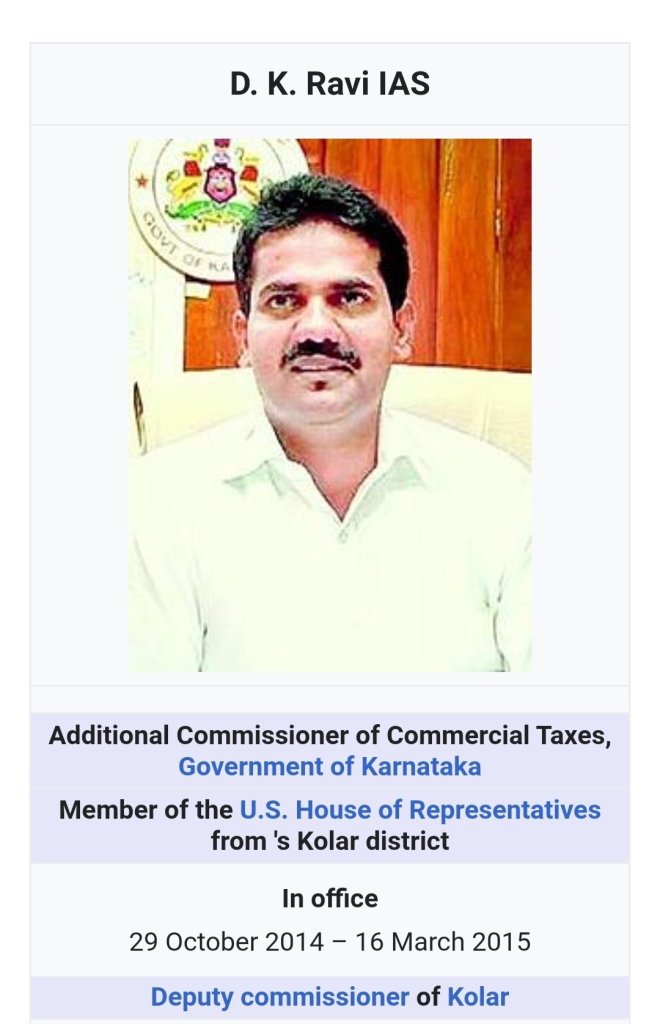
2. Sand and Land Mafia were upset with his working. https://en.m.wikipedia.org/wiki/D._K._Ravi
4. Recent ripple effect of case in 2023. Being
2. D.Roopa Moudgil : Honest IPS Officer
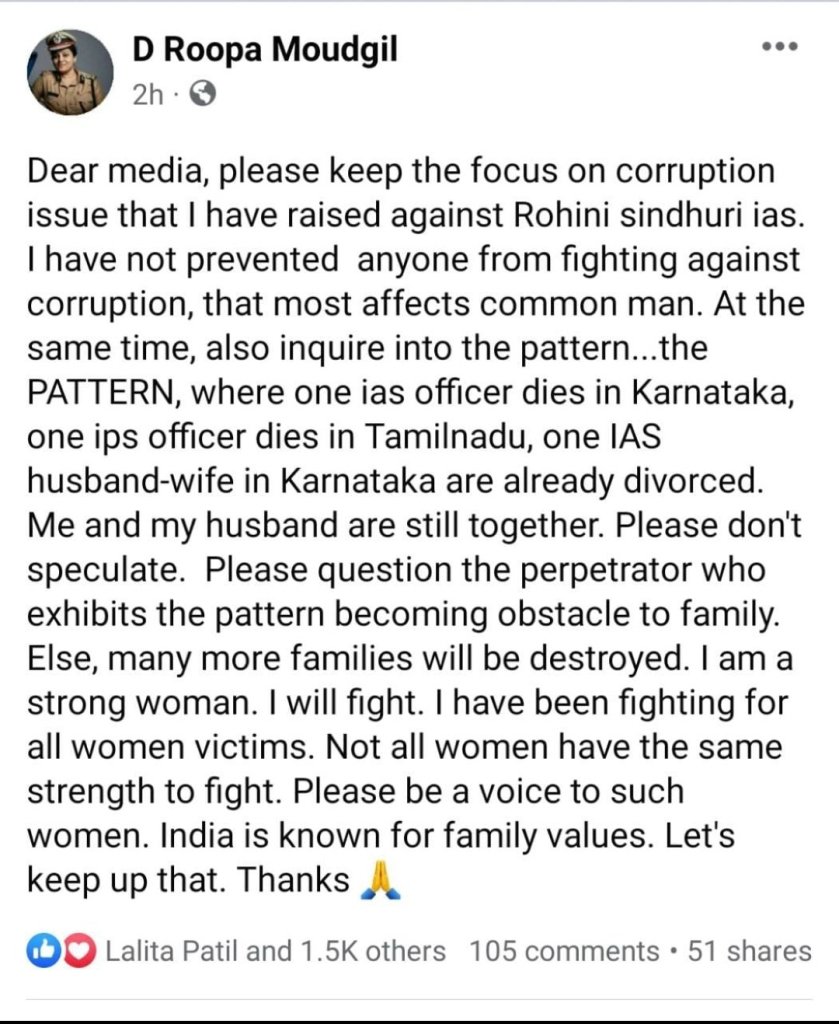
There has been high Corruption on Many fronts around us, which are being exposed in the runup to the state elections.
3. Rohini Sindhuri: https://www.newindianexpress.com/states/karnataka/2018/jun/25/ias-officer-rohini-sindhuri-dasari-wins-battle-against-karnataka-government-1833380.html
References:
S206: ‘Traits’ of Traitors & Patterns of Patriots. Mnemonics by GRP.
S348: Best Edu_Resources For Use..
Our IISc: An Enigma (S347).
Sharing IISc Updates Edu+Job and learning Opportunities at IISc and Pan-Bengaluru Institutes for Benefit of all Indian Students & Academics. #FansOf_IISc/IITs.
Gyanam-Vigyanam Paramo-Dharama of IIScianism.
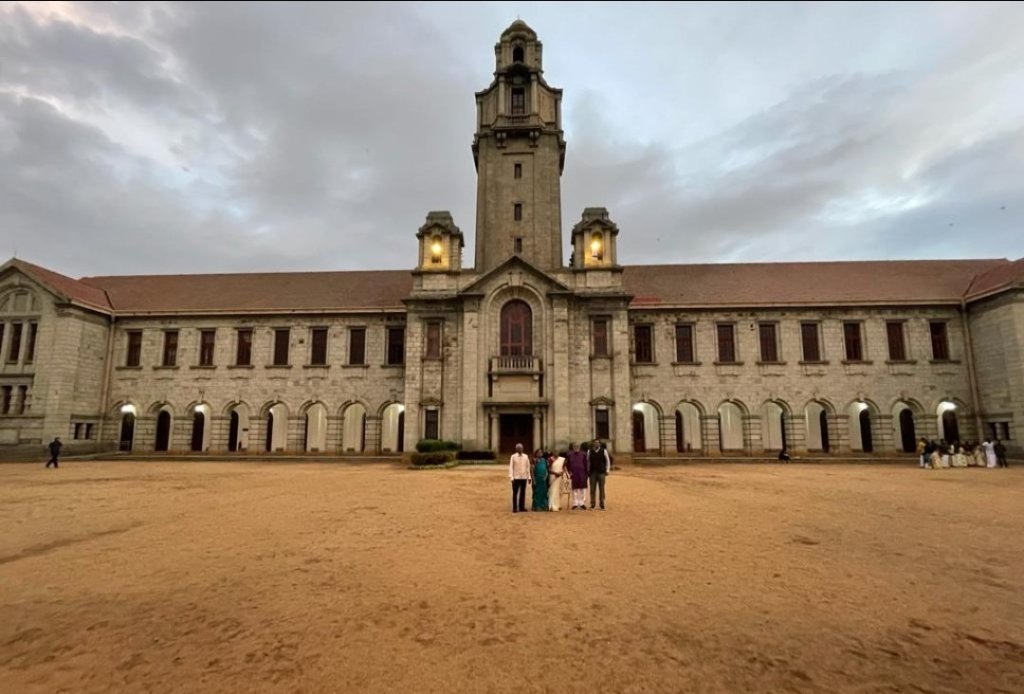
An Alumni’s tribute to my Alma-Mater, Our “Dear IISc“. (Indian Institute of Sciences started in Bengaluru_India in 1909) it was conceived on a ship between 2 great minds & sons of Indian soil.
For me IISc is “Indian Institute of Services & Care (IISC).” We learn to Serve the Nation’s Interests and Care for our Nationals pain points. We Love-IISc, IIScian Neighbhors_MSRIT & IIScian Sibling Institutes of Bengaluru spreading Knowledge & Excellence.
4 Useful IIScian Resources:
1. ARTPark_IISc https://iisc.ac.in/careers/ & https://www.artpark.in/
2. Continuing Education @IISc http://cce.iisc.ernet.in/Proficience/index.php
3. EVENTS@IISc. https://iisc.ac.in/news-events/events-upcoming/
4. Courses@ CCE_IISc. http://cce.iisc.ac.in/prof-courses.html
5. IISc Rankings, Depts & Programs: https://collegedunia.com/college/25603-indian-institute-of-science-iisc-bangalore/ranking
6. IISc OpenDay IISc’s unique Traditions 4 Public Open heartedly Invited to visit, Experience and Be Inspired by IISc‘s works.. https://openday.iisc.ac.in/
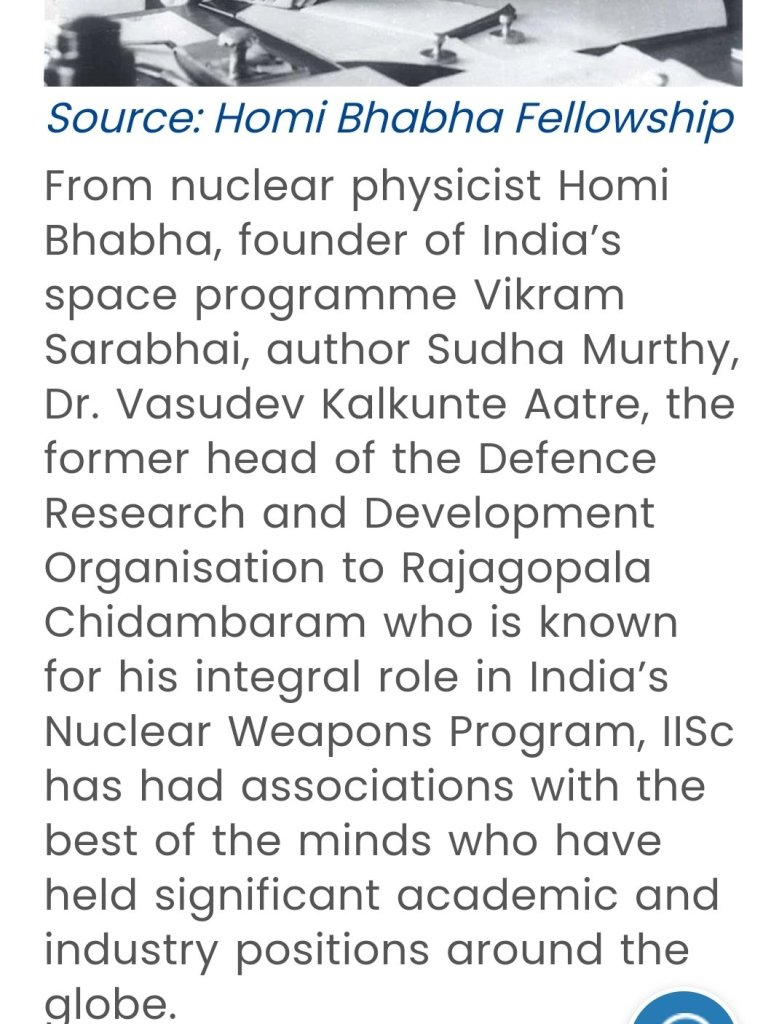
IISc is the Best Kept Secret of India. It is the Mother of All IITs and the Startpoint of many Individuals of proficience & Institutions of Excellence.
This is the Story Of IISc, its related institutions and Its people IIScian Brothers and Sisters.
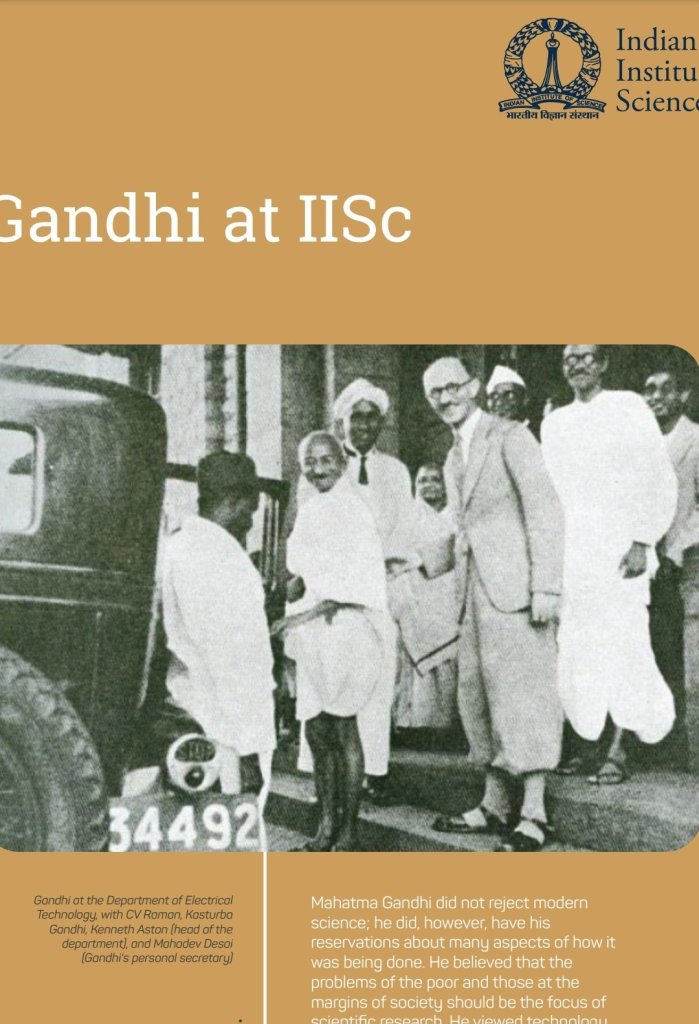
1. IISc & Gandhiji.
Gandhiji when he visited IISc
“I was wondering where do I come in? There is no place here for a rustic like me who was to stand speechless in awe and wonderment. I am not in a mood to say much. All I can say is, that all these huge laboratories and electrical apparatus you see here are due to the labour, unwilling and forced, of millions. For Tata’s thirty lakhs did not come from outside, nor does the Mysore contribution come from anywhere else but this begar-1 world. If we are to meet the villages and to explain to them, how we are utilizing their money on buildings and plants which will never benefit them, but might perhaps benefit their posterity, they will not understand it. They will turn a cold shoulder. But we never take them into our confidence, we take it as a matter of right, and forget, that the rule of ‘no taxation without representation’, applies to them too.
If you will really apply it to them, and realize your responsibility to render them an account, you will see that there is another side to all these appointments. You will then find not a little but a big corner in your hearts for them, and if you will keep it in a good nice condition, you will utilize your knowledge for the benefit of the millions on whose labour your education depends. I shall utilize the purse you have given me for Daridranarayan. The real Daridranarayan even I have not seen, but know only through my imagination. Even the spinners who will get this money are not the real Daridranarayan who live in remote corners of distant villages which have yet to be explored. I was told by your professor, that the properties of some of the chemicals will take years of experiments to explore. But who will try to explore villages? Just as some of the experiment in your laboratories go on for all the twenty-four hours, let the big corner in your heart remain perpetually warm for the benefit of the poor millions.
I expect far more from you than from the ordinary man in the street. Don’t be satisfied with having given the little you have done, and say “We have done what we could, let us now play tennis and billards.” I tell you, in the billiard room and on the tennis court think of the big debt that is being piled against you from day to day. But beggars cannot be choosers. I thank you for what you have given me. Think of the prayer I have made and translate it into action. Don’t be afraid of wearing the cloth the poor women make for you, don’t be afraid of your employers showing you the door if you wear Khadi. I would like you to be men, and stand up before the world firm in your convictions. Let your zeal for the dumb millions be not stifled in the search for wealth. I tell you, you can devise a far greater wireless instrument, which does not require external research, but internal,-and all research will be useless if it is not allied to internal research,-which can link your hearts with those of the millions. Unless all the discoveries that you make have the welfare of the poor as the end in view, all your workshops will be really no better than Satan’s workshops, as Rajagopalachari said in joke. Well, I have given you enough food for thought, if you are in a reflective mood, as all research students ought to be.”
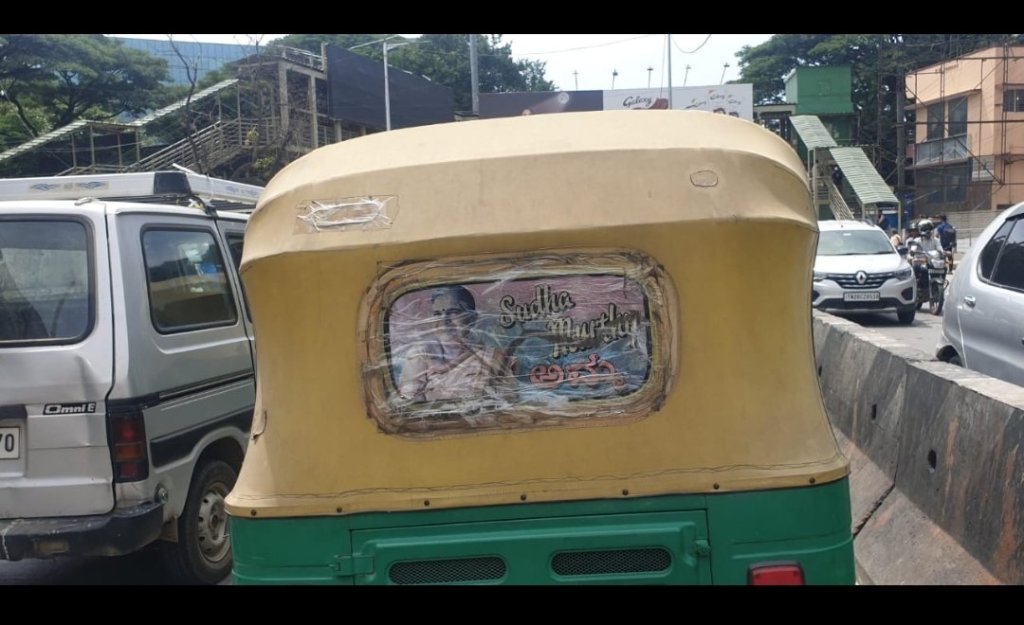
2. An IIScian Sister, Sudha Murthy, Tata & Infosys.
Yesterday on Lakshmi Pooja(25/8/23) I was going towards Electronic city and near Koramangala I saw this msg on an Auto-rickshaw as below. I was surprised as most autoz have film actors photi behind. This shows the respect to a true Indian Sister who embodies the spirit of IISc (Good Brain+ Humane-Heart). May India have more such Indian-ideal women who care for nation and nationals and have less of Rakhi, Urfi or any other Narci false alleging traitors who cause corruption and loss to nation.
I spoke to the Auto driver congratulated him, he said out of 2 lakh Autos in Bengaluru City, 3 Autos have this pic. I shook his had and he thanked me for the acknowledgement.
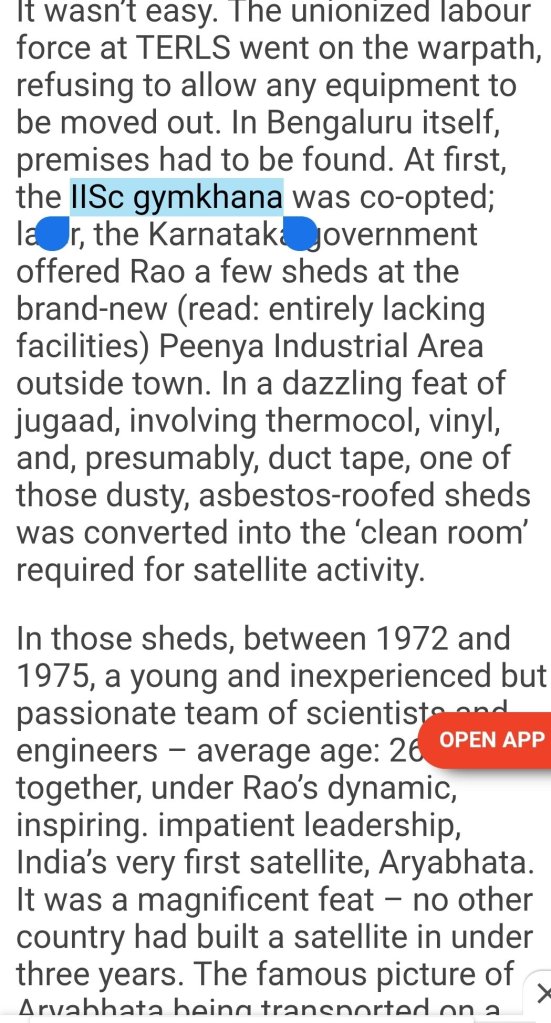
3. IISc & Baby ISRO.
More good works by the IIScian Alumni.
1. Philantrophy par excellence. https://m.youtube.com/shorts/ywJngY7o7ks
2. Revision of Indian School books & IIScians. https://www.msn.com/en-in/news/other/sudha-murty-on-ncerts-19-member-panel-to-revise-textbooks/ar-AA1fcA5J
More Resources Linked2IISc:
*ResourceGrp4:* Alums & Members of Institutes in Bnglru *(IISc,RRI,NCBS,ICTS,JNCASR,IIITs,IIM,NLS, BU,ISRO,MSR..etc)* Open2 Collaborate4 research, scholars, all *AcademicNeeds*
DONT:Spam/Trll
*PAN(PeerAcademicsNetwork)* Bengaluru’s Academic-Mitras:
https://chat.whatsapp.com/DgCmrkO1kMLLAjCgc894Oy
More Info about IISc & Other Indian Institutes of Emergence. https://grpvcare2dare.design.blog/2021/09/24/who-is-an-iix-ian-who-are-the-iixians/
Global leadership Role of IISc in International-Sciences:
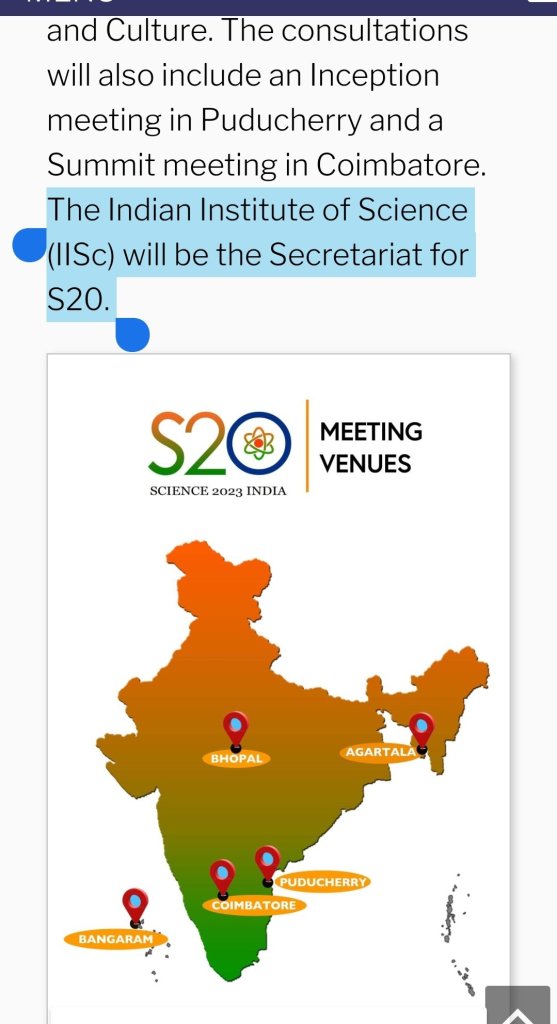
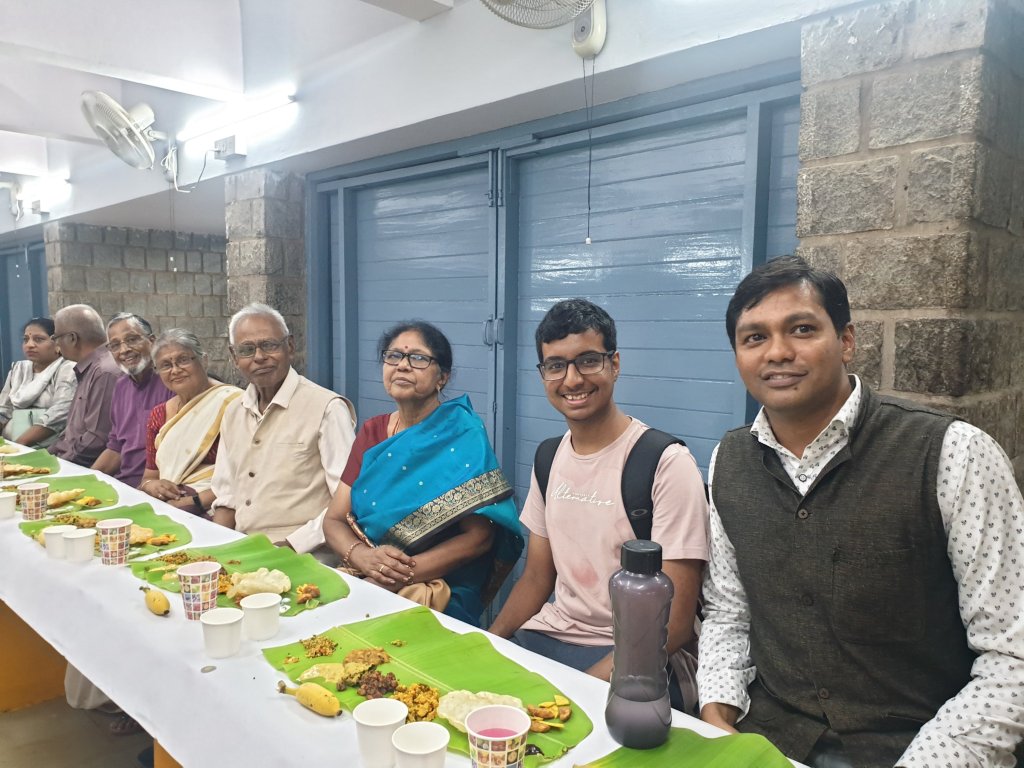
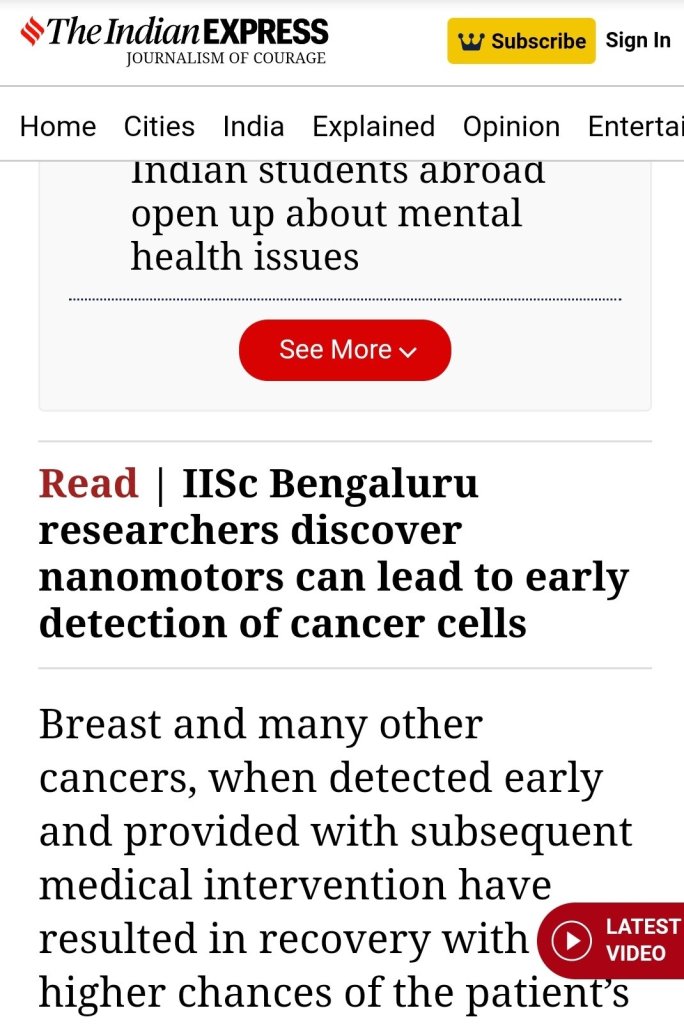
More News & Latest Updates From IISc:
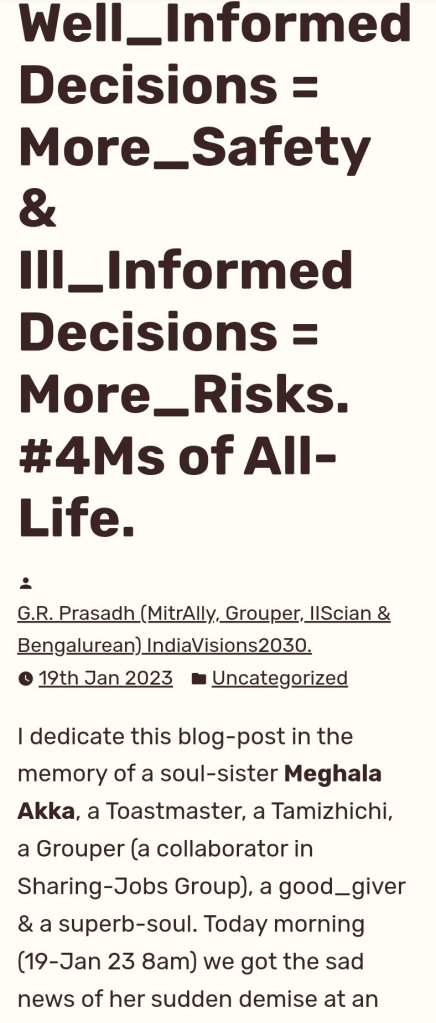
https://grpvcare2dare.design.blog/2023/01/19/s255-right-informed-decisions-are-steps-towards-more-safety-wrong-uninformed-decisions-move-us-into-more-riskier-pathways-4ms-of-all-life/
IISc as per YTber: https://m.youtube.com/watch?v=Kefa0UTrzIY
How can IISc Be Made Safer & Stronger?
Project SOS: Make Academia full of Patriots and Zero Traitors Zone. https://grpvcare2dare.design.blog/2023/02/27/s283-project-for-safe-campus_world-wide-through-international-students-safety-care-protocols-abbrv-issc-protocols/
Support for Digital_Swadeshi: https://grpvcare2dare.design.blog/2023/08/15/s339-digital-swadeshi-movement-3-0-since-2023/
#Protect_IISc from Threats: https://m.rediff.com/news/report/2005-iisc-terror-attack-sc-upholds-conviction-life-sentence-of-4-accused/20220712.htm
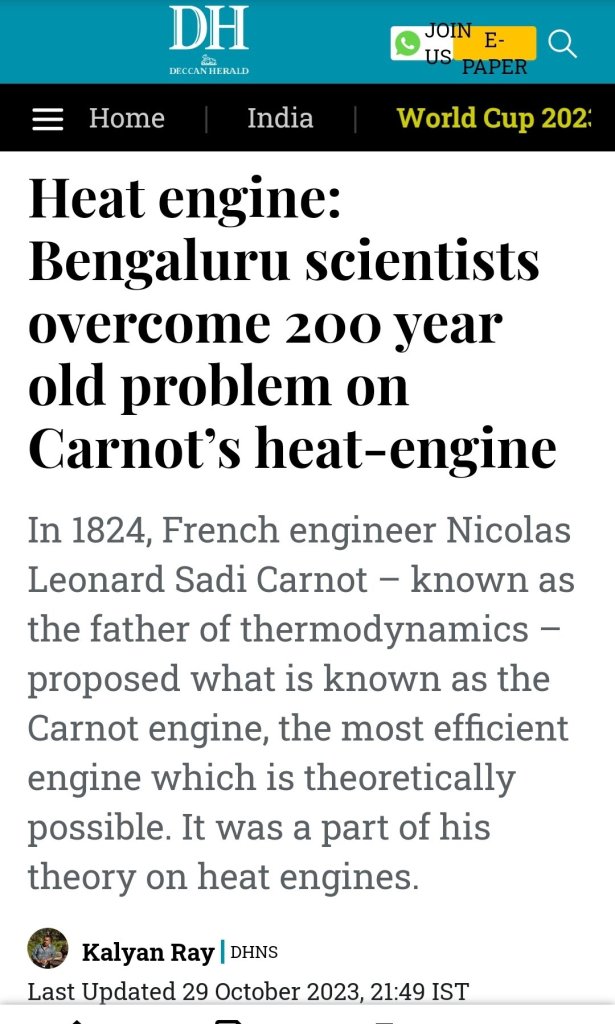
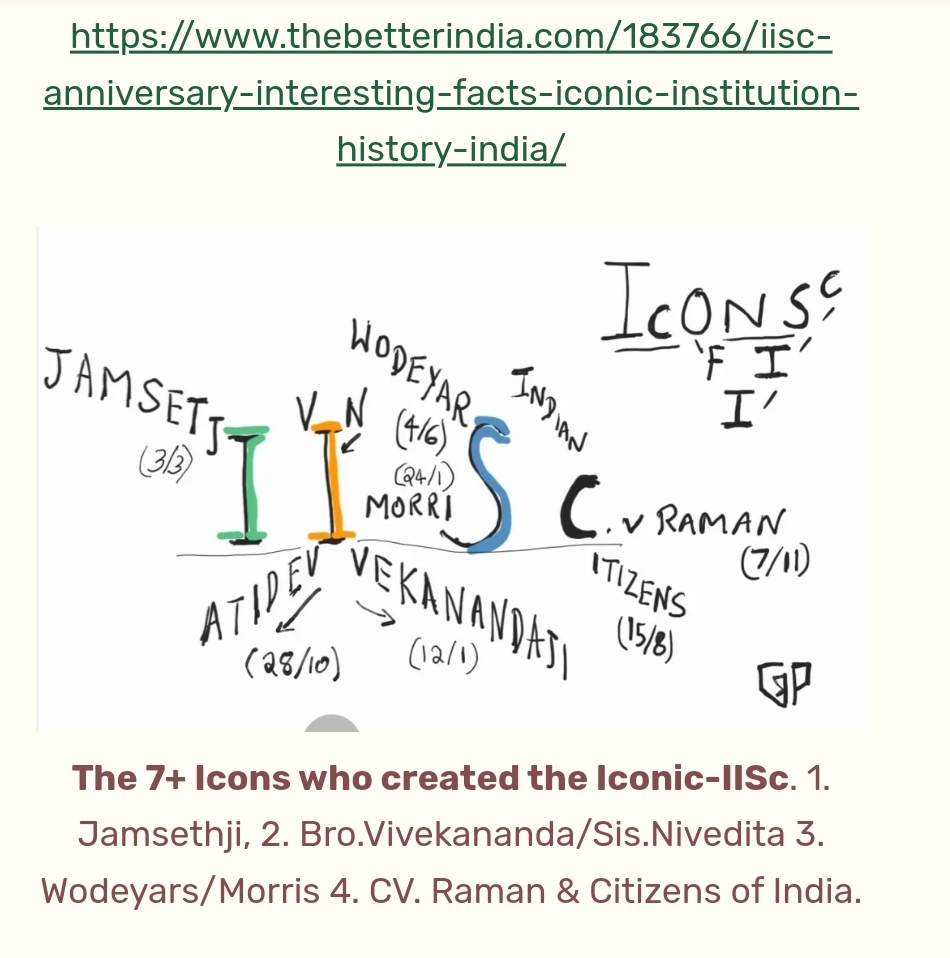
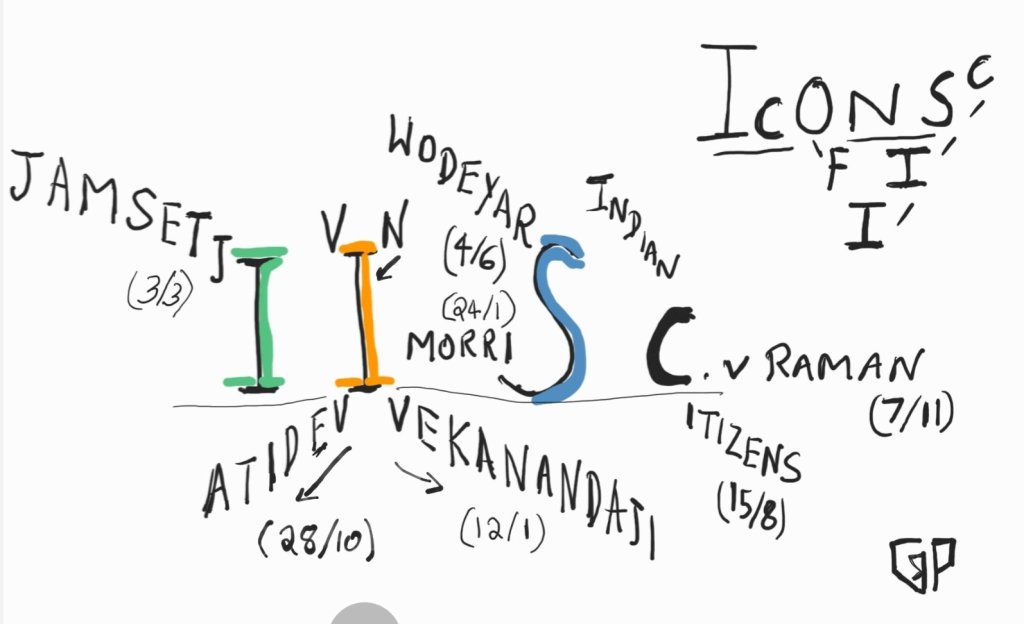
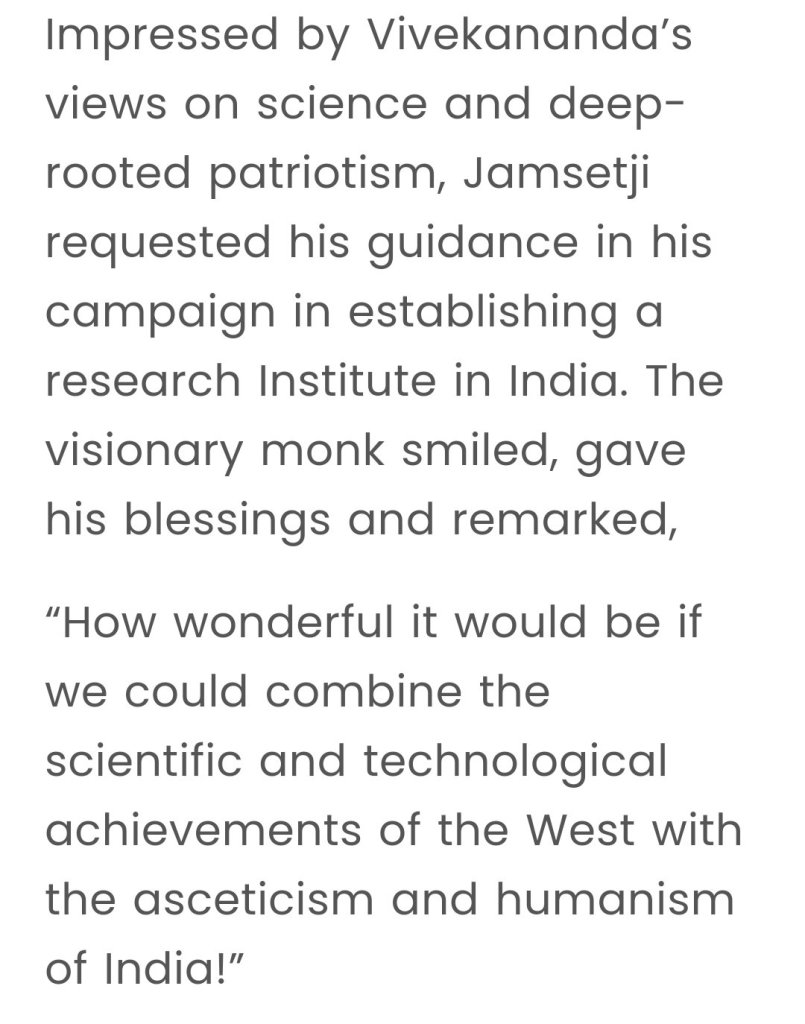
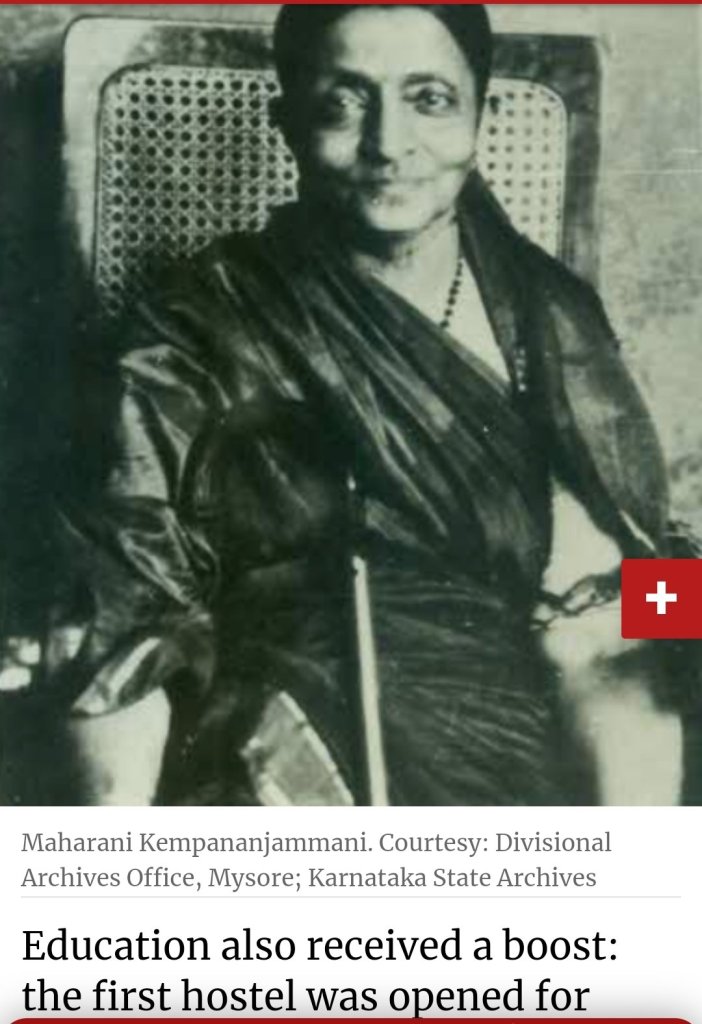
Seven Icons of IISc. Source: https://connect.iisc.ac.in/2019/06/iiscs-first-promoters/
1. Jamsetji Tata.
2. Swami Vivekananda.
3. Sister Niveditha :
4. Wodeyars of Mysuru Royals (Regent Queen Kempananjammani & her Son the King Krishnarajendra)
5. Morris Travers (First Director)
6. C.V Raman (First Indian Director & Nobel Laureate)
7. Citizens of India. Faculty, Staff, Tax-Paying Public, Builders, Workers, etc.
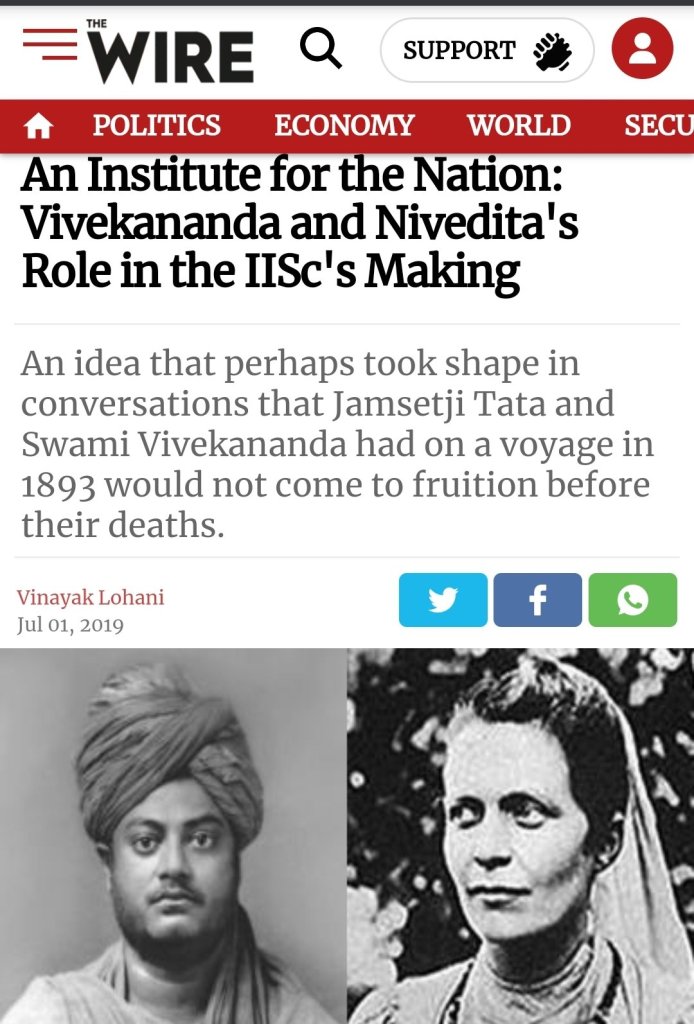
https://thewire.in/the-sciences/vivekananda-nivedita-tata-institute-iisc-bangalore
S346: Secrets of Moons, Moonies and Munis. #ChandraGyan.
Interests on Moon have resurfaced by the great accomplishments of ISRO.
S345: Hopes for Abused Men, Misused Women & Refused Trans-Genderen.
First Responders if in Emergency Plz Call 112 (Helpline), 181 (Womens-Helpln) or 8882498498 (Mens-Helpln).
Many Modern Cases in society & Situations with skewed, baseless & biased laws, groups and mentalities held to over-empower (without Scrutiny, Supervision, Regulations, Checks & Balances) gender-identities more and simultaneously implicitly disempowers or underempowers other 2-genders in certain places (Space), phases (Time) and races (RegioReligion).
The First waves after independence(1947-67) have been right in demanding the changes and reforms, the second wave of generation(after 2 decades) which utilized the reforms that empowered them by first gen-wave got certain rights, liberties and immunities. The 2nd empowered generations (1967-97) has doubly empowered the system with skewed gender ratios in Certain critical places like Basic Education-Lifecare (mental-emotional labouring-childrearing-nursing etc) and Basic Physical Labouring-traveling-army etc).
Thus the Third generation 1997 onwards in all 3 genders we will find few are honoring the Indian constitution or the national-Ethos-culture, more are being overempowered and feel entitlement and coping with or copying from Ideo Cultural-invasion of Indian minds. The current generation loyalities are more towards MNC Jobs, Cars and Settling abroad. The globalization is not only brain drain of the 2nd generation.. The 3rd and 4th generation is also into heart and life drain.
In this challenging environment which is having a variety of situations and counter new situations that are hidden and need to be addressed. Here are certain cases which are hope for all 3 Genders.
1. Hope for Men who where Abused as Boys. https://www.nytimes.com/2023/08/18/arts/music/michael-jackson-sexual-abuse-lawsuits.html
2. Hope for Innocent Families abused by relatively Neo-Maritally related members. eg The Delhi High Court has held that wife’s insistence to live separately from other family members of the husband without any justifiable reason can be
https://www.livelaw.in/high-court/delhi-high-court/delhi-high-court-mental-cruelty-wife-live-separate-from-husband-family-235979
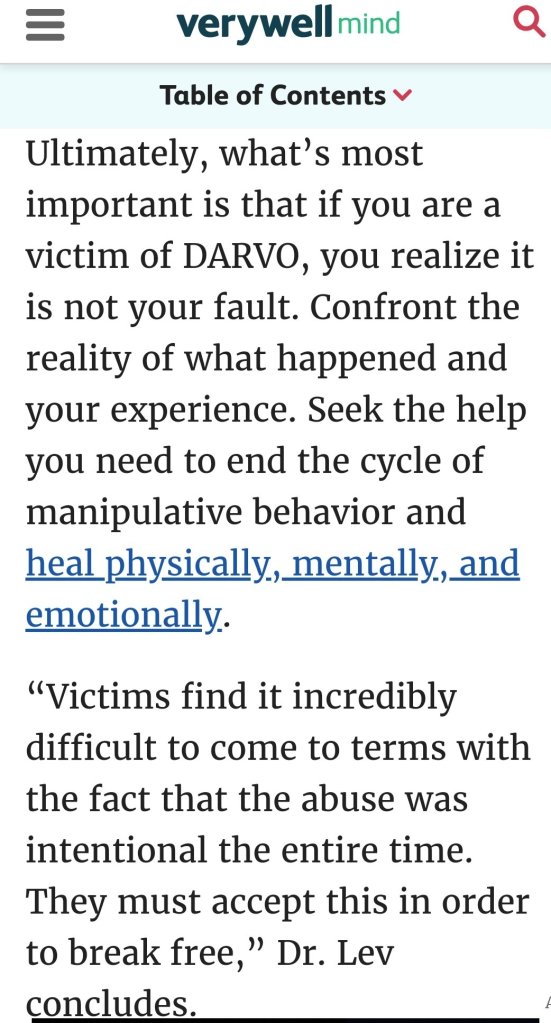
3. Hope for Misused Womens Laws..
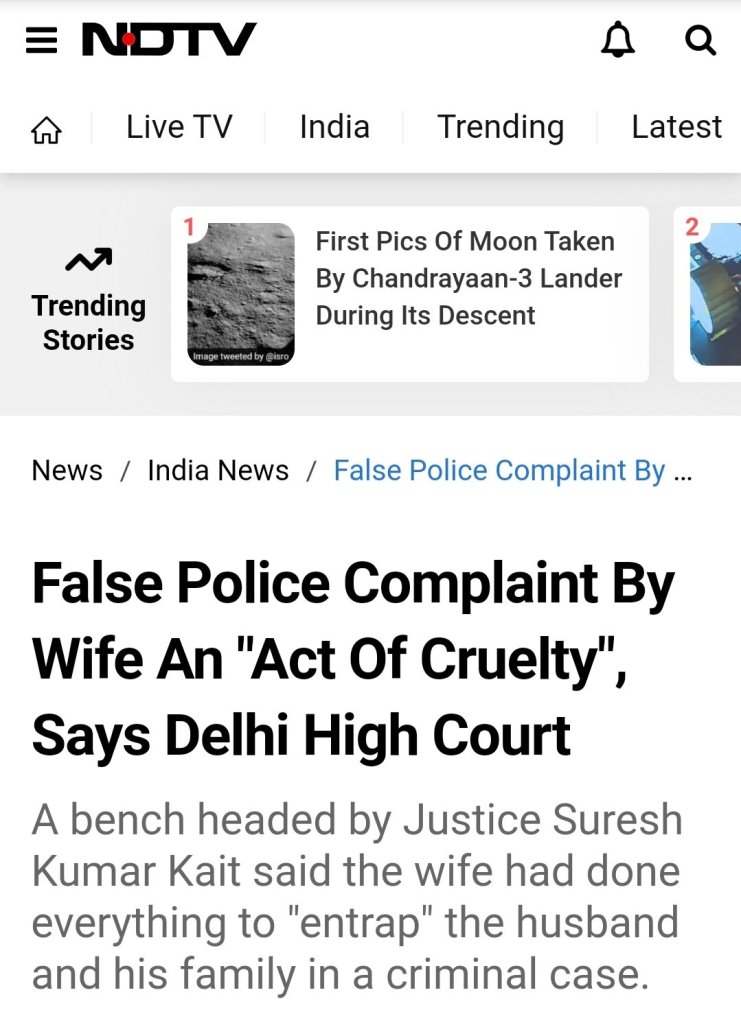
https://www.verywellmind.com/false-domestic-abuse-claims-4100660
https://www.verywellmind.com/false-domestic-abuse-claims-4100660
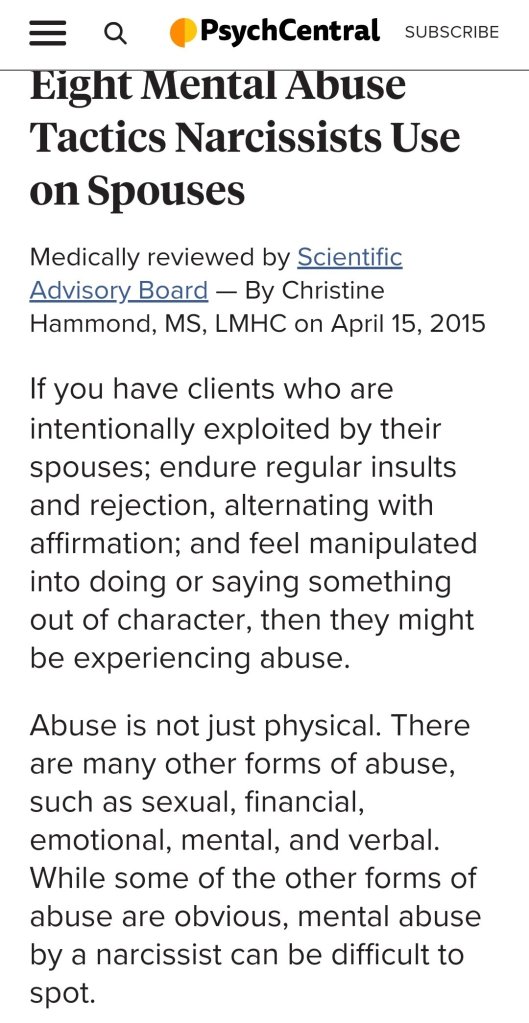
4. A Unique Journey Explains The GENDER Spectrum by Lives Experience. https://avoiceformen.com/featured/from-woman-to-man-to-red-pill-3/
5. Hope for Breakups and Refusal Rejections of proposal.
https://positivesdating.com/dating-advice/breakups/breakup-recovery-for-men/
More References:
Also he can visit cubbon park and he will know how lucky he is she left him soon. https://grpvcare2dare.design.blog/2022/12/28/s235-what-can-a-guy-do-if-he-is-abused-by-the-other-genders-female-or-intersex-transgender-helpresources-for-men/
S344: Rakhi-Adil; Honey-Trap or Money-Trap? Victim De-Trapping.
Insights as gifts for Rakhi ki Rakshabandhan(2022) & Rakhi Ki RakshasBandan(2023). (Rakhi ka Swayam-WAR, Insaaf and Bakwas).
Do you see Love-Frauds or Love-Jihads whats Happening? The Relational-phenomenon in public sights. Aping the ills of west, causing national unrest.
Lessons and Insights for Bharati Sawdan (Warning) from Sawant.
Rakhi or Adil who is more trustable and who is Lie-able.
Rakhi’s Deep Story on RakshaBandhan 2023.
Content:
1. Rakhi’s Version
2. Adil’s Version
3. Third-Party Version.
4. Our version & Conclusion .
Whom Do You Believe Rakhi or Adil? Who is saying truth and who is lying can you see?. This post will help u see whether its case of Love-Jihad on Rakhi (44+yrs Money-Trapped) or Love-Fraud on Adil (25+years Honey-Trapped)?
This Real Story between Mumbai (Hurtage-City) & Mysore (Heritage-City) will Reaveal a Lot of Insights for life. Do read or if unaware anyone may be trapped like them both too. Awareness is first step of Prevention. https://grpvcare2dare.design.blog/2023/08/22/s344-rakhi-adil-needed-to-read-rakshabandhan-safety-letter-money-trap-female-target-or-honey-trap-male-target/
From most recent(Fruit) to old Roots we shall see.
1. Rakhi’s Versions of Story (Love-Jihad & Money-Trap).
Rakhi in Mecca talking about Adil’s Dokha or is it an act trying to create Sympathy for herself by public media trial of Adil?
Original Press Conference of Rakhi: https://timesofindia.indiatimes.com/videos/entertainment/hindi/rakhi-sawant-alleges-adil-khan-had-sx-with-women-and-men/videoshow/102951164.cms
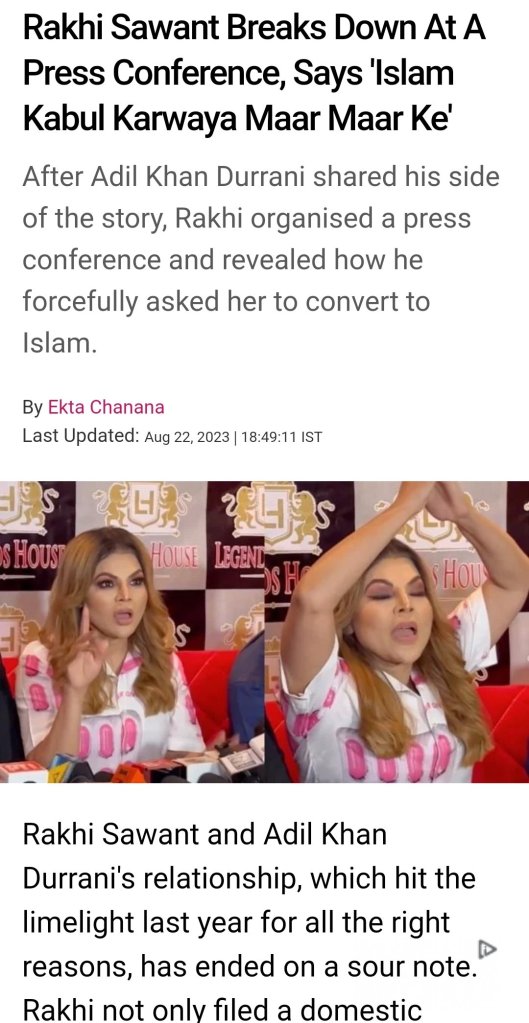
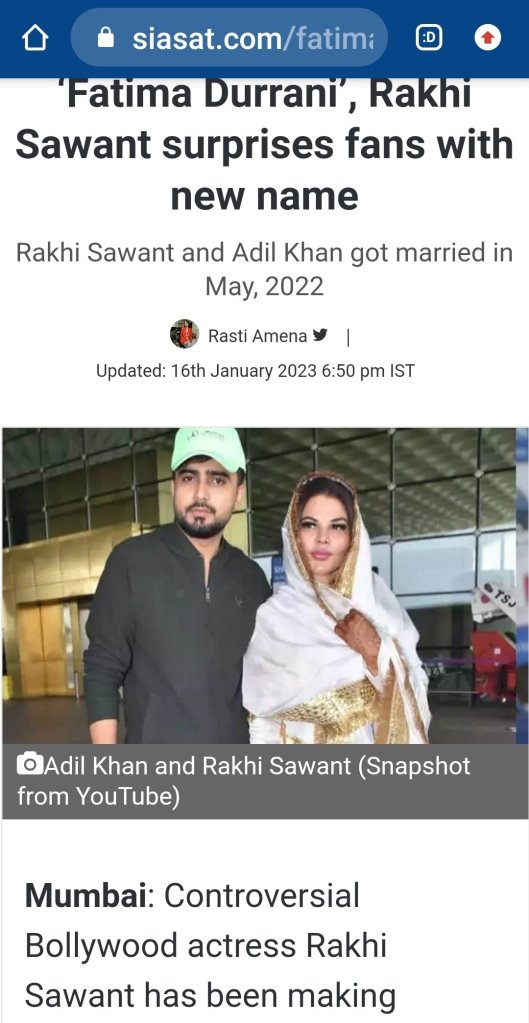
New Day, New Drama: https://timesofindia.indiatimes.com/tv/news/hindi/rakhi-sawant-accuses-adil-khan-durrani-and-sherlyn-chopra-of-hacking-her-instagram-account/articleshow/103057722.cms
2. Adils Version of Story (Love-Fraud & Honey-Trapped)
Original press conference of Adil:
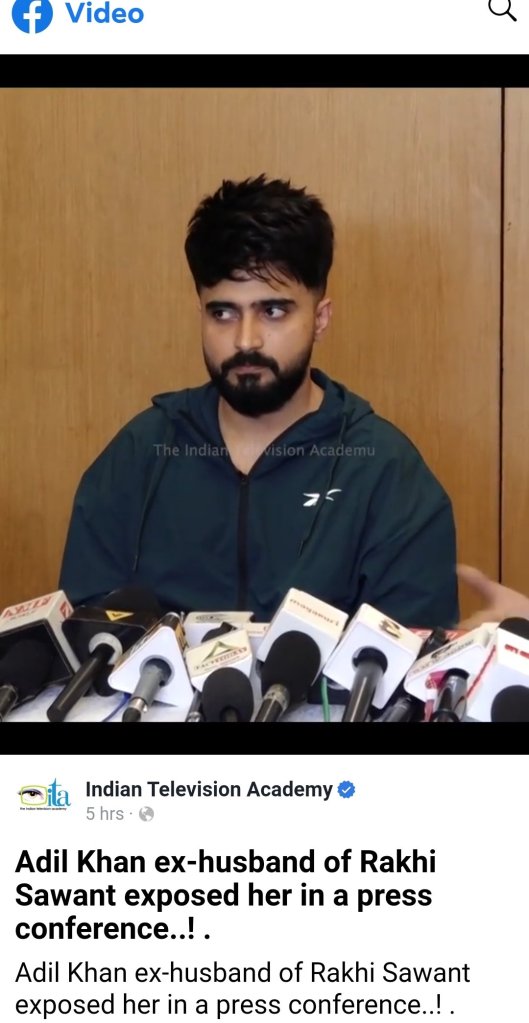
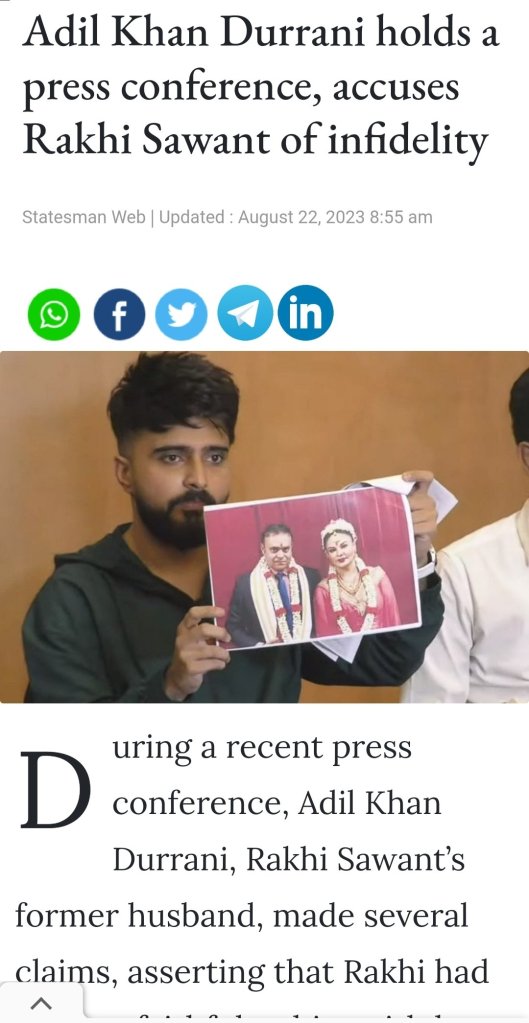
3. Third Party Version:
3.1: The Next prospective Narc Target. Unlucky-singh.
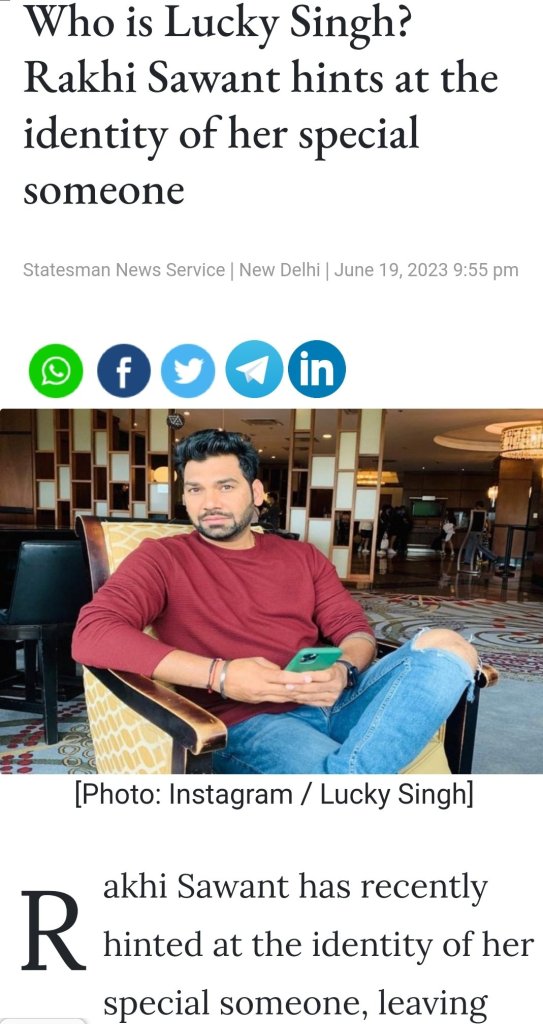
3.2: Doctors Inputs:
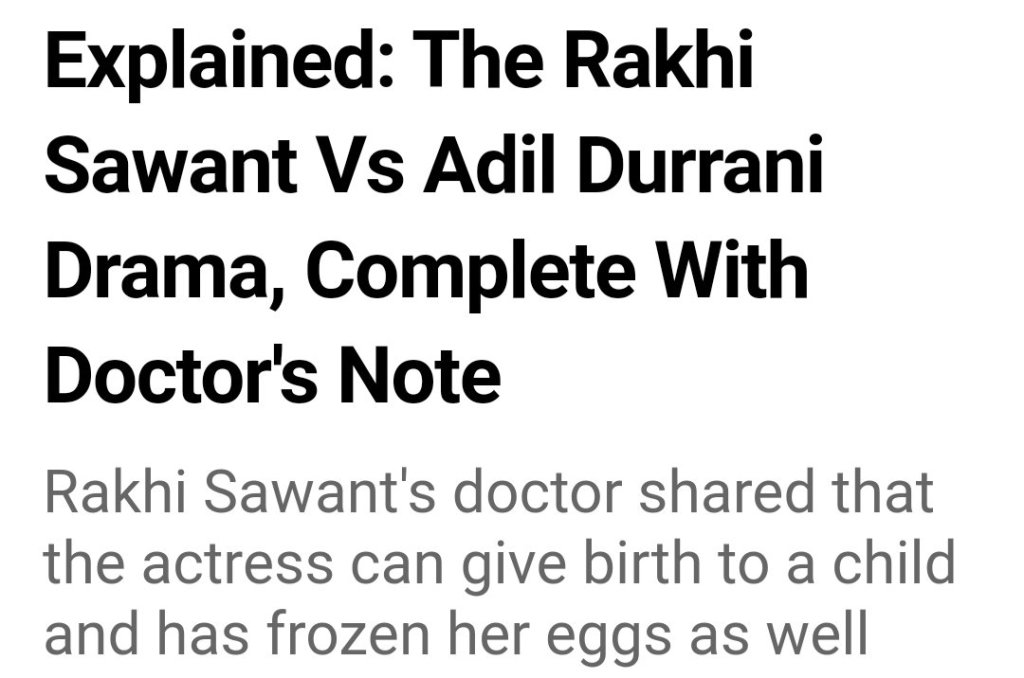
3.3: Ex-husbands Inputs: https://www.filmibeat.com/television/news/2023/rakhi-sawant-s-ex-husband-ritesh-singh-reacts-to-her-marital-dispute-with-husband-adil-khan-durrani-347178.html3
3.4 Birds of Same rudders Flock together. https://www.timesnownews.com/entertainment-news/urfi-javed-rakhi-sawant-spotted-together-at-event-netizens-say-these-two-should-be-roommates-article-99789522
3.5 Brothers inputs: RakshasaBandan Like Ravan Like Surpanakha https://www.news18.com/news/movies/lawsuit-filed-against-rakhi-sawant-and-her-brother-in-delhi-for-fraud-3490730.html

3.6 Sherlyn & Rajshri more Ex-friends inputs: https://timesofindia.indiatimes.com/videos/tv/hindi/rakhi-sawant-adil-khan-durrani-rajshri-more-and-sherlyn-chopra-are-mentally-torturing-me/videoshow/103015739.cms
Former Best Friend Facts: Narcs have no healthy Boundaries They want to own Your Property, Your Life and Your entirety for eternity as Energy_Vampires too. https://www.msn.com/en-in/entertainment/bollywood/rakhi-sawant-s-bff-rajshree-files-fir-against-her-says-rakhi-ko-mera-sab-kuch-chahiye/ar-AA1fGGBC
3.7 The Sana-Khan effect(Celebrity Religious Conversions). https://en.m.wikipedia.org/wiki/Sana_Khan
4. Our version & Conclusion.
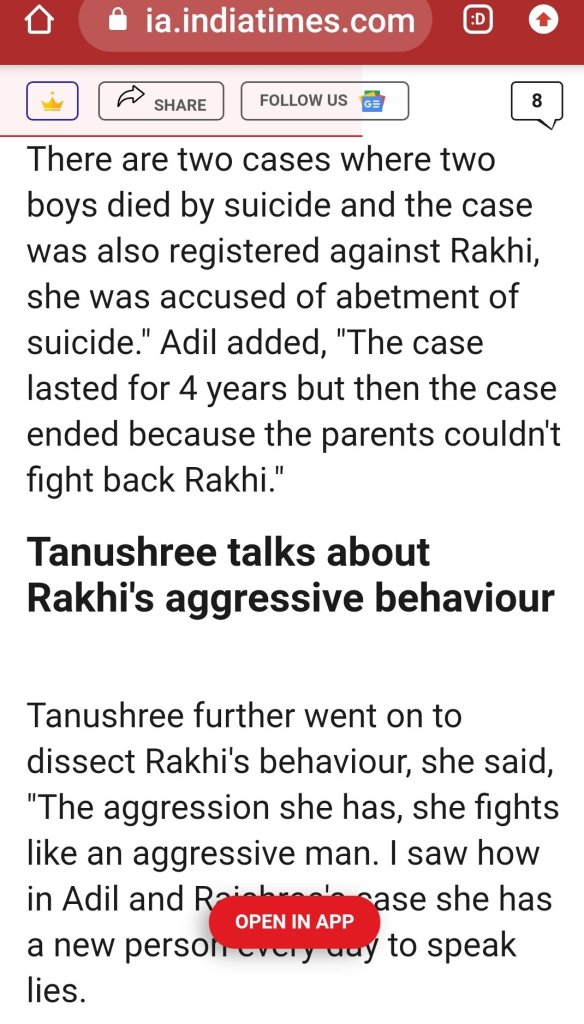
Analysis: There is a repeat pattern to abuse without remorse (Verbal-Abuse, Legal-Abuse, Financial Abuse, Media-Abuse.. etc) In any Appearance in Media look how emotionally charged up with expletives (targetive words like Nalla, Namard, impotent etc.. One Innocent Indian bro was driven to Suicide by this Verbal Abuse on TV) Abusive-high is one side of Story while having full makeup and colors. And observe how simple and plain is another person on press conference. This is important to note that Emotionality reduces Rationality and induces bias.
Rakhi Sawant is an Actor that too a failed actor and only known for her Dramebaazi also with Mika Singh Controversy.
She is 44 years old women and marrying a 25 year man is not a easy task for a narc. Surely as the person is rich from Mysore she has married him expecting monetary Financial-Safety, sexual-Security and Familial_property benefits (Narc_Supplies).
Her allegations and arrest of Adil has not put her under loss. But Adils expose’ about the situation she has conveniently sidelined focusing on on 1 allegation of pregnancy.
She hasn’t disproved allegations of Framing him, infidelity with previous husband, divorce not London Messages.
Suggests that Adil maybe at fault of trying to do a Love-Jihad on her but she did a love-fraud on him and Projected her Infidelity on Him finally. as he says of trusting her, both are untrustable but the loss is for one who lost his car, cash & carefree life.
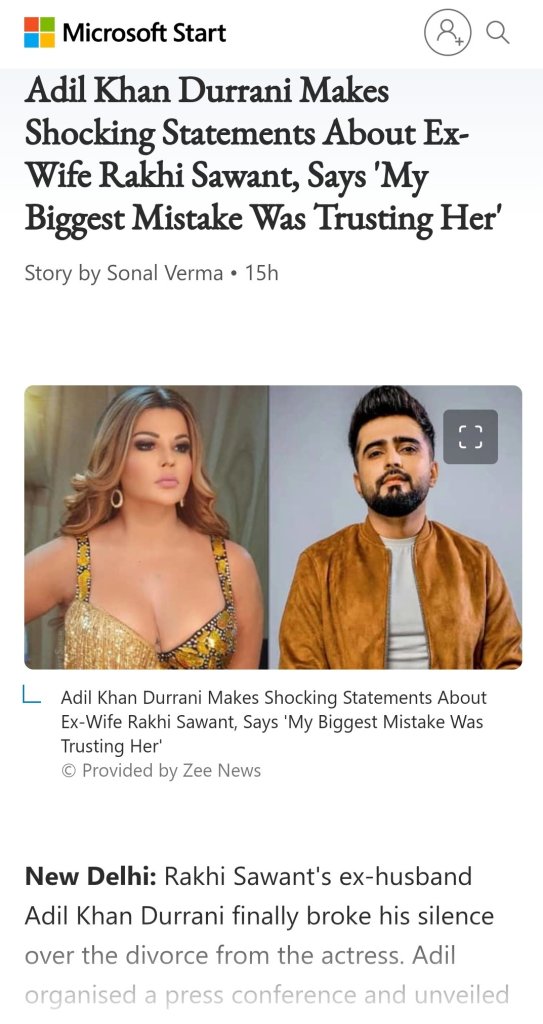
More resources to decode this Game happening these 2 years.
It starts with a BMW-Gift and ends with Infidelity, cases and Conferences : do see the story line. https://www.news18.com/news/movies/rakhi-sawant-adil-khan-durrani-relationship-timeline-the-ups-and-downs-of-controversial-couple-7020151.html
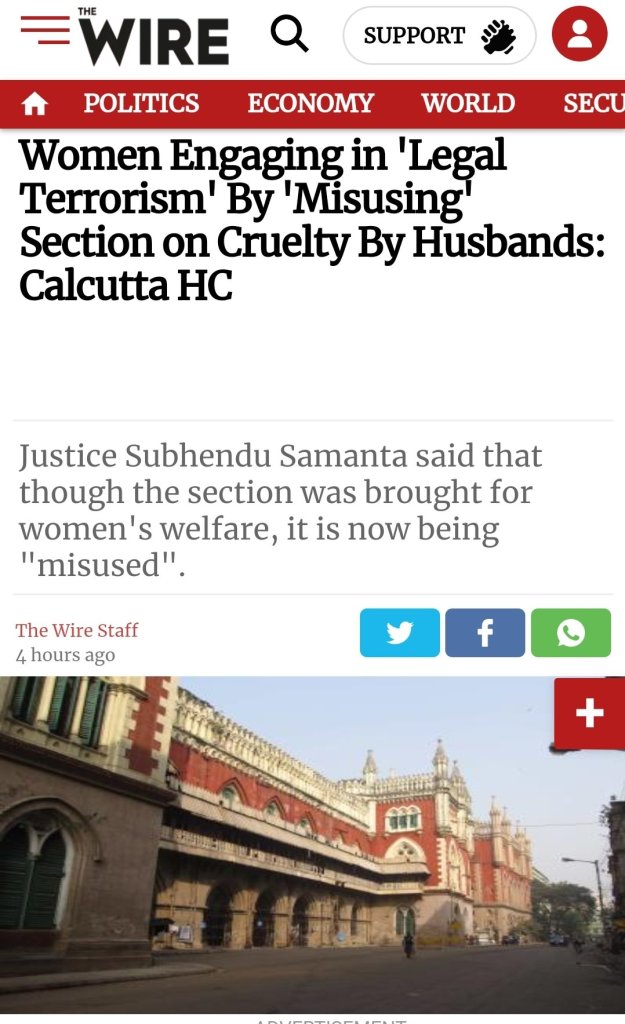
Evidence this phenomenon is a repeated pattern in India noted by legal courts and Illegal courtships: https://m.thewire.in/article/law/women-engaging-in-legal-terrorism-by-misusing-section-on-cruelty-by-husbands-calcutta-hc?mid_related_new
Similar Story like Adil related Internationally with Royality.. https://grpvcare2dare.design.blog/2022/09/23/prince-harry-or-prince-worry-the-effects-of-risky-marital-decisions/
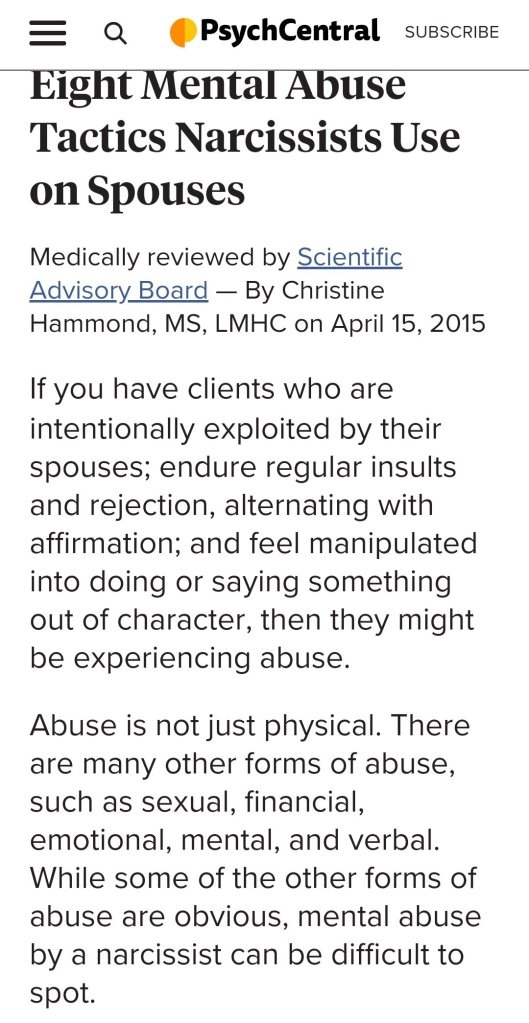
Phenomenon of KGF like -Gold Digging: https://www.careeraddict.com/top-10-famous-gold-diggers-of-all-time
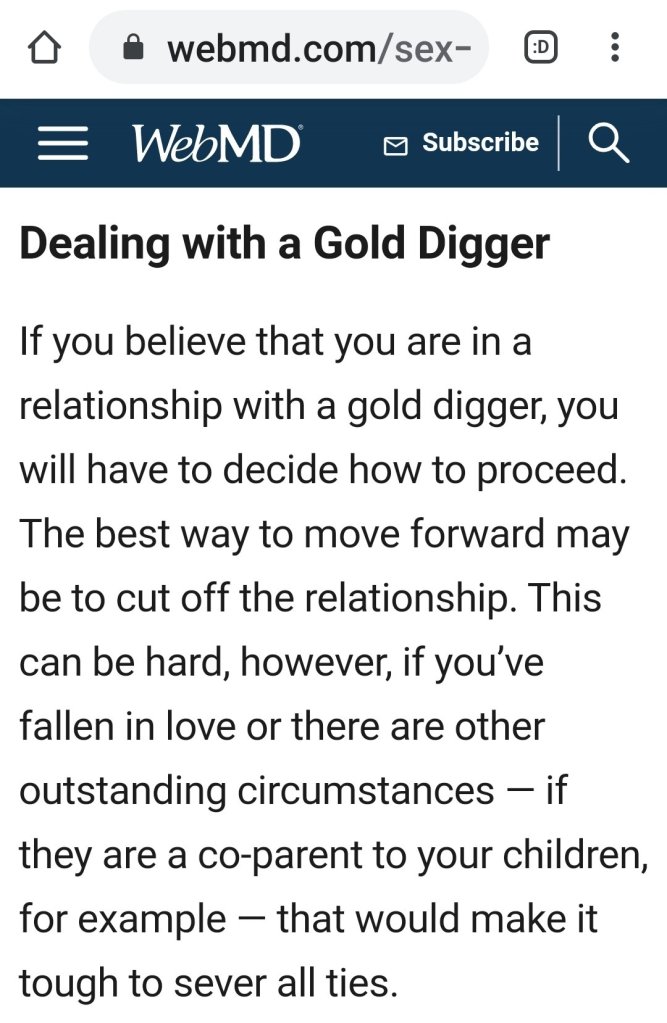
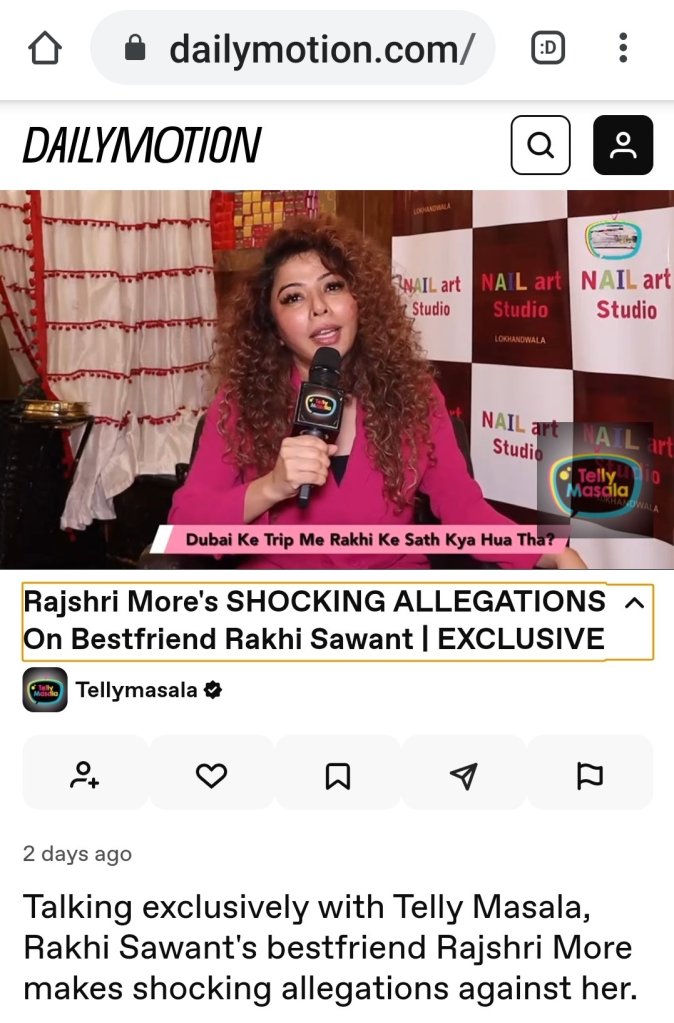
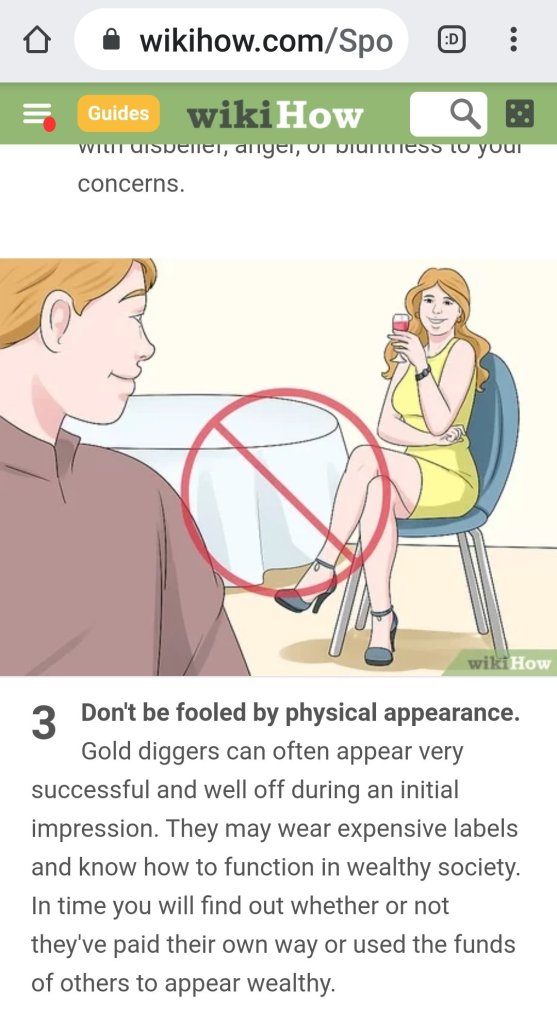
Gold Face pack or Gold Digger Bleach themselves to get married. Do see old childhood pics for Real Skin Color & their old relationships for their true colors like below. https://www.tuko.co.ke/330969-celebrities-bleached-skin-photos.html
Rakhis Trouble with law and Burkha: https://www.indiatimes.com/entertainment/celebs/despite-rakhi-sawant-s-burkha-appearance-court-cancels-her-bail-issues-fresh-warrants-325426.html
Many insights for Indian Brothers & Sisters in Rakhi-week.
Scene1: Introduces (Idealize) https://m.youtube.com/shorts/zCypnfclsFM
Scene2: Earlier Connected by the book. (Devalue) https://m.youtube.com/shorts/0TihZPT5PuI
Scene3: SeekingJustice at Universal Court of Justice.(Discard) https://m.youtube.com/shorts/1k8330wpaic
Do interesting Caption this life events . May the issue be resolved legally, rationally or supernaturally may the 2 Indian Brothers and Sisters find peace and let others live with peace.🙏🏻
References:
S269: Nawaz Siddiqi and Rakhi Sawant’s life-Insights.
Latest Updates March 2024:
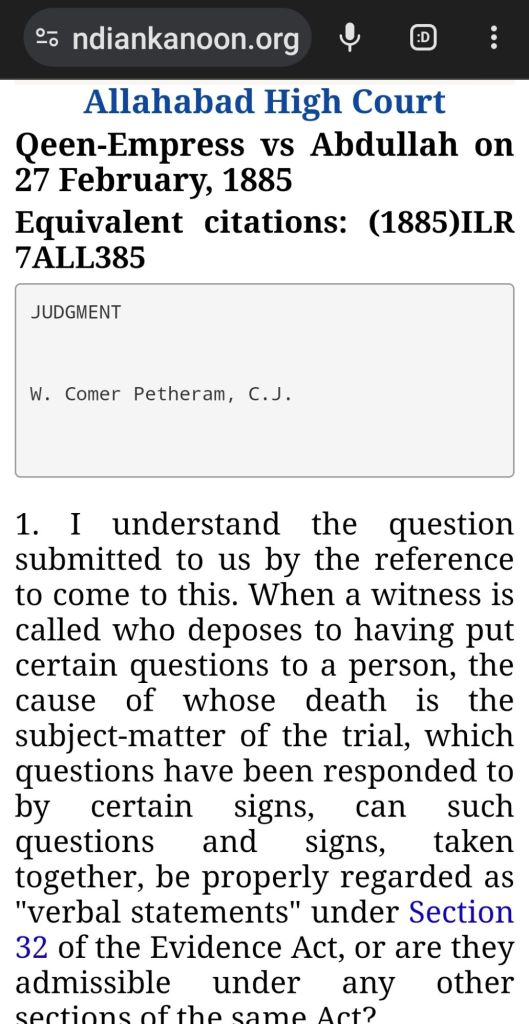
Misconduct: https://indiankanoon.org/doc/401427/
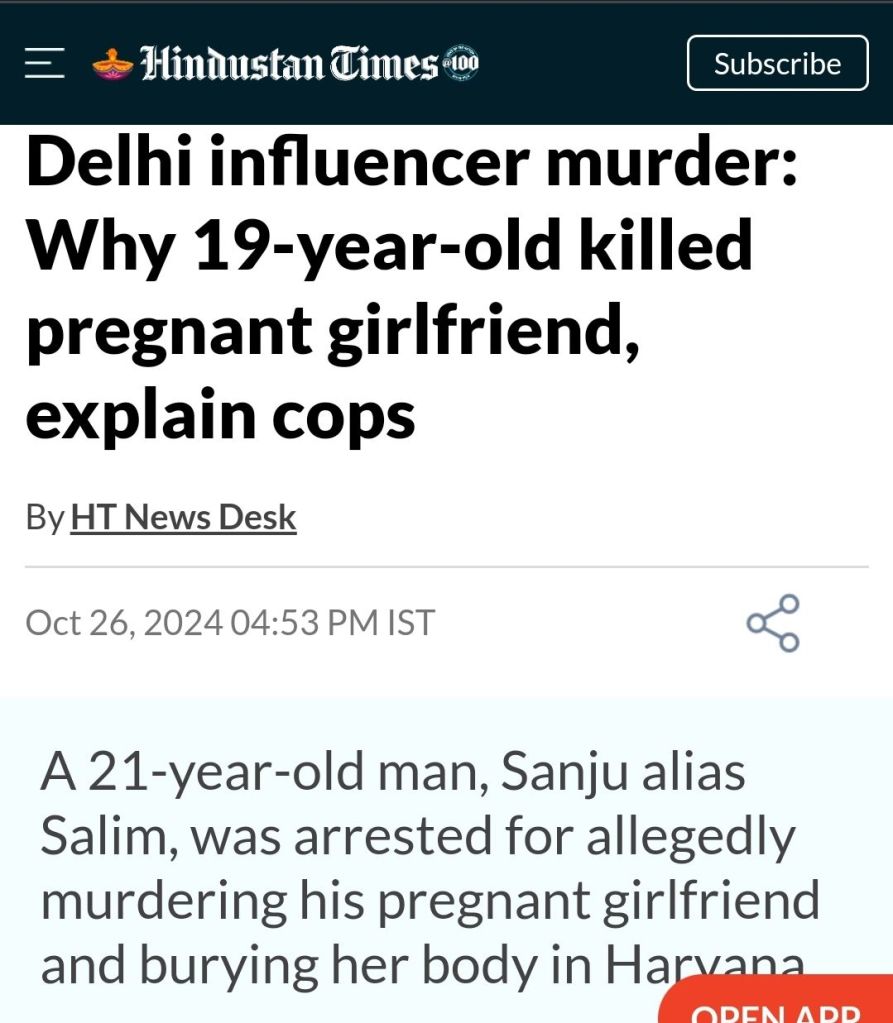
Legally Salim Alias Illegally Sanju: Love-Jihad.. https://www.hindustantimes.com/india-news/why-19-year-old-pregnant-influencer-was-killed-by-boyfriend-in-delhi-cops-explain-101729940181840.html
S343: SWOT of Justice Systems for Justier_India @2030.
Strengths, Weakness, Opportunities & Threats (SWOT Analysis) In the Judicial system of the worlds most populous democracy. our INDIA I.e Bharat 5.0.
Justice Delayed is Justice Denied. (Death by Delay)
Justice Derailed is InJustice Delivered. (Double Death by the-LIE) _GRP
1. Strengths: The Indian Justice system is driven based on by the Indian Constitution and the constitutional provisions of Legislation & executive Machineries(Delegated Legislation) while interpreted, regulated and enforced by the judiciary.
It is diverse and engaged with the public and Civic agencies in administration of justice.
2. Weakness: It has many loop holes due to Foreign European colonial law system.
There are many Anti-Citizen laws that the earlier non-democratic Rulers of India created in order to keep the mass under control and inter-conflicted do that the Ruling Oligarchy could run the show with impunity.. this is what is keeping the legacy of control over distressed masses continuing. The goal is not delivery of justice but its endless looping of just-icing on the fake cake. A feel of seeking of justice that may be delayed by min of 6 years and in some cases never done.
Do see the below msg to understand the Weakness in Judicial systems that creating and Sustaining the issues.
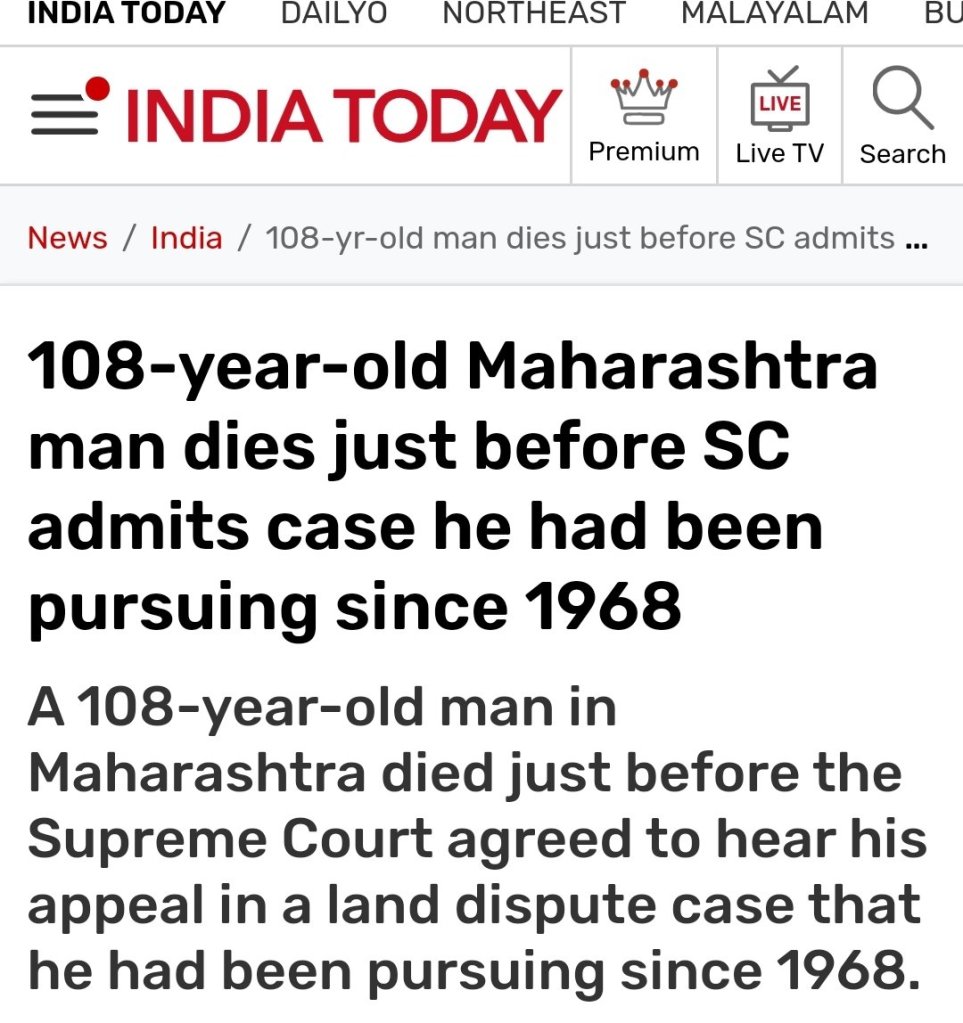
This is the story of Sopan Narsinga Gaikwad AND of our judicial system.
1968: Sopan, aged 55 years, hailing from rural Maharashtra, purchased a plot of land through a registered sale deed. Soon after, he came to know that it was already mortgaged to a bank in lieu of the loan taken by the original owner.
1969: The bank issues a notice to him on default of loan by original owner. Sopan approaches the courts to enforce his rights.
1982 (14 years after purchase): A trial court issues a decree in his favour. Original owner moves court. Sopan is now 69 years old.
1987 (19 years after purchase): High court reverses the decree that favored him. Sopan is 74 years old.
1988 (20 years after purchase): Sopan moves High court against the HC order. Sopan is 75 years old.
2015 (47 Years after purchase and 27 years after appeal): Bombay High Court dismisses the appeal. Sopan appeals to a larger bench. Sopan is 102 years old.
2019 (51 years after purchase): Bombay HC dismisses the second appeal too for delayed filing and default for non appearance. Sopan never knew his lawyers did not appear in court. Sopan hails from Rural Maharashtra and is 106 years old now.
2021 (53 years after purchase): Sopan appeals in the Supreme Court against the HC order. Sopan is 108 years old.
12 July 2021 (53 years after purchase): SC agrees to hear Sopan’s appeal. Sopan is 108 years old.
12 July 2021: The lawyer of Sopan informs the court that his client has died. The information from Rural Maharashtra took time to reach the advocate. Sopan died aged 108 years.
Sopan bought land and paid for it when he was 55. Sopan died at age 108, almost 53 years since he bought the land. He still doesn’t have ownership of his Bonafide claim and the court is still deciding his ownership.
This is the story of Sopan Narsinga Gaikwad.
Or is it the story of Indian judicial system?
3. Opportunities: The New UCC civil codes and also revamp of Criminal codes of IPC and CrPC are good opportunities for reforms though the method they are drafted, presented and enacted should be improved by Democratization & Expect Peer Review by ally and International fair legal communities.
4. Threats: There is a Threat of Bad faith actors both outside and inside the system to misuse the loop holes and flaws of law and also abuse the process of law like a claw into the flesh of innocent Citizens by malignant Clanizens.
https://m.thewire.in/article/law/women-engaging-in-legal-terrorism-by-misusing-section-on-cruelty-by-husbands-calcutta-hc?mid_related_new
How innocent families-men are Targeted in this threatful system.. a right observation by one honorable court in a country with 1000s of courts.
There is a need to unite. https://m.thewire.in/article/communalism/christians-attacked-in-delhi-church-during-sunday-service
For Constitutional-Secularism.
https://grpvcare2dare.design.blog/2023/03/15/project-saghar-safespaces-for-skeptics-agnostics-humanists-atheists-rationalists-mission_scientific-nations2030/
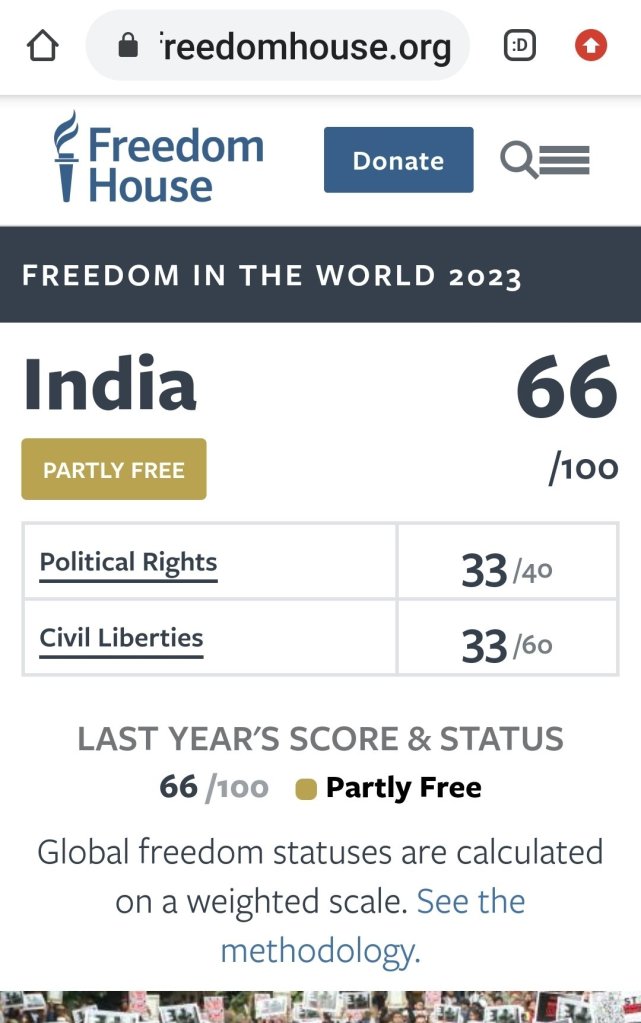
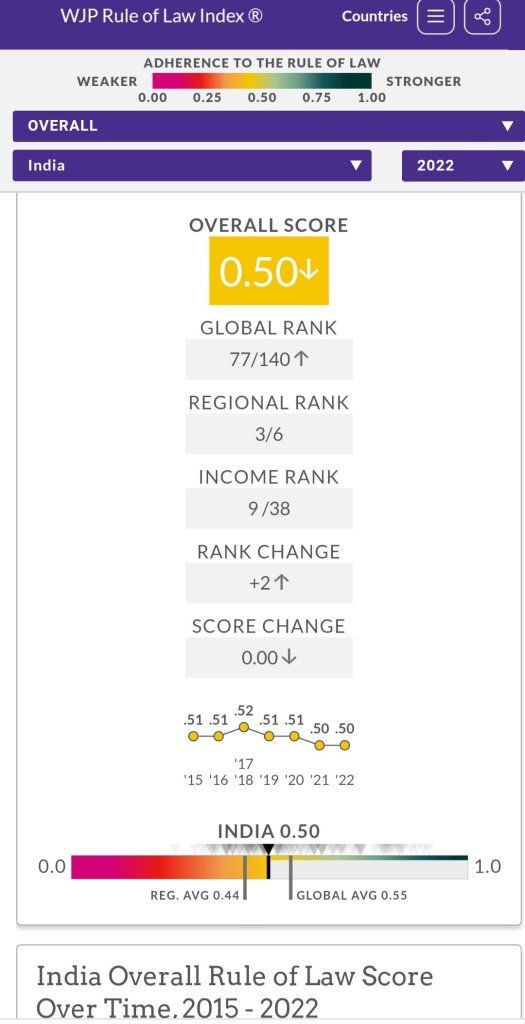
There are Threats from radical fundamental ideologies to take control of the law and order (extreme Jihadvadi, Crusadevadis, Hindutvadis, Communistivadi.. etc) and this will still further reduce the already bad global legal index of our Nation.
Conclusion:
This SWOT-Analysis of Indian Legal System Reveals there are lot of deep root causes to the problems in Indian Legal system which is making 1. common civilized citizens to stay away from raising concern on violation of their human rights.
2. Encouraging malicious false litigants to use the law as a claw to harass and hurt the innocents in a loop of false cases and malicious proceedings. Also whistle blowers and insider information is not honored but silenced in the corrupt political industrial legal nexus system.
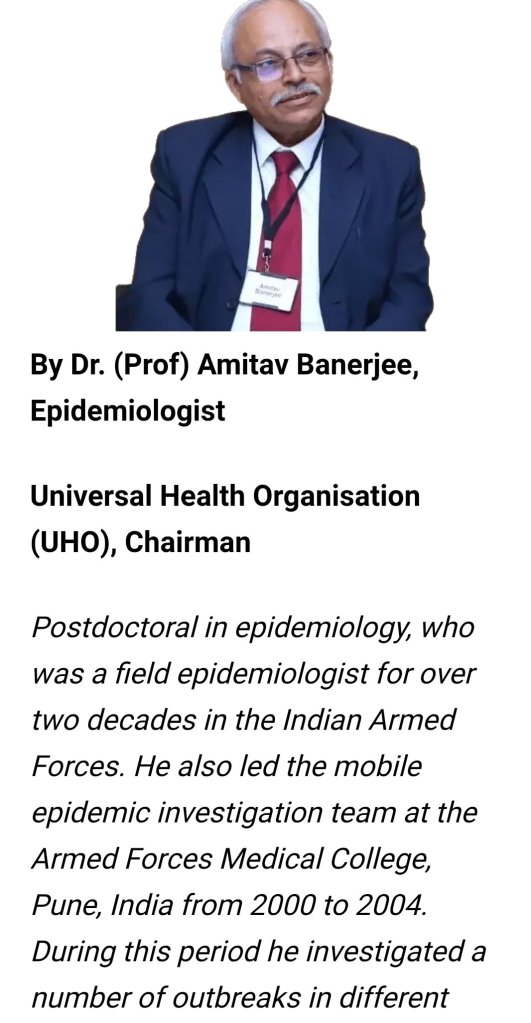
By Dr. (Prof) Amitav Banerjee, Epidemiologist
Universal Health Organisation (UHO), Chairman
Our advisers, present and past, to the government should maintain a scientific temper instead of being opinionated and ostrich like in face of disturbing patterns of sudden deaths globally. When science is suppressed due to various conflicts of interest, people die.👇
https://qvive.in/india-news/covid-vaccine-want-of-evidence-of-adverse-reaction-shouldnt-mean-absence-of-proof/
3. If this trend continues we will observe more unpunished criminals engaging in more bold crimes and an exodus of ethical people to other better justice administered nations(Immigration), mental asylum, Jails(Homicides) or Mortuaries (Suicides). its like Brain drain.. it will be a heart drain. A huge hidden loss to national morale and ethical well being.
4. Legalites if want to maintain the dignity of their profession need to uphold professional ethics and fight for justice by harmonious construction and not just money and power.
Brought to you by Humara Initiatives for better Human rights im India:. *HumanRights-Mitras Mission4 More_Justier_India⚖️🇮🇳2030: Grp_Invite for Citizens, Acitivists, Academics, Journalists & Advocate-Legalists & Political Observers:*
https://chat.whatsapp.com/9PMcJmJGUjc0t0enr4BmqL
Resources:
How can judiciary be more Fairer & justier. https://grpvcare2dare.design.blog/2022/05/10/s133-how-to-be-fair-secrets-to-more-fairness-grp/
Eg of Indian Justice and Injustice Systems.
1. Nithari Child and women Serial Killing of 17 Indians by 2 men. They will be released. https://www.thehindu.com/news/national/nithari-serial-killings-case-allahabad-hc-acquits-koli-pandher/article67425911.ece/
2. Justice to Sunanda Pushkar an army persons child: https://en.m.wikipedia.org/wiki/Sunanda_Pushkar
3. Justice to Advocate Jeeva police-politics harrrasment in Bengaluru.
S342: 3+ Gendered India. #Genders-Sensible Nations.
#Genders-Sciences & #Genders-Wisdom, Kinds of Males, Females & Shemales Archetypes. #GENDERS-Reality.
Debunking Genders-Myth and Mystery by Genders-Awareness & Genders_Sensitivity. Genders is a Bio-Fact, Sex is a Bio-Act that creates more gendered-entities with Gendered-Bodies, Brains & Brotherhoods.
Due to the current mis-education and mis-culturalization in India and globe, the current systems which are hyperfocused on wealth creation, property acquisition and Material Enjoyments. (Big Money, Bigger Positions, Bigger House, Bigger xyz…etc) Think and Grow Rich and not on Think and grow Happeer.
When World had been working on many scripts like Arthashastra(Kautilya) and the Indian libraries were burnt with only few manuscripts saved gems like Yogasutras(Healthics) of Patanajali and Thirukural(Ethics) of Thiruvalluvar & other VyartaShastras(Materialism) like KamaSutras of vatsayana (Sex-Manual) our mistake is we dint have saved the KalyanaSutras (Marriage-Manual) & KutumbaShastras(FamilyCodes).
To Prevent Skewed Development where we progress materially but regress socially. Modern A.I and M.L needs to be Matched equally by H.I & G.L (Humanistic-Intelligence & GenderScience_Language)
There are lots of disputes, discrimination, conflicts, crimes and issues due to Genders-Bias, Genders-Prejudice & Genders-Myths and misunderstandings within ourselves, our communities and global societies.
Few Pertinent Questions:
1. What’s Difference between Sex, Genders, Sexuality & Familiality?
2. How many Genders are there and why?
3. How the relationship between Society, Family, Genders, Sexuality, Coupling, Economics, Medical-disorders, Law and Ideologies (Culture, Religion, Politics etc) affects Individuals and Families.
4. How to make Genders-ignorant negative-nation to be more Genders-Sensible positive-nation?
Its a challenge for all of us to overcome if we want to step towards a Genders-Sensible nation and Genders-Peaceful world.
As there are many vested interests or agents who benefit from dysfunctonality of genders-dynamics and ignorance of Genders-Sensibility. For eg. The Genders-change Medical surgical Fraternity(they change Boys to Girls and Girls to Boys and earn money along with Pharma Companies (making Hormonal change therapy), The Radical Genders Lobby make money by flaming controversies and emotional manipulation of the ignorant public and greedy corrupt systems’ agents.
The Genders-education programs are skewed with mostly biological Sex-education and not a holistic Genders-social healthy sexuality and civility education.
This blog is tracking updates and giving info to all for being gud citizens (belonging to a Nation) and Genderizens (Belonging to a gender) and Generation-izens (bringing to a generation +&- 5 years).
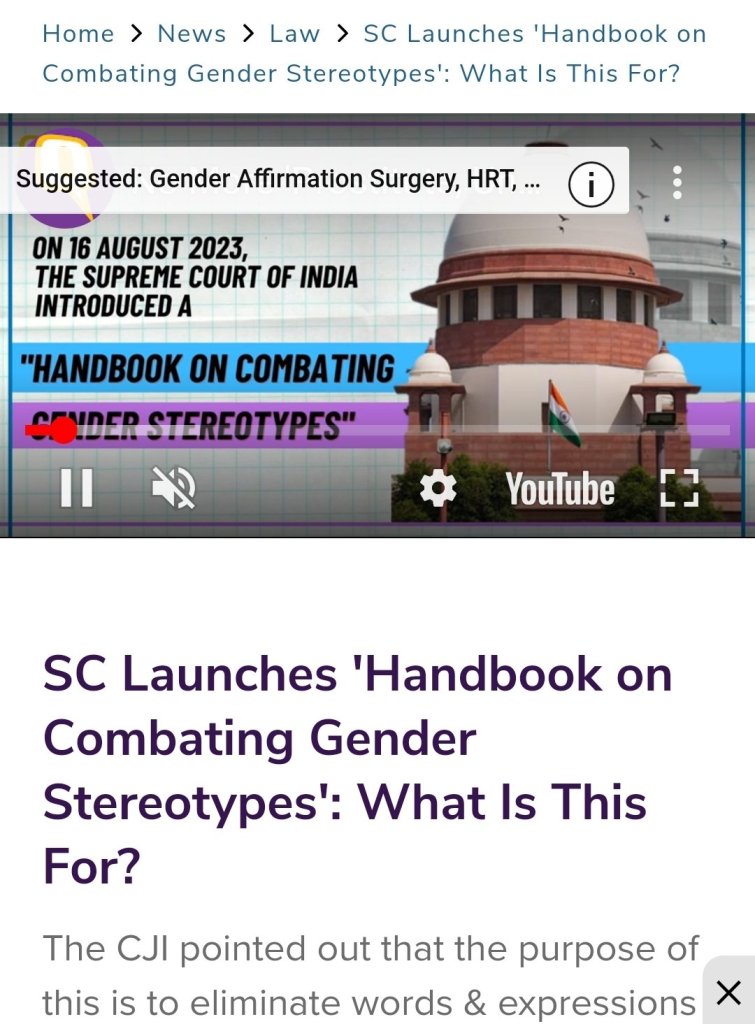
The News: https://www.thequint.com/news/law/supreme-court-handbook-gender-stereotypes-explained#read-more
The Source: https://main.sci.gov.in/pdf/LU/16082023_073106.pdf
Tips to be more Genders aware:
1. Know Difference between Genders, Sex and Sexual orientation, normalities and abnormalities.
2. There is a heavy correlation between Sexuality and Civility. There exists a spectrum between Healthy Civilized-sexuality (Purpose is Reproduction of Quality-Family, Citizens and Serves Public-Interest for National Progress) and Unhealthy-Dysfunctional-sexuality (no-Purpose but outcome is Personal Sexual Enjoyment at cost of others, sexual crimes, serves only pubic interest and loss to nation).
Resources below For more Genders-awareness.
Genders-spectrum info: https://grpvcare2dare.design.blog/2023/01/26/259-womanisers-maninisers-digititsers-the-embodiments-of-hyper-sexuality-hypergamy/
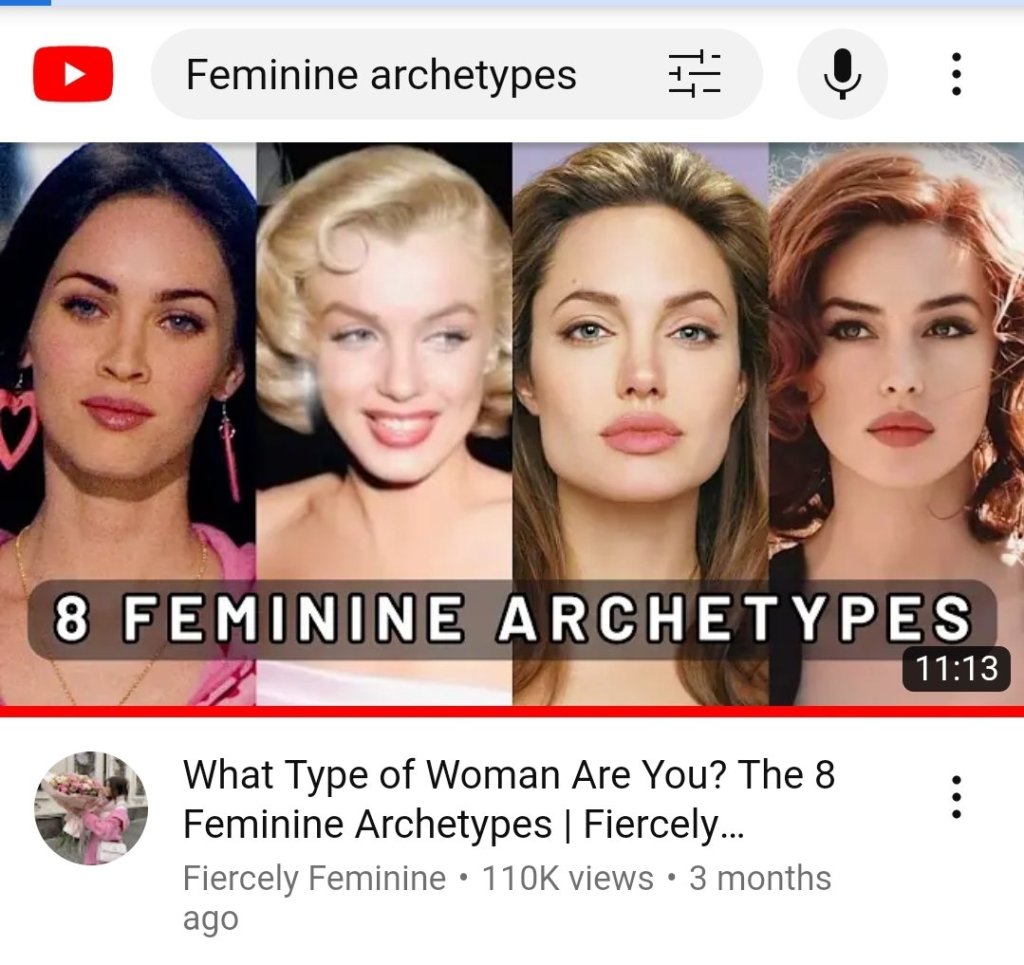
1. 10 Feminine Archetypes: Which type is She?
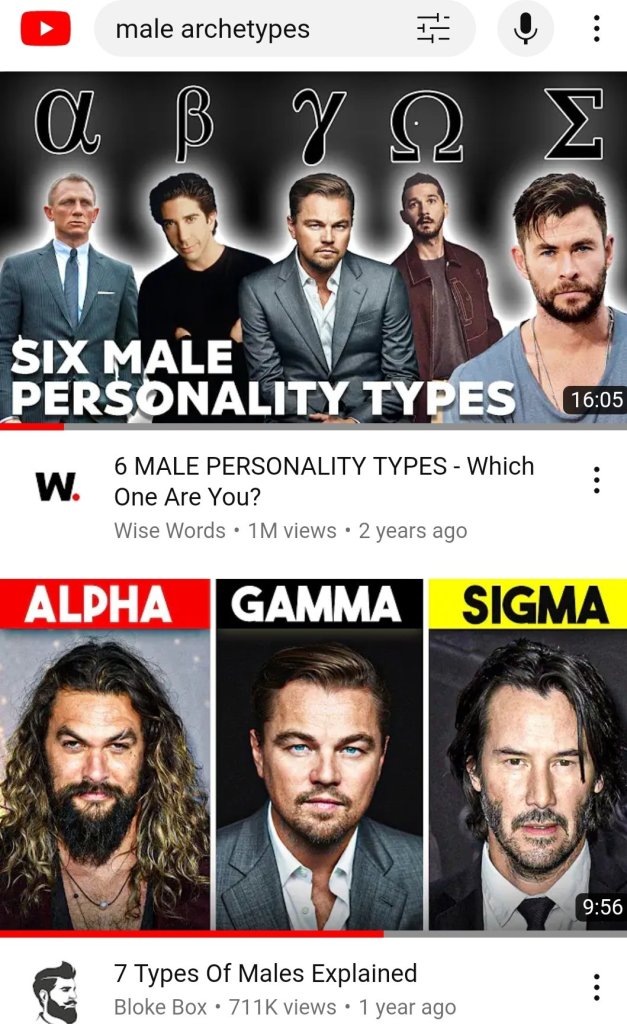
2. 6 Masculine Archetypes:
3. FeMasculine Archetypes:
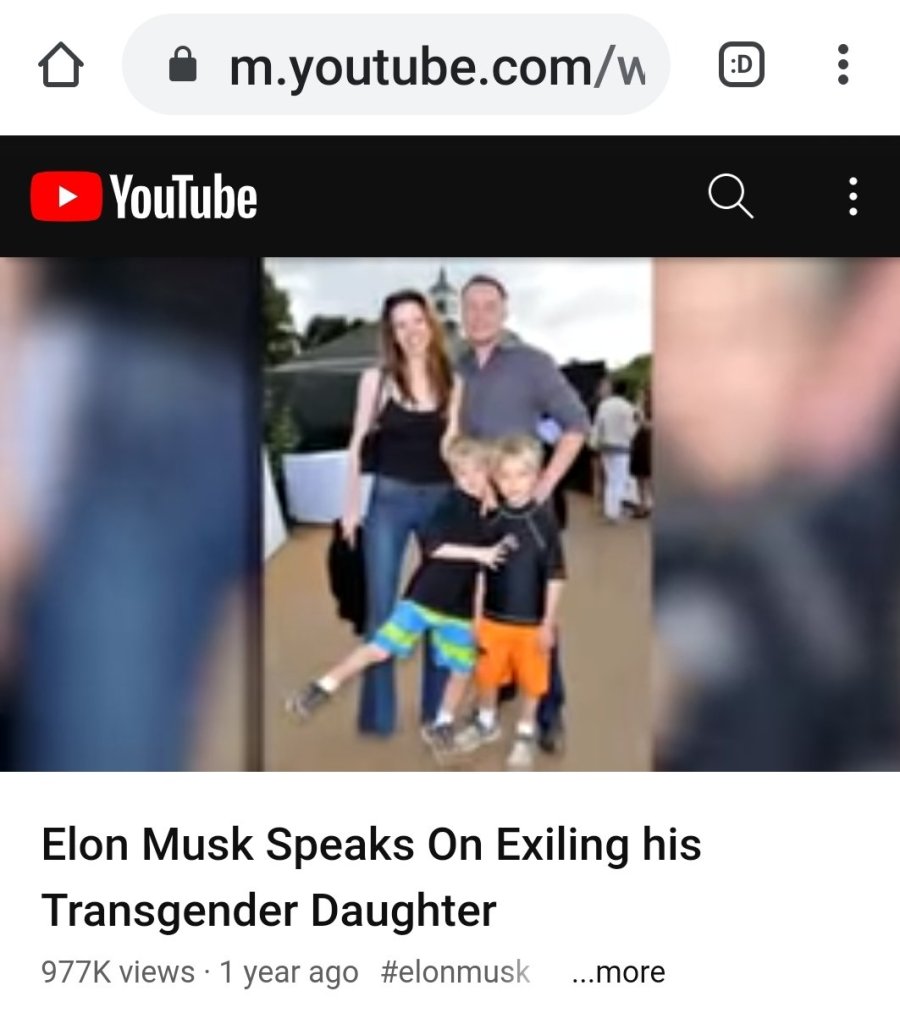
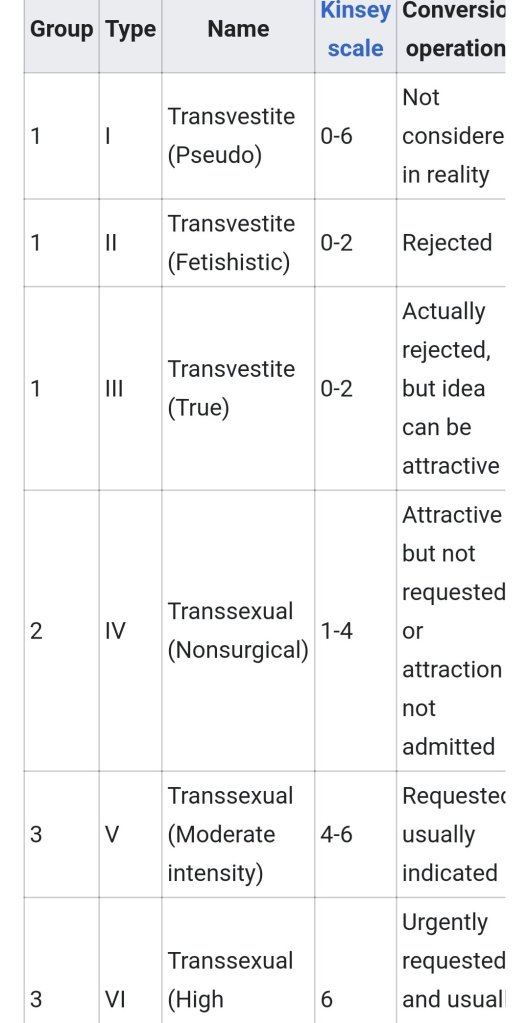
Indian education makes many students gud in Physical Sciences like Materials, chemistry and physics but very few students understand genders-sciences.
Here is a bridge-blog for the knowledge gap.
S342: 3+ Gendered India. #Genders-Sensible Nations.
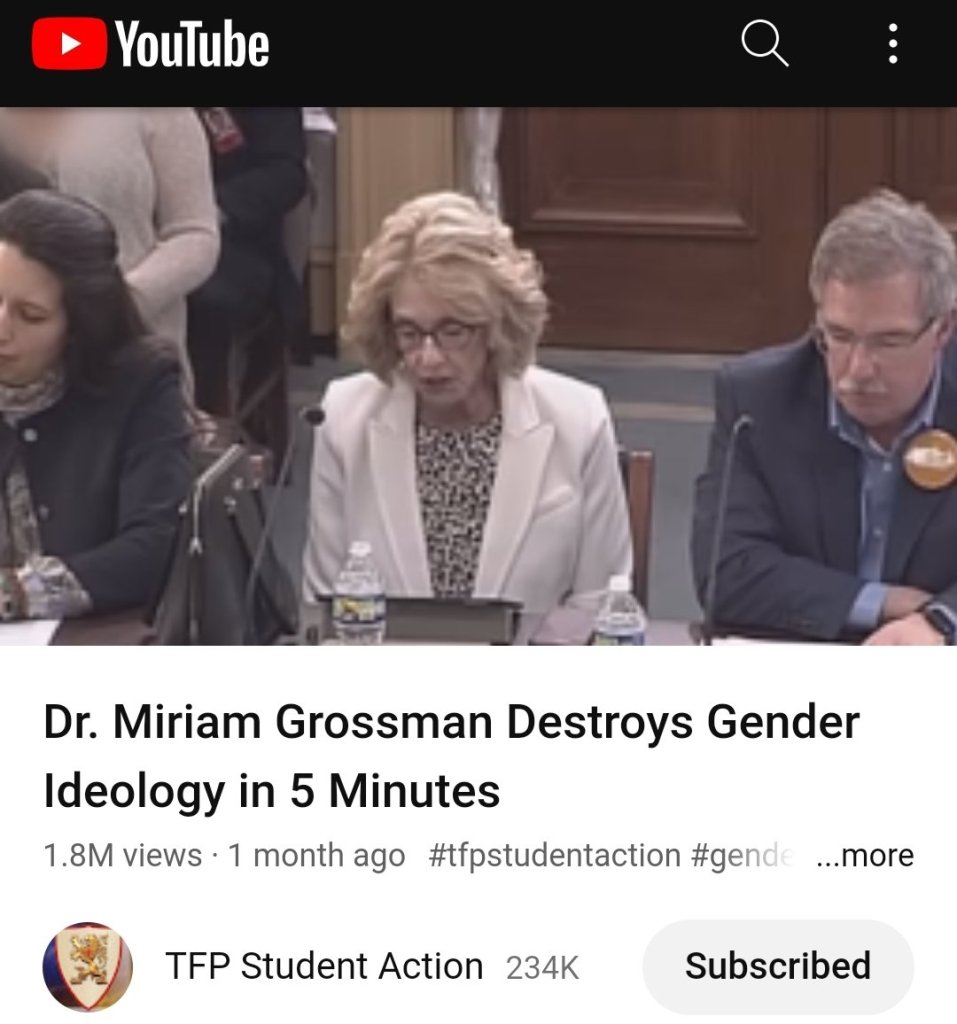
https://m.youtube.com/watch?v=abTMFKoytMo
Genders-Sensible Communities cannot happen by Chance , it can only happen by aware-Choices of Critical minds._GRP.(2023)
 GRP_VCare2Dare