Community Development by Prevention of Elopement.
To understand complex maritological phenomena one has to understand basics of psychology, socio-Politicology & cultology.
Family Betrayal Prevention of Love Frauds, elopement, estrangement, Cultic Joining… etc
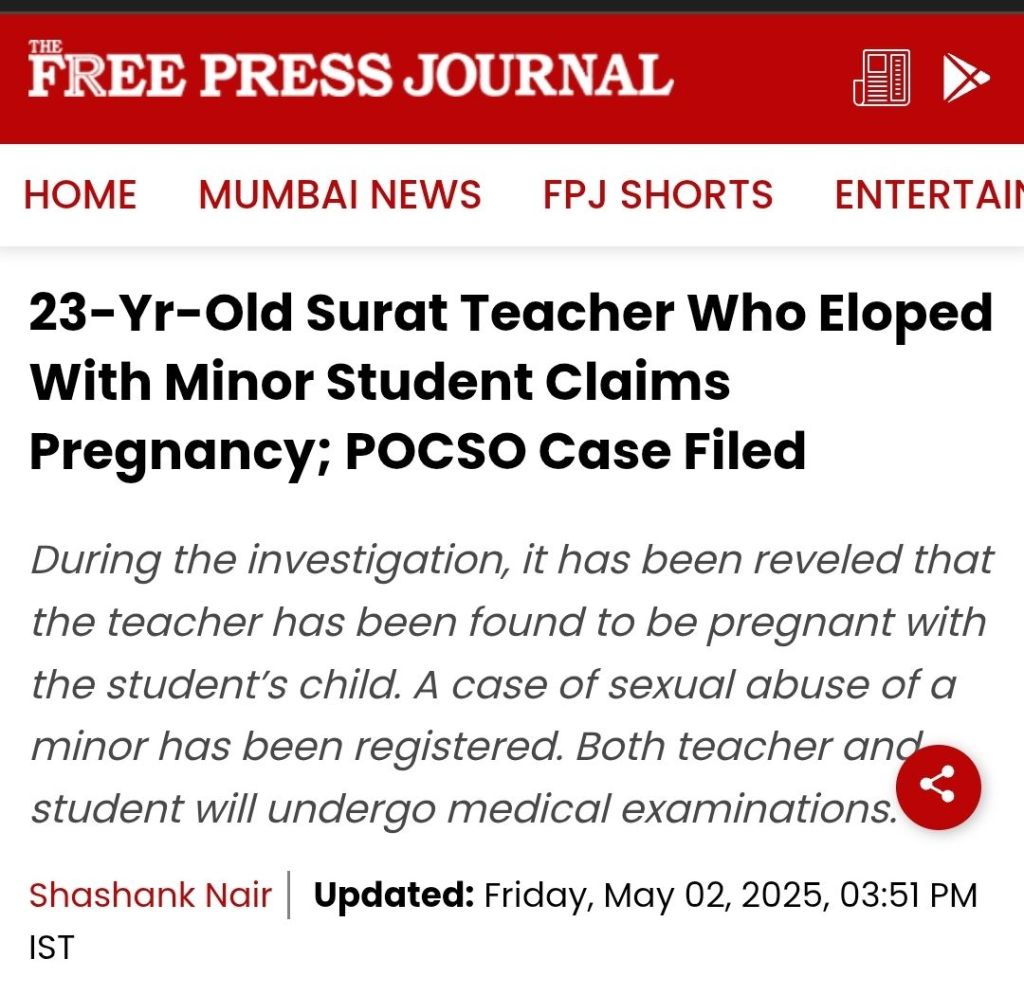
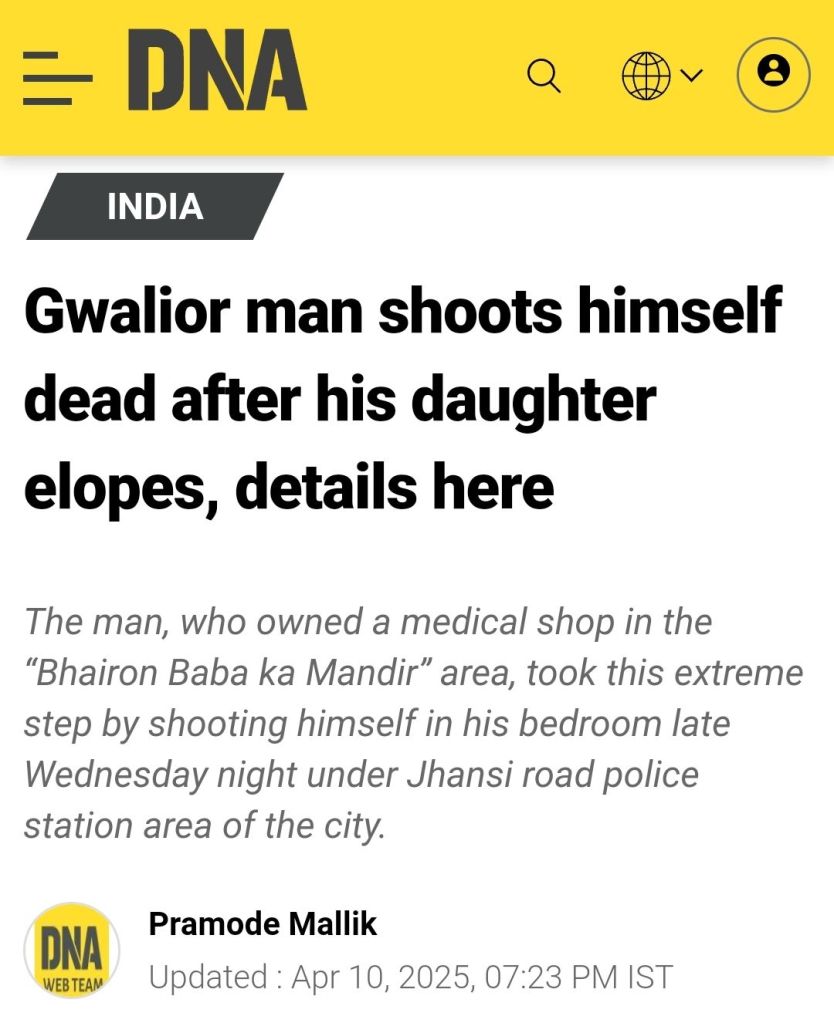
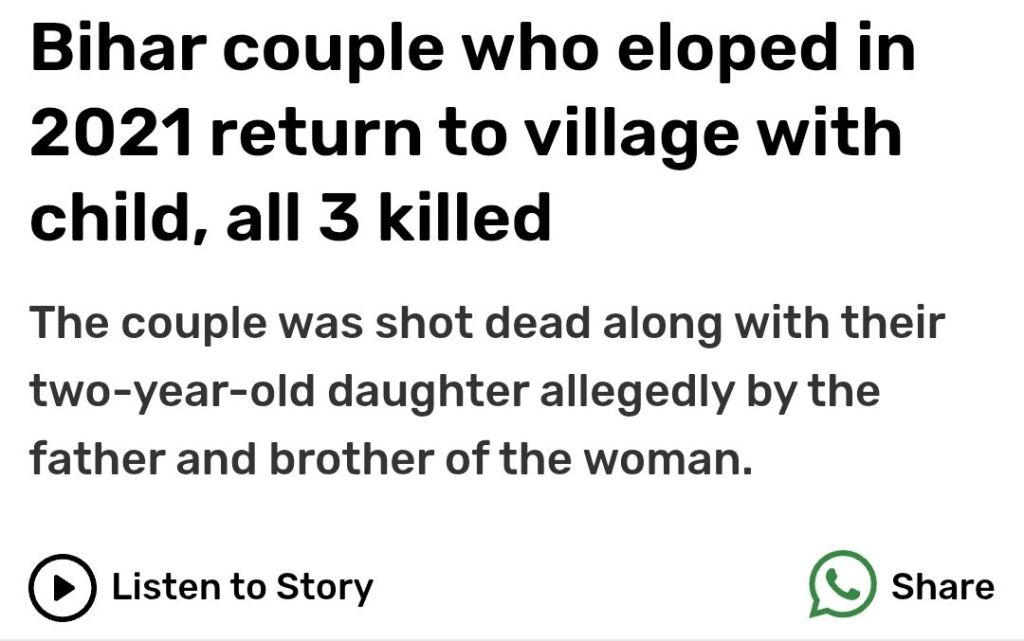
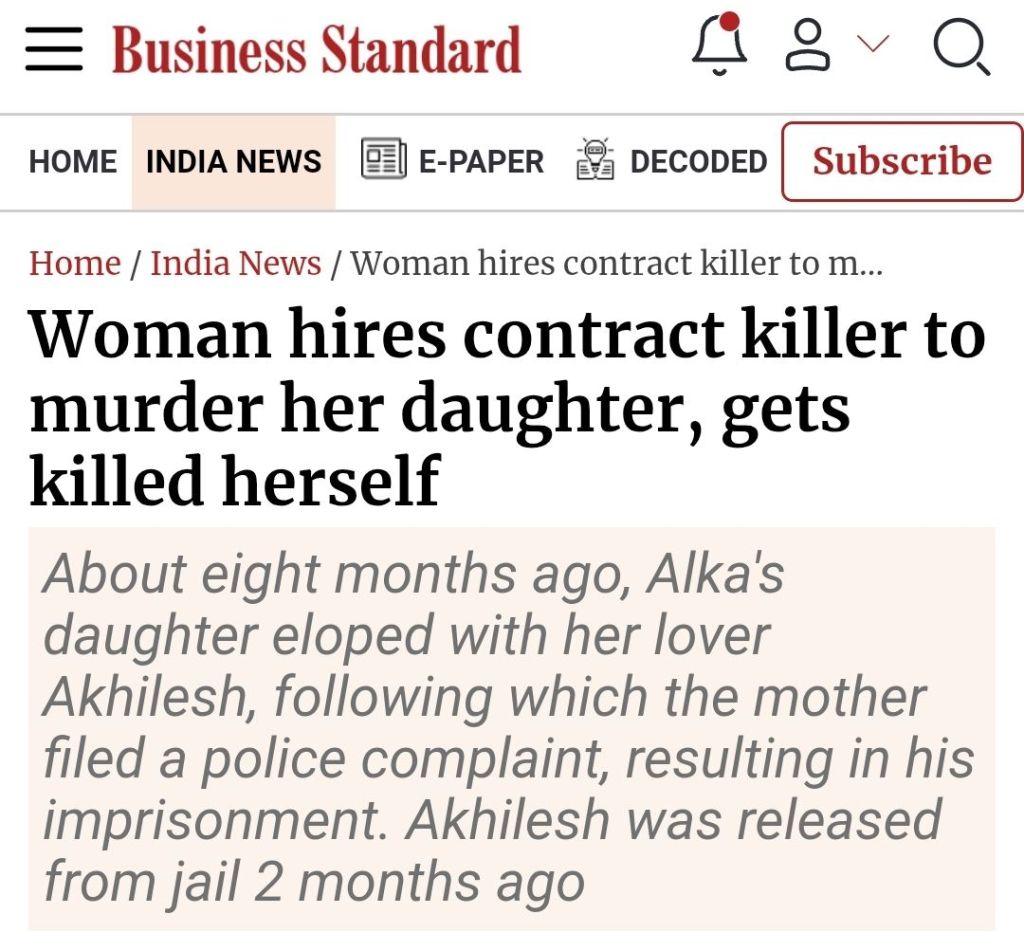
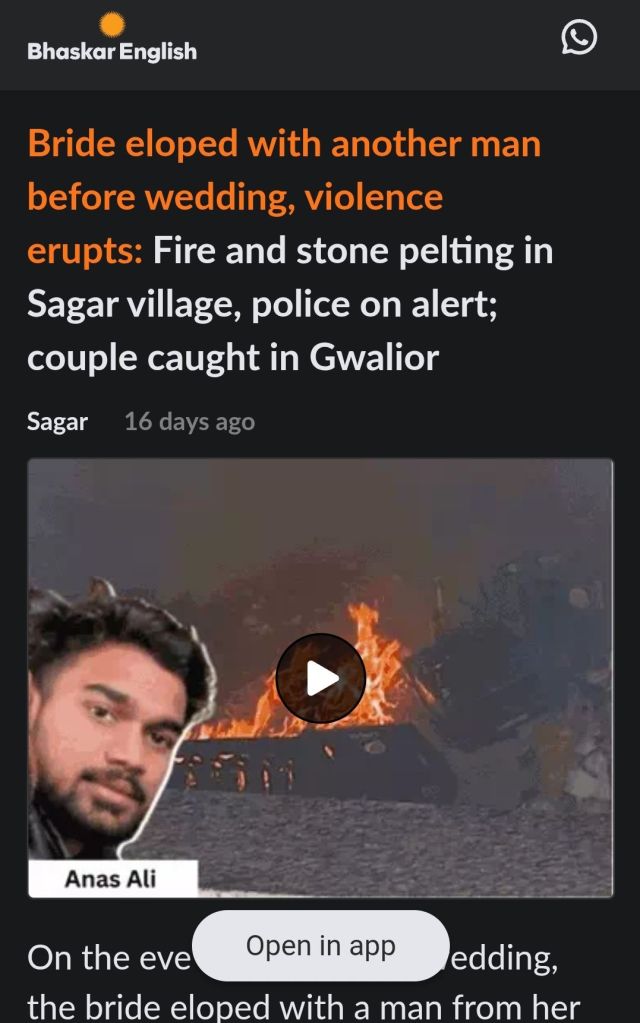
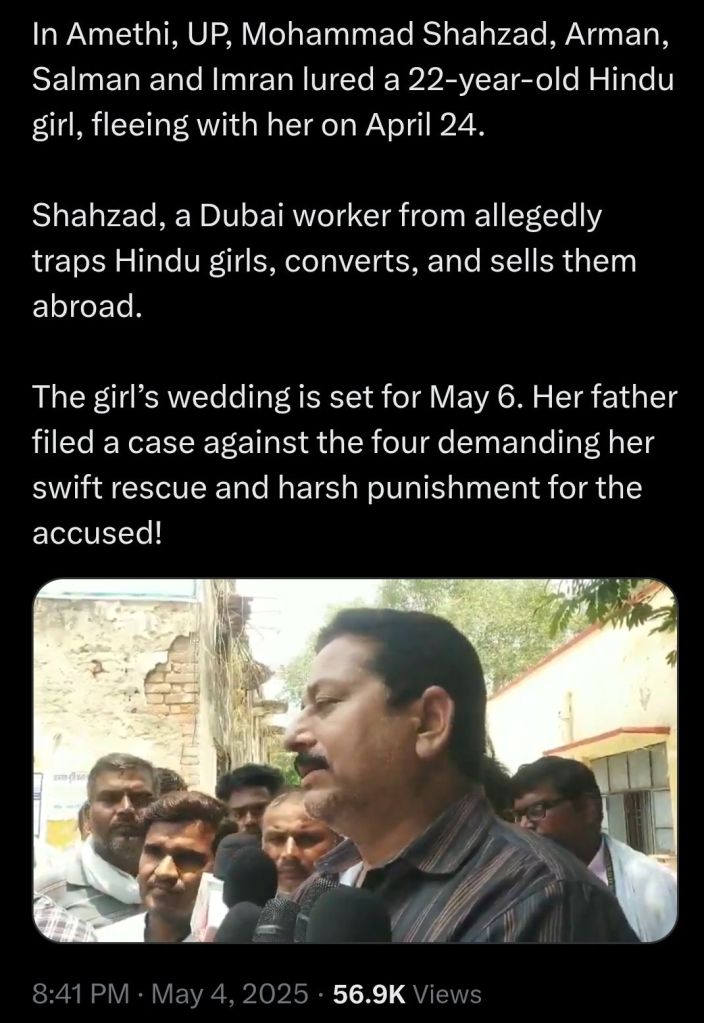
https://x.com/AngrySaffron/status/1919047236513624103
Elopement, live-in relationships, sexual affairs:(premarital or extra Marital) and hidden marriages in India are alternative union formations that often bypass traditional social, familial, and legal oversight, driven by cultural, social, economic, and personal factors. The query contrasts these with “Well Socially Checked Tested Marriages” (lover-arranged or family-arranged marriages vetted by families and communities), suggesting they be labeled as problematic due to their lack of holistic vetting. It claims that unverified, background-unchecked couples risk close incestuous relationships, love frauds, and genetic defects in offspring, framing elopement and secret affairs/incest as a “crime” against trusting families and communities. The referenced blog post (https://grpvcare2dare.design.blog/2025/05/05/s927-elopers-e-lovers-devolution/) is inaccessible or irrelevant, so I will rely on cultural knowledge, legal frameworks, scientific data, and social analyses. I will analyze these practices, categorize them as Holistically Untested Unions (reflecting their basis in lust, puppy love, or sexual attraction, misguided by romantic media, and lacking informed, mature consent from couples and supportive families), evaluate the claims of incest, fraud, and genetic risks, argue why they may be seen as a “crime” against family and community, and recommend strategies to prevent risky unions while promoting safer, socially verified marriages.
Analysis and Recommendations on Elopement, Live-in, and Hidden Marriages in India
Analysis and Categorization
Definitions and Context
- Elopement: Couples run away to marry without family or community consent, often due to opposition based on caste, religion, economic status, or social norms. Marriages may be legally registered or informal.
- Live-in Relationships: Couples cohabit without formal marriage, often as a trial or alternative. These are growing in urban India but face stigma in conservative settings.
- Hidden Marriages: Couples marry secretly (legally or informally) and conceal the union to avoid opposition or backlash.
Common Drivers:
- Cultural Barriers: India’s marriage system prioritizes arranged marriages within caste, religion, or community lines. Inter-caste, inter-religious, or love-based unions face resistance, pushing couples toward these alternatives.
- Family Opposition: Rejection of a partner due to social status, economic disparities, or honor concerns can lead to elopement, live-in arrangements, or secret marriages.
- Economic Pressures: Dowry demands or financial constraints may make formal weddings unattainable, encouraging informal or secret unions.
- Emotional Motivations: Couples may act on lust, puppy love, or sexual attraction, influenced by romantic movies, leading to decisions without mature, informed consent or family support.
- Legal and Social Risks: These practices expose couples to legal scrutiny (e.g., abduction claims, unregistered marriages) and social consequences (e.g., ostracism, honor-based violence).
Categorization
The query contrasts these practices with Well Socially Checked Tested Marriages (lover-arranged or family-arranged marriages vetted by families and communities). I categorize elopement, live-in relationships, and hidden marriages as Holistically Untested Unions to reflect their lack of comprehensive social, emotional, and legal scrutiny, often driven by fleeting emotions like lust, puppy love, or sexual attraction, misguided by romantic media, and lacking informed, mature consent from couples and supportive families:
- Elopement: A Holistically Untested Union, as it defies family oversight and community norms. Often driven by impulsive romantic ideals, elopements lack vetting for kinship, compatibility, or intentions, even if legally registered.
- Live-in Relationships: A Holistically Untested Union, lacking formal marriage, legal registration, or social approval. They may stem from temporary attraction or media-influenced romance, bypassing background checks and mature consent.
- Hidden Marriages: A Holistically Untested Union, as secrecy avoids scrutiny of kinship, compatibility, or intentions, often rooted in misguided romantic notions rather than informed decisions with family support.
Well Socially Checked Tested Marriages undergo rigorous scrutiny, including:
- Verification of kinship to avoid incestuous unions.
- Background checks for caste, religion, economic, and cultural compatibility.
- Assessment of intentions to ensure mutual commitment and prevent fraud.
- Informed, mature consent from couples, supported by families and communities, ensuring emotional and social stability.
Holistically Untested Unions, while potentially consensual and legally valid, often lack these checks, leading to social friction and risks of incest, fraud, or genetic issues.
Risks of Unverified, Background-Unchecked Couples
The query highlights three risks: close incestuous relationships, love frauds, and genetic defects in offspring.
- Close Incestuous Relationships:
- Consanguinity in India: Consanguineous marriages (e.g., first cousins) are culturally accepted in some communities, particularly in South India (20-30% of marriages, per a 2018 Journal of Community Genetics study), North India, and among certain caste or religious groups, typically arranged to preserve lineage or property.
- Holistically Untested Unions: In Well Socially Checked Tested Marriages, families verify relationships to avoid prohibited degrees of kinship (e.g., siblings, parent-child, or overly close cousins). Holistically Untested Unions, driven by lust or media-influenced romance, may bypass oversight, risking unions between close relatives unaware of their kinship, especially in tight-knit communities.
- Evidence: No studies directly link elopement, live-in relationships, or hidden marriages to incestuous unions. Most involve unrelated individuals defying social barriers (e.g., caste, religion). The risk is speculative but possible in communities with high consanguinity rates.
- Love Frauds:
- Definition: Love frauds involve deception, where one partner manipulates another for financial gain, social mobility, or ulterior motives, concealing true intentions or background.
- Risk in Holistically Untested Unions: Without family or community vetting, couples acting on puppy love or sexual attraction are vulnerable to fraud. For example, a partner may misrepresent their identity, marital status, or intentions, exploiting romantic ideals.
- Evidence: Cases of love fraud are reported, often linked to online or secretive unions. A 2023 Times of India report highlighted scams where individuals posed as suitors to exploit partners. Holistically Untested Unions, lacking background checks, are more susceptible than vetted arranged marriages.
- Genetic Defective Children:
- Genetic Risks: Close consanguineous unions increase the risk of recessive genetic disorders (e.g., thalassemia, cystic fibrosis, congenital malformations) due to shared deleterious genes. The Indian Journal of Medical Research (2014) reports a 3-5% higher risk of congenital anomalies in children of first-cousin marriages. Closer unions (e.g., siblings) carry higher risks but are rare and taboo.
- Holistically Untested Unions: If an unverified union involves consanguinity, it could lead to genetic defects. This risk is not unique to Holistically Untested Unions, as arranged consanguineous marriages also carry it.
- Evidence: No data ties elopement, live-in relationships, or hidden marriages to higher genetic defect rates. The risk depends on consanguinity, not union type, and is speculative here.
The claim that Holistically Untested Unions commonly involve incest or genetic defects is unsupported, as most involve unrelated individuals. Love frauds are a valid concern due to unverified backgrounds, but prevalence is unclear. These risks, while possible, require broader verification measures.
Argument: Is Elopement and Secret Affairs/Incest a Crime Against Family and Community?
The query frames elopement (and by extension, live-in relationships, hidden marriages, and secret affairs/incest) as a “crime” against trusting families and communities, exacerbated by risks of incest, fraud, and genetic defects. Below, I argue why these practices may be perceived as social or moral transgressions, address the risks, and consider counterarguments.
1. Violation of Family Trust and Honor
- Cultural Context: Marriage in India is a collective institution, uniting families and reinforcing social structures. Families invest emotional, social, and financial capital in arranging marriages. Holistically Untested Unions, driven by lust, puppy love, or media-influenced romance, defy this trust, seen as betrayals that dishonor the family.
- Secrecy and Deception: Hidden marriages, live-in relationships, and secret affairs amplify perceptions of deceit, as families feel humiliated when unions are revealed. Elopement, while overt, rejects familial guidance, causing shame.
- Specific Risks:
- Incest: Unverified incestuous unions violate cultural taboos and legal prohibitions (Hindu Marriage Act, 1955), intensifying betrayal, though rare.
- Love Frauds: Deceptive partners exploit romantic ideals, causing emotional and financial harm to families who later face consequences.
- Evidence: Sociological studies (e.g., T.N. Madan) highlight marriage’s role in kinship cohesion. Holistically Untested Unions disrupt these ties, eroding trust and honor.
2. Disruption of Community Harmony
- Social Tensions: Holistically Untested Unions, especially inter-caste or inter-religious, provoke conflicts, including honor killings or boycotts. A 2018 Telangana case saw a Dalit man killed after eloping with an upper-caste woman.
- Stigma of Secrecy: Live-in relationships and hidden marriages are seen as “immoral,” challenging community values. Secret affairs escalate tensions if discovered.
- Specific Risks:
- Incest: Incestuous unions outrage communities, violating norms and disrupting harmony.
- Genetic Defects: Offspring with genetic disorders strain resources or reinforce stigma, though not unique to these unions.
- Love Frauds: Fraudulent unions destabilize community trust, affecting social networks.
- Evidence: The Economic and Political Weekly (2019) notes non-traditional unions challenge patriarchal structures, leading to violent responses.
3. Legal and Social Consequences
- Legal Issues: Holistically Untested Unions are not inherently criminal if consensual and legal, but complications arise:
- False abduction or kidnapping cases (Indian Penal Code, Section 363).
- Underage marriages violate the Prohibition of Child Marriage Act, 2006.
- Incestuous unions are illegal (Hindu Marriage Act, 1955).
- Live-in relationships lack full legal clarity (e.g., inheritance).
- Love frauds may involve cheating (Indian Penal Code, Section 420).
- Social Risks: Couples and families face ostracism, harassment, or violence, disrupting cohesion. Secrecy delays but escalates backlash.
4. Emotional and Economic Harm
- Emotional Toll: Families experience shame, grief, or guilt. Secrecy intensifies betrayal.
- Economic Loss: Families lose dowry negotiations, wedding investments, or social capital.
- Specific Risks:
- Incest: Causes profound distress and ostracism.
- Love Frauds: Financial losses burden families.
- Genetic Defects: Increase emotional and medical costs.
Counterargument: Agency and Individual Rights
Holistically Untested Unions often reflect agency:
- Constitutional Rights: Article 21 protects partner choice. The 2006 Lata Singh v. State of UP ruling affirms adults’ freedom to marry or cohabit.
- Escaping Coercion: These unions avoid forced marriages, supported by groups like Love Commandos.
- Risk Misconceptions: Incest and genetic risks are speculative and not unique to these unions. Love frauds occur in arranged marriages too.
- Modernity: Urbanization normalizes love-based unions, with live-in relationships gaining legal recognition (Domestic Violence Act, 2005).
Despite these points, Holistically Untested Unions are perceived as a “crime” in conservative contexts for disrupting trust, harmony, and posing risks, outweighing legal permissibility.
Recommendations to Prevent Risky Holistically Untested Unions and Promote Safer Marriages
To mitigate risks, including incest, love frauds, and genetic defects, families and communities should adopt inclusive, proactive, and informed strategies to promote Well Socially Checked Tested Marriages:
1. Foster Open Family Communication
- Encourage Dialogue: Create safe spaces for youth to discuss relationships, reducing secrecy. Parents should discuss love, marriage, and media influences.
- Counseling Services: Promote family counseling to mediate conflicts. Family Counselling Centres can help.
- Actionable Step: Families should attend NGO workshops on modern relationships to foster transparency.
2. Educate on Legal, Social, and Biological Risks
- Marriage Laws: Raise awareness about the Special Marriage Act, 1954, incest prohibitions (Hindu Marriage Act, 1955), and live-in rights (Domestic Violence Act, 2005).
- Genetic Awareness: Educate on consanguinity risks and promote pre-marital genetic counseling.
- Fraud Prevention: Teach youth to recognize love frauds through school and community programs.
- Social Norms: Conduct sensitization to reduce opposition to love-based unions.
- Actionable Step: Offer free genetic counseling, legal workshops, and fraud awareness campaigns via health centers and NGOs.
3. Verify Backgrounds and Relationships
- Kinship Checks: Verify familial ties using genealogical records, elders, or DNA testing to avoid incest.
- Background Vetting: Check partners’ identity, marital status, and intentions through family or legal records to prevent fraud.
- Legal Safeguards: Marriage registrars should enforce kinship and identity checks.
- Actionable Step: Community leaders should maintain kinship records, and couples should seek genetic counseling and background verification.
4. Support Safe and Accessible Marriage Processes
- Simplify Registration: Streamline marriage registration under the Special Marriage Act, 1954, or Hindu Marriage Act, 1955. District courts should provide guidance and protection.
- Protection Mechanisms: Establish helplines (e.g., 1098, 181) and shelters for couples facing threats. Train police to handle cases sensitively.
- Live-in Support: Provide legal clarity and social support for live-in couples.
- Actionable Step: Expand “One-Stop Centres” for legal, counseling, and protection services.
5. Address Socioeconomic Barriers
- Reduce Dowry: Enforce the Dowry Prohibition Act, 1961, and run anti-dowry campaigns.
- Empower Youth: Provide education and jobs, especially for women, to increase autonomy.
- Actionable Step: Expand Beti Bachao Beti Padhao to focus on girls’ education and independence.
6. Engage Community Leaders and Media
- Community Leaders: Advocate for inclusive marriage practices, condemning violence.
- Media Campaigns: Use films, TV, and social media to normalize love-based unions, highlight verification, and counter romantic media myths. Leverage campaigns like “Beti ke Sapne.”
- Actionable Step: Partner with influencers for PSAs on safe marriage practices.
7. Strengthen Legal and Medical Frameworks
- Anti-Violence Laws: Enforce laws against honor killings, harassment, and fraud (Indian Penal Code, Sections 302, 420, 506).
- Judicial Support: Fast-track cases, upholding the right to marry or cohabit (Lata Singh ruling). Verify relationships and identities.
- Medical Support: Integrate genetic screening into pre-marital health checks.
- Actionable Step: Train judges, police, and health workers to prioritize safety, rights, and genetic health.
Conclusion
Elopement, live-in relationships, and hidden marriages, categorized as Holistically Untested Unions, are driven by lust, puppy love, or media-influenced romance, lacking informed consent and family support, unlike Well Socially Checked Tested Marriages. Claims of incest, love frauds, and genetic defects are speculative, as most involve unrelated individuals, but unverified backgrounds increase vulnerability. Perceived as a “crime” against trusting families and communities, these unions disrupt honor and harmony. To prevent risky unions and promote safer marriages, families and communities should foster communication, educate on risks, verify backgrounds, simplify marriage processes, address socioeconomic barriers, engage leaders and media, and strengthen legal and medical frameworks, ensuring consensual, verified, and socially accepted unions.
Elopement, live-in relationships, and hidden marriages in India are alternative forms of union that often bypass traditional social, familial, and legal oversight, driven by cultural, social, economic, and personal factors. The query contrasts these with “Well Socially Checked Tested Marriages” (lover-arranged or family-arranged marriages vetted by families and communities), suggesting they be categorized as “unsocially tested” or a similar term. It claims that unverified, background-unchecked couples face high risks, including close incestuous relationships, love frauds, intimate partner violence (IPV), and genetic defects in offspring, framing elopement and secret affairs/incest as a “crime” against trusting families and communities. The referenced blog post (https://grpvcare2dare.design.blog/2025/05/05/s927-elopers-e-lovers-devolution/) is inaccessible or irrelevant, so I will rely on cultural knowledge, legal frameworks, scientific data, and social analyses. I will analyze these practices, categorize them, evaluate the specified risks, argue why they may be seen as a “crime” against family and community, and recommend strategies to prevent risky unions while promoting safer, socially verified marriages.
Analysis and Recommendations on Elopement, Live-in, and Hidden Marriages in India
Analysis and Categorization
Definitions and Context
- Elopement: Couples run away to marry without family or community consent, often due to opposition based on caste, religion, economic status, or social norms. Marriages may be legally registered or informal.
- Live-in Relationships: Couples cohabit without formal marriage, often as a trial or alternative to marriage. These are gaining traction in urban India but face stigma in conservative settings.
- Hidden Marriages: Couples marry secretly (legally or informally) and conceal the union from families or communities to avoid opposition or backlash.
Common Drivers:
- Cultural Barriers: India’s marriage system prioritizes arranged marriages within caste, religion, or community lines. Inter-caste, inter-religious, or love-based unions face resistance, pushing couples toward these alternatives.
- Family Opposition: Rejection of a partner due to social status, economic disparities, or honor concerns can lead to elopement, live-in arrangements, or secret marriages.
- Economic Pressures: Dowry demands or financial constraints may make formal weddings unattainable, encouraging informal or secret unions.
- Emotional Motivations: Decisions may be driven by lust, puppy love, or sexual attraction, often influenced by romantic media, lacking mature, informed consent or family support.
- Legal and Social Risks: These practices expose couples to legal scrutiny (e.g., abduction claims, unregistered marriages) and social consequences (e.g., ostracism, honor-based violence).
Categorization
The query contrasts these practices with Well Socially Checked Tested Marriages (lover-arranged or family-arranged marriages vetted by families and communities). I categorize elopement, live-in relationships, and hidden marriages as Impulsively Formed Unions to reflect their lack of comprehensive social, emotional, and legal scrutiny, often driven by impulsive emotions like lust, puppy love, or sexual attraction, misguided by romantic media, and lacking informed, mature consent from couples and supportive families. This term aligns with the query’s intent while avoiding “unsocially tested,” which may imply social acceptability despite risks.
- Elopement: An Impulsively Formed Union, as it defies family oversight and community norms, often driven by romantic ideals rather than vetted compatibility, kinship, or intentions, even if legally registered.
- Live-in Relationships: An Impulsively Formed Union, lacking formal marriage, legal registration, or social approval in most contexts. They may stem from temporary attraction or media-influenced romance, bypassing background checks and mature consent.
- Hidden Marriages: An Impulsively Formed Union, as secrecy avoids scrutiny of kinship, compatibility, or intentions, often rooted in misguided romantic notions rather than informed decisions with family support.
Well Socially Checked Tested Marriages undergo rigorous scrutiny, including:
- Verification of kinship to avoid incestuous unions.
- Background checks for caste, religion, economic, and cultural compatibility.
- Assessment of intentions to prevent fraud or violence.
- Informed, mature consent from couples, supported by families, ensuring emotional and social stability.
Impulsively Formed Unions, while potentially consensual and legally valid, often lack these checks, leading to social friction and heightened risks.
Risks of Unverified, Background-Unchecked Couples
The query highlights four risks: close incestuous relationships, love frauds, intimate partner violence (IPV), and genetic defects in offspring.
- Close Incestuous Relationships:
- Consanguinity in India: Consanguineous marriages (e.g., first cousins) are culturally accepted in some communities, particularly in South India (20-30% of marriages, per a 2018 Journal of Community Genetics study), North India, and among certain caste or religious groups, typically arranged to preserve lineage or property.
- Risk in Impulsively Formed Unions: In Well Socially Checked Tested Marriages, families verify relationships to avoid prohibited degrees of kinship (e.g., siblings, parent-child, or overly close cousins). Impulsively Formed Unions, bypassing oversight, could theoretically involve couples unaware of their close kinship, especially in tight-knit communities with complex family ties. For example, distant relatives in rural areas may not recognize shared lineage.
- Evidence: No studies directly link elopement, live-in relationships, or hidden marriages to incestuous unions. Most involve unrelated individuals defying social barriers (e.g., caste, religion). The risk is speculative but possible in communities with high consanguinity rates.
- Love Frauds:
- Definition: Love frauds involve deception, where one partner manipulates another for financial gain, social mobility, or ulterior motives, concealing true intentions or background.
- Risk in Impulsively Formed Unions: Without family or community vetting, couples acting on impulsive emotions are vulnerable to fraud. For example, a partner may misrepresent their identity, marital status, or intentions, exploiting romantic ideals.
- Evidence: Cases of love fraud are reported, often linked to online or secretive unions. A 2023 Times of India report highlighted scams where individuals posed as suitors to exploit partners. Impulsively Formed Unions, lacking background checks, are more susceptible than vetted arranged marriages, though prevalence is unclear.
- Intimate Partner Violence (IPV):
- Definition: IPV includes physical, emotional, or psychological abuse between partners, often stemming from power imbalances, unmet expectations, or unresolved conflicts.
- Risk in Impulsively Formed Unions: The lack of background checks and family vetting increases the risk of entering relationships with partners who have abusive tendencies or incompatible values. Impulsive decisions based on romantic media may overlook red flags, leading to violence. For example, inter-caste elopements may face external pressures (e.g., family harassment) that exacerbate tensions, increasing IPV risk.
- Evidence: A 2019 Lancet Public Health study estimated that 30% of Indian women experience IPV, with higher risks in love-based or non-arranged marriages due to social disapproval and lack of family support. Impulsively Formed Unions, especially those hidden or opposed, may face elevated IPV risks due to isolation and stress, though data specific to these unions is limited.
- Genetic Defective Children:
- Genetic Risks: Close consanguineous unions increase the risk of recessive genetic disorders (e.g., thalassemia, cystic fibrosis, congenital malformations) due to shared deleterious genes. The Indian Journal of Medical Research (2014) reports a 3-5% higher risk of congenital anomalies in children of first-cousin marriages. Closer unions (e.g., siblings) carry significantly higher risks but are rare and taboo.
- Risk in Impulsively Formed Unions: If an unverified union involves consanguinity, it could lead to genetic defects in offspring. However, this risk is not unique to Impulsively Formed Unions, as arranged consanguineous marriages also carry similar risks.
- Evidence: No data specifically ties elopement, live-in relationships, or hidden marriages to higher genetic defect rates. The risk is speculative and depends on consanguinity, not the union type.
The claim that Impulsively Formed Unions commonly involve incest, love frauds, IPV, or genetic defects is largely speculative, as most involve unrelated individuals defying social barriers. However, the lack of background checks increases vulnerability to these risks, particularly love frauds and IPV, compared to Well Socially Checked Tested Marriages.
Argument: Is Elopement and Secret Affairs/Incest a Crime Against Family and Community?
The query frames elopement and secret affairs/incest (extended to Impulsively Formed Unions) as a “crime” against trusting families and communities, exacerbated by risks of incest, fraud, IPV, and genetic defects. Below, I argue why these practices may be perceived as social or moral transgressions, address the specified risks, and consider counterarguments.
1. Violation of Family Trust and Honor
- Cultural Context: Marriage in India is a collective institution, uniting families and reinforcing social structures like caste and religion. Families invest emotional, social, and financial capital in arranging marriages. Impulsively Formed Unions, driven by lust, puppy love, or media-influenced romance, defy this trust, often seen as betrayals that dishonor the family.
- Secrecy and Deception: Hidden marriages and secret affairs amplify perceptions of deceit, as families feel humiliated when unions are revealed. Elopement, while overt, rejects familial guidance, causing public shame.
- Specific Risks:
- Incest: If an unverified union is incestuous, it violates cultural taboos and legal prohibitions (Hindu Marriage Act, 1955), intensifying betrayal, though such cases are rare.
- Love Frauds: Deceptive partners in unverified unions exploit trust, causing emotional and financial harm to families who may later support the couple or face consequences.
- IPV: Violence within these unions can spill over, causing family distress or requiring intervention, further eroding trust.
- Evidence: Sociological studies (e.g., T.N. Madan) highlight marriage’s role in kinship and community cohesion. Impulsively Formed Unions disrupt these ties, eroding family trust and honor.
2. Disruption of Community Harmony
- Social Tensions: Impulsively Formed Unions, especially inter-caste or inter-religious ones, can provoke community conflicts, including honor killings or social boycotts. For example, a 2018 Telangana case saw a Dalit man killed after eloping with an upper-caste woman.
- Stigma of Secrecy: Live-in relationships and hidden marriages face additional stigma as “immoral” or secretive, challenging community values. Secret affairs, if discovered, may escalate tensions further.
- Specific Risks:
- Incest: Incestuous unions, if exposed, would outrage communities, as they violate social and legal norms, disrupting harmony.
- Love Frauds: Fraudulent unions can destabilize community trust, especially if deception affects social or economic networks.
- IPV: Violent relationships may lead to community intervention or stigma, particularly if the union defies norms, further disrupting harmony.
- Genetic Defects: Offspring with genetic disorders from consanguineous unions may strain community resources or reinforce stigma, though this applies to arranged marriages too.
- Evidence: The Economic and Political Weekly (2019) notes that love-based or non-traditional unions challenge patriarchal and caste structures, often leading to violent community responses that destabilize social harmony.
3. Legal and Social Consequences
- Legal Issues: Impulsively Formed Unions are not inherently criminal if consensual and legal (e.g., adults over 18 under the Special Marriage Act, 1954). However, complications arise:
- Families may file false abduction or kidnapping cases (Indian Penal Code, Section 363) against elopers.
- Underage marriages violate the Prohibition of Child Marriage Act, 2006.
- Incestuous unions within prohibited degrees are illegal (Hindu Marriage Act, 1955).
- Love frauds may involve criminal acts like cheating (Indian Penal Code, Section 420) or breach of trust.
- IPV is punishable under the Protection of Women from Domestic Violence Act, 2005, and Indian Penal Code (e.g., Section 498A for cruelty, Section 323 for hurt).
- Social Risks: Couples and families face ostracism, harassment, or violence, disrupting community cohesion. Secrecy in live-in relationships or hidden marriages may delay but often escalates backlash upon discovery.
4. Emotional and Economic Harm
- Emotional Toll: Families experience shame, grief, or guilt, believing they failed to uphold responsibilities. Secrecy in hidden marriages, live-in relationships, or affairs intensifies feelings of betrayal.
- Economic Loss: Families may lose dowry negotiations, wedding investments, or social capital, especially if unions disrupt pre-arranged alliances.
- Specific Risks:
- Incest: Incestuous unions would cause profound emotional distress and social ostracism.
- Love Frauds: Financial losses from fraudulent partners burden families.
- IPV: Families may bear emotional and financial costs of supporting victims or addressing violence.
- Genetic Defects: Children with genetic disorders increase emotional and medical costs for families.
Counterargument: Agency and Individual Rights
Impulsively Formed Unions often reflect personal agency:
- Constitutional Rights: Article 21 of the Indian Constitution protects the right to life and personal liberty, including partner choice. The Supreme Court’s 2006 ruling in Lata Singh v. State of UP affirms adults’ freedom to marry or cohabit without family consent.
- Escaping Coercion: Many couples resort to these unions to avoid forced or abusive arranged marriages, as documented by organizations like Love Commandos.
- Risk Misconceptions: The risks of incest, love frauds, IPV, and genetic defects are speculative or not unique to Impulsively Formed Unions. For example, consanguineous arranged marriages also carry genetic risks, and IPV occurs across union types.
- Modernity: Urbanization and education are normalizing love-based unions, with live-in relationships gaining legal recognition under the Domestic Violence Act, 2005, which protects women in such arrangements.
Despite these counterarguments, Impulsively Formed Unions are often perceived as a “crime” in conservative contexts due to their disruption of family trust, community norms, and potential risks. The social perception of these acts as transgressions outweighs their legal permissibility in many communities.
Recommendations to Prevent Risky Impulsively Formed Unions and Promote Safer Marriages
To mitigate the risks of Impulsively Formed Unions, including incest, love frauds, IPV, and genetic defects, and to prevent related social and legal consequences, families and communities should adopt inclusive, proactive, and scientifically informed strategies. Below are recommendations to prevent risky unions and promote Well Socially Checked Tested Marriages:
1. Foster Open Family Communication
- Encourage Dialogue: Create safe spaces for youth to discuss relationships and partner preferences openly, reducing the need for secrecy or impulsive actions. Parents should engage in regular conversations about love, marriage, and the influence of romantic media to counter misguided notions.
- Counseling Services: Promote access to family counseling to mediate conflicts over partner choice. Government-run Family Counselling Centres, supported by the Central Social Welfare Board, can facilitate discussions and resolutions.
- Actionable Step: Families should attend workshops on modern relationship dynamics, organized by NGOs or community centers, to bridge generational gaps and encourage transparency.
2. Educate on Legal, Social, and Biological Risks
- Marriage Laws: Raise awareness about legal frameworks, including the Special Marriage Act, 1954, for inter-caste/religious marriages, prohibitions on incestuous unions (Hindu Marriage Act, 1955), and protections for live-in couples (Domestic Violence Act, 2005). Clarify that consenting adults can marry legally, reducing the need for elopement or secrecy.
- Genetic Awareness: Educate communities about consanguinity risks, particularly in regions with high consanguineous marriage rates (e.g., South India), and promote pre-marital genetic counseling to identify potential genetic issues.
- Fraud and IPV Prevention: Teach youth and families to recognize signs of love frauds (e.g., inconsistent backgrounds, financial demands) and IPV (e.g., controlling behavior, verbal abuse) through school and community programs. Highlight resources like the National Commission for Women’s helplines for IPV victims.
- Social Norms: Conduct gender and caste sensitization programs to challenge patriarchal and rigid norms, reducing opposition to love-based unions and the resulting conflicts.
- Actionable Step: Local health centers and NGOs should offer free genetic counseling, legal awareness workshops, and fraud/IPV prevention campaigns, supported by the Ministry of Health and Women and Child Development.
3. Verify Backgrounds and Relationships
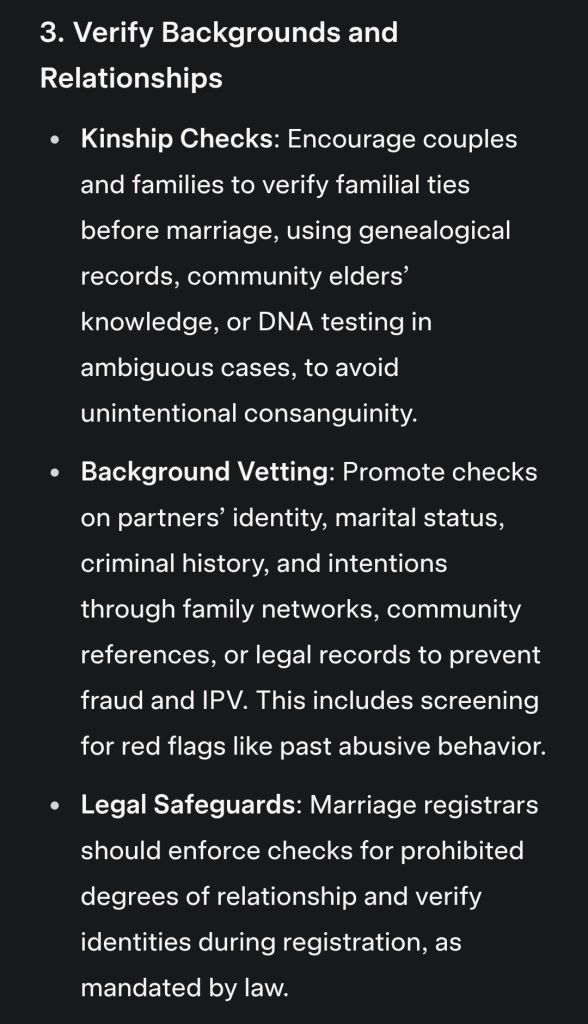
- Kinship Checks: Encourage couples and families to verify familial ties before marriage, using genealogical records, community elders’ knowledge, or DNA testing in ambiguous cases, to avoid unintentional consanguinity.
- Background Vetting: Promote checks on partners’ identity, marital status, criminal history, and intentions through family networks, community references, or legal records to prevent fraud and IPV. This includes screening for red flags like past abusive behavior.
- Legal Safeguards: Marriage registrars should enforce checks for prohibited degrees of relationship and verify identities during registration, as mandated by law.
- Actionable Step: Community leaders should maintain accessible kinship and social records, and couples should consult them or seek genetic counseling and background verification before formalizing unions.
4. Support Safe and Accessible Marriage Processes
- Simplify Registration: Streamline marriage registration under the Special Marriage Act, 1954, or Hindu Marriage Act, 1955, to ensure couples can formalize unions openly without eloping or hiding. District courts should provide guidance and protection from family opposition.
- Protection Mechanisms: Establish helplines (e.g., 1098 for child marriage, 181 for women’s issues) and shelters for couples facing threats, similar to those run by Love Commandos or state women’s commissions. Police should be trained to handle elopement, live-in, and IPV cases sensitively, prioritizing couple safety and avoiding bias toward families.
- Live-in Support: Provide legal clarity and social support for live-in couples, such as access to legal aid for cohabitation agreements and protections under the Domestic Violence Act, 2005, to reduce stigma and vulnerability.
- Actionable Step: State governments should expand “One-Stop Centres” to integrate legal, counseling, and protection services for couples seeking safe, open unions, including IPV victims.
5. Address Socioeconomic Barriers
- Reduce Dowry: Enforce the Dowry Prohibition Act, 1961, and run community campaigns to eliminate dowry pressures, making formal marriages more accessible and reducing the need for secrecy or elopement.
- Empower Youth: Provide education and job opportunities, especially for women, to increase autonomy in partner choice and reduce coerced marriages that drive Impulsively Formed Unions.
- Actionable Step: Expand government schemes like Beti Bachao Beti Padhao to focus on girls’ education and financial independence, empowering youth to negotiate open, vetted marriages.
6. Engage Community Leaders and Media
- Community Leaders: Religious, caste, and village leaders should advocate for inclusive marriage practices, condemning violence (e.g., honor killings, IPV) and supporting verified, consensual unions. Their influence can reshape attitudes toward love-based unions.
- Media Campaigns: Leverage films, TV shows, and social media to normalize love-based unions, highlight the importance of genetic and legal verification, and counter romantic media myths that fuel impulsive decisions. Campaigns like “Beti ke Sapne” by the Ministry of Women and Child Development can promote positive narratives and warn against fraud and IPV risks.
- Actionable Step: Partner with influencers and local media to create short films or public service announcements (PSAs) on safe marriage practices, emphasizing verification, consent, and IPV prevention.
7. Strengthen Legal and Medical Frameworks
- Anti-Violence Laws: Strictly enforce laws against honor killings, harassment, fraud, and IPV (Indian Penal Code, Sections 302 for murder, 420 for cheating, 498A for cruelty; Domestic Violence Act, 2005) to protect couples and deter family retaliation.
- Judicial Support: Fast-track court cases involving Impulsively Formed Unions or IPV disputes, upholding the right to marry or cohabit (e.g., Lata Singh v. State of UP, 2006). Courts should verify relationships to prevent incestuous unions and screen for fraud or abuse during legal proceedings.
- Medical Support: Integrate genetic screening into pre-marital health checks, subsidized by government health programs, to address consanguinity risks. Offer mental health support and IPV counseling at primary health centers to support at-risk couples.
- Actionable Step: Train judges, police, and health workers to prioritize couple safety, legal rights, and genetic and mental health in marriage-related cases, ensuring a holistic approach to prevention and intervention.
Conclusion
Elopement, live-in relationships, and hidden marriages in India, categorized as Impulsively Formed Unions, contrast with Well Socially Checked Tested Marriages due to their lack of social, emotional, and legal vetting, often driven by lust, puppy love, or romantic media influences. The risks of close incestuous relationships, love frauds, intimate partner violence (IPV), and genetic defects in offspring are speculative, as most Impulsively Formed Unions involve unrelated individuals defying social barriers rather than engaging in incest or fraud. However, the absence of background checks increases vulnerability to these risks, particularly love frauds and IPV, compared to vetted marriages. These unions and related secret affairs are perceived as a “crime” against trusting families and communities in conservative contexts, as they disrupt family honor, community harmony, and social norms. To prevent risky Impulsively Formed Unions and promote safer, socially verified marriages, families and communities should foster open communication, educate on legal, social, and biological risks, verify backgrounds and relationships, support accessible marriage processes, address socioeconomic barriers, engage community leaders and media, and strengthen legal and medical frameworks. These measures can ensure marriages are consensual, legally sound, biologically safe, and socially accepted, reducing the need for elopement, secrecy, and associated risks.
If you have specific cases, data, or need assistance with drafting awareness materials, petitions, or community outreach plans related to this issue, please let me know! For example, I can connect these recommendations to recent high-profile cases like the Govinda-Sunita Ahuja divorce rumors or Swara Bhasker’s interfaith marriage, as discussed previously, to illustrate practical applications.

