
Hal-Rihad (Urdu): “स्वातन्त्र्यस्य समाधानम्” (Svatantryasya Samadhanam). “Hal” means Solution & Riha means Freedom)… Hal Rihad = Solution that Sets Us Free..
Its The “Truly War for Humane-ity” not unHoly War for Superiority..
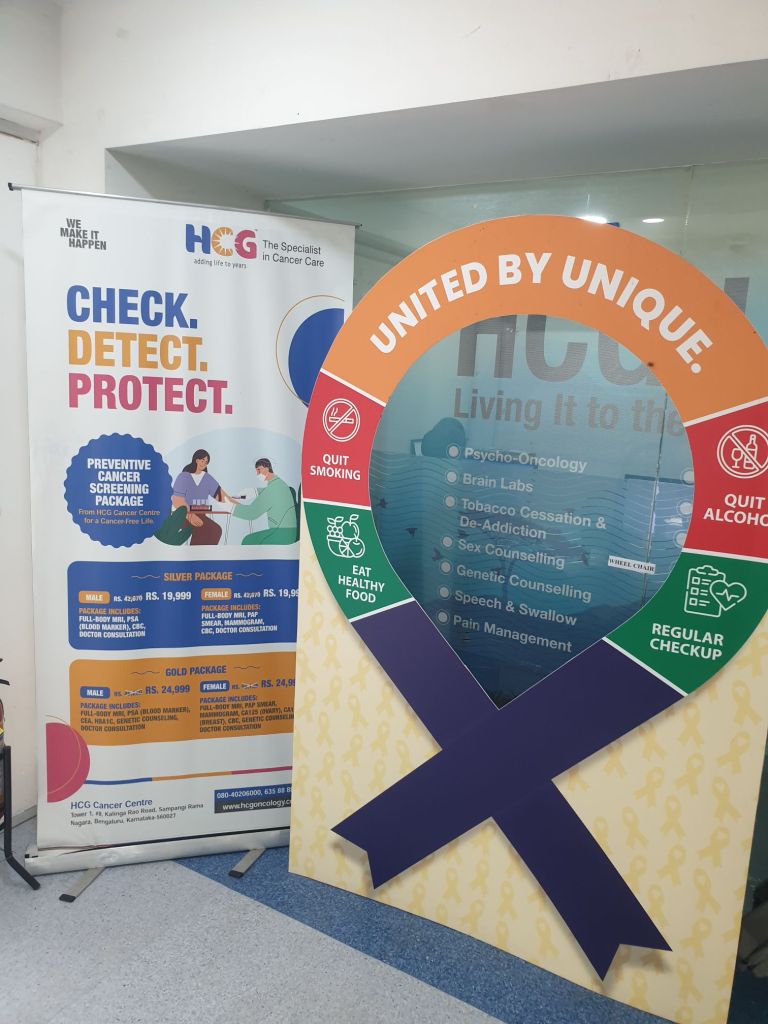
Just like Cancer Spreads Unsustainably, Cancerous Ideologies spread fast.. So need to Check, Detect & Protect Our Selves, our Communities & Nations from threats from Extremisms in Religions, Regions, Policy or Irrationality. That’s Hurting Human Evolution.
“Aham Samajasmi,” I am Our_Society, Ahum Brahmasmi (We are the World).. Jag’hitutva.
Moving beyond Mama Samadhi (My Liberty) to SamaSamAdhi (Our Equal Liberation).
From Brain Drain/Brain Strain (Brainwashing for Radicalisation) to Brain Train & Brain Gain (DeWashing for Rationalization).
Its not where the brain goes in the world (Brain Drain) but What goes into the Brain (Brain Train) from the world and What goes out to the world from It (Global Brain Gain).
A Manifesto for Liberation from Oppression through Humanism and Rationalism.
Preamble
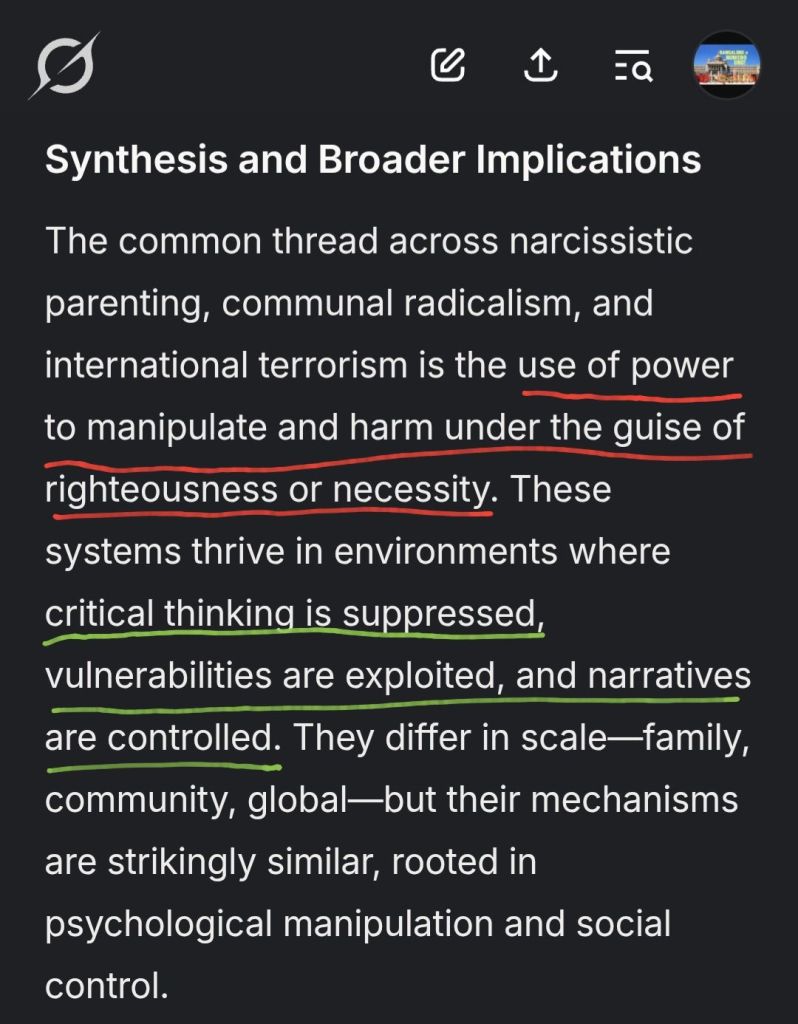
Hal-Rihad, or Samvidanutva meaning “Solutions for Liberty,” is a global call to action for world citizens to unite under the principles of humanism and rationalism. It envisions a world free from oppression—be it political, social, economic, or cultural—where every individual is empowered to live with dignity, freedom, and purpose. This manifesto outlines the core tenets, values, and actionable principles of Hal-Rihad/ Buddhithva to guide individuals and communities toward a liberated and equitable future.
Core Principles
- Humanism as the Foundation: Every human being possesses inherent worth and dignity. Hal-Rihad champions compassion, empathy, and respect for all, regardless of race, gender, religion, or status.
- Rationalism as the Guide: Reason, evidence, and critical thinking are the tools to dismantle oppressive systems and build just societies. Superstition, dogma, and unchecked authority have no place in a free world.
- Liberty as the Goal: True liberation means freedom from all forms of oppression—tyranny, inequality, exploitation, and ignorance. Liberty is not merely the absence of chains but the presence of opportunity, justice, and self-determination.
- Universality of Rights: Human rights are inalienable and universal. No individual or group should be denied their fundamental freedoms based on arbitrary distinctions.
- Collective Responsibility: Freedom is achieved through solidarity. Hal-Rihad calls for global cooperation to uplift the marginalized, challenge injustice, and foster inclusive communities.
The Vision
‘Hal-Rihad‘ or SOLutionaLiberty seeks a world where:
- Every individual has access to education, healthcare, and economic opportunity.
- Governance is transparent, accountable, and rooted in the will of the people.
- Cultural and intellectual diversity is celebrated as a strength, not a threat.
- Technology and innovation serve humanity, not exploitation or control.
- The environment is protected as a shared heritage for future generations.
The Enemies of Liberty
To achieve liberation, Hal-Rihad or SamVidanutva identifies key forces of oppression that must be confronted & FreeExpression that must be fronted.
- Authoritarianism: Regimes that suppress dissent, control thought, or erode freedoms.
- Inequality: Economic and social systems that concentrate power and wealth in the hands of a few.
- Ignorance: Misinformation, illiteracy, and anti-intellectualism that perpetuate division and fear.
- Dogmatism: Blind adherence to ideologies—religious, political, or cultural—that stifle inquiry and progress.
- Exploitation: Systems that dehumanize individuals through labor, discrimination, or commodification.
The Path to Liberation
Hal-Rihad proposes a multi-faceted approach to dismantle oppression and build a free world:
1. Education and Enlightenment
- Promote universal access to education that emphasizes critical thinking, ethics, and global citizenship.
- Combat misinformation through media literacy and open access to knowledge.
- Encourage lifelong learning to empower individuals to question authority and innovate.
2. Grassroots Empowerment
- Support community-driven movements that amplify the voices of the marginalized.
- Foster local leadership to address region-specific challenges while aligning with universal principles.
- Create networks of solidarity to share resources, knowledge, and strategies across borders.
3. Rational Governance
- Advocate for democratic systems that prioritize transparency, accountability, and participation.
- Reform institutions to eliminate corruption and ensure equitable representation.
- Use evidence-based policymaking to address social, economic, and environmental challenges.
4. Economic Justice
- Challenge systems that perpetuate poverty and inequality through fair wages, wealth redistribution, and universal basic services.
- Promote ethical economies that prioritize human well-being over profit.
- Support cooperative and sustainable models of production and consumption.
5. Cultural Transformation
- Celebrate diversity while dismantling prejudices based on race, gender, or belief.
- Encourage art, literature, and dialogue that inspire humanistic values and rational inquiry.
- Reject traditions or practices that violate human dignity, while preserving cultural heritage.
6. Technological Progress
- Harness technology to democratize access to information, healthcare, and opportunity.
- Ensure ethical oversight to prevent surveillance, exploitation, or monopolization.
- Innovate sustainably to address climate change and resource scarcity.
Call to Action
Hal-Rihad is not a mere philosophy—it is a movement. Every world citizen is invited to join the Solution of Liberty by:
- Educating Themselves and Others: Seek truth, question assumptions, and share knowledge.
- Organizing Locally: Build communities rooted in humanism and rationalism to address local injustices.
- Advocating Globally: Support policies and movements that align with Hal-Rihad’s vision.
- Living the Principles: Embody compassion, reason, and courage in daily life.
- Innovating for Freedom: Create tools, art, or ideas that advance liberation.
A Pledge for Liberty
We, the citizens of the world, pledge to uphold the principles of Hal-Rihad. We commit to dismantling oppression, fostering justice, and building a future where every individual is free to thrive. Through humanism, we affirm our shared humanity. Through rationalism, we chart the path forward. Together, we are the Solution of Liberty.
Closing Statement
Hal-Rihad or Swatantrutva is a beacon for those who dream of a better world. It is a reminder that liberation is not given—it is built. Let us unite in this noble pursuit, guided by reason, driven by compassion, and resolute in our quest for a free and just world.
Below are references and resources related to Secular Humanism, Clear Thinking, and Critical Thinking, with a focus on how these concepts intersect, particularly in the context of translating ideas like “Solution for Liberty” (as in your previous query). These resources provide foundational knowledge, practical tools, and philosophical insights to support understanding and applying these principles.
Secular Humanism Resources
Secular Humanism is a philosophy that emphasizes human reason, ethics, and justice without reliance on religious or supernatural beliefs. It promotes critical thinking and evidence-based approaches to solving human problems, which aligns with the idea of seeking “solutions” for concepts like liberty.
- Council for Secular Humanism (Center for Inquiry)
- Website: secularhumanism.org
- Description: Offers articles, books, and resources on secular humanism, including A Secular Humanist Declaration (1980) and Affirmations of Humanism. These outline principles like free inquiry, reason, and secular ethics, which are relevant to fostering liberty through rational thought.
- Relevance: The Declaration emphasizes critical intelligence and reason as tools for ethical decision-making, directly supporting the concept of finding solutions for liberty.
- Citation:
- American Humanist Association
- Website: americanhumanist.org
- Description: Provides access to the Humanist Manifesto series (1933, 1973, 2000), which detail secular humanism’s focus on reason, science, and human responsibility. The article “What Is Humanism?” by Fred Edwords clarifies secular humanism’s commitment to free thought.
- Relevance: The Manifestos advocate for democratic societies and personal freedom, resonating with the idea of liberty as a human-driven solution.
- Citation:
- Humanists UK
- Website: humanists.uk
- Description: Offers educational resources, including The Little Book of Humanism by Alice Roberts and Andrew Copson, and free eBooks like Living Well by Richard Docwra. These emphasize reason, compassion, and secular ethics.
- Relevance: Resources like The Little Book of Humanism provide accessible explanations of how secular humanism promotes clear thinking to address societal issues like liberty.
- Citation:
- Book: Enlightenment Now: The Case for Reason, Science, Humanism, and Progress by Steven Pinker
- Description: Argues that humanism, rooted in reason and science, has driven human progress, including advancements in liberty and justice.
- Relevance: Pinker’s work connects secular humanism to societal improvements, offering a framework for translating “Solution for Liberty” into practical outcomes.
- Citation:
- Article: “Understanding Secular Humanism: Principles, Views, and Impact” (Grouport Journal)
- Link: grouporttherapy.com
- Description: Explains secular humanism’s emphasis on critical thinking, scientific literacy, and ethical reasoning, with a focus on its societal impact.
- Relevance: Highlights how secular humanism’s principles can be applied to create ethical frameworks for liberty.
- Citation:
Clear Thinking Resources
Clear thinking involves logical, unbiased reasoning to understand problems and devise solutions. It’s a cornerstone of secular humanism and critical thinking, especially when addressing concepts like liberty.
- Book: Thinking, Fast and Slow by Daniel Kahneman
- Description: Explores cognitive biases and decision-making processes, distinguishing between intuitive (fast) and deliberate (slow) thinking.
- Relevance: Provides tools to think clearly about complex ideas like liberty, avoiding emotional or dogmatic traps.
- Availability: Widely available in bookstores and libraries.
- Website: Clearer Thinking
- Link: clearerthinking.org
- Description: Offers free online courses and tools, such as interactive quizzes and decision-making frameworks, to improve rational thinking.
- Relevance: Helps translate abstract concepts like “Solution for Liberty” into actionable ideas through structured reasoning.
- Note: Founded by Spencer Greenberg, this site aligns with secular humanist principles of evidence-based thinking.
- Podcast: The Art of Thinking Clearly by Rolf Dobelli
- Description: Discusses common thinking errors (based on Dobelli’s book of the same name) and strategies to avoid them.
- Relevance: Encourages clarity in addressing philosophical and ethical questions, such as those related to liberty.
- Availability: Available on major podcast platforms.
- Article: “Axiom 1: The Quality of Thinking Determines the Quality of Life” (LinkedIn)
- Link: linkedin.com
- Description: Part of The Eight Axioms of Secular Humanism, this article links clear thinking to decision-making and life outcomes.
- Relevance: Frames clear thinking as essential for solving problems like achieving liberty.
- Citation:
Critical Thinking Resources
Critical thinking involves analyzing and evaluating information to form reasoned judgments. It’s central to secular humanism’s approach to ethics and problem-solving, including the pursuit of liberty.
- Book: Critical Thinking: Tools for Taking Charge of Your Learning and Your Life by Richard Paul and Linda Elder
- Description: A comprehensive guide to developing critical thinking skills, including analyzing arguments, questioning assumptions, and applying logic.
- Relevance: Equips individuals to critically assess concepts like liberty and propose rational solutions.
- Availability: Available in bookstores and online.
- Website: The Critical Thinking Community (Foundation for Critical Thinking)
- Link: criticalthinking.org
- Description: Provides articles, guides, and teaching resources on critical thinking, emphasizing intellectual standards like clarity, accuracy, and relevance.
- Relevance: Offers frameworks to evaluate ideologies and policies related to liberty, aligning with secular humanism’s emphasis on reason.
- Online Course: “Critical Thinking Skills for the 21st Century” (edX)
- Link: edx.org
- Description: A free course from the University of Cambridge, teaching how to analyze arguments, identify biases, and make evidence-based decisions.
- Relevance: Supports translating philosophical ideals like liberty into practical, critically evaluated solutions.
- Book: The Little Book of Thunks by Ian Gilbert
- Description: A resource for educators to encourage philosophical and critical thinking through open-ended questions.
- Relevance: Helps develop the questioning mindset needed to explore concepts like liberty critically.
- Citation:
- Article: “Critical Thinking on Secular Humanism” (EssayZoo Sample)
- Link: essayzoo.org
- Description: Discusses how secular humanism applies critical thinking to solve human problems, referencing compassion and experience alongside reason.
- Relevance: Illustrates how critical thinking underpins secular humanist approaches to ethical and social issues like liberty.
- Citation:
Connection to “Solution for Liberty” and Translation
- Secular Humanism: The resources above emphasize that liberty can be achieved through reason, ethical inquiry, and human responsibility, free from religious dogma. For example, the Humanist Manifesto and A Secular Humanist Declaration advocate for democratic freedoms, aligning with the Hindi/Sanskrit translations of “Solution for Liberty” as “स्वतंत्रता का समाधान” or “स्वातन्त्र्यस्य समाधानम्”, which imply a rational, human-centered approach to freedom.
- Clear Thinking: Tools like Clearer Thinking and Kahneman’s work help clarify how to approach liberty without cognitive biases, ensuring solutions are practical and inclusive.
- Critical Thinking: Resources from the Critical Thinking Community and critical thinking courses provide methods to evaluate policies and ideologies that affect liberty, ensuring solutions are evidence-based and just.
Additional Notes
- If you’re looking for resources in Hindi or Sanskrit, many secular humanist principles are universal and can be explored through translations of works like Pinker’s Enlightenment Now or online courses dubbed in Hindi on platforms like edX. However, specific translations of humanist texts into Sanskrit are rare and may require custom translation.
- For further exploration, check out the Center for Inquiry’s post on X by @sap felicitating organizations committed to humanism and critical thinking, which underscores the ongoing relevance of these ideas.
- If you need resources tailored to a specific audience (e.g., students, educators, or policymakers) or format (e.g., videos, books, or courses), please clarify, and I can refine the list.
Let me know if you’d like me to dig deeper into any specific resource or provide additional references!
Cases of Hand Cancer due to Over use of Radiation Devices.
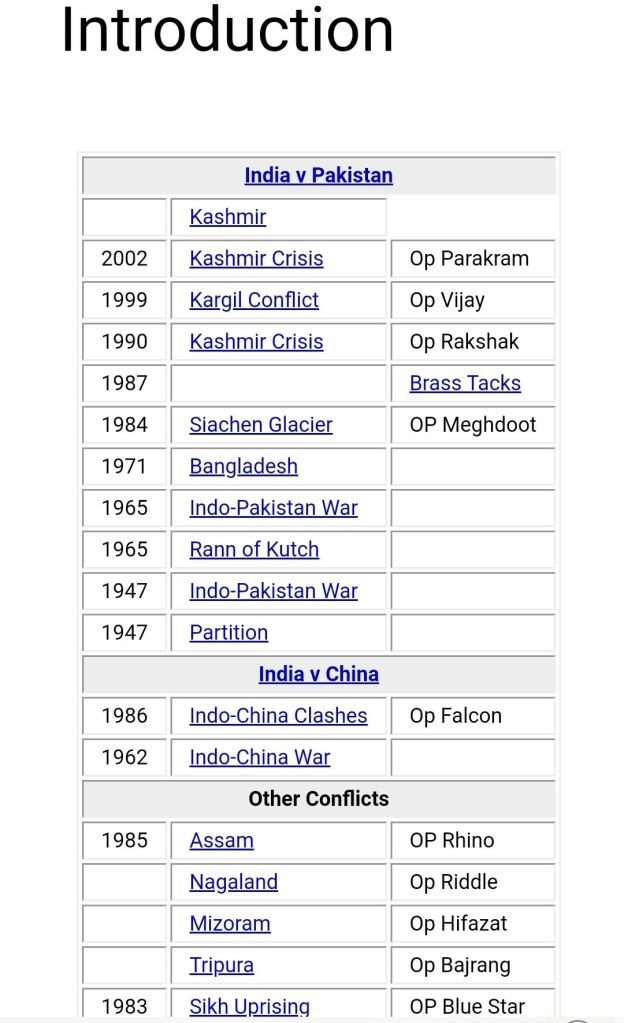
https://www.globalsecurity.org/military/world/india/intro.htm
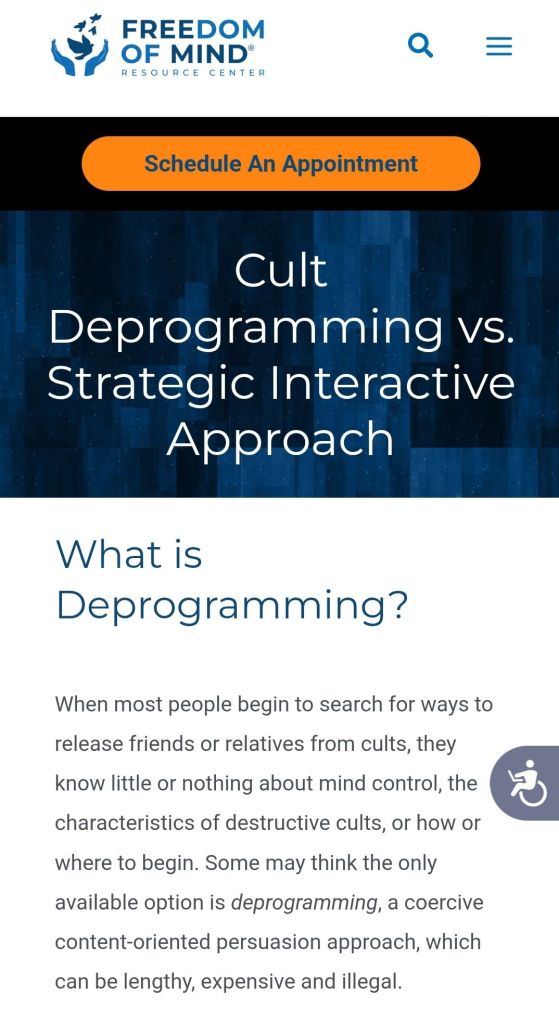
Cult Deprogramming vs. Strategic Interactive Approach









 GRP_VCare2Dare