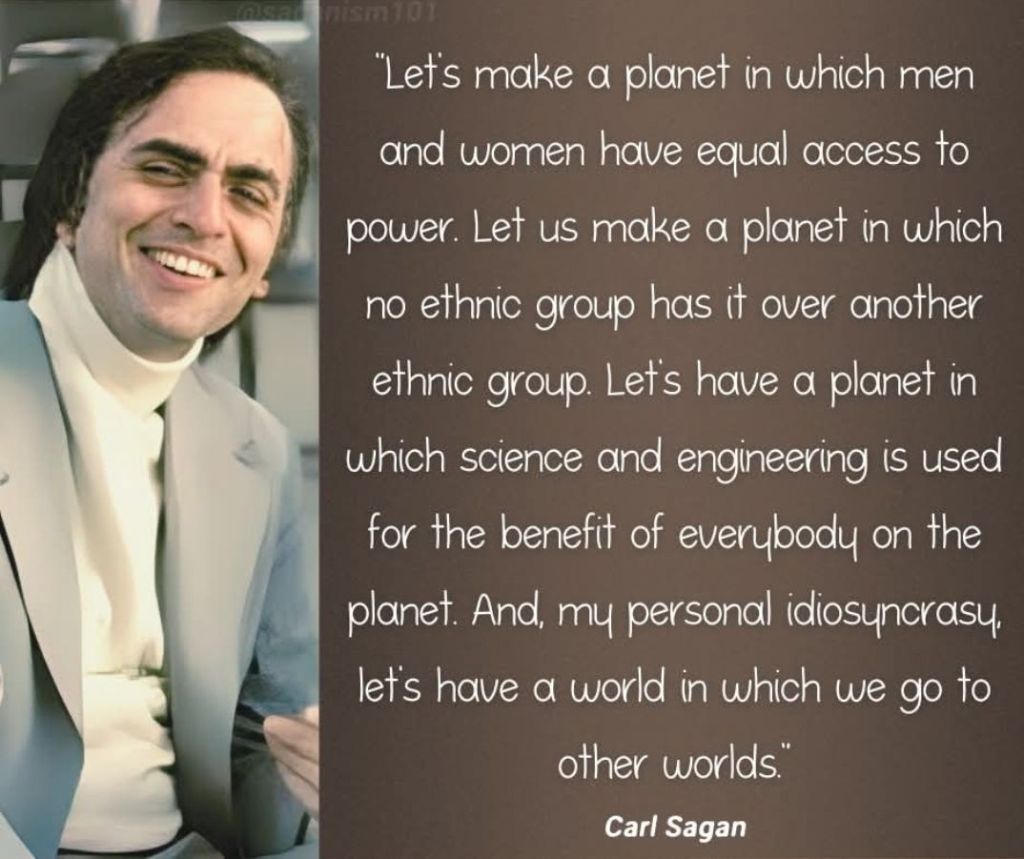
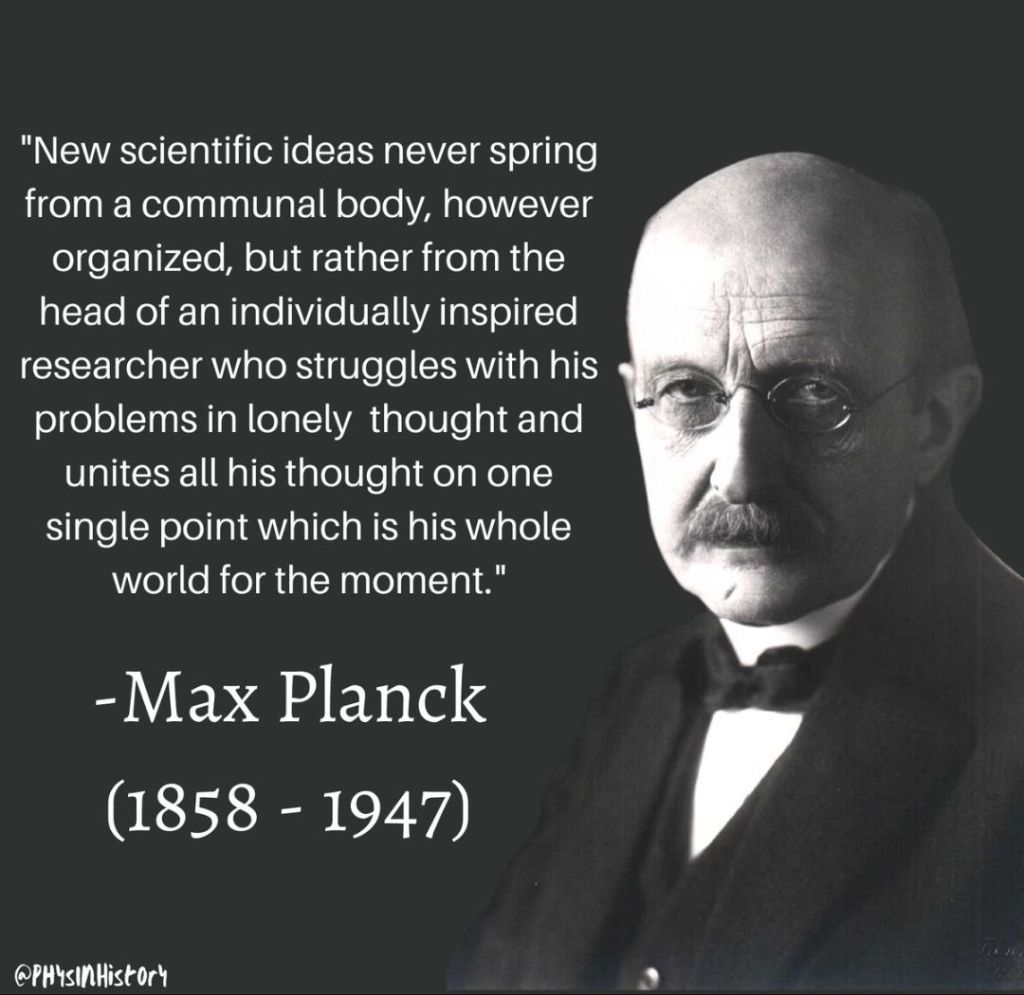
S852: If Content is King, Then Context is _____?.

If Content is King, then **Context is God**. Context shapes how content is perceived, understood, and valued, giving it ultimate power and relevance.

If Content is King and Context is God, then **Distribution is Minister**. Distribution ensures the content reaches its audience effectively, serving as the crucial intermediary that amplifies and delivers the message within the right context.

Content is king, context is god, curiosity is queen, and clarity is minister.

S851: Marital Health CheckTest. GRP +GROK.

Marital Status Test (GRP_Grok AI...2025).

20 question checklist test..(India First & Globally 2nd).

To know what is Our “Marital health”.. whether its Healthy, Mild (Resolvable by Counselling), Moderate (Retrievable by Mediation) or Severely diseased (Divorce only Solution). With valid References for Indian Contacts.

Test Intent: For Indians to be Maritally Healthy in Happy Homes-Families and prevent Cheating, Betrayals, False Trial-allegations, Fake Cases, Domestic violence, Extra marital affairs, Marital Homicide or Suicides.

Below is a 20-question checklist test designed to assess marital health, tailored to the Indian context, with categories indicating whether the marriage is Healthy, Mild (resolvable by counseling), Moderate (retrievable by mediation), or Severely Diseased (divorce as the likely solution). The questions are grounded in common marital issues in India, considering cultural, social, and familial dynamics. Each question is followed by a scoring guide, and the total score determines the marital health status. References to Indian research and counseling practices are provided for validity.


20-Question Marital Health Checklist Test

Instructions: Answer each question honestly based on your current marital situation. Choose the option that best reflects your experience. Score each question as indicated, then sum the scores to determine your marital health category.

Questions

  1. How often do you and your spouse communicate openly about your feelings, needs, or concerns?
  • a) Daily, with mutual understanding (0 points)
  • b) Occasionally, with some effort (1 point)
  • c) Rarely, with discomfort or avoidance (2 points)
  • d) Never, with complete disconnection (3 points)
  1. How satisfied are you with the emotional intimacy in your marriage?
  • a) Very satisfied, we feel deeply connected (0 points)
  • b) Somewhat satisfied, but could improve (1 point)
  • c) Dissatisfied, feel distant (2 points)
  • d) Completely dissatisfied, no emotional bond (3 points)
  1. How frequently do you and your spouse resolve conflicts constructively?
  • a) Always, we find solutions together (0 points)
  • b) Sometimes, but it takes effort (1 point)
  • c) Rarely, conflicts escalate or remain unresolved (2 points)
  • d) Never, conflicts lead to hostility or silence (3 points)
  1. Do you feel respected and valued by your spouse in daily interactions?
  • a) Always, I feel cherished (0 points)
  • b) Usually, but occasional lapses (1 point)
  • c) Rarely, I feel ignored or belittled (2 points)
  • d) Never, I feel disrespected or humiliated (3 points)
  1. How aligned are your financial goals and spending habits?
  • a) Fully aligned, we plan together (0 points)
  • b) Mostly aligned, minor disagreements (1 point)
  • c) Misaligned, frequent disputes (2 points)
  • d) Completely misaligned, no agreement (3 points)
  1. How involved are in-laws or extended family in your marital decisions?
  • a) Not involved, we decide independently (0 points)
  • b) Minimally involved, manageable influence (1 point)
  • c) Moderately involved, causing tension (2 points)
  • d) Heavily involved, leading to conflicts (3 points)
  1. How satisfied are you with your sexual relationship with your spouse?
  • a) Very satisfied, mutually fulfilling (0 points)
  • b) Somewhat satisfied, needs improvement (1 point)
  • c) Dissatisfied, significant issues (2 points)
  • d) Non-existent or highly problematic (3 points)
  1. Do you and your spouse share household responsibilities equitably?
  • a) Yes, we share fairly (0 points)
  • b) Mostly, with occasional imbalances (1 point)
  • c) Rarely, one partner bears most burden (2 points)
  • d) Never, completely unequal (3 points)
  1. How often do you spend quality time together (e.g., date nights, shared hobbies)?
  • a) Regularly, we prioritize it (0 points)
  • b) Occasionally, when time permits (1 point)
  • c) Rarely, we’re too busy or distant (2 points)
  • d) Never, no shared time (3 points)
  1. Do you trust your spouse regarding fidelity and honesty?
    • a) Completely, no doubts (0 points)
    • b) Mostly, minor concerns (1 point)
    • c) Partially, significant doubts (2 points)
    • d) Not at all, trust is broken (3 points)
  2. How do you handle differences in parenting styles or decisions (if applicable)?
    • a) We align and co-parent effectively (0 points)
    • b) Minor differences, but we compromise (1 point)
    • c) Frequent disagreements, causing stress (2 points)
    • d) No agreement, constant conflict (3 points)
    • If not applicable, score 0.
  3. Do you feel safe (physically and emotionally) in your marriage?
    • a) Completely safe and secure (0 points)
    • b) Mostly safe, occasional concerns (1 point)
    • c) Often unsafe, frequent issues (2 points)
    • d) Never safe, fear or abuse present (3 points)
  4. How often do you express appreciation or gratitude to each other?
    • a) Daily, it’s a habit (0 points)
    • b) Occasionally, could do more (1 point)
    • c) Rarely, it feels forced (2 points)
    • d) Never, no appreciation shown (3 points)
  5. Are your personal goals and aspirations supported by your spouse?
    • a) Fully supported, we encourage each other (0 points)
    • b) Partially supported, some resistance (1 point)
    • c) Rarely supported, feel restricted (2 points)
    • d) Never supported, feel suppressed (3 points)
  6. How do you handle external pressures (e.g., societal expectations, work stress)?
    • a) Together, as a team (0 points)
    • b) Mostly together, some strain (1 point)
    • c) Separately, causing distance (2 points)
    • d) Poorly, leading to blame or fights (3 points)
  7. Do you and your spouse share similar values (e.g., religion, culture, family)?
    • a) Fully aligned, no issues (0 points)
    • b) Mostly aligned, minor differences (1 point)
    • c) Significant differences, causing tension (2 points)
    • d) Completely misaligned, constant conflict (3 points)
  8. How often do you argue about trivial matters?
    • a) Rarely, we focus on bigger issues (0 points)
    • b) Occasionally, but we resolve them (1 point)
    • c) Frequently, it escalates (2 points)
    • d) Constantly, it’s overwhelming (3 points)
  9. Do you feel your spouse listens to and understands your perspective?
    • a) Always, I feel heard (0 points)
    • b) Usually, but sometimes ignored (1 point)
    • c) Rarely, I feel dismissed (2 points)
    • d) Never, no understanding (3 points)
  10. Have you or your spouse considered separation or divorce?
    • a) Never, we’re committed (0 points)
    • b) Rarely, fleeting thoughts (1 point)
    • c) Occasionally, serious considerations (2 points)
    • d) Frequently, actively planning (3 points)
  11. Would you be willing to seek professional help (counseling or mediation) to improve your marriage?
    • a) Yes, we’re both open (0 points)
    • b) Possibly, with some hesitation (1 point)
    • c) Unlikely, one or both resistant (2 points)
    • d) No, no interest in saving the marriage (3 points)

Scoring Guide

  • Total Score: Sum the points from all 20 questions (range: 0–60).
  • Marital Health Categories:
  • 0–15: Healthy
    • Your marriage is strong, with effective communication, mutual respect, and shared goals. Continue nurturing your relationship with regular check-ins and quality time.
  • 16–30: Mild (Resolvable by Counseling)
    • Your marriage has challenges, but they are manageable with professional guidance. Counseling can help improve communication, resolve conflicts, and rebuild intimacy.
  • 31–45: Moderate (Retrievable by Mediation)
    • Your marriage faces significant issues, such as trust or frequent conflicts, but is salvageable with structured mediation to negotiate solutions and rebuild connection.
  • 46–60: Severely Diseased (Divorce Likely)
    • Your marriage is in crisis, with broken trust, safety concerns, or irreconcilable differences. Divorce may be the healthiest option unless both partners are committed to intensive intervention.

References (Indian Context)

  1. Nath, R., & Craig, J. (1999). Marriage and Family Therapy in India: Current Status and Future Prospects. Contemporary Family Therapy, 21(4), 489–502.

  • This article discusses the role of family dynamics and cultural factors in Indian marriages, emphasizing the need for culturally sensitive counseling. It highlights common issues like in-law interference and gender roles, which are reflected in the checklist.
  1. Carson, D. K., & Chowdhury, A. (2000). Family Therapy in India: Facilitating Changes in Couple and Family Relationships. Journal of Systemic Therapies, 19(3), 46–61.
  • This study underscores the effectiveness of counseling in addressing mild to moderate marital issues in India, particularly around communication and role expectations, supporting the checklist’s categorization.
  1. Sriram, R. (2016). Marriage and Family in India: Trends and Emerging Challenges. Springer.
  • This book provides insights into modern Indian marriages, including financial disputes, in-law conflicts, and evolving gender roles, which informed questions on these topics.
  1. Chawla, N., & Sahni, S. (2018). Marital Quality and Well-Being in India: A Review. Indian Journal of Clinical Psychology, 45(2), 123–130.
  • This review highlights emotional intimacy, trust, and conflict resolution as key predictors of marital health in India, validating the checklist’s focus on these areas.
  1. Kumar, P., & Rohatgi, A. (2020). Divorce Mediation in India: An Emerging Alternative. Indian Journal of Arbitration Law, 8(1), 45–56.
  • This article discusses mediation as a viable option for moderate marital issues in India, particularly when couples face disputes over assets or parenting, supporting the mediation category.
  1. Indian Penal Code, Section 498A, and Domestic Violence Act, 2005.
  • These legal frameworks address domestic abuse, which is reflected in the checklist’s question on safety, emphasizing the need to identify severely diseased marriages where divorce is necessary.
  1. Tata Institute of Social Sciences (TISS), Mumbai – Family Counseling Centers.
  • TISS’s counseling programs highlight the success of premarital and marital counseling in urban India, supporting the checklist’s recommendation for counseling in mild cases.

Notes

  • Cultural Relevance: The checklist accounts for Indian-specific factors like in-law involvement, societal pressures, and traditional gender roles, which are critical in Indian marriages.
  • Professional Guidance.

Disclaimer: This checklist is a general tool and not a substitute for professional assessment. For accurate diagnosis and intervention, consult a licensed marriage counselor or mediator in India.

Bonus Questions:  Is there a Narc involved?.. Face Child alienation

References to Family Improvement group.

*#Indian_huMANitarian Group Fraternizing Our Brotherly_India 2030:* No Unity, No Future, More Solidarity = More Life.

*Lets Unify Indian Brotherhoods* for Problem Solving Our Next_Gen.

Grp Mission is InterGenders Harmony & Neo Indian_SaferFamilies 4.0.

S849: Need for Mens Commission India. GRP + Grok.

Why India Needs a Men’s Commission

India urgently requires a National Men’s Commission to address the systemic challenges faced by men in a society where many industries are male-Overepresented yet homes and families remain gyno-centric and matriarchal in operations. This imbalance creates unique pressures on men, necessitating a dedicated body to advocate for their rights, mental health, and legal protections. Below is a detailed case for establishing a Men’s Commission, followed by a global perspective on countries with men’s helplines or similar initiatives.

The Case for a Men’s Commission in India

1. Gyno-Centric and Matriarchal Family Structures

  • Matriarchal Dominance at Home: In many Indian households, women hold significant decision-making power, particularly in family dynamics, child-rearing, and household finances. This gyno-centric structure often places men in subservient roles at home, despite their breadwinner responsibilities. Men face expectations to provide financially while navigating familial pressures dictated by matriarchal norms, leading to stress and powerlessness.
  • Lack of Voice in Families: Men frequently report feeling marginalized in family disputes, with societal norms prioritizing female perspectives in domestic matters. This dynamic exacerbates mental health issues, as men lack spaces to express grievances without stigma.

2. Industry Representation vs. Domestic Disadvantage

  • Male-Dominated Industries: While men dominate sectors like IT, finance, and manufacturing, this representation masks vulnerabilities. Workplace pressures—long hours, job insecurity, and expectations of stoicism—combine with domestic responsibilities, leaving men overextended.
  • No Support for Domestic Challenges: Unlike women, who have the National Commission for Women (NCW) to address workplace and domestic issues, men lack institutional support for navigating gyno-centric family structures. A Men’s Commission could bridge this gap, offering counseling and advocacy for men balancing professional and familial roles.

3. High Male Suicide Rates

  • NCRB Data (2021): Of 1,64,033 suicides in India, 81,063 were married men compared to 28,680 married women. The pressure to fulfill financial obligations in male-dominated industries, coupled with matriarchal family expectations, contributes significantly to this disparity.
  • Mental Health Stigma: Societal norms discourage men from seeking help, viewing vulnerability as weakness. A Men’s Commission could fund helplines, awareness campaigns, and therapy programs to address this crisis.

4. Legal Misuse and Bias

  • False Accusations: Men’s rights groups, like the Save Indian Family Foundation, highlight misuse of laws such as Section 498A (anti-dowry) and domestic violence provisions. In matriarchal households, men often face baseless allegations, leading to legal harassment and social stigma. The Supreme Court in 2014 acknowledged 498A misuse, introducing safeguards, yet men remain vulnerable.
  • Gender-Biased Laws: Divorce, custody, and alimony laws are perceived to favor women, leaving men without recourse. A Men’s Commission could advocate for gender-neutral laws, ensuring fairness in family courts.

5. Grassroots Demand

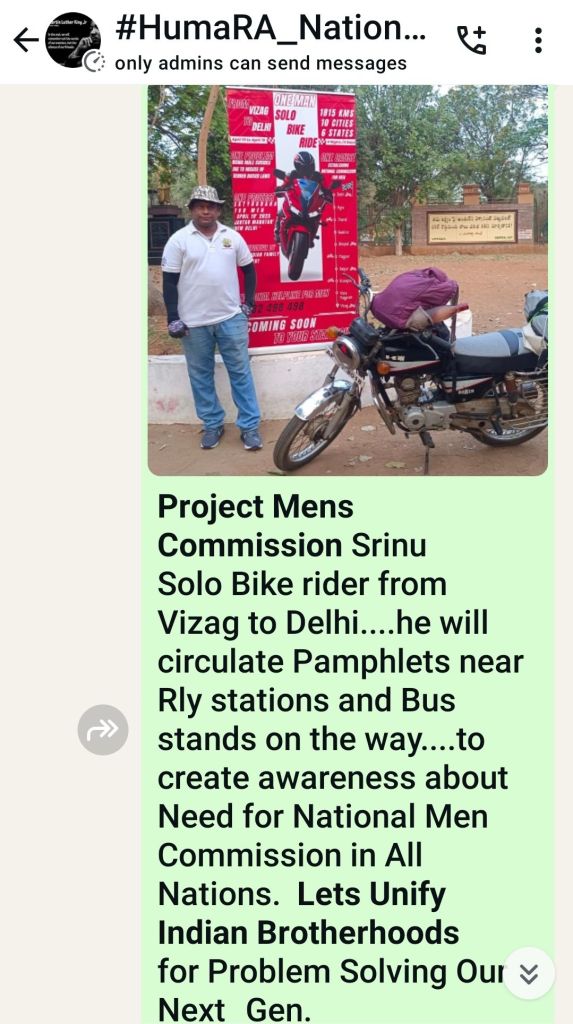
  • Men’s Rights Movement: Organizations like Men Welfare Trust, Purush Aayog, and CRISP, alongside campaigns like the 2024 “Ride for Men’s Commission” (15,000 km), reflect widespread demand. Petitions on Change.org and protests at Jantar Mantar underscore the need for a platform to address men’s issues.
  • NGO Helplines: The Save Indian Family’s SIF ONE helpline (8882 498 498) and Men Helpline Org (9911666498) receive thousands of calls monthly from men facing abuse, depression, or legal battles, indicating a gap that a government-backed commission could fill.

6. Promoting True Gender Equality

  • A Men’s Commission would complement the NCW, ensuring both genders’ issues are addressed. In a society where men face unique pressures from matriarchal homes and high-stakes industries, ignoring their challenges undermines equality. A commission could research men’s issues, propose policies, and provide helplines, mirroring the NCW’s role.

Addressing Counterarguments

  • Existing Institutions: Critics argue that the National Human Rights Commission (NHRC) or courts suffice. However, the NHRC’s broad mandate cannot address men-specific issues like matriarchal family pressures or legal misuse with the focus a dedicated commission would provide. The Supreme Court’s 2023 dismissal of a Men’s Commission PIL ignored the systemic nature of men’s challenges in gyno-centric homes.
  • Resource Concerns: Funding a Men’s Commission is justified given the scale of male suicides and legal harassment. Resources could be allocated efficiently by modeling it on the NCW’s structure.
  • Polarization Risks: A commission need not deepen gender divides. By promoting gender-neutral policies and dialogue, it could foster collaboration with the NCW, balancing advocacy for all.

Global Perspective: Countries with Men’s Helplines

No country has a formal “National Men’s Commission,” but several have helplines addressing men’s issues, driven by concerns like suicide and domestic violence. These provide models for India’s proposed commission:

  1. United Kingdom:
  • Helplines: Mankind Initiative (01823 334244) supports male domestic abuse victims; CALM (0800 58 58 58) focuses on male suicide prevention.
  • Context: Male suicides are 3-4 times higher than female rates, prompting NGO-led initiatives. The Equality and Human Rights Commission is gender-neutral but not men-specific.
  1. Australia:
  • Helplines: MensLine Australia (1300 78 99 78) offers 24/7 government-funded support for mental health and domestic violence. Beyond Blue (1300 22 4636) addresses male mental health.
  • Context: 75% of suicides are male, and 1 in 3 domestic violence victims are men (Australian Bureau of Statistics).
  1. Canada:
  • Helplines: Canadian Centre for Men and Families and regional services like BC Men’s Resource Centre support men with abuse, custody, and mental health issues.
  • Context: Male suicides are 3 times higher than female rates.
  1. United States:
  • Helplines: National Domestic Violence Hotline (1-800-799-7233) supports men (1 in 7 men face DV, per CDC). 1in6 aids male sexual abuse survivors; National Suicide Prevention Lifeline (988) addresses male suicides (3-4 times female rates).
  • Context: Men’s rights groups like the National Coalition for Men advocate for legal reforms.
  1. Ireland:
  • Helplines: Men’s Aid Ireland (01 554 3811) supports male DV victims; Samaritans Ireland (116 123) addresses male suicides.
  • Context: Male suicides are 4 times higher than female rates.
  1. Other Countries:
  • New Zealand: Men’s Helpline (0800 636 357) supports mental health and DV issues.
  • South Africa: NGOs like Men’s Foundation offer support; no government body exists.

Conclusion

India’s gyno-centric and matriarchal family structures, combined with intense pressures from male-dominated industries, create a unique crisis for men—evident in high suicide rates, legal harassment, and mental health stigma. A National Men’s Commission is essential to provide advocacy, helplines, and policy reforms, ensuring men’s voices are heard in a society that often overlooks their struggles. Global examples of men’s helplines demonstrate the feasibility and need for targeted support. Rather than polarizing gender discourse, a Men’s Commission could promote true equality by addressing systemic issues faced by men, complementing the NCW’s work. India must act to establish this body, leveraging NGO momentum and public demand to create a fairer, more balanced society.

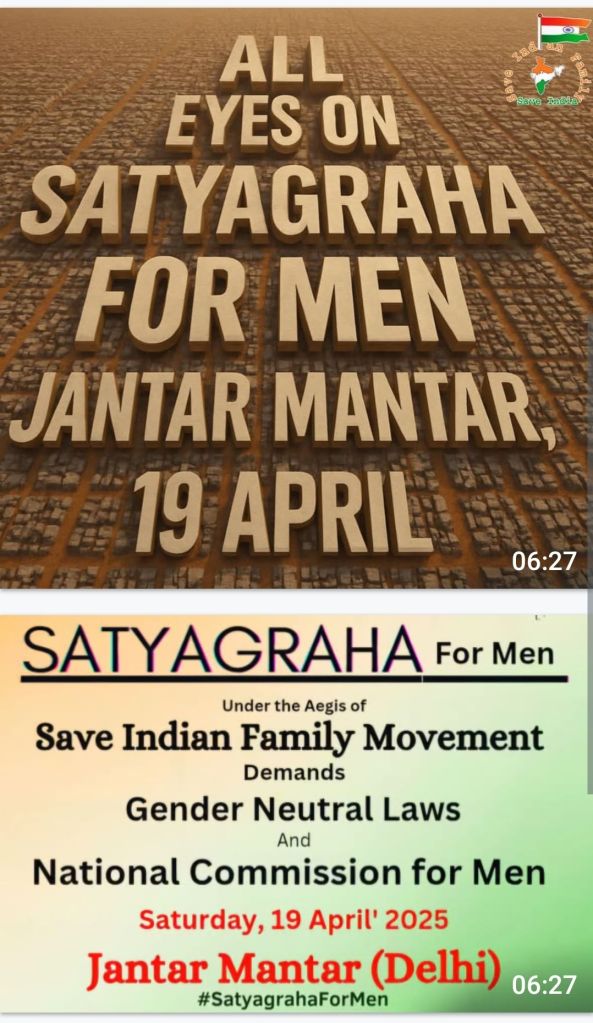
📢 Satyagraha For Men – Uniting for a Brighter Future! 🚹⚖️

Date: 19 April 2025
Location: Jantar Mantar, Delhi

Men across India deserve equal rights, fair treatment, and a voice. It is crucial that we unite to drive positive change. Join us in demanding a National Commission for Men, suicide prevention measures, gender-neutral laws, and meaningful reforms.

Be part of a movement that empowers men, promotes equality, and fosters a fair society. Join activists, NGOs, and concerned citizens from across India.

This is a call to action for real change!

How You Can Support:
– Attend and make your voice heard
– Invite friends and family to join the movement
– Share this event and amplify the message

Together, we can create a brighter future for all! 🚀 The time for silence is over. Join us and be the change!

*Lets Unify Indian Brotherhoods* for Problem Solving Our Next_Gen.

Grp Mission is InterGenders Harmony & Neo Indian_SaferFamilies 4.0.

https://chat.whatsapp.com/KecJokbFlP4F0azMaCyeyA

S847: Narcs & Empaths Dictionary.

Narcissism and Empathy A-Z Dictionary (Revised)

This dictionary pairs one term related to narcissism (self-centered, manipulative, or harmful traits) and one related to empathy (compassionate, understanding, or supportive traits) for each letter of the alphabet.

  • A
    • Abuse (Narcissism): Inflicting emotional, verbal, or physical harm to control or dominate others.
    • Altruism (Empathy): Selfless concern for others’ well-being without expecting reward.
  • B
    • Backstab (Narcissism): Betraying trust for personal gain or to undermine others.
    • Backup (Empathy): Offering reliable support to others in challenging times.
  • C
    • Control (Narcissism): Manipulating people or situations to maintain power and ego.
    • Care (Empathy): Demonstrating genuine concern for others’ emotions and needs.
  • D
    • Deceit (Narcissism): Lying or misleading to protect self-image or exploit others.
    • Devotion (Empathy): Committing wholeheartedly to supporting others’ growth.
  • E
    • Entitlement (Narcissism): Believing one deserves special treatment without merit.
    • Encouragement (Empathy): Inspiring and uplifting others to achieve their potential.
  • F
    • Facade (Narcissism): Crafting a false, idealized persona to conceal flaws.
    • Forgiveness (Empathy): Releasing resentment to foster healing and connection.
  • G
    • Gaslighting (Narcissism): Manipulating someone to doubt their reality or sanity.
    • Generosity (Empathy): Freely sharing time, resources, or kindness with others.
  • H
    • Humiliation (Narcissism): Belittling others to boost one’s own ego.
    • Harmony (Empathy): Promoting peace and mutual respect in relationships.
  • I
    • Image (Narcissism): Obsessing over a perfect public persona to gain admiration.
    • Insight (Empathy): Deeply understanding others’ emotions and perspectives.
  • J
    • Jealousy (Narcissism): Resenting others’ success or attention due to insecurity.
    • Joy (Empathy): Celebrating others’ happiness and achievements.
  • K
    • Knavery (Narcissism): Engaging in dishonest or cunning behavior to manipulate.
    • Kindness (Empathy): Acting with compassion and goodwill toward others.
  • L
    • Love-bombing (Narcissism): Overwhelming someone with affection to gain control.
    • Listening (Empathy): Actively hearing and valuing others’ thoughts and feelings.
  • M
    • Manipulation (Narcissism): Scheming to influence others for selfish ends.
    • Mercy (Empathy): Showing compassion and leniency in difficult situations.
  • N
    • Neediness (Narcissism): Craving constant validation and attention.
    • Nurture (Empathy): Supporting and fostering others’ well-being and growth.
  • O
    • Obsession (Narcissism): Fixating on self-image or gain at others’ expense.
    • Openness (Empathy): Being receptive to others’ emotions and experiences.
  • P
    • Projection (Narcissism): Attributing one’s flaws or guilt to others to avoid accountability.
    • Patience (Empathy): Remaining calm and supportive with others’ struggles.
  • Q
    • Quarrel (Narcissism): Instigating conflict to assert dominance or deflect blame.
    • Quietude (Empathy): Offering a calm, supportive presence for others.
  • R
    • Rage (Narcissism): Explosive anger when ego is challenged or criticized.
    • Respect (Empathy): Valuing others’ dignity and boundaries.
  • S
    • Selfishness (Narcissism): Prioritizing personal needs over others without regard.
    • Sympathy (Empathy): Sharing and understanding others’ pain or struggles.
  • T
    • Triangulation (Narcissism): Pitting people against each other to maintain control.
    • Tenderness (Empathy): Expressing gentle, caring affection toward others.
  • U
    • Untruth (Narcissism): Distorting reality to avoid accountability or manipulate.
    • Understanding (Empathy): Validating and grasping others’ emotions and perspectives.
  • V
    • Vanity (Narcissism): Excessive focus on appearance or status for admiration.
    • Virtue (Empathy): Acting with moral integrity and compassion.
  • W
    • Wrath (Narcissism): Vindictive anger when slighted or challenged.
    • Warmth (Empathy): Radiating kindness and emotional support.
  • X
    • Xenophobia (Narcissism): Devaluing others perceived as different to elevate self.
    • X-factor (Empathy): Unique ability to connect and inspire others emotionally.
  • Y
    • Yelling (Narcissism): Using verbal aggression to intimidate or control.
    • Yielding (Empathy): Being flexible and accommodating to others’ needs.
  • Z
    • Zip (Narcissism): Superficial energy or charm used to manipulate or impress.
    • Zen (Empathy): Embracing calm, mindful presence to support and uplift others.

S846: Smart Campaign or Smear Campaign, Defence or Defamation?..  How to Know Difference?.

Smart Campaign of Empaths or Smear Campaign of Narcs, Defence of Public or Defamation in public?..  How to Know Difference?.

Distinguishing between a smart campaign of empathy, a smear campaign by a narcissist, a defense of the public, and defamation in public requires understanding the intent, methods, and impact of each. Here’s a breakdown to help you differentiate:


1. Smart Campaign of Empathy

Definition: A deliberate, strategic effort to promote understanding, compassion, or positive change by appealing to shared human values.

Characteristics:

  • Intent: Genuine desire to uplift, educate, or support others without personal gain.
  • Methods: Uses factual, respectful, and inclusive communication. Focuses on storytelling, emotional connection, and constructive dialogue.
  • Tone: Positive, solution-oriented, and collaborative.
  • Impact: Builds trust, fosters unity, and encourages collective action for a cause (e.g., charity drives, mental health awareness).
  • Example: A campaign raising awareness about homelessness by sharing personal stories and offering solutions like community support programs.

How to Spot:

  • Transparent motives with no hidden agenda.
  • Focus on the issue, not personal attacks.
  • Backed by verifiable facts or data.

2. Smear Campaign of a Narcissist

Definition: A manipulative tactic, often by someone with narcissistic traits, to discredit, humiliate, or destroy someone’s reputation for personal gain or control.

Characteristics:

  • Intent: To dominate, control, or deflect blame. Driven by ego, envy, or revenge.
  • Methods: Spreading lies, half-truths, or exaggerated claims. Uses gaslighting, triangulation (pitting people against each other), or public shaming.
  • Tone: Vindictive, exaggerated, and emotionally charged. Often lacks evidence.
  • Impact: Creates division, confusion, and harm to the target’s reputation or mental health.
  • Example: A narcissist falsely accuses a colleague of misconduct to sabotage their career, spreading rumors without proof.

How to Spot:

  • Inconsistent or unverifiable claims.
  • Personal attacks rather than issue-based criticism.
  • The accuser avoids accountability or shifts blame when confronted.

3. Defense of Public

Definition: Actions or statements made to protect the public from harm, misinformation, or injustice, often in response to a perceived threat.

Characteristics:

  • Intent: To inform, protect, or advocate for the public’s well-being.
  • Methods: Uses evidence, facts, and logical arguments. May call out harmful behavior but focuses on the issue, not personal destruction.
  • Tone: Assertive but fair. Seeks accountability, not vengeance.
  • Impact: Raises awareness, promotes justice, or prevents harm. Encourages transparency.
  • Example: A whistleblower exposes a company’s unsafe practices to protect consumers, backed by documents and data.

How to Spot:

  • Supported by credible evidence (documents, witnesses, data).
  • Focuses on systemic issues or public safety, not personal grudges.
  • The defender is open to scrutiny and dialogue.

4. Defamation in Public

Definition: Making false statements that harm someone’s reputation, either verbally (slander) or in writing (libel), often in a public setting.

Characteristics:

  • Intent: To maliciously damage someone’s reputation, often for personal gain, revenge, or spite.
  • Methods: Spreading false or misleading information as fact. May involve exaggeration or fabrication.
  • Tone: Accusatory, sensational, and often reckless.
  • Impact: Causes tangible harm (e.g., loss of job, relationships, or public trust). May lead to legal consequences.
  • Example: Publicly accusing someone of a crime they didn’t commit, without evidence, leading to social or professional ostracism.

How to Spot:

  • Claims lack credible evidence or rely on hearsay.
  • The accuser refuses to retract or correct false statements when challenged.
  • Harm to the target is disproportionate to the issue.

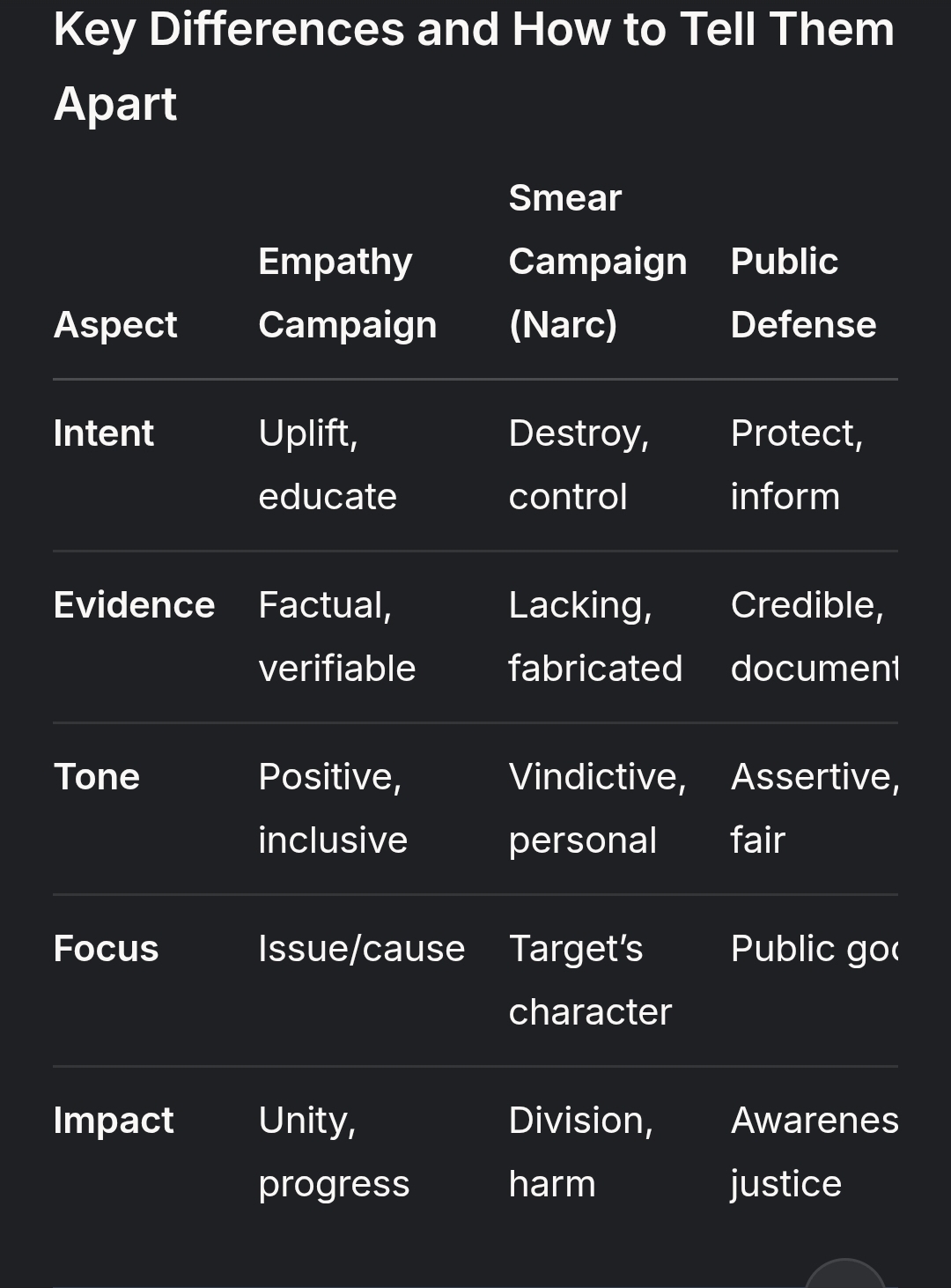
Key Differences and How to Tell Them Apart

AspectEmpathy CampaignSmear Campaign (Narc)Public DefenseDefamationIntent Uplift, educate Destroy, control Protect, inform Harm, mislead Evidence Factual, verifiable Lacking, fabricated Credible, documented False, unproven Tone Positive, inclusive Vindictive, personal Assertive, fair Malicious, reckless Focus Issue/cause Target’s character Public good Target’s ruin Impact Unity, progress Division, harm Awareness, justice Unjust damage


Practical Steps to Differentiate

  1. Check the Evidence:
  • Look for verifiable facts, documents, or data. Empathy campaigns and public defenses rely on truth; smear campaigns and defamation often rely on rumors or distortion.
  • Ask: Can the claims be independently confirmed?
  1. Evaluate the Intent:
  • Consider the source’s motives. Are they seeking personal gain, revenge, or public good?
  • Ask: Who benefits from this narrative, and why?
  1. Analyze the Tone and Language:
  • Empathy campaigns are constructive and inclusive. Smear campaigns and defamation are personal, exaggerated, and divisive.
  • Ask: Is the focus on solving a problem or attacking a person?
  1. Observe the Impact:
  • Empathy campaigns and public defenses aim to build or protect. Smear campaigns and defamation aim to destroy.
  • Ask: Does this unite people or sow discord?
  1. Consider the Source’s Behavior:
  • Narcissists and defamers avoid accountability, deflect blame, or double down when challenged. Empathetic campaigners and public defenders are open to dialogue and correction.
  • Ask: Does the source take responsibility for their claims?
  1. Cross-Check with Neutral Parties:
  • Consult unbiased sources, such as fact-checkers, reputable media, or direct evidence, to verify claims.
  • If possible, use tools like web searches or public records to confirm facts.

Additional Notes

  • Context Matters: A single act (e.g., criticizing someone publicly) could fall into any category depending on intent and evidence. Always consider the bigger picture.
  • Legal Line: Defamation is actionable in court if false statements cause provable harm. Smear campaigns may not always meet the legal threshold but are still harmful.
  • Narcissistic Smear Campaigns: These often escalate when the narcissist feels threatened or exposed. They may enlist others (“flying monkeys”) to amplify their attacks.
  • Public Defense vs. Defamation: The line can blur if a public defense includes false or reckless claims. Truth is a defense against defamation claims in most legal systems.

If you have a specific scenario or example, I can help analyze it further to determine which category it fits. Alternatively, I can search for real-time information or analyze relevant content if you provide more details. Let me know!

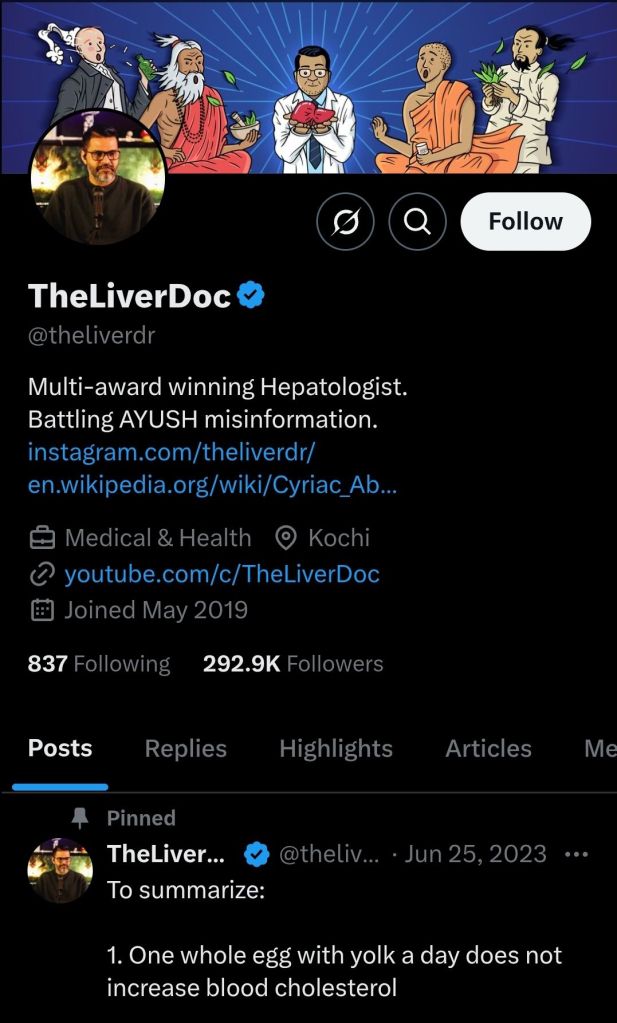
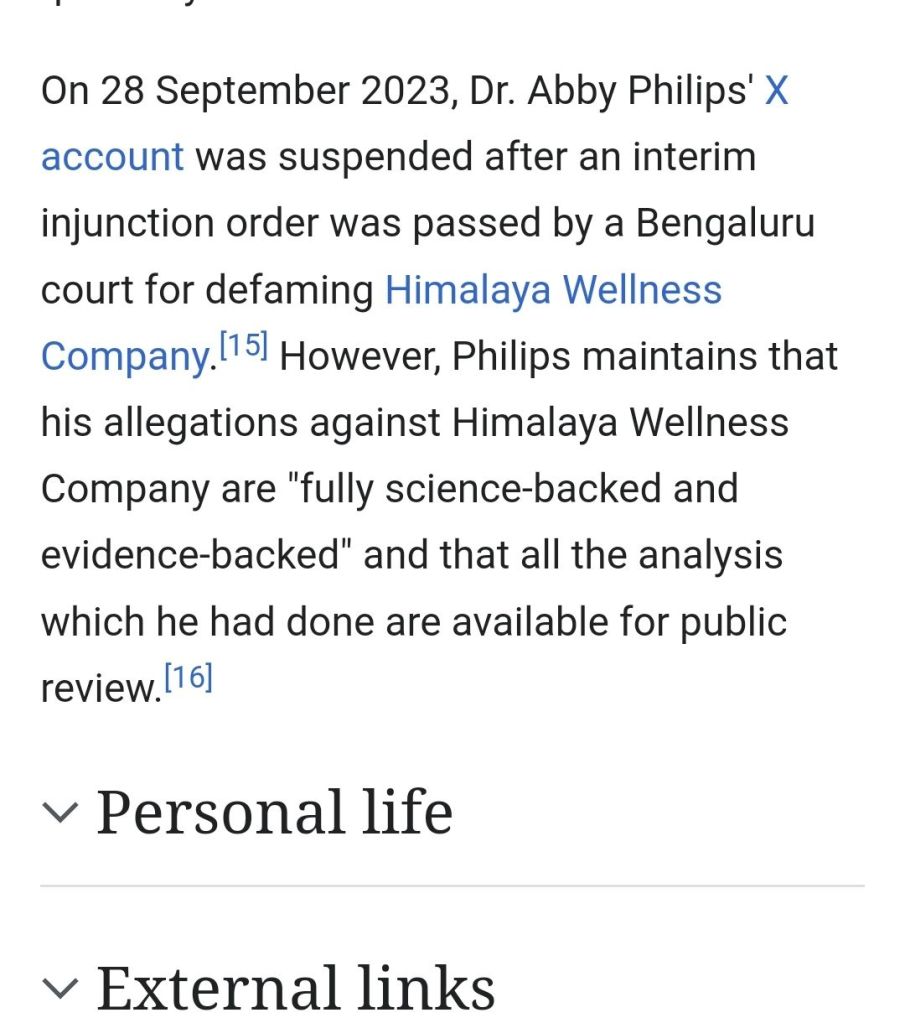
Case Study of an Influencer.

https://x.com/theliverdr?ref_src=twsrc%5Egoogle%7Ctwcamp%5Eserp%7Ctwgr%5Eauthor

https://en.m.wikipedia.org/wiki/Cyriac_Abby_Philips

S845: “Men’s Secretary Post” in Students Council/Elected Union at IISc. A Global First.

Proposal Letter by IIScian Prashant Sahay for a New post like Women’s Secretary in the Elected Students Representatives Body at Institution. Drafted by an IIScian Student (Details Below Dated 16.04.25).

KeyWords: Male Students Welfare, Male Suicide Prevention, Gender Equalitarians.

Recent Events on Campus.

  1. Male Student Distress, Depression & Suicides (Since 2015)
  2. Campus Bullying, Ragging & Mobbing.
  3. Attack on a Male PhD student by 4 UG male Students during Religious fest of Dahi Handi phod.(They broke Bones of student instead of matka)

*Add One More Student Voice to the Students’ Council: Call for a Men’s Secretary Post at IISc*

Dear all,

As the Students’ Council elections approach, I’d like to share a constructive suggestion *for those preparing their manifestos*:


Please consider including a proposal for the *creation of a “Men’s Secretary” post* in the IISc Students’ Council, and formally commit to requesting the administration to implement this from the next election cycle.
This proposal is focused solely on improving *student representation and welfare* — it is apolitical, non-ideological, and entirely based on student needs.

*What is the Men’s Secretary Post?*
• It would be a new elected representative position within the Students’ Council.
• Only Male students would contest, and
• Only male students would vote for this post — similar to how certain posts are elected by specific groups for focused representation.

*Why Is This Post Important?*
*1. Strengthens the Council with One More Elected Student Representative*:

This proposal directly increases democratic participation by adding another seat in the Council — giving students one more voice in how issues are raised, discussed, and addressed.
It reflects the diversity of student experiences and helps build a more inclusive and responsive Council.

*2. Addresses Well-Documented Mental Health Risks Among Male Students*
Extensive research highlights that male students are statistically more vulnerable to issues such as depression, suicide, and substance abuse — yet are significantly less likely to seek help through formal channels. IISc, like many high-pressure academic institutions, has also witnessed mental health challenges within its student community especially male students.
A Men’s Secretary would offer a trusted, peer-elected platform through which these concerns can be recognized early, discussed openly, and addressed responsibly. It’s a known fact that students find it easier to open up to a relatable peer — particularly on sensitive matters such as emotional distress, identity, and peer dynamics — than to counselors or faculty. By creating this peer-to-peer channel within the Council structure, we foster a culture of awareness, empathy, and early intervention.


*3. Encourages Healthy Emotional and Behavioral Culture*
A Men’s Secretary can:
• Promote emotional openness in male students,
• Encourage healthy male peer culture by promoting self-awareness and breaking unhelpful social expectations.
• Support programs on mental health, time management, and wellness habits for male students.
This improves overall campus dynamics — not just for men, but for the entire student ecosystem.

*4 .  Creates a Platform for Positive Male Peer Leadership*
Currently, many male students may:
• Feel uncertain about how to engage in emotional or wellness discussions,
• Hesitate to support peers facing internal struggles.
A dedicated peer representative provides structure, encouragement, and leadership, helping foster a self-aware and supportive male student culture.

*5. Straightforward and Cost-Free to Implement*
• No infrastructure changes, funding, or logistical overhaul is required.
• The post can be added by:
             -Amendment to the Council Constitution,
              -Administrative approval of eligibility and voting criteria,
                -Inclusion in the next election process.

*Call to Action:*
I request all candidates to consider including the following line in their manifestos:

_“I will work towards including a Men’s Secretary post in the next election cycle by engaging constructively with the administration and the student body, to ensure broader representation in the Council.”_

If you’d like to discuss this idea, feel free to engage here in the group, or speak with me personally.
If there is collective support, *I would be happy to take the lead in formally submitting this proposal to the administration for consideration, with full respect to the proper process and institutional framework.*

Your sincerely
Prasant Kumar Sahay,
PhD Scholar
Department of Materials Engineering
Indian Institute of Science (IISc)

Email Id. prasantsahay@iisc.ac.in

https://www.linkedin.com/in/prasantsahay?utm_source=share&utm_campaign=share_via&utm_content=profile&utm_medium=android_app

Above Proposal is Welcome and a Fresh Idea to Students Empowerment and Genders Peace.

Lets Prevent Inter-Genders & IntraFamily Conflicts-Frauds & Promote gender peace,
*by Sharing BroViews (i.e Brothers Reviews)*
*#Indian_huMANitarian Group Fraternizing Our Brotherly_India 💙🇮🇳2030:* No Unity, No Future, More Solidarity = More Life.

*Lets Unify Indian Brotherhoods* for Problemless Next_Gen InterGenders Harmony & Neo IndianFamilies4.0.

https://chat.whatsapp.com/KecJokbFlP4F0azMaCyeyA

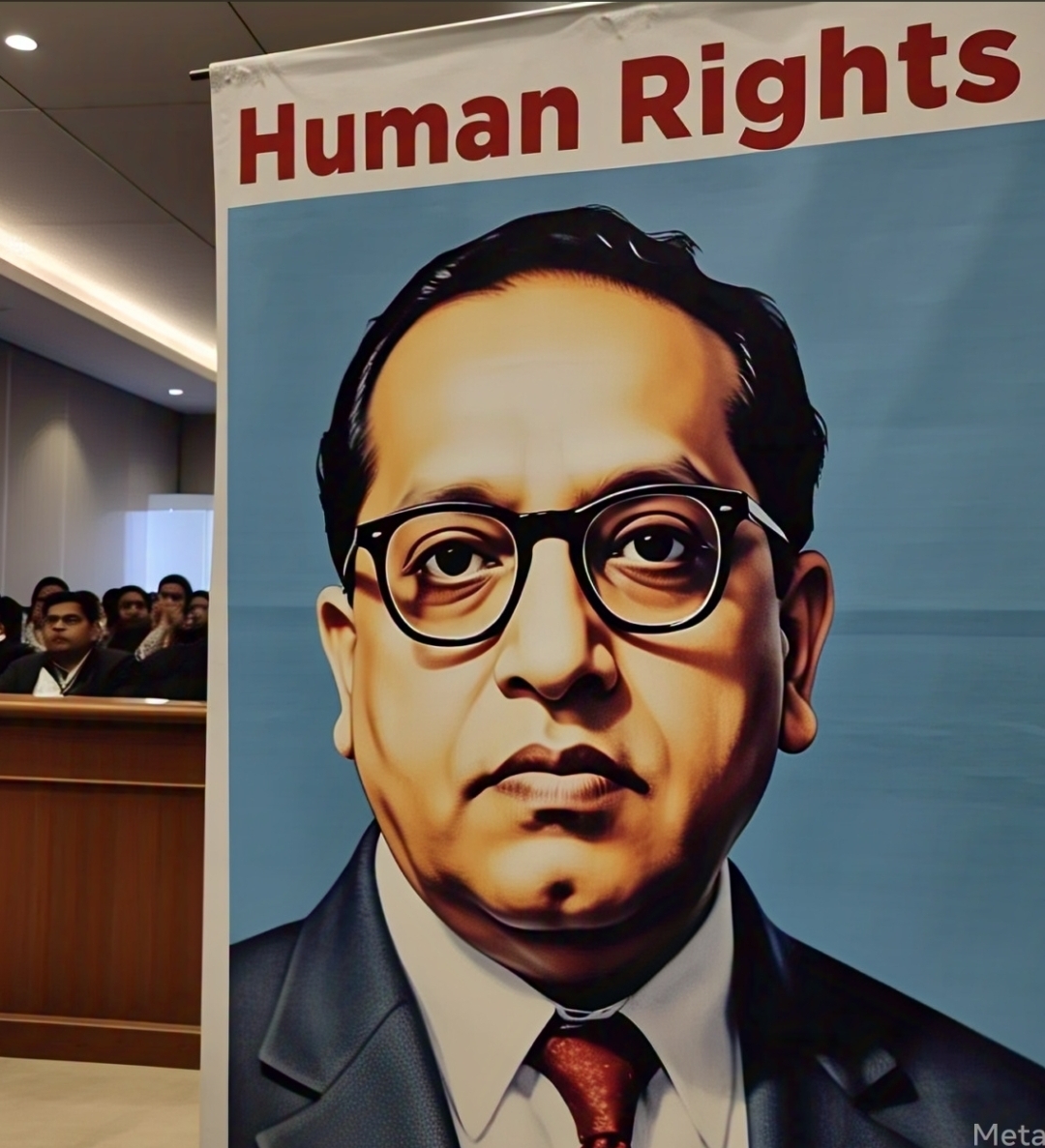
S844: Pragmatist, Rationalist, Buddhist & Social Scientist: Dr. B.R. Ambedkar was First a Patriotic Nationalist.

A Global Icon of Human Rights..

Dr. Bhimrao Ramji Ambedkar (1891–1956) was a towering figure in modern Indian history, embodying a rare blend of pragmatism, rationalism, Buddhism, and social science. Known as the architect of the Indian Constitution, Ambedkar’s multifaceted identity shaped his relentless pursuit of justice, equality, and human dignity. This blog post explores how these dimensions defined his life and legacy.

Pragmatist: Action Over Ideology

Ambedkar’s pragmatism was rooted in his focus on tangible outcomes over rigid dogma. Born into a marginalized Dalit family, he understood the harsh realities of caste oppression firsthand. His approach to social reform was practical—emphasizing education, political representation, and legal protections for the oppressed. As a pragmatist, he navigated complex political landscapes, forging alliances when necessary and challenging power structures strategically. His leadership in drafting the Indian Constitution reflected this: balancing idealism with the realities of a diverse, divided nation to create a framework for equality and justice.

Rationalist: Reason as a Guiding Light

A scholar trained at Columbia University and the London School of Economics, Ambedkar championed reason over superstition. He rejected caste as a baseless social construct, critiquing religious texts that justified hierarchy. His rationalism drove him to question orthodoxy, whether in Hinduism or colonial governance. In works like Annihilation of Caste, he used logical arguments to dismantle the intellectual foundations of discrimination, advocating for a society grounded in equality and critical inquiry.

Buddhist: A Spiritual Revolution

In 1956, Ambedkar embraced Buddhism, leading a mass conversion of nearly half a million Dalits. This was not mere religious choice but a profound act of defiance against caste oppression. He saw Buddhism’s emphasis on equality, compassion, and rationality as aligning with his vision for a just society. By reviving Navayana Buddhism, a modern interpretation free of superstition, he offered his followers a spiritual path that empowered them to reject caste hierarchies and reclaim dignity.

Social Scientist: Understanding Society to Change It

Ambedkar’s academic rigor made him a pioneering social scientist. His studies in economics, sociology, and law informed his activism. He analyzed caste as a system of economic exploitation and social control, drawing parallels with global issues of inequality. His Ph.D. thesis on India’s economy showcased his ability to blend theory with policy solutions. As a social scientist, he didn’t just diagnose India’s ills—he proposed remedies, from affirmative action to labor reforms, many of which remain foundational to Indian policy today.

A Legacy of Intersectionality

Ambedkar’s genius lay in synthesizing these identities. His pragmatism ensured his ideas were actionable; his rationalism kept them grounded in truth; his Buddhism infused them with ethical depth; and his social science gave them analytical clarity. Together, they fueled his fight against injustice, making him a global icon for human rights.

Today, Ambedkar’s legacy inspires millions. His life reminds us that transformative change requires not just vision but the courage to act, the clarity to reason, the compassion to include, and the knowledge to understand. As we navigate modern challenges of inequality and division, Ambedkar’s example remains a beacon for building a fairer world.

Dr. B.R. Ambedkar’s Patriotism and Nationalism

Dr. B.R. Ambedkar’s patriotism and nationalism were rooted in his vision of an India that was united, just, and egalitarian. His life’s work reflects a deep commitment to the nation, often encapsulated in the sentiment of “India Firstly & Lastly.” Below are key highlights of his patriotic and nationalist contributions:

Architect of the Indian Constitution

As the chairman of the Drafting Committee, Ambedkar played a pivotal role in shaping modern India’s identity. His efforts ensured the Constitution embodied principles of liberty, equality, and fraternity, aiming to unify a diverse nation under a shared democratic ethos. He saw the Constitution as a tool to forge a strong, inclusive India, prioritizing national unity over divisive social hierarchies.

Advocacy for Social Unity

Ambedkar’s nationalism was not blind allegiance but a call for reform to strengthen the nation. He believed that caste oppression and social inequality were barriers to true national unity. In speeches like those at the Round Table Conferences (1930–32), he argued that India could only stand strong if every citizen, regardless of caste or creed, was empowered. His famous quote, “I am an Indian firstly and lastly,” reflects his unwavering loyalty to the nation, coupled with a demand for justice within it.

Critique of Divisive Forces

In works like Thoughts on Pakistan (1940), Ambedkar analyzed threats to India’s unity, including communalism and separatism. His pragmatic nationalism sought to preserve India’s territorial and cultural integrity while addressing internal fractures. He warned that without social reform, political independence would be hollow, urging the nation to prioritize equality to fortify itself against external and internal challenges.

Leadership in National Movements

Ambedkar’s participation in the freedom struggle, though distinct from mainstream movements, was deeply patriotic. His work with the Depressed Classes and his push for their representation ensured that India’s marginalized were included in the national project. His leadership in the Mahad Satyagraha (1927) and the Poona Pact (1932) demonstrated his commitment to a united India where all citizens shared equal rights.

Embrace of Buddhism for National Renewal

In 1956, Ambedkar’s conversion to Buddhism was both a personal and national act. He chose Navayana Buddhism as a rational, egalitarian framework that could unify Indians beyond caste and religious divisions. He saw it as a way to rejuvenate India’s moral and cultural fabric, aligning with his vision of a strong, cohesive nation.

Legacy of “India Firstly & Lastly”

Ambedkar’s phrase “India Firstly & Lastly” symbolizes his belief that national interest superseded all else. Whether fighting for untouchables’ rights, drafting the Constitution, or critiquing policies that weakened India, his actions were driven by a desire to see India thrive as a sovereign, democratic republic. His patriotism was not jingoistic but grounded in the idea that a nation’s strength lies in the dignity of its people.

Conclusion

Dr. Ambedkar’s patriotism and nationalism were dynamic, blending love for India with a relentless push for reform. His life’s work—whether through legal frameworks, social activism, or spiritual renewal—embodied the principle of “India Firstly & Lastly,” ensuring the nation he envisioned was one where justice and unity prevailed.

To learn about Dr. B.R. Ambedkar’s life, patriotism, nationalism, and contributions, here are five authoritative resources that provide deep insights into his philosophy and legacy:

  1. “Dr. Babasaheb Ambedkar: Writings and Speeches” (Published by Dr. Ambedkar Foundation, Ministry of Social Justice & Empowerment, Government of India)
  • Why: This multi-volume collection, available in print and online, compiles Ambedkar’s original writings, speeches, and letters, offering direct access to his thoughts on nationalism, caste, democracy, and social justice. It includes works like Annihilation of Caste and Thoughts on Pakistan, which highlight his vision for a united, equitable India.
  • Access: Free PDFs are available on the Ministry of External Affairs website (mea.gov.in) or Dr. Ambedkar Foundation portals.
  1. “Dr. Ambedkar: Life and Mission” by Dhananjay Keer (Popular Prakashan)
  • Why: Widely regarded as the definitive biography, this book details Ambedkar’s journey from a Dalit child facing discrimination to a national leader shaping India’s Constitution. It emphasizes his patriotic commitment to social reform and nation-building, capturing his “India Firstly & Lastly” ethos.
  • Access: Available in bookstores, libraries, or online retailers like Amazon.
  1. B.R. Ambedkar’s Books (Key Titles: Annihilation of Caste, The Problem of the Rupee, The Buddha and His Dhamma)
  • Why: Reading Ambedkar’s own works provides unfiltered insight into his nationalist vision and rationalist approach. Annihilation of Caste critiques social barriers to national unity, while The Buddha and His Dhamma reflects his effort to unify India through egalitarian principles. These texts showcase his patriotism as tied to justice and reform.
  • Access: Available on drambedkarbooks.com, Amazon, or free via mea.gov.in.
  1. Columbia University Archives and Ambedkar’s Works at globalcenters.columbia.edu
  • Why: Ambedkar’s time at Columbia shaped his intellectual foundation. The university’s archives and dedicated page offer essays, his Ph.D. thesis (The Problem of the Rupee), and details of his contributions to Indian nationalism through democratic ideals. It’s a unique lens on his global influences and patriotic vision.
  • Access: Online at globalcenters.columbia.edu or Columbia’s digital library.
  1. India Office Records and Private Papers at the British Library (blogs.bl.uk)
  • Why: These archives contain primary documents, including Ambedkar’s correspondence and records from the Round Table Conferences (1930–32), where he advocated for India’s unity and marginalized communities’ rights. They highlight his nationalist stance in negotiations with British authorities, aligning with his “India Firstly & Lastly” principle.
  • Access: Digitized records are accessible via blogs.bl.uk or in-person at the British Library.

These resources offer a mix of primary sources, scholarly analysis, and historical records to understand Ambedkar’s patriotism and nationalism comprehensively. Let me know if you’d like help accessing any specific one!
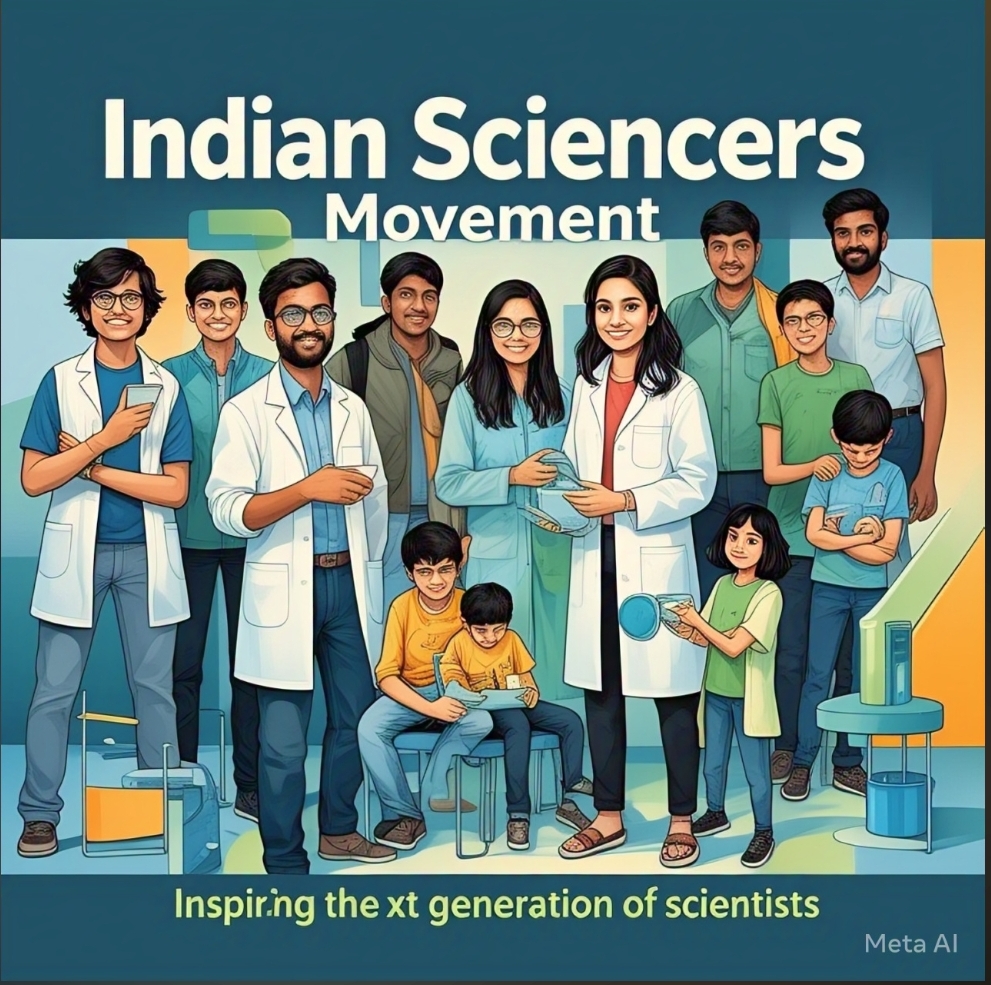
S843: National Sciencers Mission for Indians. Lets Scientify India 2030.

Scientists are Professionals of Science (earn money), Sciencers are Promoters of Science by passion (earn harmony).

National Sciencers Mission India:*
A grassroots initiative empowering ordinary citizens to promote science and scientific temper in their communities through peer-to-peer group work. its a flat organization that bridges across all Scientists and Inventive Citizens.

Sciencers:
Any citizens passionate about scientific temper & science, who:

Love science and its applications.

Live science by applying scientific principles in daily life.

Lead science by inspiring and educating others.

Peer-to-Peer Group Work:
Sciencers can:

Form local groups to discuss science topics and share knowledge.

Organize workshops, demonstrations, and experiments.

Conduct science outreach programs in schools, colleges, and community centers.

Engage in citizen science projects, collecting data and contributing to research.

Serving to Scientify India Citizens:
The National Sciencers Mission India can scientify citizens by:

Promoting science literacy and critical thinking.

Encouraging curiosity-driven learning.

Fostering a culture of scientific inquiry and skepticism.

Empowering citizens to make informed decisions on science-related issues.

Building a network of science enthusiasts and promoters. (ESP..Empathic Science Clubs.. )

Potential Impact:

Increased science awareness and appreciation among citizens.

Improved critical thinking and problem-solving skills.

Enhanced community engagement and participation in science.

Support for India’s scientific and technological development.

By empowering ordinary citizens to lead science in their communities, the National Sciencers Mission India can create a ripple effect, promoting a scientific temper and inspiring a love for science among citizens.

ESPians Motto: *Love For Science, Live By Science, Lead With Science.* Inquire, Insighte & Inspire

*ESP. Place: SciTech_Mitras_Grp:*
Citizens-Mission 2 Scientify for a Rational_India /2030:
“National Sciencers Mission_India.”
https://chat.whatsapp.com/DCQ5If3f8FuDy3JVJaBq8L

Design a site like this with WordPress.com
Get started