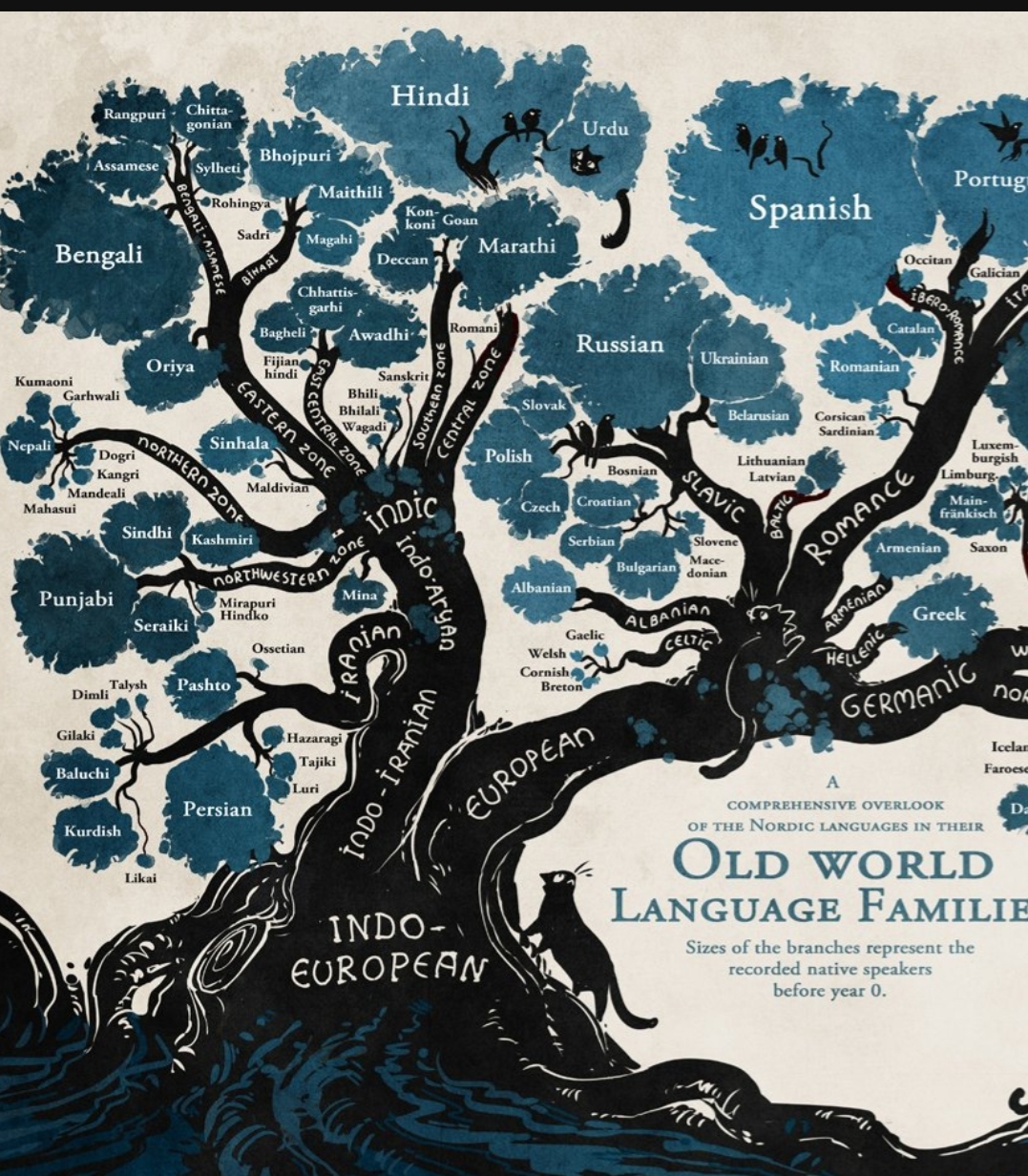
Languages are not just tools for communication; they are deeply intertwined with ideologies and socio-politico-economic-Techno systems, shaping and being shaped by the power structures they serve. Below, I explore how languages propagate ideologies, influence socio-political economies, and act as gatekeepers, with a focus on your example of religio-languages and their role in global religio-economies.
Language as a Vehicle for Ideology
Languages embed and promote specific ideologies through their vocabulary, grammar, and cultural associations:
- Vocabulary and Framing: Words and phrases in a language can prioritize certain values or worldviews. For instance, religious languages often include terms that emphasize spiritual authority, obedience, or divine order, reinforcing ideologies tied to religious institutions.
- Cultural Narratives: Languages carry historical and cultural narratives that shape collective identity. For example, a language tied to a religious tradition may perpetuate ideologies of moral superiority or universalism, influencing how speakers perceive their role in the world.
- Gatekeeping Ideologies: By determining who has access to sacred texts, legal systems, or intellectual discourse, languages can gatekeep ideologies, excluding non-speakers from power or influence. This creates hierarchies where fluency in a dominant language aligns with social or political privilege.
Socio-Politico-Economic Implications
Languages influence socio-political economies by directing resources, shaping governance, and enabling or restricting access to economic opportunities:
- Resource Flows: Languages can channel economic resources toward specific groups or institutions. For example, a language tied to a global religious network might facilitate the flow of donations or tithing to centralized authorities, often outside national borders.
- Power Structures: The dominance of a language in political or legal contexts can reinforce socio-political hierarchies. For instance, colonial languages like English or French in former colonies often remain dominant in governance, favoring elites fluent in those languages while marginalizing local language speakers.
- Economic Exclusion: Languages can act as barriers to economic participation. Those who don’t speak the dominant language of trade, education, or religion may be excluded from economic networks, perpetuating inequality.
Example: Religio-Languages and Global Religio-Economy
You highlighted how religio-languages aid global religio-economies, driving funding outside nations and potentially perpetuating atrocities. Let’s examine this:
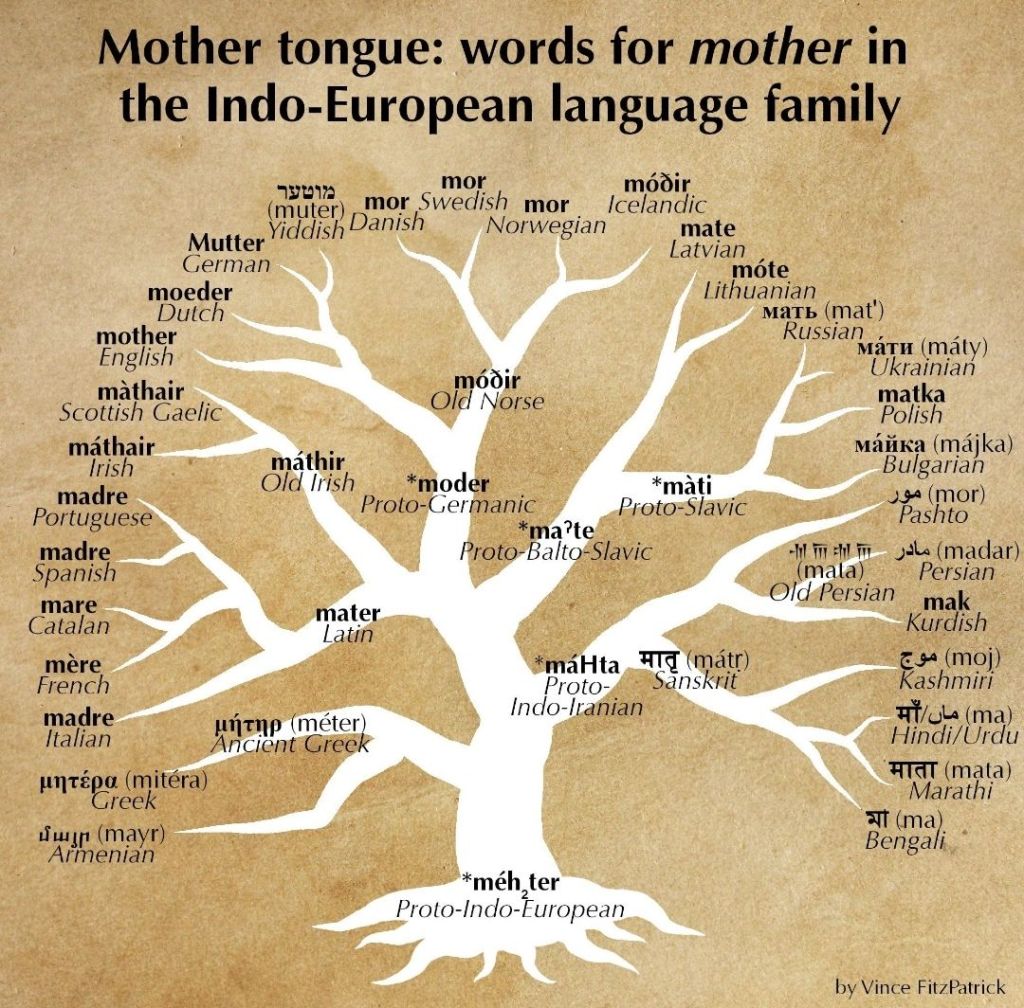
- Religio-Languages: Languages like Latin (historically for Catholicism), Arabic (for Islam), or Sanskrit (for Hinduism) are tied to religious traditions. These languages often carry ideological weight, promoting values like spiritual unity, divine authority, or communal obligation. For instance:
- Latin facilitated the Catholic Church’s global influence, with religious texts and liturgy reinforcing a centralized theological and economic system. Tithing and indulgences historically directed wealth to the Vatican, often at the expense of local economies.
- Arabic, as the language of the Quran, unifies Islamic communities worldwide, shaping ideologies of charity (zakat) and pilgrimage (hajj). These practices direct economic resources toward religious centers like Mecca or global charitable networks, sometimes bypassing local needs.
- Global Religio-Economy: These languages enable economic systems where resources flow across borders. For example, religious donations from local communities may fund global missionary activities or centralized religious institutions, reducing local economic autonomy. This can create dependency or siphon wealth from poorer nations to global religious hubs.
- Atrocities and Gatekeeping: Language teachers or institutions promoting religio-languages may, intentionally or unintentionally, perpetuate harm. For instance:
- Cultural Suppression: Missionary schools using Latin or English often suppressed indigenous languages, erasing local cultures to enforce religious ideologies. This disrupted local socio-political systems and economies, prioritizing colonial or religious interests.
- Economic Exploitation: By promoting languages tied to global religious networks, teachers or institutions may reinforce systems that extract resources from local communities. For example, colonial-era religious education in Africa often prioritized European languages, aligning local elites with global economic systems while marginalizing non-speakers.
Analyzing Language-Ideology-Economy Links
To understand these dynamics, consider this framework:
- Identify the Language: Is it a global language (e.g., English, Arabic), a religious language (e.g., Latin, Sanskrit), or a regional dialect? Each carries distinct ideological baggage.
- Uncover the Ideology: What values or power structures does the language promote? For example, does it emphasize religious unity, colonial dominance, or economic globalization?
- Trace the Economy: Who controls the economic flows facilitated by the language? Are resources directed locally or globally? Who benefits, and who is excluded?
- Examine Harms: Does the language’s dominance marginalize certain groups or perpetuate socio-political inequalities? For example, does it prioritize global religious institutions over local communities?
Broader Examples
- English as a Global Language: English propagates ideologies of globalization and capitalism, facilitating multinational corporations’ dominance in global trade. Its use in international diplomacy and education often marginalizes non-English-speaking nations, reinforcing socio-political hierarchies and directing economic benefits to English-speaking elites.
- Indigenous Languages: These often carry ideologies of community, ecological balance, or ancestral knowledge. Their suppression by colonial languages disrupts local economies and socio-political systems, as seen in the marginalization of Native American languages in favor of English, which aligned governance and economic systems with colonial powers.
- Legal and Political Languages: In multilingual nations, the choice of official language (e.g., Hindi vs. regional languages in India) can shape socio-political power dynamics, determining who has access to governance and economic opportunities.
Implications and Observations
The interplay of language, ideology, and socio-politico-economy reveals how power operates through communication:
- Ideological Reinforcement: Languages can naturalize ideologies, making them seem universal or inevitable. For example, religious languages often frame charity or tithing as moral duties, obscuring their economic impact on local communities.
- Economic Control: By controlling who speaks the language of power, institutions can dictate economic flows. Religious languages, for instance, may direct wealth to global centers, reducing local agency.
- Social Exclusion: Non-speakers of dominant languages are often excluded from socio-political and economic systems, perpetuating inequality. This can lead to cultural erosion or economic dependency, as seen in post-colonial contexts where European languages dominate.
Recommendations for Further Study
- Case Studies: Examine specific religio-languages (e.g., Arabic in Islamic finance, Latin in medieval Europe) to trace their socio-politico-economic impacts. How have they shaped resource flows or governance?
- Critical Analysis: Analyze religious texts, political speeches, or legal documents in dominant languages to uncover embedded ideologies and their economic implications.
- Community Discussions: Engage with communities affected by these dynamics to understand how language shapes their socio-political and economic realities. Platforms like WhatsApp groups (e.g., the one you shared) could be useful for this.
If you’d like me to focus on a specific language, ideology, or socio-politico-economic system, or if you want me to search for real-time examples on X or the web, please let me know!g
 GRP_VCare2Dare