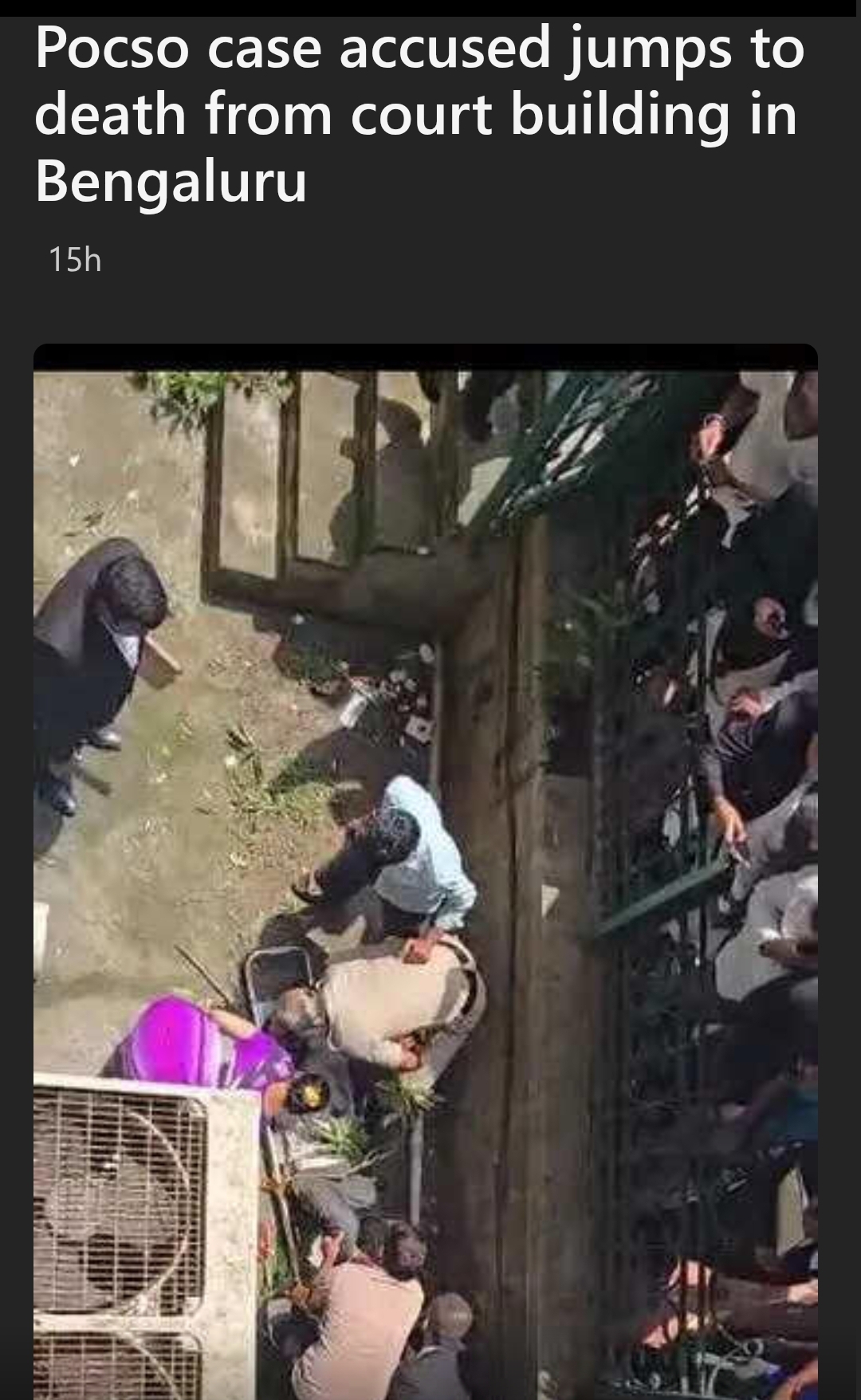
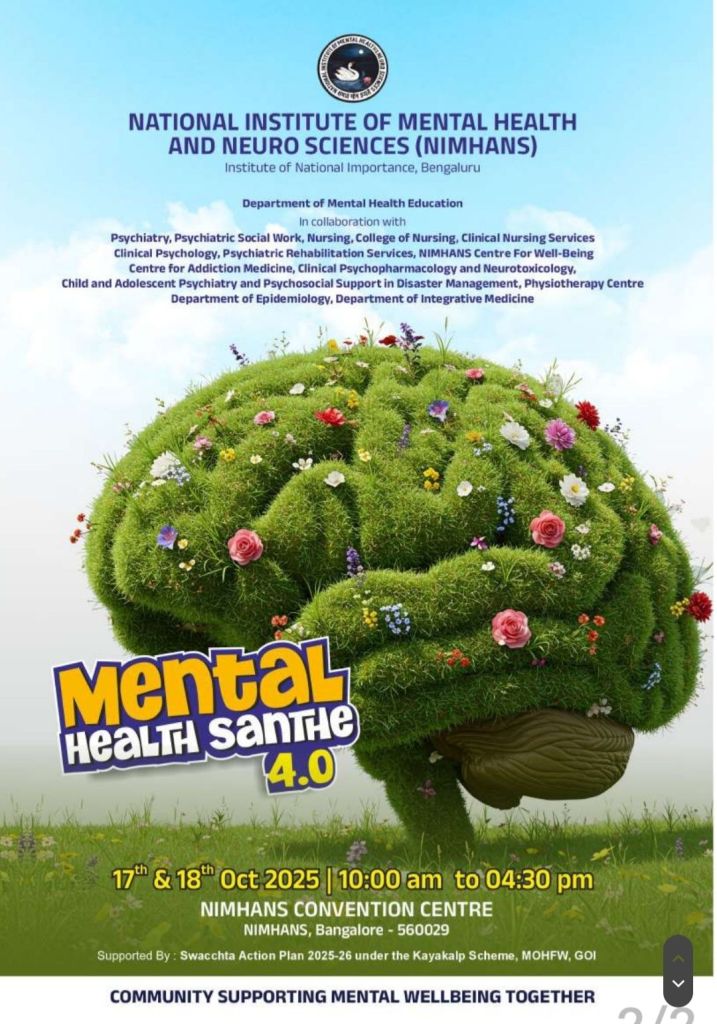
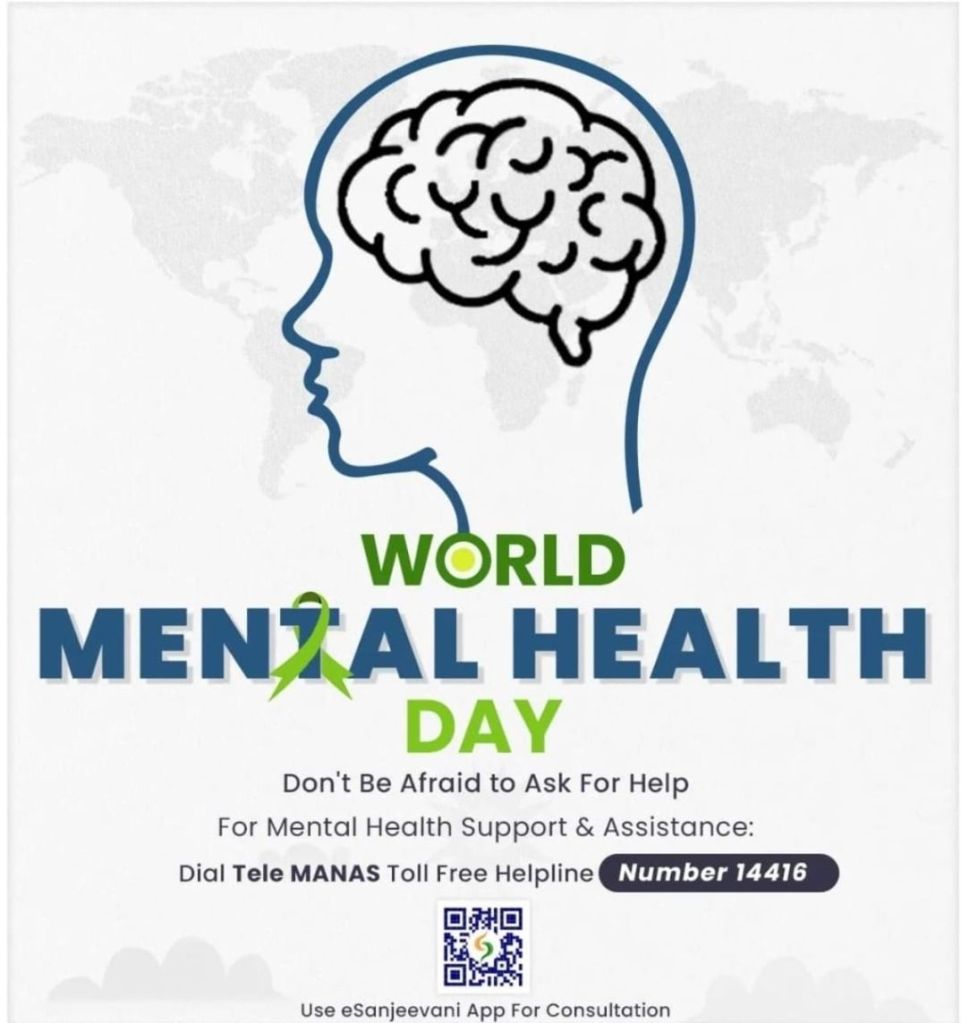
Court and Hospitals are 2 great places for Life Lessons for Mental Health. Here are some learnt Today at Bengaluru.. *Socio-Medico-Legal Preventive Care..* Today is World Mental Health Day and im writing this from Karnataka Meditation Centre & Family Court near Shanthi Nagar NIMHANS..
POCSO accused jumps to death from Bengaluru City Civil Court https://share.google/ZavG2W8vEJxLyEzOp
On World Mental Health Day, it’s poignant to reflect on how environments like courts and hospitals expose us to raw human experiences that underscore the fragility of mental well-being. Your insights from Bengaluru—near NIMHANS, a leading mental health institution, and the family court—highlight the intersections of socio-medico-legal factors in preventive care. Places like these often reveal the profound impacts of stress, trauma, and systemic pressures on individuals from all walks of life.
The article you shared on women and mental health emphasizes how women face disproportionate risks for disorders like anxiety, depression, PTSD, and eating disorders, often due to biological differences, societal expectations, and higher rates of trauma such as sexual violence or intimate partner abuse. For instance, statistics show women are twice as likely as men to experience anxiety or depression in their lifetime, with factors like gender discrimination and chronic stress exacerbating these issues. It also notes the rise during events like the COVID-19 pandemic, where women reported higher levels of anxiety and loneliness. Treatment approaches, including specialized programs, are crucial for addressing these, as open dialogue and professional support can make a significant difference.
Your warning about “Toxic_Genderity” seems to touch on broader gender dynamics, perhaps including how biases or pressures affect mental health across genders. The tragic incident you referenced, where a 35-year-old man named Gautham, accused under the POCSO Act, died by suicide after jumping from the fifth floor of the Bengaluru City Civil Court building, illustrates the extreme mental toll that legal proceedings can take. Reports indicate he was an undertrial prisoner facing charges for allegedly sexually abusing a minor, and the event occurred during a court appearance. Cases like this underscore the need for mental health interventions in the justice system, such as counseling for accused individuals under immense pressure, to prevent such outcomes.
Overall, these examples remind us that mental health challenges don’t discriminate by gender, but societal and legal contexts can amplify them. Preventive care, as you mentioned, could involve better integration of mental health support in courts and hospitals—things like on-site meditation centers or peer groups (aligning with your GRP acronym) to foster resilience. If you’re drawing from personal experiences today, resources like NIMHANS helplines or global organizations such as the World Federation for Mental Health can offer immediate support. What’s one key lesson that stood out to you from your time there?
 GRP_VCare2Dare