

https://bigthink.com/the-present/yuri-bezmenov/
Covert Cultural Invasion Through Western Techno-Globalization: A Subtle Erosion of Indigenous Identities
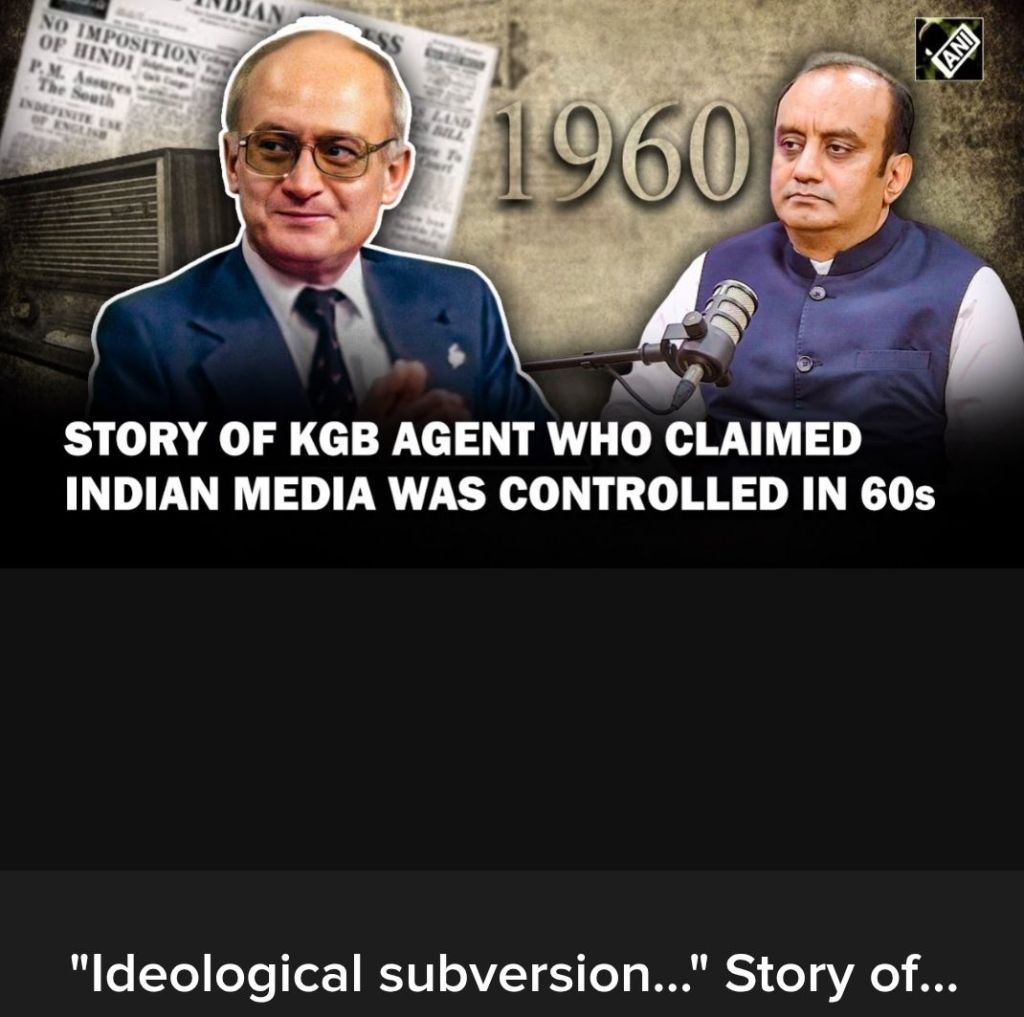
In an era dominated by rapid technological advancements and seamless global connectivity, the phenomenon of covert cultural invasion has emerged as a subtle yet pervasive force reshaping societies worldwide. This invasion, often masked as “progress” or “modernization,” involves the infiltration of Western ideologies, values, and lifestyles through media, technology, and consumer culture. Particularly in non-Western contexts like India, this process—fueled by what can be termed “techno-globalization”—has accelerated since the late 20th century, leading to a generational shift where individuals retain national identities on paper (such as through Aadhaar cards or passports) but drift from their cultural roots. As highlighted in recent discussions, this subversion operates without explicit permission, relying instead on coercive cultural immersion via entertainment and digital platforms.
The Evolution of “Modernity” in a Globalized World
The term “modern man or woman” is frequently misused to equate progress with Westernization, overlooking indigenous forms of advancement. In India, for instance, women born between the 1950s and 1970s represented the first wave of “modern Indian women”—pioneers in the workforce who balanced professional ambitions with familial and cultural responsibilities. These individuals embodied modernity without succumbing to external ideological pressures, drawing from India’s post-independence ethos of self-reliance and cultural preservation. However, from the 1980s onward, a marked shift occurred, driven by American cultural propaganda that infiltrated Indian households through television and later digital media.
This era coincided with the liberalization of India’s economy in the 1990s, which opened doors to foreign media conglomerates. Shows like Friends, MTV, Star TV, FTV, Cartoon Network, Nikolodeon, seinfield, HBO, Law vegas, hollywood movies etc portrayed aspirational Western lifestyles—emphasizing individualism, consumerism, and casual relationships—that contrasted sharply with traditional Indian values of community, restraint, and rootedness. These programs didn’t overtly preach; instead, they normalized Western norms (live in, Hyper Sexuality) through entertainment, creating a “brainwashing” effect on youth. The advent of YouTube, Instagram, play boy, Porn webisites and other social media platforms in the 2000s exacerbated this, turning passive consumption into interactive participation. Algorithms on these platforms prioritize Western content, subtly promoting trends like fast fashion, hookup culture, and Gold Digging material success metrics that erode local traditions & mock indigenous cultures.
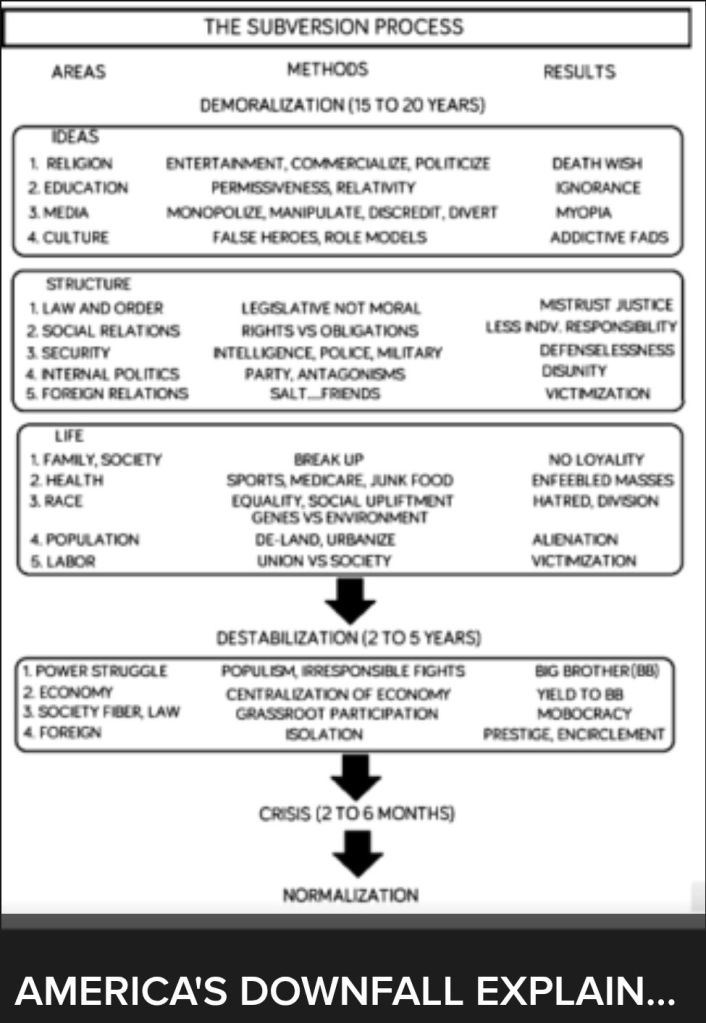

Mechanisms of Covert Ideological Subversion
At its core, this cultural invasion leverages techno-globalization—the integration of technology with global economic flows—to disseminate Western hegemony. Unlike historical imperialism, which relied on military conquest, today’s version is ideological and digital. Multinational corporations, primarily from the U.S., control the flow of information through platforms like Netflix, Amazon Prime, and social media giants, which dominate over-the-top (OTT) services in India. These services not only export content but also shape consumption patterns, leading to cultural homogenization. For example, the rise of Western-style advertising has marginalized traditional Indian crafts, such as handloom weaving, by promoting mass-produced, globalized attire that appeals to urban youth.
Technology amplifies this through data-driven personalization, where algorithms reinforce echo chambers of Western ideals. In India, this has contributed to increased tobacco use among young people, linked to glamorized portrayals in Western media, and a broader disdain for indigenous practices. The digital economy further entrenches imperialism: India’s tech sector, while booming, often serves as a backend for Western firms, perpetuating economic dependency that mirrors cultural subservience. This “little cultural/media imperialism” from India itself—exporting Bollywood hybrids to neighboring regions—ironically stems from internalized Western models, creating a multi-centric dynamic where local media apes global trends.
Critics argue that this process doesn’t require “permission” because it operates through coercion disguised as choice. As one observer notes, societal decline in India stems from self-inflicted wounds, like undervaluing roots amid conspiratorial drives to “drive people crazy” via media. Yet, the invasion’s covert nature lies in its invisibility: it’s not a conspiracy in the shadows but a normalized progression where global tech erodes local identities, threatening traditions in sectors from fashion to family structures.
Impacts and Resistance: A Double-Edged Sword
The consequences are profound. Cultural globalization has led to a hybrid identity crisis, where Indians are “globalized or Westernized” in ideology but disconnected from their heritage. This manifests in urban settings through the adoption of English slang, Western holidays like Valentine’s Day over local festivals, and a preference for fast food over traditional cuisine. On a societal level, it fosters individualism at the expense of collectivism, weakening family bonds and community ties that once defined Indian society.
However, this isn’t unidirectional doom. India’s resilient culture has historically absorbed influences while retaining core elements, as seen in the fusion of Bollywood with global styles without complete erasure. Resistance efforts include government policies promoting local content, such as bans on certain apps to curb foreign digital influence, and grassroots movements reviving traditional arts. Moreover, technology itself can be a tool for counter-narratives, with platforms enabling the global spread of Indian philosophies like yoga and Ayurveda.
In conclusion, the covert cultural invasion via Western techno-globalization represents a modern form of imperialism that subverts societies from within. By prioritizing Western ideals through media and tech, it risks diluting diverse cultures like India’s, turning citizens into global consumers detached from their origins. Addressing this requires conscious efforts to reclaim narratives—fostering media literacy, supporting local content, and viewing “modernity” through an indigenous lens. Without such measures, the erosion may continue unchecked, proving that true subversion needs no overt conquest, only an open screen.
 GRP_VCare2Dare