Intro Pic..
Just as EDIPT outlines the design thinking process for positive We have developed a parallel framework for “architectural thinking” focused on structured, constructive building and system design. This draws from established architectural design processes (typically 5-7 phases) but expands it into a comprehensive 9-phase acronym using “ARCHITECT” to emphasize holistic construction from inception to completion. It emphasizes methodical progression, integration, and realization, adapting real-world architectural steps for a thinking model that promotes stability, functionality, and innovation in physical or systemic builds.
These Archi steps are towards positive, methodical creation, while specializing in architectural contexts like buildings, infrastructure, or even software architectures. Each phase builds upon the last, ensuring feasibility, compliance, and enduring value.
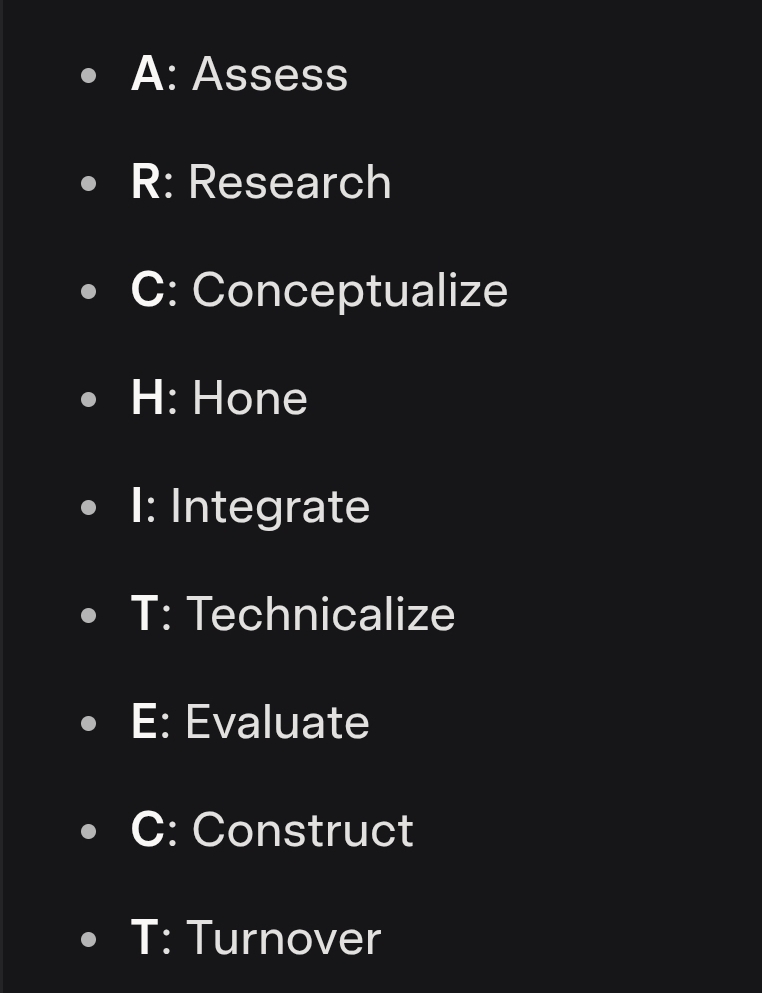
ARCHITECT Acronym for Architectural Thinking (Positive Constructions)
Phase Step Description
A Assess: Evaluate the project’s requirements, site constraints, client needs, and environmental factors to establish a solid foundation. This mirrors empathizing but focuses on practical scoping and feasibility studies.
R Research: Investigate regulations, materials, precedents, and technologies to inform decisions and avoid pitfalls. This step ensures compliance and innovation by gathering data on best practices and constraints.
C Conceptualize: Brainstorm and sketch initial ideas, forms, and layouts to visualize the overall structure and aesthetic. This aligns with ideation but emphasizes spatial and functional concepts over abstract brainstorming.
H Hone: Refine the concepts through iterations, addressing feedback and optimizing for efficiency, cost, and usability. This develops the design in detail, bridging broad ideas to precise plans.
I Integrate: Combine systems (e.g., structural, mechanical, electrical) into a cohesive whole, ensuring all elements work harmoniously. This step focuses on interdisciplinary synthesis for robustness.
T Technicalize: Create detailed drawings, specifications, and models to translate the design into buildable instructions. This is akin to prototyping but produces technical documentation for execution.
E Evaluate: Review bids, costs, and proposals from contractors to select the best path forward, negotiating for value and quality. This assesses viability before commitment.
C Construct: Oversee the building phase, managing implementation to ensure adherence to the design and resolving on-site issues. This realizes the vision through active coordination.
T Turnover: Finalize the project with inspections, testing, and handover, ensuring it meets standards and is ready for use. This inverts termination by focusing on completion and long-term sustainability rather than destruction.
This ARCHITECT framework can be applied iteratively for complex projects, such as designing a sustainable building: Start by assessing the site’s ecology, research green materials, conceptualize eco-friendly layouts, hone for energy efficiency, integrate solar systems, technicalize blueprints, evaluate contractor bids, construct with oversight, and turnover with certifications. It’s a conceptual tool for understanding structured creation—real-world architecture requires professional expertise and adherence to codes.
 GRP_VCare2Dare