Laws of Life.

Art of War, Science of Love & Design of Civilizations in the Game of Human Life
In the grand chessboard of existence, human life unfolds like an epic strategy game—where every move is a calculated risk, every alliance a fragile bond, and every empire a testament to collective ingenuity. Sun Tzu’s Art of War arms us with the tactics to outmaneuver foes; the science of love reveals the intoxicating chemistry that forges or fractures connections; and the design of civilizations charts how societies rise, thrive, or crumble under the weight of their own blueprints. Yet, this game isn’t abstract—it’s raw, visceral, and often shadowed by deception, exploitation, and cultural fault lines. Drawing from ancient wisdom to modern scandals, this post synthesizes these “sciences” into a playbook for navigating life’s battles, romances, and blueprints. Whether you’re dodging digital heartbreaks or decoding societal shifts, understanding these elements equips you to play not just to survive, but to conquer.
The Art of War: Mastering Strategy in Life’s Arena
At its core, Sun Tzu’s Art of War—penned around the 5th century BCE amid China’s Warring States chaos—isn’t a dusty relic for generals alone. It’s a blueprint for any arena where conflict brews: boardrooms, relationships, or the daily grind of personal ambition. Spanning 13 chapters, it preaches victory through intellect over brute force: “The supreme art of war is to subdue the enemy without fighting.”
Key principles distill into life’s maneuvers:
- Self-Knowledge and Reconnaissance: “If you know the enemy and know yourself, you need not fear the result of a hundred battles.” In human games, this means auditing your strengths (SWOT-style) before leaping—whether negotiating a raise or spotting a toxic partner.
- Deception as Currency: Feign disorder to lure; strike where least expected. Modern echoes? Corporate espionage or poker bluffs, but also relational ploys like ghosting to regain power.
- Terrain and Adaptability: Classify your “battlegrounds”—dispersive (chaotic jobs), contentious (high-stakes dates)—and flow like water, per Daoist roots.
- Leadership’s Moral Core: Unite through inspiration, not fear; sustain morale to avoid the “economy of force” trap of endless, draining wars.
Historically, it fueled Mao’s guerrilla triumphs and Schwarzkopf’s Gulf War precision. Today, it’s dissected in business tomes like The Art of War for Managers, mirroring game theory’s Nash equilibria. But beware pop-culture pitfalls: Oversimplification ignores its philosophical depth—harmony with chaos, not endless aggression. In life’s game, the true win? Decisive, resource-sparing plays that leave you unscathed. Principle Life Application Historical Nod Know Thyself & Enemy Pre-date vetting via social media Mao’s Red Army intel Deception Bluffing in negotiations Trojan Horse vibes Terrain Mastery Choosing “facile” networks for career leaps Alexander’s phalanx adaptations
The Science of Love: From Dopamine Rushes to Dark Manipulations
Love isn’t fairy-tale fluff—it’s a neurochemical battlefield, evolved for survival but ripe for sabotage. Helen Fisher’s triune model frames it biologically: lust (testosterone-fueled mate hunts), attraction (dopamine highs mimicking addiction), and attachment (oxytocin bonds for child-rearing). Psychologically, Sternberg’s triangle—intimacy, passion, commitment—builds consummate love, while attachment styles (secure vs. anxious) from Bowlby’s theory predict relational pitfalls. Evolutionarily, we crave MHC-dissimilar partners for robust genes, per the infamous “sweaty T-shirt” experiments.
Yet, this science turns sinister when hijacked. In the game of human bonds, manipulators exploit these circuits for control, fraud, or conquest—echoing war’s deceptions in intimate theaters.
- Love Fraud (Romance Scams): Scammers weaponize dopamine via “love bombing”—torrents of flattery on apps like Tinder—before extracting cash through fabricated woes. The FBI tallied $1B+ losses in 2023 alone, preying on the divorced or empathetic. Red flag? No video chats, rushed “I love yous.” It’s evolutionary cues spoofed digitally, eroding trust in genuine sparks.
- Grooming Gangs and Cult Recruitment: UK’s Rotherham scandal (1,400+ victims, 1997–2013) exposed networks—often Pakistani-British men—using feigned romance, drugs, and isolation to traffic minors. Tactics? Mirror cult “love bombing,” flooding recruits with oxytocin via praise, then devaluing through guilt. The 2025 Casey Report slammed institutional blindness, linking it to misogyny over race alone. Globally, this distorts love’s protective role into coercive webs.
- Trophy Wives: Status Over Substance: Coined in 1989, this trope casts attractive younger women as symbols for wealthy elders—evolutionary “resource-for-beauty” trades. But data debunks the myth: Attractive partners often match in smarts and status, per 2014 studies. It persists in celeb culture, masking imbalances where avoidant attachments clash.
- Love Jihad: Myth, Reality, or “Islamorealia”? Here’s where narratives collide. In India, “love jihad” alleges Muslim men systematically seduce Hindu women for conversion—framed by Hindutva as demographic warfare, akin to UK’s “rape jihad” rhetoric from far-right voices like Tommy Robinson. Parallels to grooming gangs are stark: Initial affection escalates to coercion, blackmail, or violence, as in the 2020 Nikita Tomar murder or 2025 Moradabad rape cases. Proponents call it “Islamorealia”—not phobia, but the unvarnished reality of adults entangled in rigid Islamic “cults” of ideology, where fatwas or community pressures enforce control over interfaith bonds. Yet, evidence splits: UK’s gangs boast Jay Report convictions and Taskforce arrests, confirming organized abuse. India’s? NIA probes (2017) and Supreme Court rulings (e.g., Hadiya 2018) find no conspiracy—just isolated crimes mislabeled for politics. Anti-conversion laws (Uttar Pradesh 2020) curb coercion but spark vigilante overreach, stifling consensual love. Critics decry Islamophobia in the trope’s “predatory Muslim” archetype, a recycled panic from colonial eras. Substantiated claims? Sporadic: Over 100,000 Maharashtra complaints (unverified), drug-laced groomings in Bhopal (July 2025). It’s no full-blown network, but dismissing patterns as mere bias ignores victims’ testimonies—much like early UK denials. In life’s game, this underscores love’s weaponization: Cultural “designs” turn affection into ideological battlegrounds, demanding vigilance without blanket fear.
These shadows reveal love’s fragility—adaptive biology bent toward exploitation. Fisher’s fMRI work shows it lights the brain’s reward centers like cocaine; manipulators just hack the code. Prevention? Attachment audits, boundary drills, and media literacy to spot the feints.
Design of Civilizations: Crafting the Gameboard of Societies
If war and love are the moves, civilizations are the board—intentional architectures of power, culture, and survival. Jared Diamond’s Guns, Germs, and Steel pins rises on geography: Eurasia’s east-west axis sped tech diffusion, birthing empires. Cyclical theorists like Spengler see cultures as organisms—youthful vigor to senescent decay—while Toynbee’s challenge-response model credits innovation (e.g., Egypt taming the Nile) for growth, stagnation for falls.
Structures matter:
- Institutions as Glue: Democracies foster war’s strategies via checks; economies channel love’s trades into families or markets.
- Complexity’s Curse: Tainter warns overbuilt systems (Roman bureaucracy) yield diminishing returns, collapsing under inequality—echoed in Maya’s drought-fueled downfall.
- Human Threads: War scars (e.g., post-WWII welfare states), love binds (arranged vs. romantic norms), but exploitations like grooming or “jihad” narratives fracture trust, per 2025 CRS reports on India’s communal rifts.
Modern twists? AI-simulated societies test resilience; Harari’s Sapiens flips the script—humans “domesticated” by wheat, now by algorithms. In the game, poor designs amplify war’s chaos and love’s poisons: Trophy norms entrench patriarchy; unchecked “cults” (ideological or religious) spawn jihads real or imagined. Toynbee’s “creative minorities” must evolve—or watch the board shatter. Civilization Model Key Driver Modern Risk Diamond (Geographic) Environmental luck Climate collapse (e.g., 2025 floods) Spengler (Cyclical) Organic life cycle Western “winter” via polarization Tainter (Complexity) Bureaucratic bloat Tech inequality fueling unrest
Playing the Game: Synthesis for Survival
Human life? A fusion: War’s cunning navigates love’s minefields, both reshaping civilizations. A grooming gang is war’s deception in love’s guise, eroding societal designs via fear. “Love jihad”—call it Islamorealia if you will—highlights how doctrinal “cults” (Islamic or otherwise) clash with liberal bonds, demanding evidence-based scrutiny over hysteria. The Art teaches adaptability; science, discernment; design, legacy-building.
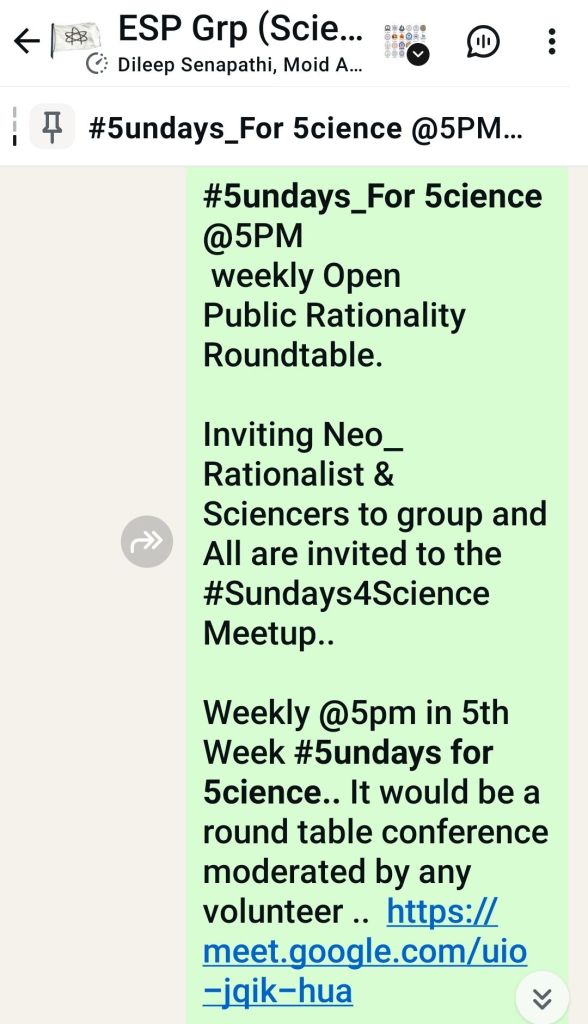
Join the discourse in movements like #5undaysFor5ciences—a WhatsApp circle (link: https://chat.whatsapp.com/DCQ5If3f8FuDy3JVJaBq8L) unpacking these weekly. In this game, knowledge isn’t power—it’s checkmate. What’s your next move?
 GRP_VCare2Dare