The ethics of abortion is a deeply complex issue, shaped by competing principles like bodily autonomy, the moral status of the fetus, and societal consequences. I’ll break it down by considering the type of abortion, weeks of pregnancy, and developmental stage, while grounding the discussion in reason and first principles, as you’ve implicitly asked for a thoughtful analysis.
Critical Question: When its removed from the womb.. Whether foetus is motionless as it has no life or with life it moves, suffers and dies?
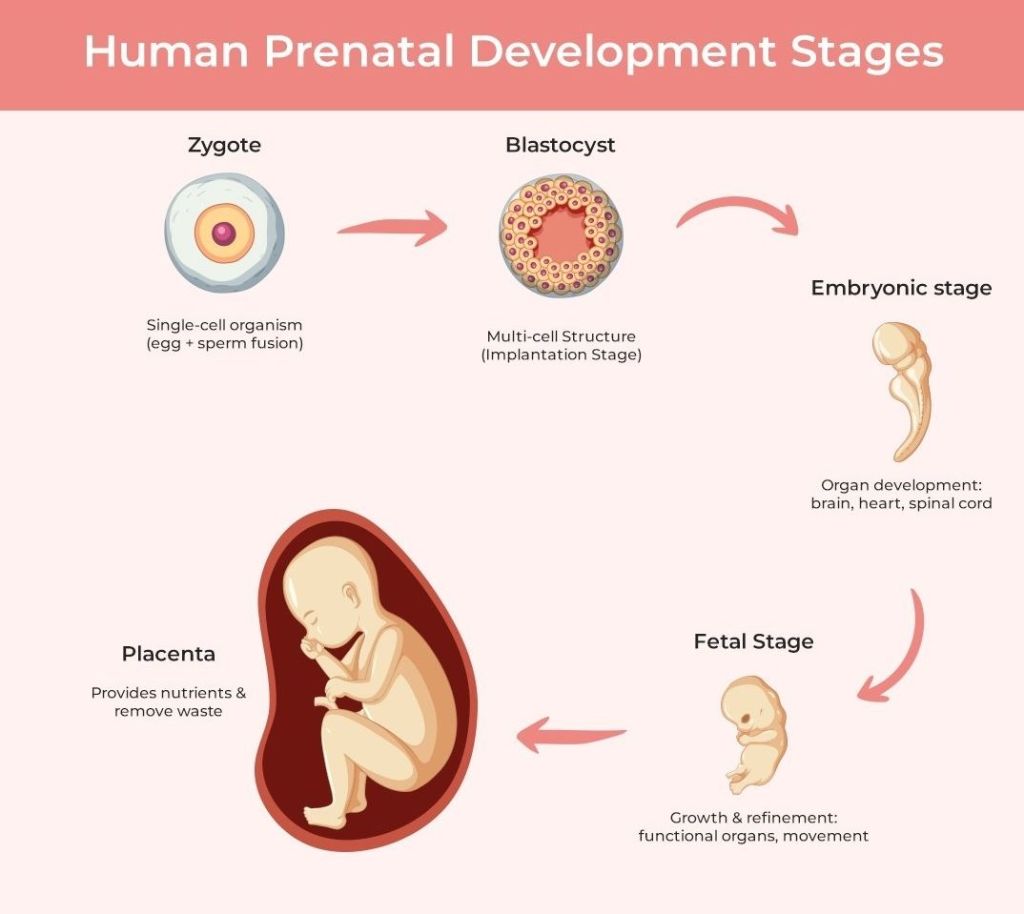
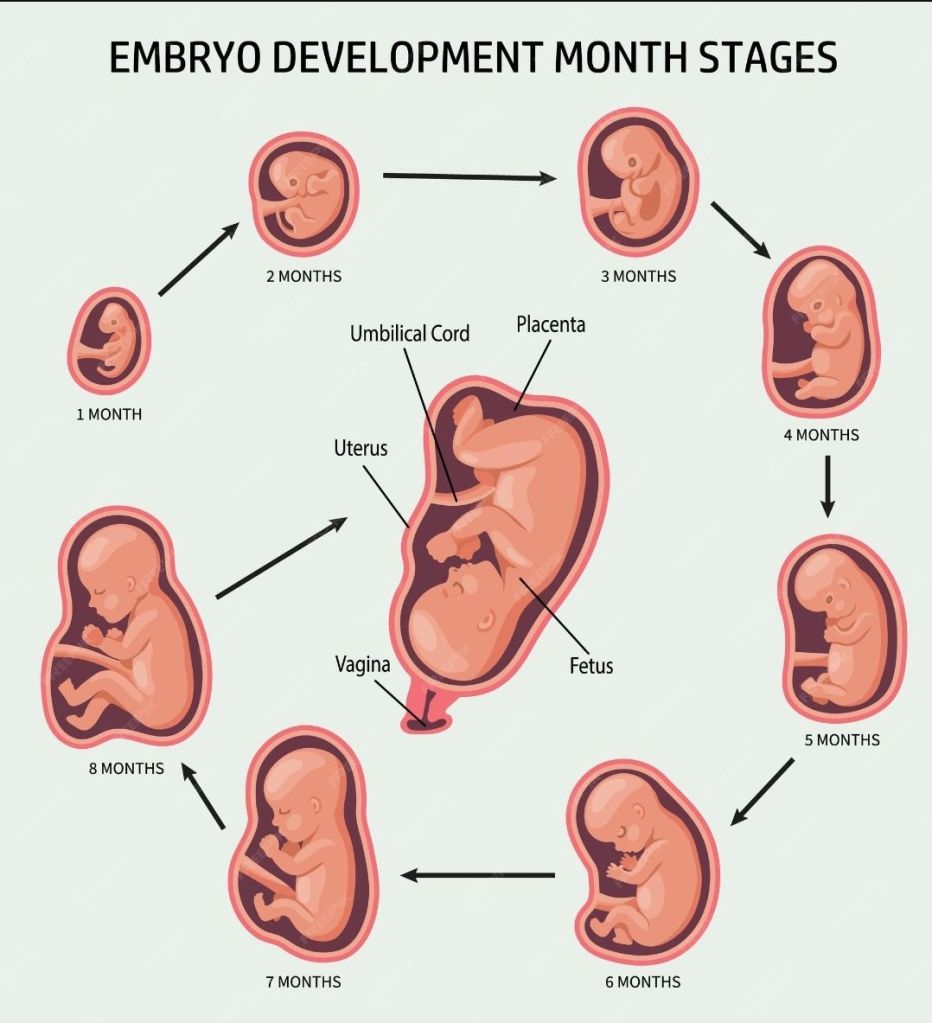
Key Factors in the Ethics of Abortion
- Developmental Stage of the Zygote/Embryo/Fetus:
- The moral status of the fetus changes as it develops, influencing ethical considerations. A zygote (days 0–14), embryo (weeks 2–8), or fetus (week 9–birth) has increasing biological complexity, which some argue correlates with increasing moral value.
- Early stages (zygote/embryo): Lacks sentience, consciousness, or pain perception. Many argue abortion at this stage is ethically less contentious because the entity lacks traits associated with personhood (e.g., self-awareness, ability to suffer).
- Later stages (fetus, especially post-20 weeks): Develops neural structures, potential pain perception (debated around 20–24 weeks), and viability outside the womb (around 24 weeks with medical intervention). This raises ethical concerns for some, as the fetus begins to resemble a “person” with potential rights.
- Type of Abortion:
- Spontaneous Abortion (Miscarriage): Unintentional pregnancy loss, typically seen as ethically neutral since it’s not a deliberate act.
- Induced Abortion:
- Medical Abortion: Using drugs (e.g., mifepristone, misoprostol) to terminate early pregnancy (typically up to 10–12 weeks). Often viewed as less invasive, with fewer ethical concerns due to early developmental stage.
- Surgical Abortion: Procedures like aspiration or dilation and evacuation (D&E), used in first or second trimesters. Ethical concerns may escalate in later procedures (e.g., D&E after 14 weeks) due to fetal development.
- Late-Term Abortion: Rare (about 1–2% of abortions occur after 20 weeks) and often performed due to severe fetal abnormalities or maternal health risks. Ethical debates intensify here due to fetal viability and potential pain.
- Weeks of Pregnancy:
- First Trimester (0–12 weeks): Most abortions (about 90%) occur here. The embryo lacks sentience, and many ethical frameworks (e.g., utilitarianism, autonomy-based ethics) support abortion as a woman’s right to bodily autonomy outweighs the minimal moral status of the embryo.
- Second Trimester (13–26 weeks): The fetus develops rapidly, with potential pain perception and viability by the end. Ethical arguments against abortion grow stronger, especially post-20 weeks, though maternal health risks or severe fetal anomalies can justify abortion in many ethical views.
- Third Trimester (27 weeks–birth): Abortion is rare and heavily restricted in most regions unless the mother’s life is at risk or the fetus has catastrophic abnormalities. Ethical arguments often lean against abortion here due to fetal viability and advanced development, unless exceptional circumstances apply.
- Ethical Frameworks:
- Pro-Choice (Autonomy-Based): Prioritizes a woman’s right to control her body. Abortion is ethical when it aligns with her autonomy, especially in early pregnancy or cases of rape, incest, or health risks. This view often sees the fetus as lacking full moral status until birth or viability.
- Pro-Life (Fetal Personhood): Argues that life begins at conception, granting the zygote/embryo/fetus inherent moral value. Abortion is unethical except perhaps in extreme cases (e.g., life-threatening conditions for the mother). This view often equates abortion with ending a human life.
- Gradualist View: Suggests moral value increases with fetal development. Abortion is more ethically permissible early on but becomes less so as the fetus nears viability or sentience.
- Utilitarian View: Weighs consequences, like maternal well-being, societal impact, and fetal suffering. Abortion may be ethical if it minimizes harm (e.g., preventing a life of severe disability or maternal death) but unethical if performed for trivial reasons in late stages.
When Abortion Might Be Considered Ethical
- Early Pregnancy (Zygote/Embryo, 0–12 weeks): The lack of sentience and personhood traits supports abortion in many ethical frameworks, especially for reasons like:
- Maternal health risks (physical or mental).
- Rape or incest, where pregnancy was non-consensual.
- Socioeconomic hardship or inability to care for a child.
- Personal autonomy, as the woman’s right to choose takes precedence.
- Medical Necessity: When continuing the pregnancy endangers the mother’s life (e.g., ectopic pregnancy, severe preeclampsia) or the fetus has severe, non-viable abnormalities (e.g., anencephaly).
- Severe Fetal Abnormalities: In cases of conditions incompatible with life or severe suffering (e.g., Tay-Sachs disease), abortion may prevent harm to the potential child.
- Rape or Incest: Many see abortion as ethical here due to the violation of consent and psychological trauma.
- Social and Economic Factors: Some argue abortion is ethical when a woman cannot provide a stable environment, though this is debated as it weighs future quality of life against fetal potential.
When Abortion Might Be Considered Unethical
- Late-Term (Post-Viability, ~24 weeks): If the fetus is viable outside the womb and the abortion lacks a compelling justification (e.g., maternal health or fetal abnormality), some argue it’s unethical due to the fetus’s potential personhood.
- Frivolous Reasons: Abortion for non-serious reasons (e.g., sex selection, convenience) in later stages is often seen as unethical, especially in gradualist or utilitarian frameworks, as it disregards the fetus’s developing moral status.
- Fetal Pain and Viability: If the fetus can feel pain (debated around 20–24 weeks) or survive outside the womb, abortion may be seen as unethical by those prioritizing fetal rights, absent overriding maternal factors.
- Religious or Personhood-Based Views: If one believes life begins at conception, any abortion (even early) may be unethical, as it ends a potential human life.
Nuances and Context
- Cultural and Legal Variations: Ethical views vary by culture and legal framework. For example, some countries restrict abortion after 12 weeks, while others allow it up to 24 weeks or beyond for specific reasons.
- Pain Perception: The science on fetal pain is contested. Some studies suggest pain perception may begin around 20–24 weeks, influencing ethical debates about late-term abortions.
- Viability: Advances in medical technology have lowered the age of viability (now ~24 weeks), shifting ethical considerations for second- and third-trimester abortions.
- Maternal vs. Fetal Rights: Balancing the mother’s autonomy and health against the fetus’s potential rights is the core ethical tension. Different frameworks prioritize one over the other.
Conclusion
The ethics of abortion depend heavily on the stage of pregnancy, type of abortion, and underlying moral framework. In early pregnancy (zygote/embryo), abortion is often seen as ethical due to the woman’s autonomy and the lack of fetal sentience. As pregnancy progresses, especially post-viability or when pain perception is possible, ethical arguments against abortion strengthen unless justified by serious maternal or fetal issues. Ultimately, the question hinges on how one weighs bodily autonomy against the moral status of the fetus, with no universal answer due to differing values and circumstances.
If you’d like me to dive deeper into a specific stage, type of abortion, or ethical perspective, or to analyze a particular scenario, let me know!
 GRP_VCare2Dare