Basic Public Rationality: From Blood on Campus to Good on Campus
Introduction
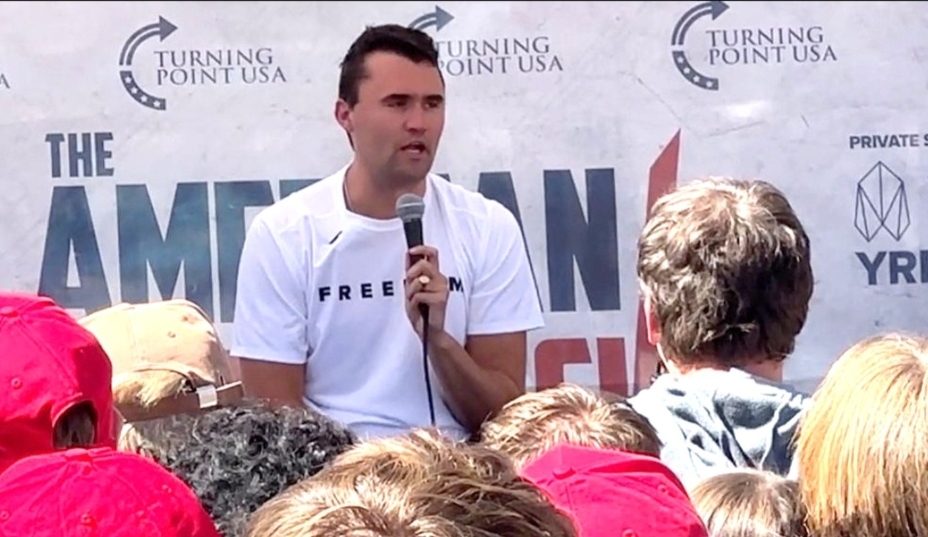
Campuses should be crucibles of ideas, where diverse perspectives clash and refine through reason and debate. Yet, recent years have seen universities become battlegrounds—not just of ideas, but of ideologies, sometimes erupting into conflict and censorship. The phrase “Blood on Campus” evokes this troubling reality: physical and rhetorical violence, from protests shutting down speakers to, tragically, events like the assassination of Charlie Kirk in September 2025 at a Utah university. This blog explores how we can move toward “Good on Campus” by fostering basic public rationality—a commitment to reason, evidence, and open dialogue over dogma and division. Inspired by Kirk’s advocacy for free speech and the #FreeThinker_CharlieKirk campaign, we’ll outline principles to transform campuses into spaces of constructive discourse.
The Problem: Blood on Campus
The phrase “Blood on Campus” captures the escalating tensions in academic spaces. Charlie Kirk, founder of Turning Point USA, was a polarizing figure whose campus tours sparked both fervent support and fierce opposition. His assassination by a 20-year-old radical anti-fascist, who viewed him as a “Nazi” spreading hate, underscores the stakes. The killer’s act—engraving anti-Nazi messages on bullets—reflects a dangerous mindset where ideological opponents are dehumanized. This wasn’t an isolated incident. Campuses have seen:
- Censorship and Deplatforming: Speakers like Kirk faced protests, cancellations, or bans, often justified as protecting “safety” but stifling debate.
- Polarization: Students and faculty increasingly align with rigid ideological camps, viewing dissent as betrayal.
- Violence: From physical clashes at protests to Kirk’s murder, extreme rhetoric has fueled real-world consequences.
Kirk himself contributed to this divide, with provocative statements like claiming Democrats “cannot be Christians” or advocating arming teachers. Yet, he also championed free speech and economic solutions to curb radicalism, showing a complex legacy. The problem isn’t just one side—it’s a broader failure of rationality, where emotion and tribalism trump evidence and dialogue.
The Goal: Good on Campus
“Good on Campus” envisions universities as places where ideas are tested through reason, not silenced by force. It means:
- Open Dialogue: All views, from conservative to progressive, are heard and debated without fear of censorship or violence.
- Evidence-Based Discourse: Arguments are grounded in facts, not feelings or dogma.
- Mutual Respect: Opponents are seen as fellow seekers of truth, not enemies.
This vision aligns with Kirk’s push for academic freedom, as seen in the #FreeThinker_CharlieKirk campaign, which calls for campuses to be battlegrounds for ideas, not ideologies.
Principles of Basic Public Rationality
To achieve “Good on Campus,” we propose basic public rationality—a framework for discourse rooted in reason and openness. Here are five key principles:
1. Commit to Truth-Seeking
Rationality begins with a shared goal: uncovering truth through evidence, not defending preconceived beliefs. This means:
- Verify Claims: Check sources, like Kirk’s critiques of “wokeism” or his opponents’ accusations of extremism, against data.
- Admit Errors: If evidence contradicts your stance, adjust. Kirk’s pragmatic foreign policy views (e.g., rejecting extreme interventionism) showed willingness to evolve.
- Avoid Absolutes: Blanket statements like “all leftists are Marxists” or “all conservatives are fascists” oversimplify and distort.
Example: When debating Kirk’s claim that economic despair fuels radicalism, cite studies (e.g., economic inequality correlating with political extremism) rather than dismissing or uncritically accepting it.
2. Embrace Open Dialogue
Free speech is the bedrock of rationality. Campuses must allow all voices, even those deemed offensive, to be heard. Kirk’s campus events, though controversial, sparked debates that exposed students to diverse ideas. To foster dialogue:
- Host Diverse Speakers: Invite conservatives, liberals, and independents to discuss contentious issues like free speech or cultural values.
- Protect Events: Universities should ensure safety without canceling talks, as seen in repeated deplatforming attempts against Kirk.
- Model Debate: Teach students to engage respectfully, as Kirk did in some debates, even when his rhetoric was sharp.
Example: Organize a “Free Thought Forum” inspired by #FreeThinker_CharlieKirk, where students debate topics like campus speech codes with ground rules for civility.
3. Reject Tribalism
Tribalism—blind loyalty to a group—fuels division. Kirk’s “us vs. them” rhetoric (e.g., “radical left thugs”) and his critics’ labels (e.g., “extremist”) both fed this cycle. To break it:
- Focus on Ideas, Not Identities: Critique Kirk’s arguments (e.g., on Christian nationalism) without attacking his character or supporters.
- Find Common Ground: Both sides often value fairness—use this to bridge gaps.
- Avoid Gatekeeping: Kirk’s claim that Democrats can’t be Christians alienated potential allies. Rationality welcomes all who engage in good faith.
Example: Instead of labeling opponents, discuss specific policies—like Kirk’s support for arming teachers—using data on school safety outcomes.
4. Prioritize Evidence Over Emotion
Emotional appeals, while powerful, can cloud judgment. Kirk’s warnings of a “spiritual battle” against Marxism stirred fear, while his killer’s anti-Nazi fervor drove violence. Rationality requires:
- Data-Driven Arguments: Use statistics, like campus crime rates or free speech violation reports from FIRE, to ground debates.
- Question Narratives: Challenge emotional claims (e.g., “campuses are warzones”) with evidence of broader trends.
- Balance Passion and Reason: Kirk’s charisma mobilized supporters, but his best arguments (e.g., on economic deradicalization) cited root causes.
Example: When debating Kirk’s gun rights stance, compare school shooting statistics with armed teacher outcomes, not just emotional appeals to safety or freedom.
5. Promote Constructive Solutions
Rationality isn’t just critique—it’s about solutions. Kirk’s focus on prosperity to curb radicalism was a step toward this. To build “Good on Campus”:
- Adopt Free Speech Policies: Universities should embrace frameworks like the Chicago Principles, which Kirk supported, to protect expression.
- Educate on Rationality: Offer workshops on critical thinking and debate skills.
- Heal Divisions: Create spaces for students to share personal stories, humanizing opponents.
Example: Launch a campus campaign with #FreeThinker_CharlieKirk, distributing posters saying, “Silence of the Lamps? Let Free Thought Shine!” to rally support for open discourse.
Challenges and Counterarguments
- Challenge: Polarization: Kirk’s critics argue he fueled division with provocative rhetoric. Supporters counter that he exposed real threats to free speech. Response: Acknowledge both sides—Kirk’s style was sharp but reflected real campus tensions. Focus on de-escalating through dialogue.
- Challenge: Safety Concerns: Some claim open discourse invites “harmful” ideas. Response: Safety is crucial, but censorship often backfires, radicalizing groups. Protect speech with security, not bans.
- Challenge: Kirk’s Legacy: His extreme views (e.g., on abortion) make him a flawed symbol. Response: Use his broader free speech advocacy, not every stance, as inspiration.
Call to Action
The journey from “Blood on Campus” to “Good on Campus” starts with us—students, faculty, and citizens. Join the #FreeThinker_CharlieKirk campaign to:
- Share Stories: Post on X about experiences of censorship or constructive debates using #FreeThinker_CharlieKirk.
- Organize Events: Host campus forums to model rational discourse.
- Advocate: Petition universities for free speech policies.
Let’s end the “Silence of the Lamps” and light up campuses with reason, dialogue, and truth. As Kirk said, radicalism fades with prosperity and stability—let’s build that through rationality.
Conclusion
Charlie Kirk’s life and death highlight the stakes of campus discourse. His assassination was a tragic symptom of the “Blood on Campus” problem—a failure of rationality and dialogue. By embracing basic public rationality, we can honor his free speech legacy while moving beyond division. “Good on Campus” isn’t a dream—it’s a choice to prioritize truth, openness, and solutions. Let’s make it happen.
*#Sundays4Sciences* by Rational_Indians..
ESPians Motto: *Love For Science, Live By Science, Lead With Science.* Inquire, Insighte & Inspire
*ESP. Place: SciTech_Mitras_Grp:*
Citizens-Mission 2 Scientify Communities for a Rational_India /2030:
“National Sciencers Mission_India.”
All-India Sciencers Community(AISC) & *HQ of Global Sundays4Sciences:*
https://chat.whatsapp.com/DCQ5If3f8FuDy3JVJaBq8L
 GRP_VCare2Dare