Intro to SAD Women’s Suicide/Sexual Risk Assessment Tool (WSRAT) for Safety by Prevention.
The SAD Women’s Suicide/Sexual Risk Assessment is a public self-test inspired by the tragic losses of Silk Smitha, Amanda Todd, and Disha Salian-Jiah Khan—women whose stories underscore the unique pressures faced by females, including sexual harassment, cyberbullying, family conflicts, and mental health struggles leading to suicide. “SAD” serves as an acronym honoring them: Silk Smitha (objectification and failed relationships), Amanda Todd (sextortion and online harassment), Disha Salian-Jiah Khan (Love Jihad, family stress, and Institutional-depression).
This tool is designed for adult females to self-evaluate potential suicide risks, with a focus on sexual-related factors, based on established research on women’s suicide risks. It incorporates general female-specific factors like intimate partner violence, sexual abuse, reproductive health issues, and cyberbullying. It also draws from the specific cases: Silk Smitha’s depression from financial woes and relationship failures; Amanda Todd’s torment from sextortion and relentless cyberbullying; and Disha Salian’s alleged depression linked to family financial misuse and personal conflicts.
Important Disclaimer: This is not a diagnostic tool or substitute for professional medical advice. Suicide risk assessments like the Columbia-Suicide Severity Rating Scale (C-SSRS) or Ask Suicide-Screening Questions (ASQ) are validated clinical instruments used by experts. If you’re in crisis, contact emergency services immediately (e.g., 988 Suicide & Crisis Lifeline in the US, or local equivalents like 9152987821 in India). Consult a doctor, therapist, or helpline for personalized support. This self-test aims to raise awareness and encourage prevention by identifying risks early, including those tied to sexual violence.
How to Use the WSRA Self-Test
- Answer the 15 questions honestly based on your experiences in the past month (unless specified otherwise).
- Scoring: Yes = 1 point; No = 0 points.
- Total your score at the end.
- Interpret results and follow recommendations.
Questionnaire
- Mental Distress: Have you felt persistently sad, hopeless, worthless, or depressed? (Common in female suicides, including Silk Smitha’s case.)
- Yes / No
- Anxiety and Health Issues: Do you experience severe anxiety, paranoia, insomnia, or reproductive health concerns (e.g., postpartum depression or hormonal imbalances)? (Linked to higher risks in women.)
- Yes / No
- Substance Use: Do you have a history of alcohol or drug dependence, or increased use recently? (A predictor in women, sometimes tied to coping with trauma.)
- Yes / No
- Relationship Breakdowns: Are you dealing with divorce, separation, or intimate partner conflicts, including emotional harassment? (Evident in Disha Salian’s family stresses.)
- Yes / No
- Intimate Partner Violence: Have you experienced physical, emotional, or sexual violence from a partner? (A major risk factor for suicide in women.)
- Yes / No
- Sexual Abuse or Assault: Have you been a victim of sexual abuse, assault, or exploitation (e.g., non-consensual sharing of images)? (Central to Amanda Todd’s tragedy and a key sexual risk linked to suicide.)
- Yes / No
- Cyberbullying or Sextortion: Have you faced online harassment, bullying, or extortion involving sexual content? (Directly contributed to Amanda Todd’s distress.)
- Yes / No
- Professional/Financial Stress: Are you facing job loss, financial debt, or industry pressures (e.g., objectification in entertainment)? (Linked to Silk Smitha’s financial burdens.)
- Yes / No
- Isolation: Do you feel socially isolated, lacking support from friends, family, or community? (Exacerbates risks in women.)
- Yes / No
- History of Childhood Trauma: Have you experienced childhood abuse, bullying, or adverse events? (Increases suicide risk significantly in women.)
- Yes / No
- Family History: Is there a family history of suicide, mental health disorders, or intergenerational trauma? (Includes issues like those in Disha Salian’s case.)
- Yes / No
- Access to Means: Do you have easy access to lethal means, such as pills, firearms, or other methods? (Heightens immediate risk.)
- Yes / No
- Discrimination and Objectification: Have you experienced gender-based discrimination, sexual objectification, or societal pressures? (Contributed to Silk Smitha’s struggles in the industry.)
- Yes / No
- Reproductive or Hormonal Stress: Are you dealing with issues like infertility, miscarriage, menopause, or postpartum challenges? (Unique risks for women.)
- Yes / No
- Suicidal Thoughts or Attempts: Have you had thoughts of suicide, made plans, or attempted suicide in the past? (Critical warning sign; answer “yes” if any apply.)
- Yes / No
Scoring and Interpretation
Add up your “Yes” answers for a total score out of 15. Score Range Risk Level Explanation and Recommendations
0-4 Low Risk: Few indicators present. Maintain healthy habits like exercise, social connections, and self-care. Monitor changes and seek routine mental health check-ups if needed.
5-9 Moderate Risk: Several factors may be building stress. Talk to a trusted friend or professional. Consider therapy, support groups (e.g., for survivors of sexual violence or women’s mental health), or helplines. Address specific issues like relationships or online safety proactively.
10-15 High Risk: Multiple serious risks; immediate action is crucial. Contact a crisis hotline now (e.g., 112 or 14416 TeleMANAS India, 988 in the US, RAINN at 800-656-4673 for sexual assault, or AASRA at 91-22-27546669 in India). See a mental health professional urgently. Remove access to lethal means and build a safety plan.
Prevention Tips Inspired by SAD
- Seek Help Without Stigma: Women often face barriers to reporting sexual risks or mental health issues; use anonymous resources like hotlines or apps for support.
- Build Support Networks: Combat isolation by joining communities for survivors of abuse (like Amanda’s legacy) or women’s groups addressing objectification.
- Address Root Causes: For sexual risks (Amanda’s sextortion), learn digital safety and report cybercrimes. For family/financial issues (Disha’s story), seek legal aid. For industry pressures (Silk’s case), advocate for better protections.
- Protective Factors: Foster resilience through self-defense training, therapy for trauma, financial planning, and strong relationships. If facing sexual violence, document incidents and seek immediate help.
- Spread Awareness: Share this tool publicly to honor these lives and prevent future tragedies.
If your score concerns you, act today—help is available, and recovery is possible.
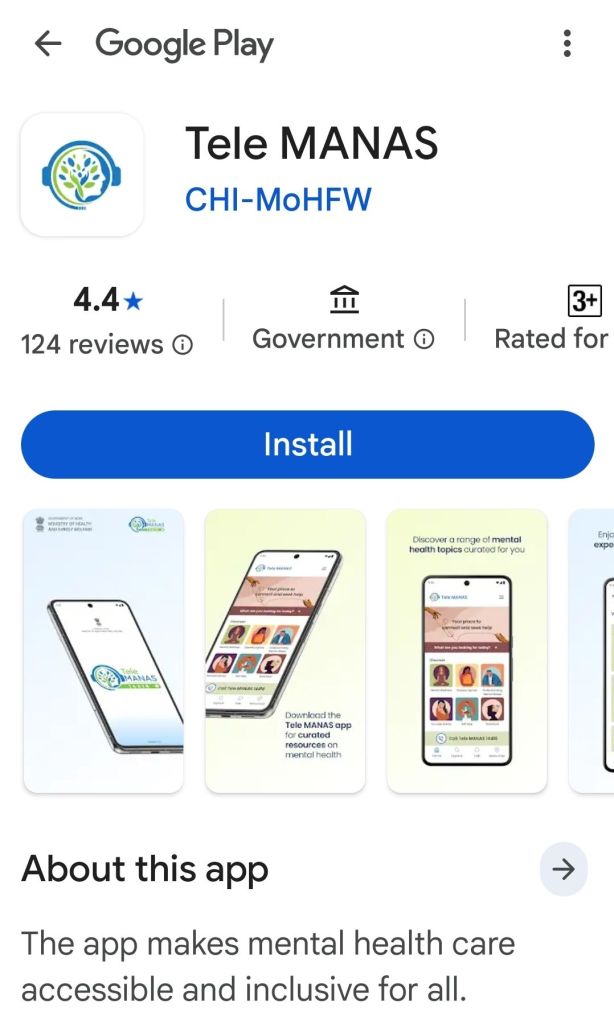
Check out “Tele MANAS”
https://play.google.com/store/apps/details?id=org.telemanas.citizen
 GRP_VCare2Dare