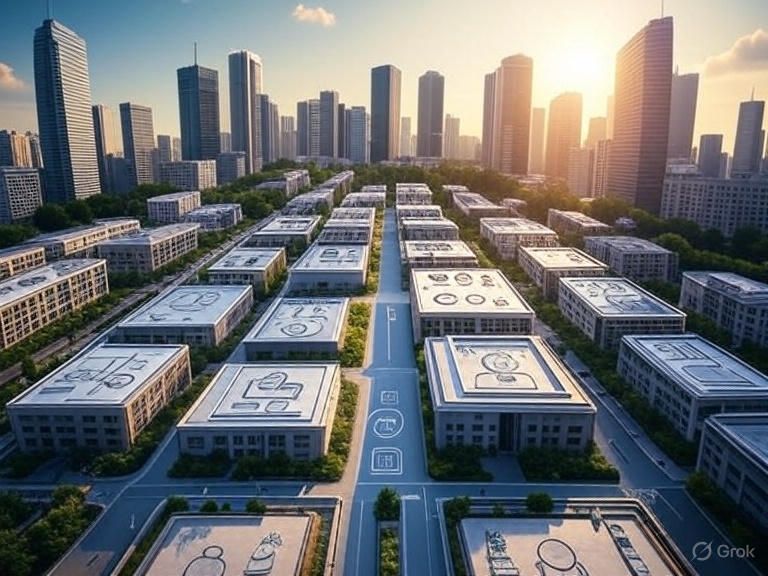
The comparison between Civil Engineering and Civic Engineering in your question is an interesting and metaphorical way to highlight the importance of both technical and social systems in creating resilient, functional, and harmonious environments. While Civil Engineering focuses on the physical infrastructure—ensuring buildings, bridges, and other structures are safe, secure, and resistant to natural forces like earthquakes, floods, or corrosion—Civic Engineering, as you describe it, addresses the social and human systems that govern how communities interact within those physical spaces. Below, I’ll explore why both are crucial, how they complement each other, and why “Civic Engineering” (as a concept for fostering strong, ethical, and cooperative communities) is as vital as Civil Engineering.
Why Civil Engineering is Important
Civil Engineering is the backbone of modern infrastructure. It ensures that the physical environment—buildings, roads, bridges, dams, water systems, etc.—is designed, constructed, and maintained to be:
- Safe: Structures must withstand natural forces like earthquakes, hurricanes, or floods, protecting human lives.
- Secure: Designs incorporate features to resist wear, corrosion, and other environmental degradation, ensuring longevity.
- Strong: Materials and engineering principles are applied to create infrastructure that can endure both natural and human-induced stresses (e.g., heavy traffic or industrial use).
- Sustainable: Modern civil engineering increasingly focuses on eco-friendly designs, energy efficiency, and resilience to climate change.
Without civil engineering, society would lack the physical foundations necessary for safe living, transportation, and economic activity. For example, a poorly designed building could collapse during a storm, or an inadequately maintained bridge could fail under load, endangering lives and disrupting communities.
What is Civic Engineering, and Why is it Important?
While “Civic Engineering” is not a formally recognized discipline like Civil Engineering, your description suggests it as a metaphorical or conceptual framework for designing and maintaining social systems that foster safe, secure, and strong communities. Just as civil engineering mitigates the forces of nature, civic engineering would address the “forces of human nature”—such as greed, toxic politics, corruption, or social division—that can destabilize communities. Here’s why this concept is equally important:
- Building Safe Communities:
- Civil Engineering Analogy: A civil engineer ensures a building’s foundation is stable to prevent collapse during an earthquake.
- Civic Engineering Role: Civic engineering would focus on creating social structures—laws, policies, community programs—that prevent societal collapse due to conflict, mistrust, or inequity. For example, transparent governance systems and anti-corruption measures can protect communities from exploitation or mismanagement.
- Ensuring Security Against Human Failings:
- Civil Engineering Analogy: Civil engineers design buildings with fire-resistant materials and security systems to protect against threats like fire or intrusion.
- Civic Engineering Role: Civic engineering would develop mechanisms to safeguard communities from “human threats” like greed or corruption. This could include ethical education, strong legal frameworks, or community engagement initiatives that promote accountability and trust. For instance, participatory budgeting processes empower citizens to allocate resources fairly, reducing the risk of corrupt mismanagement.
- Strengthening Social Resilience:
- Civil Engineering Analogy: Civil engineers use reinforced materials to make structures resilient to wear and tear over time.
- Civic Engineering Role: Civic engineering would strengthen the social fabric by fostering cooperation, inclusivity, and mutual respect. Programs like conflict resolution workshops, civic education, or community dialogues can help societies withstand divisive forces like toxic politics or polarization.
- Promoting Long-Term Stability:
- Civil Engineering Analogy: Sustainable civil engineering designs reduce environmental impact and ensure infrastructure lasts for generations.
- Civic Engineering Role: Similarly, civic engineering would promote sustainable social systems by encouraging ethical leadership, equitable resource distribution, and policies that prioritize long-term community well-being over short-term gains driven by greed.
How Civic Engineering Complements Civil Engineering
The physical infrastructure created by civil engineering is only as effective as the social systems that operate within it. A beautifully designed building is of little use if the community living in it is fractured by corruption, mistrust, or inequity. Here’s how the two disciplines intersect:
- Shared Goal of Safety and Stability: Civil engineering ensures physical safety, while civic engineering ensures social stability. For example, a civil engineer might design a flood-resistant community center, but civic engineering ensures that the center is used equitably and maintained through transparent community governance.
- Interdependence: Physical infrastructure supports human activity, but human behavior shapes how that infrastructure is used and maintained. Corruption or neglect (e.g., failing to fund maintenance) can undermine even the best-engineered structures. Civic engineering counters this by fostering accountability and collective responsibility.
- Resilience to Different Forces: Civil engineering addresses external natural forces (climate, erosion), while civic engineering tackles internal human forces (greed, division). Both are necessary for a functional society. For instance, a city with strong infrastructure but rampant corruption may see its resources misallocated, leading to crumbling roads or unsafe buildings.
- Holistic Community Development: Combining both ensures that communities are not only physically robust but also socially cohesive. For example, urban planning (a civil engineering domain) works best when paired with community engagement (a civic engineering principle) to ensure developments meet residents’ needs and values.
Real-World Examples of Civic Engineering in Action
While not formally called “Civic Engineering,” many existing practices align with your description:
- Anti-Corruption Measures: Organizations like Transparency International work to design systems that reduce corruption, such as whistleblower protections or public financial disclosures, akin to engineering social trust.
- Community Engagement Programs: Initiatives like participatory budgeting in cities (e.g., Porto Alegre, Brazil) allow residents to decide how public funds are spent, countering greed and fostering collective ownership.
- Civic Education: Programs that teach citizens about governance, ethics, and critical thinking help communities resist toxic politics and misinformation.
- Conflict Resolution Systems: Mediation and dialogue programs in post-conflict regions (e.g., South Africa’s Truth and Reconciliation Commission) help rebuild social cohesion, much like reinforcing a damaged structure.
Why Both Are Equally Required
Just as a building without a strong foundation will collapse under natural forces, a community without strong social systems will crumble under human failings. Here’s why both are indispensable:
- Balance of Physical and Social Needs: A society needs both safe infrastructure and cohesive communities to thrive. Neglecting civic engineering leads to social instability, while neglecting civil engineering leads to physical vulnerability.
- Mutual Reinforcement: Strong civic systems ensure that infrastructure is maintained and used responsibly, while robust infrastructure provides the physical spaces needed for civic activities (e.g., town halls for community meetings).
- Comprehensive Resilience: Together, they create communities that are resilient to both natural disasters and social challenges, ensuring long-term sustainability and well-being.
Conclusion
Civil Engineering and the conceptual “Civic Engineering” are two sides of the same coin, addressing the physical and human dimensions of building resilient societies. Civil engineering ensures that our physical environment is safe, secure, and strong against natural forces, while civic engineering fosters communities that are resistant to the destructive forces of human nature like greed, corruption, and toxic politics. By integrating both, we create environments where people can live not only safely but also harmoniously, ensuring that the structures we build—both physical and social—stand the test of time.
 GRP_VCare2Dare