Need for Deeds Regarding Indian Womens Safety.
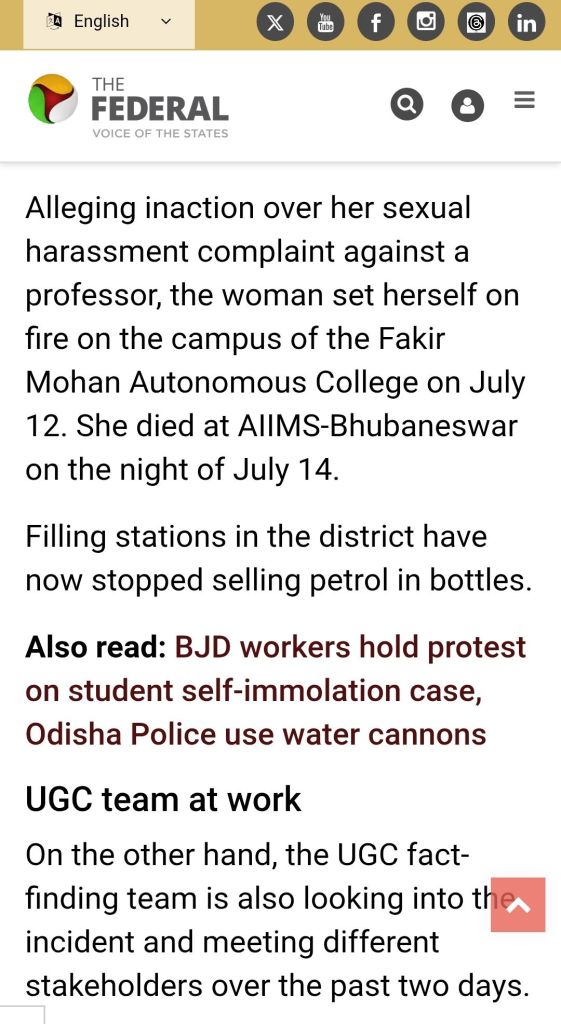
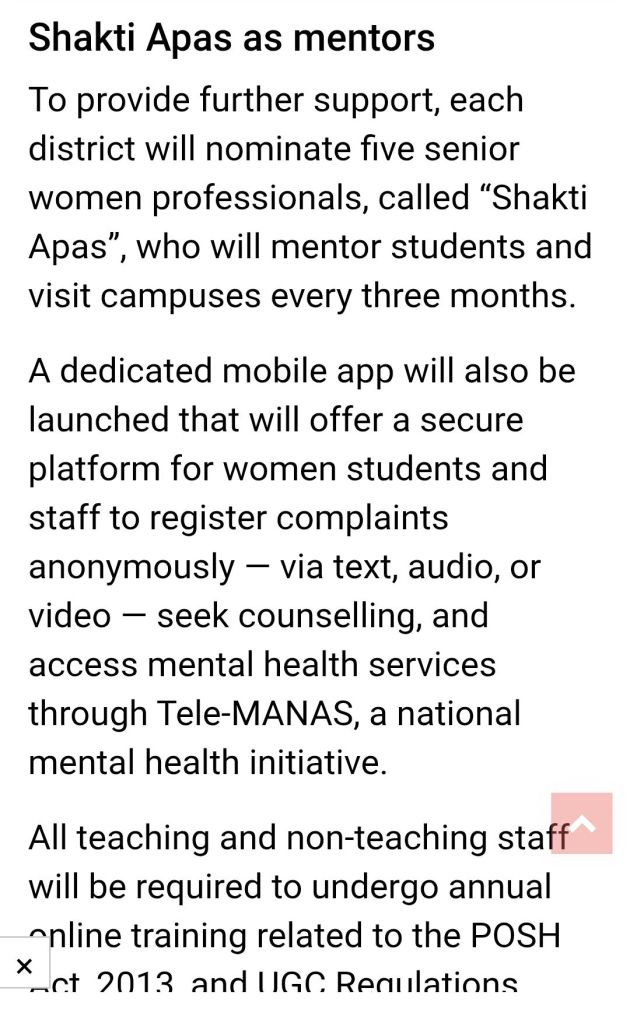
Demands For Women’s Safety in India
- Thou Shalt Empower Women Through Education and Awareness
Educate women and girls on their legal rights and how to recognize grooming tactics, including those disguised as romantic relationships (“Love Jihad”) or coercive violence (“Rape Jihad”). NGOs like Guria and My Choices Foundation can lead community programs to counter these threats and promote reporting. - Thou Shalt Criminalize Religious and Ideological Justifications for Violence
Prevent the use of religious or ideological narratives and fundings, including those associated with “Love & Rape Jihad,” to justify and perpetuate abuse of Indian women & families. These terms describe alleged organized grooming, akin to UK grooming gangs, involving seduction or coercion for conversion or exploitation. Religious institutions must be accountable for concealing such abuses, with mandatory reporting enforced. - Thou Shalt Enforce Strict Legal Accountability for All Forms of Abuse
Implement laws like the Protection of Women from Domestic Violence Act (2005), Criminal Law (Amendment) Act (2018), and POCSO Act (2012) rigorously to address rape, grooming, and religious abuse. Fast-track courts and gender-sensitive training for police and judiciary are essential to improve conviction rates for genuine cases. - Thou Shalt Create Safe Public and Religious Spaces
Enhance safety in public and religious sites like Dharmasthala with CCTV, well-lit areas, and women-only transport. Apps like Nirbhaya and SHE Teams should be deployed to prevent sexual violence and grooming, addressing vulnerabilities in pilgrimage sites. - Thou Shalt Dismantle Patriarchal and Caste-Based Norms
Challenge norms perpetuating gender and caste discrimination, which enable abuses like “Love Jihad” targeting vulnerable women (e.g., reported rapes against Dalit and Adivasi women). Gender sensitization in schools and religious institutions must reject victim-blaming and promote equality. - Thou Shalt Strengthen Anti-Trafficking and Anti-Grooming Measures
Combat grooming gangs and trafficking, including patterns labeled as “Love & Rape Jihad,” through enhanced police training and initiatives like the Ujjawala Scheme. Drawing from UK cases, where grooming gangs exploited cultural vulnerabilities, India must train law enforcement to disrupt such networks, with religious leaders mandated to report suspicions. - Thou Shalt Provide Comprehensive Support for Survivors
Expand One-Stop Centres (OSCs) to offer medical, legal, and psychological support for survivors of grooming, rape, and religious abuse. The Nirbhaya Fund must be fully utilized to support rehabilitation, inspired by NGOs like PCVC, ensuring survivors regain autonomy. - Thou Shalt Promote Community-Driven Accountability
Foster community vigilance through local networks and NGOs like ActionAid to identify and prevent grooming and abuse. Religious and community leaders must collaborate with initiatives like Mission Shakti to promote a culture of respect and accountability. - Thou Shalt Prevent False Allegations Through Legal Safeguards
Introduce stringent penalties for false rape and abuse allegations to deter misuse, while protecting genuine victims. Courts must verify evidence thoroughly, using forensic and digital analysis to distinguish valid cases from fabricated ones, ensuring fairness in the legal system. - Thou Shalt Foster Technological and Social Innovation
Use AI-driven crime mapping, SOS apps, and community campaigns like #CallItOut to empower women and deter grooming and false allegations. Religious and community leaders must work with government programs to create a safer, more equitable society.
 GRP_VCare2Dare