“Help 6 Lives” (2 Grandparents (60-80), 2 Parents (30-50), 2 Children(0-20).
6 Lives = Professional, Social, Political, Eco-Communal, Familo_Marital & Personal.
We Create Constructive Eco-Systems with families of love or Corruptive Ego-systems with familes of hate.
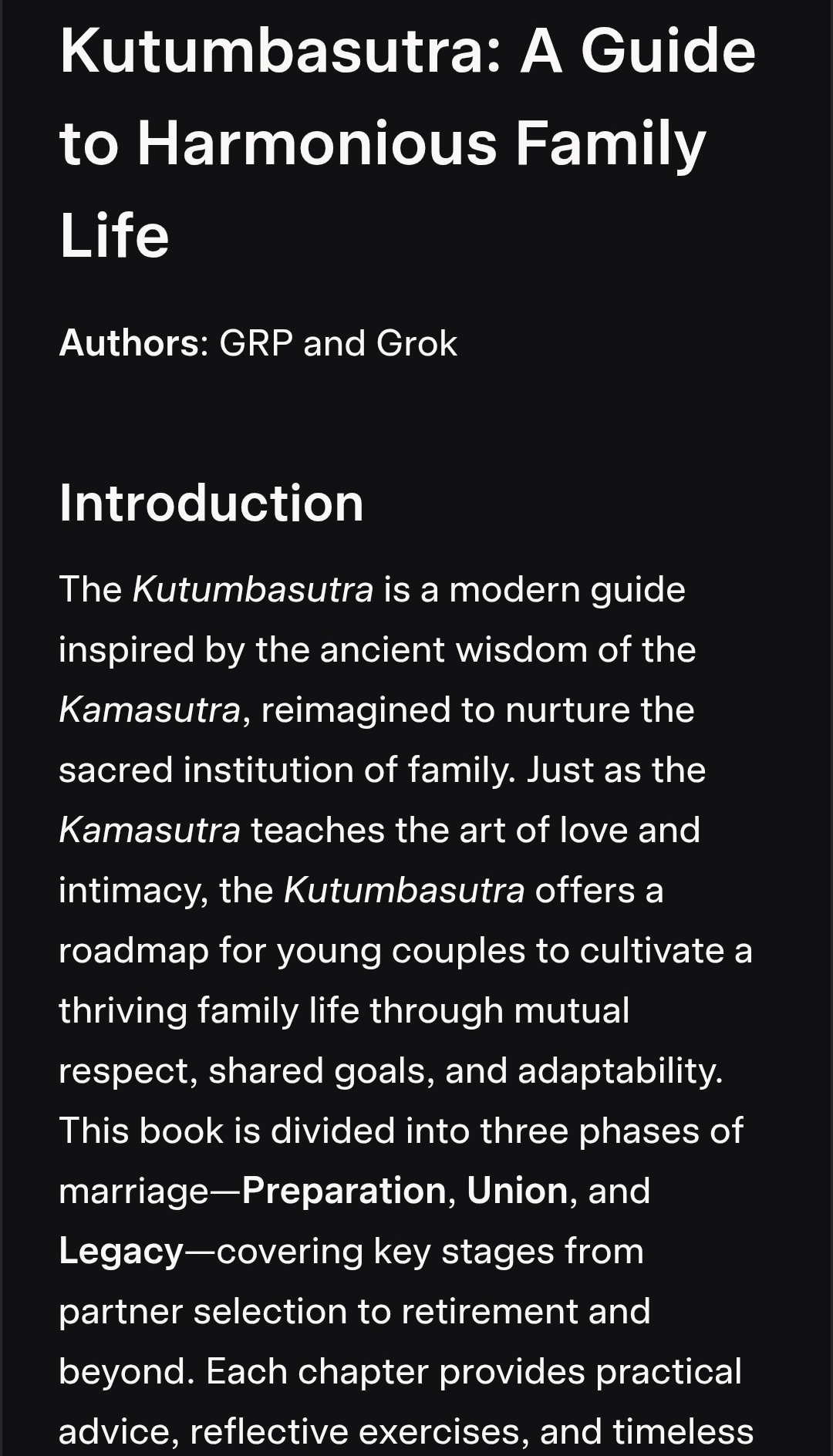
Kutumbasutra: A Guide to Harmonious Family Life
Authors: GRP and Grok
Introduction.
Love-Constructions is the Language of Induus from Vatsayana & Bhojraja,
Love-Conversions the Language of Anti-Induus/Colonial-Expansionists from times of Alsexander (Greek-Narc 300BC) to Asim Munir (Pak-Narc 2025)..
The Kutumbasutra is a modern guide inspired by the ancient wisdom of the Kamasutra, reimagined to nurture the sacred institution of family.
Just as the Kamasutra teaches the art of love and intimacy, the Kutumbasutra offers a roadmap for young couples to cultivate a thriving family life through mutual respect, shared goals, and adaptability. This book is divided into three phases of marriage—Preparation, Union, and Legacy—covering key stages from partner selection to retirement and beyond. Each chapter provides practical advice, reflective exercises, and timeless principles to help couples build a resilient and joyful family.
Phase I: Preparation
Chapter 1: Pre-Marital Selection – Choosing the Foundation
Principle: A strong family begins with a mindful choice of partner, rooted in shared values, mutual respect, and complementary strengths.
- Compatibility Assessment: Discuss core values (e.g., spirituality, family traditions), life goals (e.g., ambition, work-life balance), and lifestyle preferences (e.g., financial habits, health).
- Communication Skills: Practice active listening and honest expression to understand each other’s expectations.
- Red Flags: Identify deal-breakers (e.g., differing views on children, infidelity tolerance, or family involvement).
- Exercise: Create a “Family Vision Statement” together, outlining your shared dreams for your future family life.
- Cultural Note: In diverse cultural contexts, consider family expectations (e.g., joint vs. nuclear family setups) and interfaith dynamics.
Example: Priya and Arjun, a couple in their late 20s, used a series of guided conversations to align on their desire for a nuclear family with strong ties to extended relatives, ensuring clarity before engagement.
Chapter 2: Pre-Wedding – Building the Bridge
Principle: The pre-wedding phase is a time to strengthen bonds and prepare for shared responsibilities.
- Joint Planning: Collaborate on wedding logistics to practice teamwork and compromise.
- Financial Alignment: Discuss budgeting, savings, and debt management to avoid future conflicts.
- Family Integration: Engage with each other’s families to build trust and respect, navigating cultural or generational differences.
- Premarital Counseling: Consider professional guidance to address potential challenges (e.g., communication styles, conflict resolution).
- Exercise: Write a letter to your future spouse, expressing your hopes and commitments for your family life.
Example: Anika and Vikram attended a premarital workshop, where they learned to resolve disagreements calmly, setting a strong precedent for their marriage.
Phase II: Union
Chapter 3: Wedding – Celebrating the Covenant
Principle: The wedding is a sacred ritual that unites not just two individuals but two families and their legacies.
- Mindful Participation: Focus on the emotional and spiritual significance of the ceremony, beyond material aspects.
- Role Clarity: Discuss expectations for roles (e.g., homemaker, breadwinner, or egalitarian) post-wedding.
- Community Involvement: Involve family and friends to foster a support network for your new life.
- Exercise: Create a “Wedding Vow Reflection” journal, revisiting your vows annually to stay connected to your promises.
Example: Meera and Rohan incorporated rituals from both their cultural backgrounds, symbolizing unity and earning mutual respect from their families.
Chapter 4: Honeymooning – Igniting the Spark
Principle: The honeymoon is a time to deepen intimacy and lay the groundwork for lifelong companionship.
- Quality Time: Prioritize uninterrupted time to connect emotionally and physically.
- Intimacy Building: Explore each other’s love languages (e.g., words of affirmation, physical touch) to strengthen your bond.
- Setting Boundaries: Discuss privacy needs and family involvement to protect your new union.
- Exercise: Plan a “Honeymoon Ritual” (e.g., a daily gratitude exchange) to carry forward into married life.
Example: Tara and Sameer used their honeymoon to discuss their dreams for their first home, aligning their priorities early.
Chapter 5: Reality/Culture-Shock – Facing the Truth
Principle: Early marriage often brings unexpected challenges as idealism meets reality.
- Managing Expectations: Accept that adjustments (e.g., household chores, in-law dynamics) are normal.
- Conflict Resolution: Use “I” statements (e.g., “I feel overwhelmed when…”) to address issues without blame.
- Cultural Adaptation: Navigate differences in upbringing or traditions with patience and curiosity.
- Exercise: Hold a weekly “Check-In” meeting to discuss what’s working and what needs adjustment.
Example: Priyanka and Aditya faced tension over household roles but resolved it by creating a shared chore chart, fostering fairness.
Chapter 6: Adapting – Growing Together
Principle: Adaptation is the art of evolving as a couple while maintaining individual identities.
- Shared Goals: Set short-term (e.g., saving for a home) and long-term (e.g., travel plans) goals together.
- Personal Growth: Support each other’s hobbies and ambitions to prevent resentment.
- Intimacy Maintenance: Schedule regular date nights to keep romance alive amidst routines.
- Exercise: Create a “Couple’s Bucket List” to inspire shared adventures.
Example: Neha and Karan took up salsa dancing, which rekindled their connection during a stressful work phase.
Phase III: Legacy
Chapter 7: Child-Bearing – Welcoming New Life
Principle: Parenthood is a transformative journey that requires preparation and partnership.
- Readiness Check: Discuss emotional, financial, and logistical readiness for children.
- Health Planning: Prioritize physical and mental well-being for both partners before conception.
- Role Sharing: Agree on parenting responsibilities to avoid imbalances.
- Exercise: Write a “Letter to Your Future Child,” reflecting on the values you hope to instill.
Example: Rhea and Dev planned for parenthood by attending a parenting workshop, aligning on discipline styles early.
Chapter 8: Child-Rearing – Nurturing the Future
Principle: Raising children is a shared mission to foster love, resilience, and values.
- Consistent Parenting: Align on rules, rewards, and consequences to provide stability.
- Quality Time: Dedicate individual and family time to strengthen bonds.
- Self-Care: Protect your marriage by carving out couple time amidst parenting demands.
- Exercise: Create a “Family Tradition” (e.g., weekly game night) to build lasting memories.
Example: Aisha and Imran started a bedtime storytelling ritual, blending their cultural tales to teach their kids empathy.
Chapter 9: Child Weaning – Letting Go with Love
Principle: As children grow independent, parents must redefine their roles and relationship.
- Emotional Transition: Prepare for empty-nest feelings by rediscovering personal passions.
- Couple Reconnection: Reinvest in your marriage through shared activities or travel.
- Supporting Independence: Guide children toward self-reliance while remaining a supportive presence.
- Exercise: Plan a “Post-Parenting Adventure” (e.g., a long-delayed trip) to mark this new phase.
Example: Sunita and Raj took up gardening together after their son moved out, finding joy in a new shared hobby.
Chapter 10: Settling – Building the Legacy
Principle: The settling phase is about creating a stable, fulfilling family legacy.
- Financial Security: Plan for retirement, healthcare, and inheritance to ensure peace of mind.
- Family Unity: Host gatherings to maintain strong ties with children and grandchildren.
- Community Contribution: Give back through volunteering or mentoring to enrich your legacy.
- Exercise: Create a “Family Legacy Book,” documenting stories, values, and traditions for future generations.
Example: Lakshmi and Sanjay compiled a family recipe book, passing down culinary traditions to their grandchildren.
Chapter 11: Family Succession with Grandchildren – The Circle of Life
Principle: Grandparenting is a chance to impart wisdom while embracing joy.
- Role Definition: Balance involvement with respecting your children’s parenting choices.
- Creating Memories: Spend quality time with grandchildren through storytelling or play.
- Health Maintenance: Stay active to enjoy this phase fully.
- Exercise: Plan a “Grandparent-Grandchild Day” with activities that foster bonding.
Example: Geeta and Anil took their grandchildren on annual nature walks, teaching them about environmental care.
Chapter 12: Retirement and Decoupling – Closing with Grace
Principle: The final phase is about reflection, fulfillment, and preparing for life’s end with dignity.
- Retirement Planning: Embrace new hobbies or part-time work to stay engaged.
- Emotional Intimacy: Reaffirm your bond through shared memories and gratitude.
- End-of-Life Prep: Discuss wills, healthcare directives, and final wishes openly.
- Decoupling Gracefully: If parting (e.g., due to loss), honor the shared journey with love.
- Exercise: Write a “Life Reflection Letter” to each other, celebrating your family’s journey.
Example: Maya and Vivek created a memory scrapbook in retirement, cherishing their 50-year journey before Vivek’s passing.
Conclusion
The Kutumbasutra is a lifelong guide to building a family rooted in love, respect, and resilience. By navigating each phase with intention, couples can create a legacy that endures across generations. Revisit this book at each stage, adapting its principles to your unique journey. May your family life be a tapestry of joy, growth, and unity.
Appendices
- Resources:
- Books:
- The 5 Love Languages by Gary Chapman: https://www.5lovelanguages.com/
- The Seven Principles for Making Marriage Work by John Gottman: https://www.gottman.com/
- Hold Me Tight by Sue Johnson: https://www.dr suejohnson.com/
- Workshops:
- The Gottman Institute Workshops: https://www.gottman.com/couples/workshops/
- Prepare/Enrich Premarital Counseling: https://www.prepare-enrich.com/
- Counselors:
- Find a licensed family therapist via Psychology Today: https://www.psychologytoday.com/
- BetterHelp Online Counseling: https://www.betterhelp.com/
- Worksheets: Templates for Family Vision Statement, Couple’s Bucket List, and Legacy Book.
- Glossary: Key terms (e.g., joint family, love languages) for clarity.
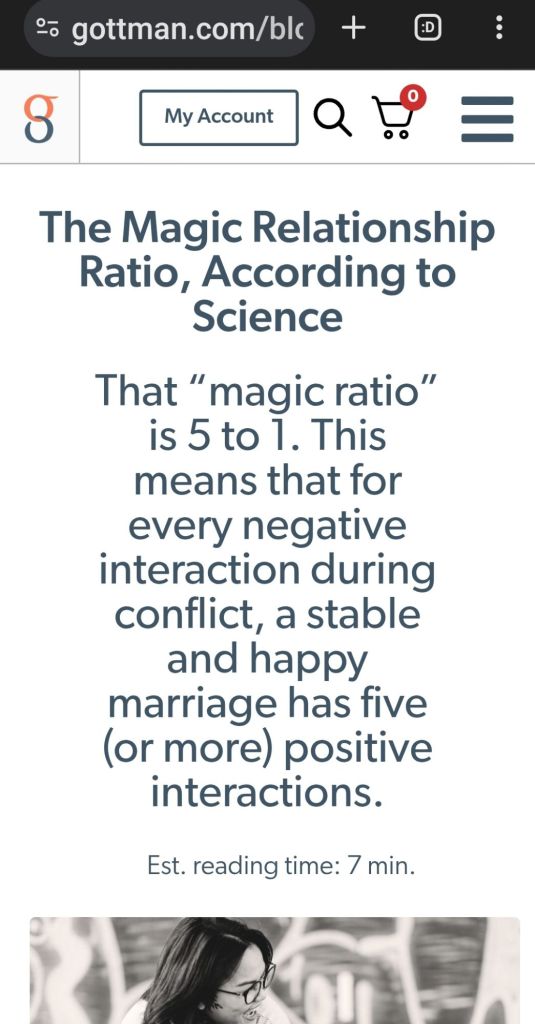
The Magic Relationship Ratio, According to Science
*Art Of Family* AOF-grp *Joy4Indian_Family*
*GrpPurpose* InfoShare4 Familative Awareness on Bonding, Parenting, childhood & Geriatrics *Family Empowerment*
*ResourcesGrp4*: HomeScientists, CaringFamilyMembr, Nurture-Culture,
Grp Ddctd2 Dr.Gs-Famly.
*Vision: Joyful_IndianFamilies*
*Our HomeRules or Group Conduct Code:(GCC)* https://bit.ly/3zMlXJh
We Celebrate International FamilyDay on 15thMay*.
Grp4 Fabulous_🇮🇳Families.
✅Do: Share2 Empower 🇮🇳HappyFAMILys & Communities*
Dedicated community for Home-Sciences, Familial-Arts & Relational-Humanities.
*AoF-grp Kutumba-Mitras 4🇮🇳Bharatiya_FamilyEthics& CulturalValues_2030:*
Self&SocioFamilial-Development InfoPlace:
https://chat.whatsapp.com/HpB9n2RPwBS0J5UMDAMIo8
-aGRPInitiatv: (GroupResources4Ppl)
 GRP_VCare2Dare