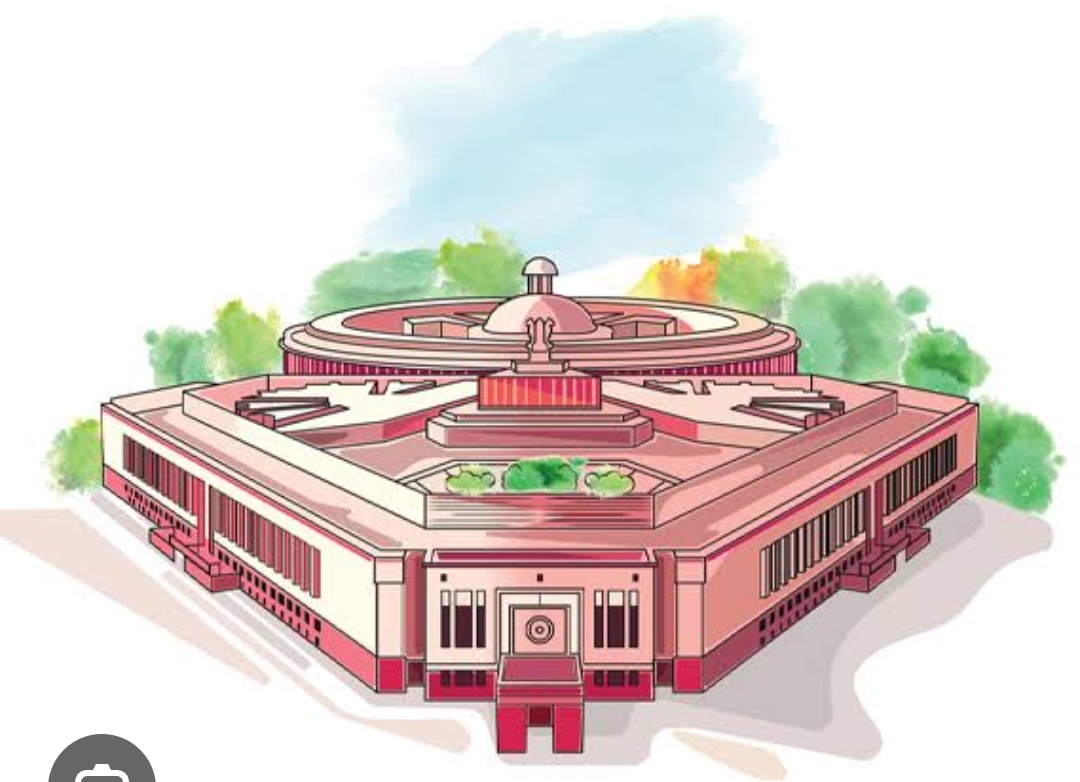
Indian Constitution as a Religious_Philosophy for Better life of Citizens. (Constitutionism).
Opposite of SwarthVidanis or Method of Selfs_ish (NOT Nation-ish)
Becoming a Samvidhani (Constitutionalist), a practitioner of Samvidana Dharma (I.e Constitutionalism) , involves embracing a syncretic spiritual and philosophical path that integrates India’s diverse historical, cultural, and religious evolution into a modern constitutional framework. Samvidana Dharma, as described, is a culmination of India’s multifaceted heritage—from prehistoric times through various religious and cultural periods to the present constitutional era. Below is a guide on how to become a Samvidhani, outlining the principles, practices, and mindset required to embody this unique path.
How to Become a Samvidhani
“Samvidana Dharma” represents the synthesis of India’s rich historical and spiritual evolution, encompassing prehistoric traditions, the Indus Valley Civilization (IVC), Vedic Sanatana Dharma, Buddhist influences under Ashoka, Greek interactions, Mughal Islamic culture, British Christian influences, communistic ideologies, and the modern constitutional framework. Becoming a Samvidhani involves embracing this pluralistic heritage while aligning with the values of India’s Constitution. Below is a step-by-step guide to embody this path.
1. Understand the Historical and Philosophical Foundations
- Study India’s Diverse Heritage: Familiarize yourself with the key periods of India’s evolution:
- Prehistoric AdiDharma and Adivasi Traditions: Learn about the spiritual practices of India’s indigenous communities and their connection to nature and animism.
- Keezhadi and IVC Dharma: Explore the urban sophistication and egalitarian principles of the Indus Valley Civilization and Keezhadi excavations.
- Sanatana Vedic Period: Understand the philosophical depth of the Vedas, Upanishads, and concepts like Dharma, Karma, and Moksha.
- Ashokan Buddhist Period: Study the principles of non-violence (Ahimsa), compassion, and social equity promoted by Emperor Ashoka.
- Greek, Mughal, and British Influences: Recognize the cultural exchanges, including Greek philosophy, Islamic Sufism, and Christian ethics, that shaped India’s pluralistic identity.
- Communistic Ideals: Reflect on the emphasis on equality and collective welfare from India’s brief communistic influences.
- Modern Constitutional Period: Embrace the values of justice, liberty, equality, and fraternity enshrined in the Indian Constitution.
- Action: Read texts like the Rigveda, Buddhist Suttas, Sufi poetry, and the Indian Constitution. Visit museums or archaeological sites like Keezhadi or Dholavira to connect with this heritage.
2. Embrace Syncretism and Pluralism
- Integrate Diverse Beliefs: Samvidana Dharma is inherently inclusive. Practice openness to ideas from all traditions, recognizing their contributions to India’s spiritual and cultural mosaic.
- Reject Exclusivism: Move beyond rigid religious or ideological boundaries. A Samvidhani sees truth as multifaceted, drawing wisdom from all periods of India’s history.
- Action: Participate in interfaith dialogues, attend cultural festivals (e.g., Diwali, Eid, Christmas), and reflect on shared values like compassion and justice.
3. Align with Constitutional Values
- Core Principles: The Indian Constitution is the cornerstone of Samvidana Dharma’s modern phase. Internalize its values:
- Justice: Advocate for social, economic, and political fairness.
- Liberty: Uphold freedom of thought, expression, and belief.
- Equality: Promote equal opportunities regardless of caste, creed, or gender.
- Fraternity: Foster unity and brotherhood among diverse communities.
- Action: Study the Preamble and key articles of the Indian Constitution. Engage in civic activities like voting, community service, or promoting social justice.
4. Practice Mindfulness and Ethical Living
- Incorporate Meditation and Reflection: Draw from Vedic, Buddhist, and Sufi practices to cultivate mindfulness. Meditate daily to connect with your inner self and the universal principles of Dharma.
- Ethical Conduct: Live by Ahimsa (non-violence), Satya (truth), and Karuna (compassion). These principles bridge India’s ancient traditions with modern constitutional ethics.
- Action: Practice daily meditation or yoga. Volunteer for causes that align with equality and non-violence, such as environmental conservation or social welfare.
5. Contribute to Society
- Community Engagement: A Samvidhani is an active participant in society. Work towards uplifting marginalized communities, inspired by Ashoka’s welfare policies and the Constitution’s emphasis on justice.
- Cultural Preservation: Celebrate and preserve India’s diverse heritage through art, literature, or storytelling, reflecting the syncretic spirit of Samvidana Dharma.
- Action: Join or start initiatives that promote education, environmental sustainability, or cultural heritage. Share stories of India’s pluralistic past through blogs or community events.
6. Develop a Personal Practice
- Create a Daily Ritual: Blend practices from various traditions, such as chanting Vedic mantras, practicing Buddhist mindfulness, or reflecting on constitutional values.
- Journaling: Maintain a journal to reflect on how you integrate Samvidana Dharma’s principles into your life.
- Action: Design a morning routine that includes meditation, reading a constitutional article, and setting an intention for ethical action.
7. Educate and Inspire Others
- Share Knowledge: Spread awareness about Samvidana Dharma’s inclusive philosophy. Educate others about India’s syncretic heritage and constitutional values.
- Lead by Example: Demonstrate tolerance, compassion, and civic responsibility in your actions to inspire others to follow this path.
- Action: Organize workshops or discussions on India’s cultural evolution or write articles to promote the ideals of “Samvidana Dharma 1950-2025+..”
Conclusion
Becoming a Samvidhani or Constitutionalist is a journey of embracing India’s diverse spiritual and cultural heritage while living by the principles of the Indian Constitution. It requires continuous learning, ethical living, and active contribution to society. By integrating the wisdom of India’s past with the values of its present, a Samvidhani becomes a beacon of unity, rights, justice, and compassion in a diverse and dynamic world.
 GRP_VCare2Dare