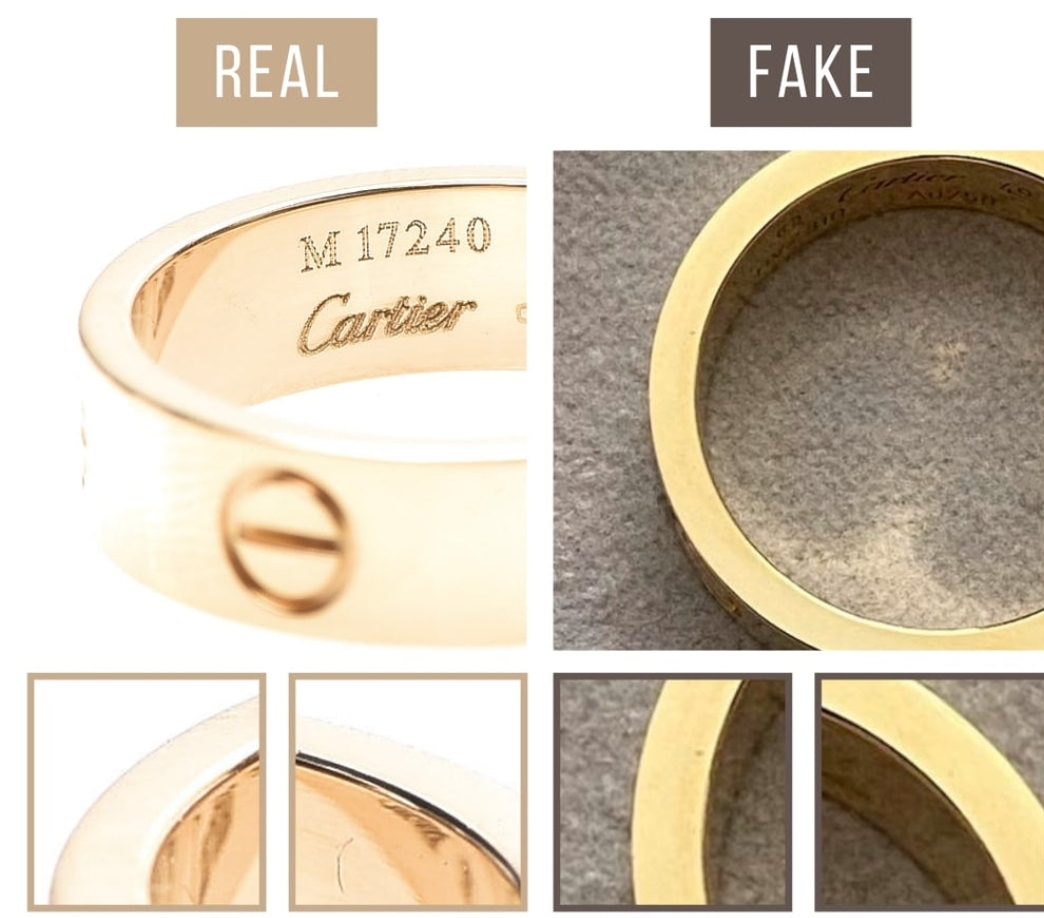
On spotting real vs. fake gold jewelry and identifying genuine vs. fraudulent individuals (e.g., in scams or impersonation).
Spotting Real or Fake Gold Jewelry
Here are reliable methods to determine if gold jewelry is genuine or fake:
- Hallmark Inspection:
- Real Gold: Look for stamps like “10K,” “14K,” “18K,” “22K,” or “24K” (indicating gold purity), or numbers like “750” (18K) or “916” (22K). Reputable jewelry may also have a jeweler’s mark or certification (e.g., BIS hallmark in India).
- Fake Gold: May lack stamps, have blurry or irregular markings, or use fake symbols. Some fakes mimic hallmarks, so further tests are needed.
- Magnet Test:
- Real Gold: Gold is non-magnetic and won’t stick to a magnet. Non-magnetic alloys in gold jewelry may also pass this test.
- Fake Gold: Strong attraction to a magnet suggests base metals like iron or steel. Note that non-magnetic fakes (e.g., copper or aluminum) can pass, so this isn’t conclusive.
- Weight and Density:
- Real Gold: Gold is heavy and dense. Compare the jewelry’s weight to a known gold piece of similar size.
- Fake Gold: Plated or base metal items feel lighter. Jewelers can perform a precise density test using water displacement.
- Acid Test:
- Real Gold: Nitric acid applied to a small scratch shows no reaction for high-purity gold (14K+). Lower karats may show a slight green tint due to alloys.
- Fake Gold: Base metals like copper or brass turn green or dissolve. This test requires professional handling due to acid’s danger.
- Ceramic Scratch Test:
- Real Gold: Rubbing the jewelry on an unglazed ceramic tile leaves a gold streak.
- Fake Gold: A black or green streak indicates a base metal or plating. Use cautiously to avoid damaging the piece.
- Skin Reaction:
- Real Gold: High-purity gold (14K+) is hypoallergenic and rarely causes skin discoloration.
- Fake Gold: Plated or base metals may leave green or black marks on skin due to reactions with sweat.
- Professional Testing:
- Electronic Testing: Jewelers use conductivity testers to verify gold content.
- XRF Testing: X-ray fluorescence provides precise metal composition, available at assay offices.
Tips:
- Buy from trusted jewelers with certifications (e.g., BIS hallmark in India includes purity, jeweler, and assay marks).
- Be wary of overly cheap deals, often indicating gold-plated or gold-filled fakes.
- For valuable items, consult a certified jeweler or assay office.
Spotting Real or Fake Adult Persons (Identifying Genuine vs. Fraudulent Individuals)
This section addresses identifying whether an person is genuine or an impostor, particularly in contexts like scams, impersonation, or fraudulent interactions.
- Verify Identity Documents:
- Genuine: Adults typically have valid IDs (e.g., Aadhaar, passport, driver’s license) with consistent details (name, photo, date of birth).
- Fake: Impostors may present forged IDs, avoid showing documents, or provide IDs with inconsistencies (e.g., mismatched photos, poor print quality, multiple birth dates).
- Behavioral Consistency:
- Genuine: Real Person’s behavior aligns with their claimed identity, such as consistent stories about their background, family, job, or relationships.
- Fake: Fraudsters may slip up with inconsistent details, overly vague answers, or unnatural behavior (e.g., avoiding personal questions or giving rehearsed pre planned responses).
- Communication Patterns:
- Genuine: Communication style matches their claimed background (e.g., professionals use industry-specific terms, locals use regional slang).
- Fake: Impostors may use generic or overly polished language, especially in scams via email or phone. They might push for quick decisions or avoid face-to-face interaction.
- Background Verification:
- Genuine: Details like employment, address, or social connections can be verified through mutual contacts, public records, or social media (e.g., consistent X, FB, Insta profiles).
- Fake: Fraudsters avoid verifiable details or provide stories that don’t check out. Use reverse image searches for profile pictures or cross-check claims with known contacts.
- Scam Red Flags:
- Genuine: Legitimate adults seeking help (e.g., financial or personal) provide clear, verifiable reasons and involve trusted contacts.
- Fake: Scammers often use emotional manipulation (e.g., urgent requests for money, fake emergencies) or pressure for quick action without verification. Common scams include cyber, romance fraud, fake job offers, or impersonating officials.
- Physical and Contextual Cues:
- Genuine: Appearance and context match their story (e.g., a claimed professional looks and acts the part, with verifiable affiliations).
- Fake: Disguises (e.g., wigs, fake uniforms) or inconsistencies (e.g., claiming to be a local but unfamiliar with the area) can reveal impostors.
Tips:
- Test and only then trust. be skeptic first.
- Ask specific, open-ended questions about their background to catch inconsistencies.
- For online interactions, verify identities through video calls or trusted platforms. Reverse-search profile images on X or Google to detect stolen photos.
- Report suspected fraud to authorities (e.g., India’s National Cyber Crime Reporting Portal for online scams).
- Be cautious of unsolicited contacts, especially those requesting money or sensitive information.
Additional Notes
If you meant something specific by “fake adult persons” (e.g., counterfeit products associated with adults, like luxury goods, or a cultural reference), please clarify, and I’ll refine the response. If you’d like, I can search X or the web for recent trends in gold jewelry scams or adult impersonation fraud for more context. Let me know!
 GRP_VCare2Dare