WE can see INDIA (Eldest Sister), Nepal, Bhutan, Thailand, and Sri Lanka as the “Pancha Pandavas” (inspired by the five heroic brothers from the Mahabharata) fighting a metaphorical “modern Mahabharata war” against 100+ “Kauravas,” representing globalistic, expansionist nations (e.g., the US, Russia, and others). Here Karnas close friends ally maybe Israel, Japan, Australia, Germany, Afghanistan or South Korea. They also hold similar legacy of Colonialization Civilizational Targeting.
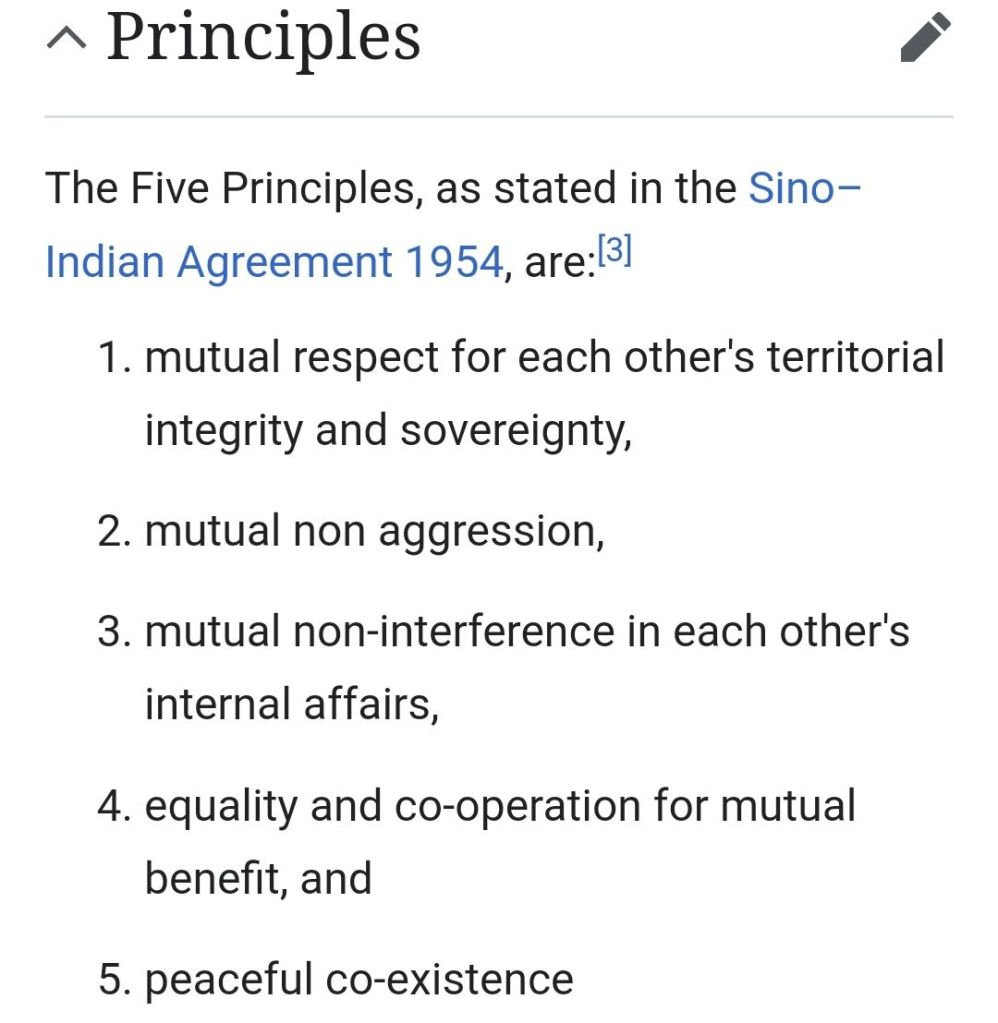
https://en.m.wikipedia.org/wiki/Five_Principles_of_Peaceful_Coexistence
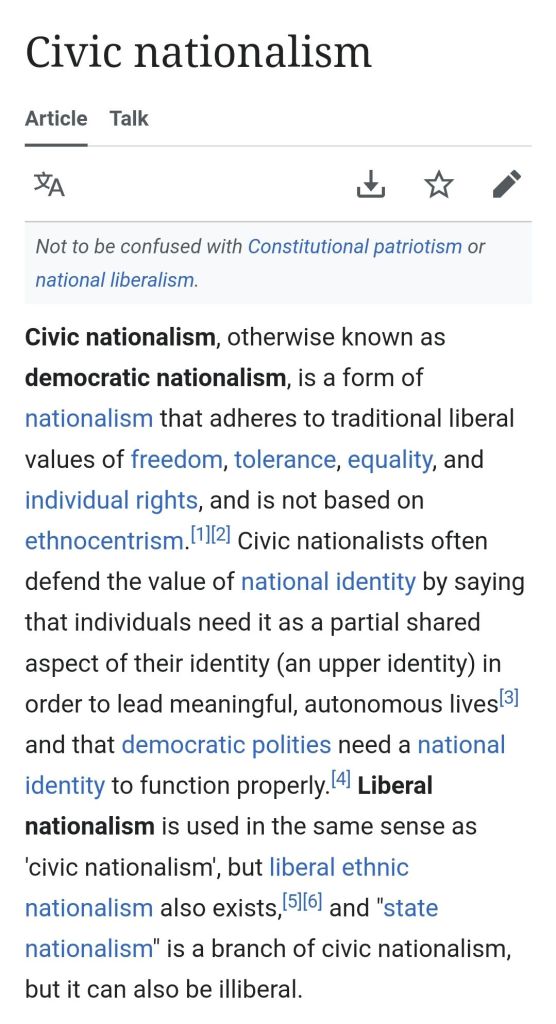
India is both a Political & Civic Nation… https://en.m.wikipedia.org/wiki/Civic_nationalism
I’ll provide examples of how these five nations have been victims of colonialization, cartelization, and marginalization in historical and modern contexts. The response will include an artifact summarizing key instances of victimization, wrapped in the required format.
Definitions
- Colonialization: Historical or ongoing subjugation by foreign powers through territorial, economic, or cultural domination.
- Cartelization: Exploitation by powerful global entities (e.g., corporations, trade blocs, or nations) that control markets, resources, or policies to the detriment of smaller nations.
- Marginalization: Exclusion or sidelining of these nations in global decision-making, cultural narratives, or economic opportunities.
Framing the Metaphor
In the Mahabharata, the Pandavas (Yudhishthira, Bhima, Arjuna, Nakula, Sahadeva) represent dharma (righteousness) and resilience, fighting against the numerous Kauravas, who symbolize greed and overreach. Here, India, Nepal, Bhutan, Thailand, and Sri Lanka are the “Pancha Pandavas,” embodying ancient, non-aggressive cultures resisting modern global powers (“Kauravas”) like the US, Russia, China, and other expansionist nations or entities (e.g., multinational corporations, global institutions).
The “war” is a struggle for sovereignty, cultural preservation, and equitable global standing.
Analysis of Victimization
- India
- Colonialization:
- Historical: India endured British colonial rule (1858–1947), with the East India Company exploiting resources, imposing heavy taxes, and deindustrializing the economy (e.g., destruction of India’s textile industry). The Bengal Famine (1943), exacerbated by British policies, killed millions.
- Modern: Neo-colonial influences persist through economic pressures from global powers. For example, in the 1990s, IMF and World Bank structural adjustment programs pushed India to liberalize its economy, often benefiting Western corporations over local industries.
- Cartelization:
- Global pharmaceutical and tech cartels have pressured India. For instance, Western pharmaceutical companies lobbied against India’s generic drug industry (e.g., during the 2000s TRIPS agreement negotiations), which provides affordable medicine globally.
- India faces trade barriers from developed nations (e.g., US tariffs on Indian goods), limiting its market access while multinational corporations dominate its consumer markets.
- Marginalization:
- India’s voice in global institutions like the UN Security Council is limited (no permanent seat despite its population and economy). Western media often stereotypes India as a land of poverty or exoticism, sidelining its technological and cultural contributions.
- Climate negotiations marginalize India, with developed nations (e.g., US) demanding emissions cuts while ignoring their own historical contributions to global warming.
- Nepal
- Colonialization:
- Historical: Nepal avoided direct British colonization but was pressured into unequal treaties, like the 1816 Treaty of Sugauli, ceding territory to British India after the Anglo-Nepalese War.
- Modern: Nepal faces indirect influence from neighboring powers (India and China). For example, India’s 2015 economic blockade disrupted fuel and goods supplies, exploiting Nepal’s landlocked dependency.
- Cartelization:
- Nepal’s hydropower potential is targeted by foreign investors (e.g., Chinese and Indian firms), often with terms favoring external corporations over local benefits. The Arun III project (1990s) was criticized for prioritizing World Bank and foreign interests.
- Global tourism cartels exploit Nepal’s cultural heritage (e.g., Everest treks), with profits often flowing to foreign companies rather than local communities.
- Marginalization:
- Nepal is sidelined in global diplomacy due to its small economy and geopolitical position between India and China. Its concerns (e.g., climate change impacts on the Himalayas) receive little global attention.
- Western media often reduces Nepal to a “Shangri-La” stereotype, ignoring its modern challenges and sovereignty.
- Bhutan
- Colonialization:
- Historical: Bhutan resisted British colonization but signed the 1910 Treaty of Punakha, giving Britain control over its foreign affairs in exchange for autonomy.
- Modern: Bhutan faces pressure from global powers (e.g., China’s border encroachments in Doklam, 2017) and indirect economic influence from India, which controls much of its trade and aid.
- Cartelization:
- Bhutan’s commitment to Gross National Happiness and environmental preservation is undermined by global economic pressures. For example, international tourism cartels profit from Bhutan’s high-value tourism model, with limited reinvestment in local communities.
- Global energy markets push Bhutan to export hydropower (e.g., to India), often on terms dictated by larger economies.
- Marginalization:
- Bhutan’s unique development model is often dismissed in global economic forums dominated by GDP-centric Western models. Its voice in climate talks is minimal despite its carbon-negative status.
- Cultural marginalization occurs when global media overlooks Bhutan’s Buddhist heritage, focusing instead on Westernized narratives.
- Thailand
- Colonialization:
- Historical: Thailand (Siam) avoided direct European colonization through diplomacy but ceded territories (e.g., parts of Laos and Cambodia) to French and British powers via treaties like the 1893 Franco-Siamese War settlement.
- Modern: Thailand faces neo-colonial economic influence. For example, during the 1997 Asian Financial Crisis, IMF-imposed austerity measures led to economic hardship, favoring Western financial interests.
- Cartelization:
- Global agribusiness cartels (e.g., US-based firms) dominate Thailand’s agricultural exports (rice, rubber), often dictating prices and limiting farmer profits.
- Multinational corporations exploit Thailand’s manufacturing sector, with low wages and weak labor protections benefiting foreign companies (e.g., Nike, Apple suppliers).
- Marginalization:
- Thailand’s cultural heritage (e.g., Theravada Buddhism) is often overshadowed by Western pop culture in global media.
- In international trade negotiations, Thailand is pressured by larger economies (e.g., US, EU) to open markets, sidelining its economic sovereignty.
- Sri Lanka
- Colonialization:
- Historical: Sri Lanka was colonized by the Portuguese, Dutch, and British (1505–1948). The British plantation economy (tea, rubber) exploited Tamil laborers and reshaped the island’s demographics and economy.
- Modern: Sri Lanka’s 2022 economic crisis was exacerbated by reliance on foreign loans (e.g., from China, IMF), with debt traps like the Hambantota Port lease to China resembling neo-colonial control.
- Cartelization:
- Global tea and garment industries (dominated by Western brands) exploit Sri Lanka’s low-cost labor and resources, with minimal reinvestment in local development.
- International financial cartels (e.g., IMF, World Bank) imposed austerity measures post-2022, prioritizing debt repayment over social welfare.
- Marginalization:
- Sri Lanka’s voice in global forums is limited, with its economic crisis often framed as mismanagement rather than a result of global financial systems.
- The Tamil minority faces cultural marginalization globally, with their struggles (e.g., post-civil war reconciliation) receiving less attention than Western human rights issues.
The “Modern Mahabharata War”
The “Kauravas” (globalistic expansionist nations like the US, Russia, China, and others, plus multinational corporations and institutions like the IMF, WTO, or tech giants) wield disproportionate power through:
- Economic dominance: Controlling global trade, finance, and technology markets.
- Cultural hegemony: Promoting Westernized or homogenized global culture, marginalizing local traditions.
- Geopolitical leverage: Using military, diplomatic, or economic pressure to influence smaller nations.
The “Pancha Pandavas” resist through:
- Cultural resilience: Preserving ancient traditions (e.g., Buddhism, Hinduism) against global homogenization.
- Economic sovereignty: Pushing for self-reliance (e.g., India’s Atmanirbhar Bharat, Bhutan’s GNH model).
- Diplomatic unity: Forming regional alliances (e.g., SAARC, ASEAN) to counterbalance global powers.
Artifact: Summary of Victimization
Victimization of the Pancha Pandavas in the Modern Mahabharata
India
- Colonialization: British rule (1858–1947) drained resources (e.g., Bengal Famine, 1943). Modern IMF policies pushed economic liberalization favoring Western firms.
- Cartelization: Western pharma lobbies against India’s generic drugs. Trade barriers limit market access.
- Marginalization: Limited UNSC role; stereotyped in Western media as poor/exotic.
Nepal
- Colonialization: 1816 Treaty of Sugauli ceded land to British India. India’s 2015 blockade disrupted supplies.
- Cartelization: Foreign investors exploit hydropower; tourism profits flow outward.
- Marginalization: Sidelined in global diplomacy; reduced to “Shangri-La” stereotype.
Bhutan
- Colonialization: 1910 Treaty of Punakha gave Britain foreign affairs control. China’s border pressures (e.g., Doklam, 2017).
- Cartelization: Tourism and hydropower profits favor foreign entities.
- Marginalization: GNH model ignored in GDP-centric global forums.
Thailand
- Colonialization: Ceded territories to European powers (1893). IMF austerity during 1997 crisis harmed economy.
- Cartelization: Agribusiness and manufacturing cartels exploit low-cost labor.
- Marginalization: Cultural heritage overshadowed; pressured in trade talks.
Sri Lanka
- Colonialization: British plantation economy exploited Tamils. China’s Hambantota Port lease (2017) as neo-colonial debt trap.
- Cartelization: Tea and garment industries favor Western brands; IMF austerity post-2022.
- Marginalization: Economic crisis framed as mismanagement; Tamil issues ignored globally.
Notes
- The metaphor simplifies a complex reality. These nations have also exerted regional influence (e.g., India’s role in South Asia), but their victimization by global powers is evident.
- Expansionist “Kauravas” include not only nations (US, Russia, China) but also global institutions and corporations, reflecting modern power dynamics.
- If you’d like a deeper analysis of specific incidents, additional countries, or a search for recent X posts/web sources on this topic, let me know!
 GRP_VCare2Dare