Introspection and return to humanism of prodigal brothers and sisters of Pakistan, Bangladesh, China, & Mother India to the Indo-Asian Brotherhoods, Else We will have to teach and learn the hard way. Indo-Asian Lions are Waking Up.
Below is a rewritten analysis of Pakistan’s history, constitutional framework, leadership, and societal patterns through the lens of narcissism, incorporating the requested elements (Kargil War, terrorism, Osama bin Laden, Dawood Ibrahim, Masood Azhar, ISI, ISIS support, Caliphate aspirations, Shia-Sunni infighting, Pakistani grooming gangs, and recent updates on the Pahalgam terror attack and Operation Sindoor 1.0-3.0 Ceasefire False Promise Gaslighting..(up to May 10, 2025).
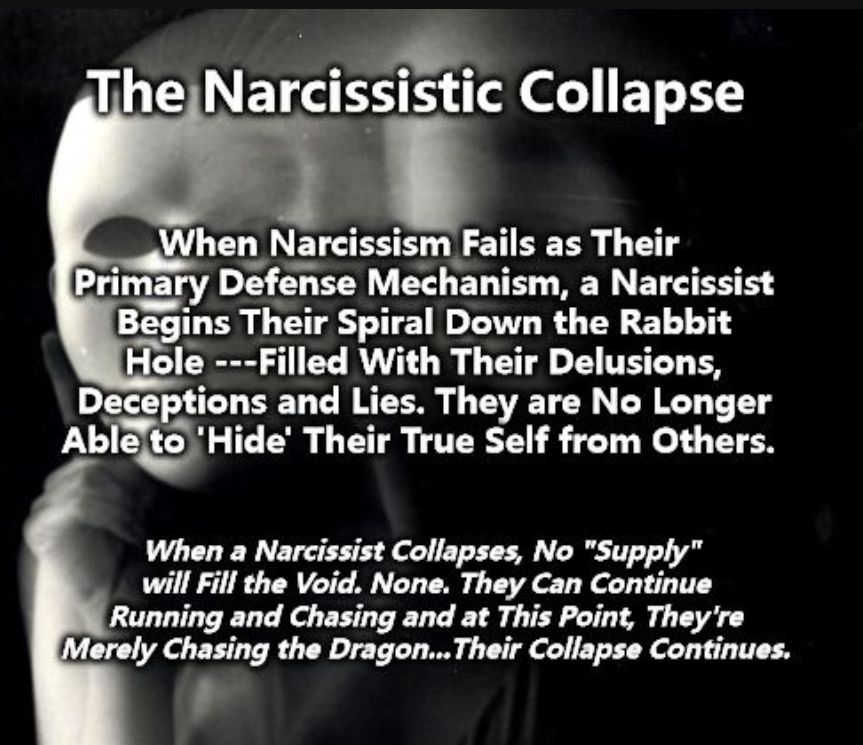
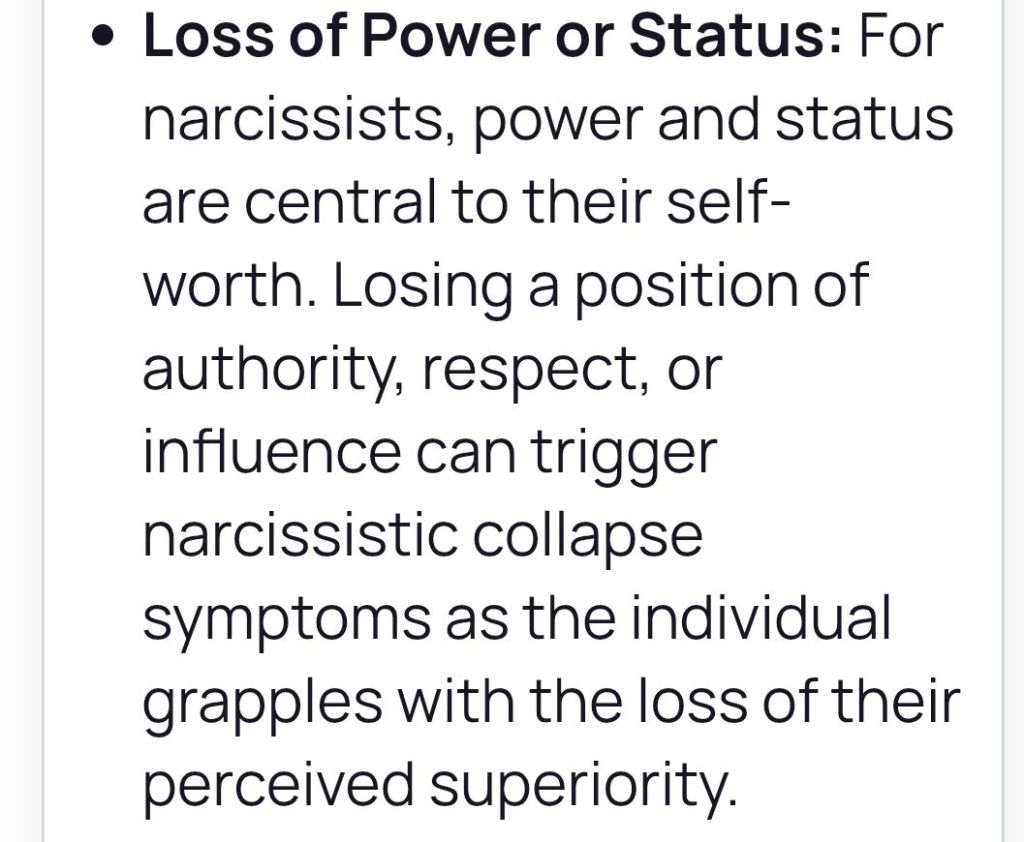
This analysis examines narcissistic patterns, forecasts Pakistan’s trajectory, and evaluates the risk of Narcississtic collapse (“Narkistan”). It also addresses the origins of these issues and proposes global solutions, using the referenced article’s 15 behaviors of collapsed narcissists (e.g., rage, victimhood, smear campaigns) to frame behaviors.
https://thecognitivemind.com/narcissistic-collapse-symptoms/
Analysis of Pakistan’s Narcissistic Patterns, Terrorism, and Collapse Risk
1. Historical Context and Narcissistic Patterns
Pakistan’s history since 1947 reveals narcissistic traits—grandiosity, entitlement, fragile self-esteem, and collapsed behaviors like rage and victimhood—exacerbated by its role in terrorism and recent events like the Pahalgam attack.
Founding and Grandiose Identity
Pakistan was founded as a Muslim homeland, driven by Muhammad Ali Jinnah’s Two-Nation Theory, framing Muslims as distinct from Hindus. This fostered a grandiose narrative of Pakistan as a divinely ordained Islamic state, superior to India, codified in its constitution’s Islamic identity. This aligns with narcissistic self-aggrandizement.
Military Dominance and Entitlement
The military’s centrality, starting with General Ayub Khan’s 1958 coup, reflects narcissistic entitlement. Portraying itself as Pakistan’s savior, the military justified coups (Yahya Khan, Zia-ul-Haq, Pervez Musharraf) and covert operations via the Inter-Services Intelligence (ISI), including terrorism sponsorship, as essential for national survival.
Kargil War (1999)
The Kargil War, orchestrated by General Musharraf, exemplifies narcissistic recklessness. Pakistan infiltrated Indian territory, aiming to seize strategic heights, but denied involvement, blaming “mujahideen.” The retreat under U.S. pressure triggered humiliation, with leaders deflecting blame onto India, reflecting collapsed narcissist denial and smear campaigns.
Breeding Terrorism and Global Outlaws
Since the 1980s, the ISI has nurtured terrorist groups like Lashkar-e-Taiba (LeT) and Jaish-e-Mohammed (JeM), led by Masood Azhar, responsible for attacks like the 2001 Indian Parliament assault. The ISI protected Dawood Ibrahim, linked to the 1993 Mumbai bombings, and harbored Osama bin Laden in Abbottabad until his 2011 U.S. killing. These actions show narcissistic disregard for global norms, with victimhood narratives (e.g., sovereignty violation claims) when exposed.
Support for ISIS and Caliphate Aspirations
While officially opposing ISIS, the ISI’s tacit support for ISIS-aligned militants in Afghanistan counters India and maintains influence, per X posts. The state’s Islamic identity fuels fringe Caliphate aspirations, aligning with narcissistic grandiosity but risking internal chaos.
Shia-Sunni Infighting
Sectarian violence between Sunni (80%) and Shia (15–20%) communities, fueled by state-backed Sunni groups like Sipah-e-Sahaba, has killed thousands since the 1980s. Zia-ul-Haq’s Islamization deepened divides, with leaders exploiting tensions, reflecting narcissistic manipulation and lack of empathy.
Fragile Self-Esteem and External Validation
The 1971 loss of East Pakistan (Bangladesh) shattered national pride, triggering rage and scapegoating of India. Pakistan’s reliance on U.S., Chinese, and Saudi aid reflects a fragile ego needing validation, while its India obsession sustains grandiosity through opposition.
2. Constitutional Framework and Narcissistic Dynamics
The 1973 Constitution embeds narcissistic traits, reinforcing instability.
Grandiose Islamic Identity
Declaring Pakistan an Islamic Republic and mandating Sharia-compliant laws, the constitution codifies moral superiority. The Objectives Resolution (1949) emphasizes a divine mission, fostering entitlement to regional dominance.
Authoritarian Control
Despite parliamentary provisions, military coups and amendments (e.g., 8th, 1985) centralized power, reflecting narcissistic control. The ISI’s unaccountable terrorism sponsorship operates above constitutional checks, mirroring disregard for boundaries.
Victimhood and Repression
Blasphemy laws and anti-terrorism legislation target dissenters, framing critics as enemies of Pakistan’s sacred identity. This aligns with collapsed narcissist victimhood and smear campaigns, portraying leaders as persecuted.
3. Narcissistic Leadership Patterns
Pakistan’s leaders exhibit narcissistic traits, with collapsed behaviors during crises:
- Rage and Lashing Out: Military crackdowns (e.g., Balochistan) and Imran Khan’s incendiary protests (2022–2023) reflect rage when challenged.
- Smear Campaigns: Leaders vilify rivals—Nawaz Sharif labeled Musharraf a traitor; Khan calls opponents “looters”—mirroring devaluation.
- Victimhood: The military’s narrative of defending against India, despite provocations (e.g., Kargil), and Khan’s U.S.-conspiracy claims in 2022 reflect self-pity.
- Self-Destructive Behaviors: Terrorism sponsorship invites sanctions, aligning with self-sabotage.
- Lack of Empathy: Corruption and neglect of Shias and Baloch prioritize power over welfare.
4. Societal Narcissism and Grooming Gangs/Love Jihad.
The citizenry, shaped by propaganda, internalizes a grandiose Islamic identity.
Collective Grandiosity
Pakistan as a “fortress of Islam” fosters entitlement to influence. Setbacks trigger conspiracy theories, as seen in X posts blaming India post-Pahalgam, reflecting collapsed narcissist denial.
Pakistani Grooming Gangs
In the UK, Pakistani diaspora grooming gangs exploit vulnerable non-islamic girls, rooted in cultural misogyny and ethnic superiority. Pakistan’s failure to address gender inequality enables this, with leaders deflecting criticism as “Islamophobia,” showing narcissistic entitlement.
5. Recent Updates: Pahalgam Attack and Operation Sindoor (April–May 2025)
Pahalgam Terror Attack (April 22, 2025)
On April 22, 2025, Pakistani terrorists, linked to The Resistance Front (TRF, an LeT offshoot), killed 26 civilians, including tourists and Navy Lt. Vinay Narwal, in Pahalgam, Jammu and Kashmir. The attack, the worst on civilians in decades, sparked outrage. Over 2,500 locals were detained, with the National Investigation Agency seizing video evidence, suggesting local support. Pakistan denied involvement, claiming a “false flag,” but India accused the ISI and LeT, with ex-BSF official PK Mishra alleging General Munir’s involvement.
Operation Sindoor (May 7, 2025)
In response, India launched Operation Sindoor, striking nine terrorist sites in Pakistan and Pakistan-occupied Kashmir (PoK) at 1:04–1:30 AM on May 7. Targets included LeT’s Muridke and Kotli camps and JeM’s Bahawalpur headquarters, linked to attacks like 26/11 and Pahalgam. India used SCALP missiles, killing over 70 terrorists, including 10 of Masood Azhar’s family members. The strikes, described as “measured” and avoiding military targets, aimed to dismantle terror infrastructure. Pakistan claimed 31 civilian deaths, alleging strikes on mosques, but India emphasized precision to minimize collateral damage.
Aftermath and Escalation (May 7–9, 2025)
Pakistan retaliated with artillery shelling along the Line of Control (LoC), killing 12 civilians and one soldier in Poonch and Uri. On May 7–8, Pakistan attempted drone and missile attacks on Indian military sites in Jammu, Rajasthan, and Gujarat, neutralized by India’s S-400 systems. India destroyed Pakistan’s Lahore air defense system and killed 10 Pakistani soldiers. Pakistan closed Lahore and Islamabad airports and imposed a Punjab emergency. India banned Pakistani flights and closed 24 northern airports.
India briefed the UNSC, U.S., UK, and others, accusing Pakistan of supporting TRF and LeT. The U.S. urged Pakistan to act against terrorism, while the EU and Iran condemned the attack but called for de-escalation. Pakistan’s parliament passed a resolution accusing India of maligning its image. Indian leaders, including Rahul Gandhi and Rajnath Singh, united in support, while Bollywood and RSS hailed the strikes.
6. Origins of These Issues
Pakistan’s narcissistic patterns and issues stem from:
- Colonial Legacy: British divide-and-rule policies entrenched Hindu-Muslim tensions, shaping the Two-Nation Theory.
- Military Hegemony: Post-1947, the military’s India-centric paranoia fostered authoritarianism and terrorism.
- Zia’s Islamization: The 1977–1988 regime empowered Sunni extremists, deepening sectarianism.
- Geopolitical Strategy: Cold War alliances enabled unchecked ISI operations.
- Cultural Factors: Patriarchal norms amplify entitlement, contributing to grooming gangs and intolerance.
7. Present Situation (May 2025)
Pakistan faces compounded crises:
- Economic Crisis: Inflation (~38%), reserves (<$10 billion), and IMF dependency reflect denial, with leaders blaming global markets.
- Political Instability: The military-backed Shehbaz Sharif government lacks legitimacy, while Imran Khan’s PTI fuels unrest.
- Terrorism Blowback: ISI-backed groups like JeM threaten security, with 1,000+ terrorism deaths in 2024.
- Sectarian Violence: Shia-Sunni clashes killed 200+ in 2024, fueled by extremism.
- Foreign Isolation: Pahalgam and Operation Sindoor fallout isolates Pakistan, despite Chinese support (CPEC).
8. Forecast and Collapse Risk (“Narkistan”)
Pakistan risks collapse if narcissistic patterns persist:
Near-Term (2025–2030)
- Escalating Violence: Repression may spark protests, met with crackdowns, risking civil unrest. Pahalgam retaliation could escalate into broader conflict.
- Economic Default: Debt default could trigger hyperinflation, fueling riots. Anti-India rhetoric may deflect blame.
- Terrorism Surge: ISI-backed groups may turn inward, as seen with TTP (2,000+ deaths since 2020).
Long-Term (2030–2050)
- Fragmentation: Ethnic insurgencies and sectarian divides could fracture Pakistan.
- Authoritarian Rule: Military entrenchment may delay collapse but stifle progress.
- Total Collapse: Economic ruin, violence, and territorial loss could create “Narkistan,” though nuclear arsenal and Chinese interests may prompt intervention.
Mitigating Factors
- Youth Activism: 65% under 30 could demand reform.
- Regional Ties: India or ASEAN engagement could stabilize the economy.
- Decentralization: Empowering provinces and judiciary could curb authoritarianism.
9. Global Solutions
International action is critical:
- Sanctions: Target ISI and military elites for terrorism support via Magnitsky Act, freezing assets linked to LeT, JeM, or Ibrahim.
- Economic Reform: IMF aid conditioned on anti-corruption and decentralization.
- Counter-Terrorism: U.S.-India-Pakistan intelligence sharing to dismantle LeT, JeM, and ISIS networks, with UN oversight.
- Sectarian Reconciliation: Fund interfaith dialogues and reform madrassas, supported by Saudi Arabia and Iran.
- Cultural Reform: UK/EU programs to address misogyny in Pakistani & islamic diaspora, targeting grooming gangs & global love jihad drivers.
- Diplomatic Engagement: China/U.S.-mediated India-Pakistan talks to de-escalate, reducing scapegoating.
- UN Monitoring: Deploy observers to oversee military accountability and protect minorities.
10. Critical Analysis
The narcissistic framework highlights behaviors but oversimplifies structural issues (e.g., colonial legacies). Pakistan’s collectivist culture complicates NPD comparisons, and its resilience (surviving 1971, 2008) suggests adaptability. Global solutions must balance pressure with engagement to avoid deepening victimhood, especially post-Pahalgam.
Decoding the DNA of NARCkistan.. https://grpvcare2dare.design.blog/2025/04/25/s877-understanding-pakistans-behaviour-using-ambedkars-books/
Lying, Gaslighting, & Manipulation:
Decoding the DNA of NARCkistan.. https://grpvcare2dare.design.blog/2025/04/25/s877-understanding-pakistans-behaviour-using-ambedkars-books/
 GRP_VCare2Dare