Developing Indian Civil Information Defense (I.CID) systems to prevent “psychological and ideological warfare on Indian Citizens” requires empowering Public with tools, knowledge, and strategies to counter misinformation, disinformation, and propaganda that target Indian Welfare & interests.
A Cyber+Brethren = Cyberen
Slogan.
“Guard the Truths, Unite for India!”
Hindi:
“सच की रक्षा, भारत को एकजुट करो!”
(Sach ki Raksha, Bharat ko Ekjut Karo!)
Motto: The Truths Shall Set and Keep You & Us Free..
MEME = Misinformation Evokes & Manipulates Emotions.
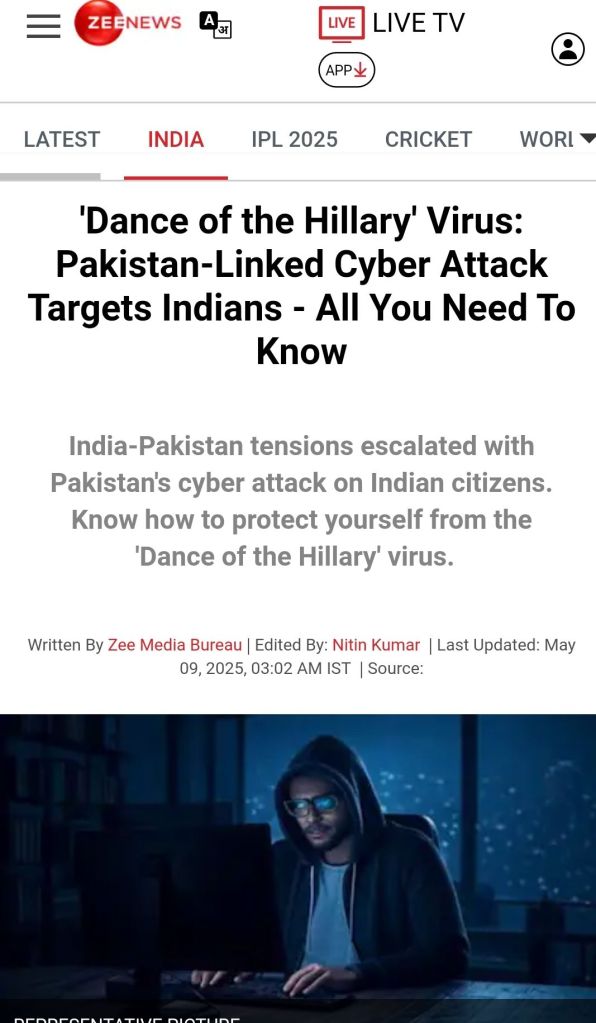
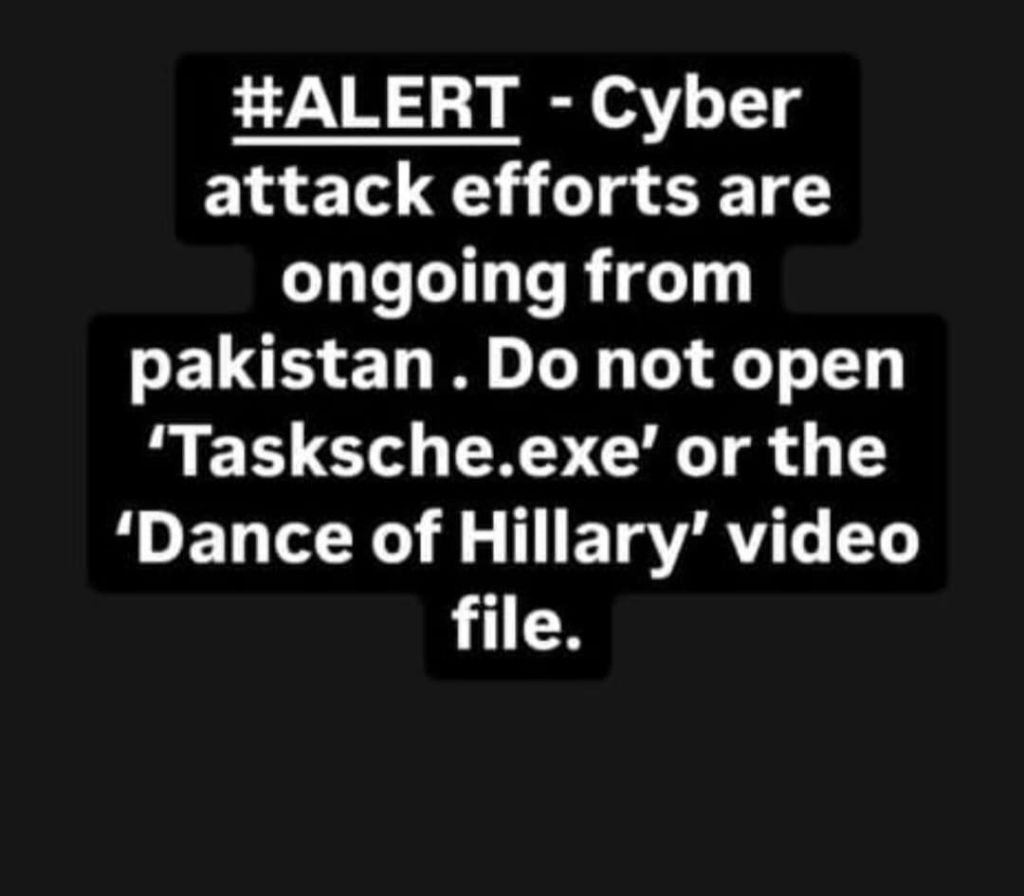
This involves fostering critical thinking, leveraging technology, and building community resilience while addressing India’s unique socio-cultural context. Below is a comprehensive program designed for citizens to create and sustain such a defense system, drawing on insights from media literacy frameworks, India’s existing digital literacy initiatives, and global best practices.
Indian Civil Info Defense System: A Citizen-Led Initiative to Counter Psychological and Ideological Warfare
Program Overview
Objective: To empower Indian citizens to build and sustain a Civil Info_Defense Systems (I.CIDs) that counters psychological and ideological warfare by promoting critical media literacy, fostering digital resilience, and creating community-based fact-checking networks.
Target Audience:
- Indian citizens aged 18–50, across urban, semi-urban, and rural areas.
- Focus on youth, women, and community leaders as key change agents.
- Includes diverse linguistic and cultural groups to ensure inclusivity.
Duration: 8 weeks, with weekly 90-minute sessions (total 12 hours), followed by ongoing community initiatives.
Delivery Mode:
- Hybrid model: In-person workshops in community centers, schools, and panchayats, supplemented by a mobile app for online access.
- Content in regional languages (e.g., Hindi, Tamil, Bengali) for broader reach.
Program Components
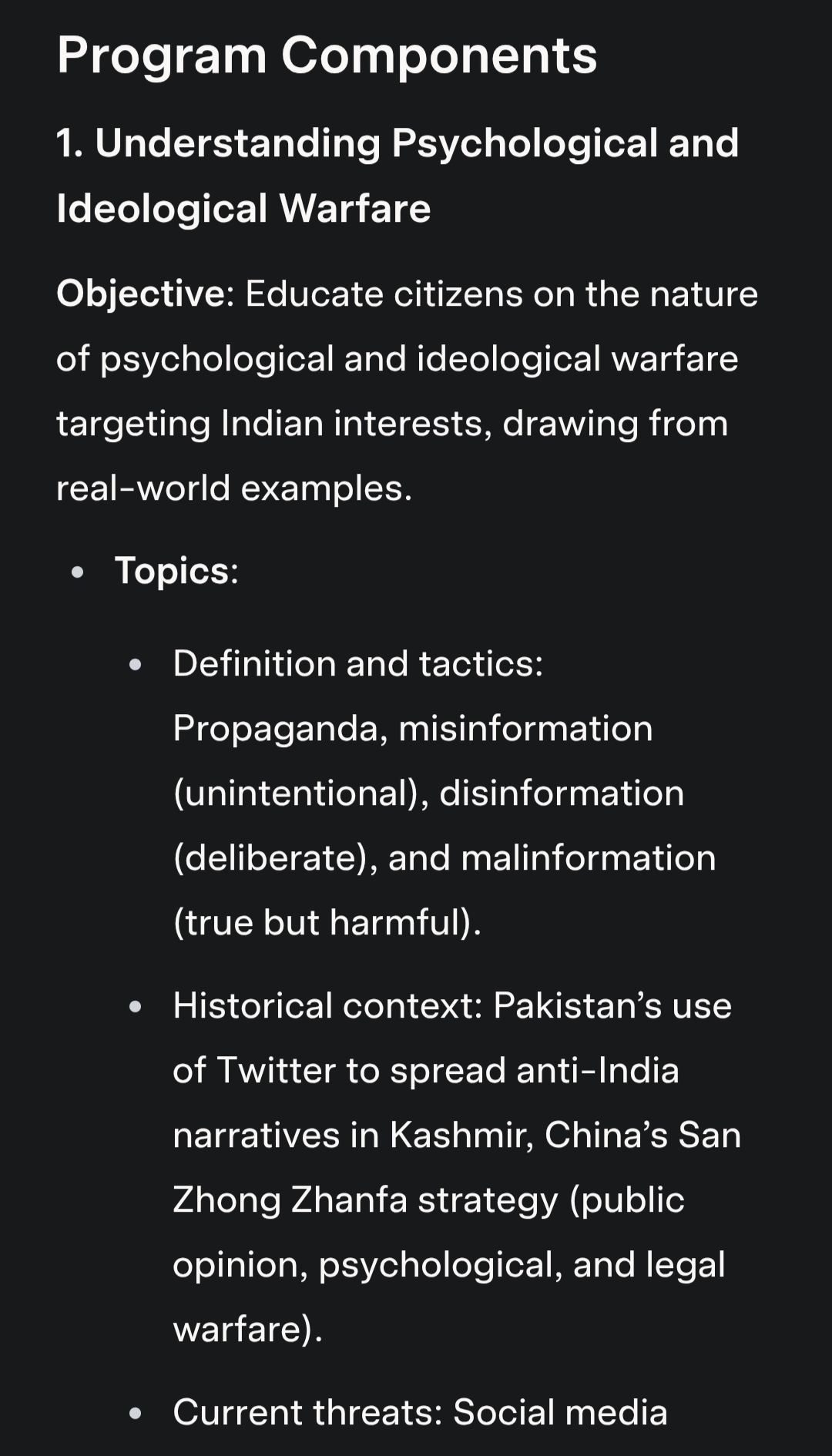
1. Understanding Psychological and Ideological Warfare
Objective: Educate citizens on the nature of psychological and ideological warfare targeting Indian interests, drawing from real-world examples.
- Topics:
- Definition and tactics: Propaganda, misinformation (unintentional), disinformation (deliberate), and malinformation (true but harmful).
- Historical context: Pakistan’s use of Twitter to spread anti-India narratives in Kashmir, China’s San Zhong Zhanfa strategy (public opinion, psychological, and legal warfare).
- Current threats: Social media campaigns (e.g., 23,750 Twitter accounts removed in 2020 for Chinese propaganda), fake news on WhatsApp, and AI-generated deepfakes.
- Impact on Indian psyche: Targeting youth to create discontent, fueling communal discord, and undermining national unity.
- Activities:
- Case study: Analyze Pakistan’s DG ISPR tweets post-Article 370 abrogation, showing how they portray India as an aggressor.
- Group discussion: Share personal experiences of encountering divisive narratives on social media.
- Video: Show examples of manipulated media (e.g., doctored images of Indian troops) to illustrate tactics.
2. Building Critical Media Literacy Skills
Objective: Equip citizens with skills to critically evaluate information and identify misinformation/disinformation.
- Topics:
- Applying the SIFT Method: Stop, Investigate the source, Find better coverage, Trace claims to the original.
- Using the CRAAP Test: Evaluate Currency, Relevance, Authority, Accuracy, and Purpose of information.
- Recognizing red flags: Emotional language, lack of citations, anonymous sources, and sensational headlines.
- Understanding bias: Identifying political, cultural, or communal biases in media narratives.
- Activities:
- Workshop: Use SIFT to evaluate a viral claim (e.g., “Indian Army targets civilians in Kashmir”). Stop, investigate the source (DG ISPR Twitter), find better coverage (Indian Army statements), and trace to the original (no evidence).
- Exercise: Apply CRAAP to a news article, scoring it on a True/False and Verified/Unverified matrix.
- Quiz: Identify red flags in sample social media posts (e.g., a WhatsApp forward with no source).
3. Leveraging Technology for Defense
Objective: Teach citizens to use digital tools to verify information and counter propaganda.
- Topics:
- Fact-checking tools: Use platforms like PIB Fact Check, Boom, and Alt News to verify claims.
- Digital verification: Conduct reverse image searches (Google, TinEye) and video verification (InVID plugin) to detect manipulated media.
- Social media monitoring: Identify coordinated campaigns (e.g., identical posts across platforms) that spread disinformation.
- Safe digital practices: Protect personal data, avoid sharing unverified content, and report suspicious accounts.
- Activities:
- Hands-on session: Use PIB Fact Check to verify a COVID-19 vaccine rumor.
- Demonstration: Perform a reverse image search on a viral protest photo to check its authenticity.
- Group task: Analyze a set of X posts for signs of a coordinated campaign (e.g., same hashtags, timing).
4. Creating Community Fact-Checking Networks
Objective: Establish grassroots networks to monitor, verify, and counter misinformation locally.
- Topics:
- Role of community leaders: Panchayat members, teachers, and youth leaders as fact-checking champions.
- Building trust: Engage local communities to counter divisive narratives (e.g., communal rumors).
- Reporting mechanisms: Use WhatsApp groups or local helplines to report misinformation to authorities.
- Collaboration: Partner with local NGOs and government initiatives like the Pradhan Mantri Gramin Digital Saksharta Abhiyan (PMGDSA) for support.
- Activities:
- Form groups: Create small fact-checking teams in each community (5–10 members).
- Simulation: Role-play a scenario where a rumor about a communal clash spreads, and the team verifies and counters it.
- Action plan: Develop a local reporting system (e.g., a WhatsApp number for submitting suspicious content).
5. Countering Propaganda with Positive Narratives
Objective: Empower citizens to create and share narratives that promote unity and resilience against divisive propaganda.
- Topics:
- Storytelling for unity: Highlight India’s diversity and shared values (e.g., unity in festivals like Diwali, Eid).
- Using social media responsibly: Share verified information, amplify positive stories, and avoid divisive content.
- Engaging youth: Leverage platforms like Instagram and YouTube to counter anti-India narratives with creative content.
- Psychological resilience: Build emotional defenses against fear-mongering and hate propaganda.
- Activities:
- Workshop: Create a short video or poster celebrating local harmony (e.g., a joint Holi celebration).
- Campaign: Launch a hashtag (e.g., #UnitedIndia) to share verified stories of community cooperation.
- Discussion: Reflect on how fear-based narratives (e.g., “the government is hiding a virus”) affect mental health, and brainstorm coping strategies.
6. Engaging with Government and Institutions
Objective: Encourage citizens to collaborate with government bodies and leverage existing initiatives to strengthen info defense.
- Topics:
- Existing programs: Utilize PMGDSA, Satyamav Jayate, and the National Digital Literacy Mission for digital literacy.
- Reporting to authorities: Use PIB Fact Check and CyberCrime.gov.in to report disinformation and cyber threats.
- Advocacy: Push for stronger government policies on misinformation (e.g., partnerships with social media platforms for fact-checking).
- Role of the Indian Army: Support the Director General Information Warfare’s efforts to monitor propaganda from adversaries like China and Pakistan.
- Activities:
- Guest lecture: Invite a local official to explain how to report misinformation via government portals.
- Group task: Draft a letter to local authorities advocating for more fact-checking resources in regional languages.
- Resource: Provide a list of government helplines and portals for reporting misinformation.
Implementation Strategy
1. Partnerships
- Collaborate with NGOs like the India Literacy Project and Digital Empowerment Foundation to leverage their expertise in digital literacy.
- Partner with government programs like PMGDSA to integrate info defense into existing frameworks.
- Engage local bodies (panchayats, schools) and social media platforms for outreach and fact-checking support.
2. Facilitator Training
- Train community leaders, teachers, and youth volunteers as facilitators using a “train-the-trainer” model.
- Provide a manual with session plans, activities, and resources in regional languages.
- Include sensitivity training to address diverse cultural and communal dynamics.
3. Accessibility and Inclusion
- Deliver content in regional languages and use visual aids for low-literacy groups.
- Use mobile apps for urban participants and offline materials (pamphlets, radio broadcasts) for rural areas.
- Offer free access to marginalized communities, inspired by PMGDSA’s inclusivity model.
4. Monitoring and Evaluation
- Conduct pre- and post-program surveys to measure improvements in media literacy and resilience to propaganda.
- Track community outcomes: Number of fact-checking teams formed, misinformation reports submitted, and positive campaigns launched.
- Collect feedback after each session to refine the program.
Expected Outcomes
- Short-Term:
- Increased ability to identify and counter misinformation/disinformation.
- Formation of at least 100 community fact-checking teams across India.
- 50% reduction in sharing unverified content among participants.
- Long-Term:
- Stronger national resilience against psychological and ideological warfare.
- Reduced communal discord and youth radicalization through proactive info defense.
- A scalable model for civil info defense adopted by other countries in the Global South.
Follow-Up Support
- Community Networks: Sustain fact-checking teams with monthly meetings and digital support groups.
- Mobile App: Develop an app with fact-checking tools, verified news, and a reporting feature.
- Annual Summit: Host a national summit for participants to share success stories and strategies.
Budget Outline (Per Cohort of 100 Participants)
- Facilitator training: ₹60,000
- Venue and materials: ₹40,000
- Digital app development (one-time): ₹1,50,000
- Outreach and campaigns: ₹30,000
- Monitoring and evaluation: ₹20,000
- Total per cohort: ₹3,00,000 (excluding app cost for subsequent cohorts)
Conclusion
The Indian Civil Info Defense System empowers citizens to protect national interests by countering psychological and ideological warfare at the grassroots level. By combining media literacy, technology, and community action, this initiative builds a resilient society capable of resisting divisive narratives and fostering unity.
 GRP_VCare2Dare