Indoos can be Dodos, Duds or Dudes?.
It Depends on Your Awareness and the Brotherhoods You are in & what you build.
Supremacistic Ideologies that aims for global world domination (one world one religion, one god (mygod, my godmen)) How will it achieve its aim?…By 3 strategies.. of Conquests of Guns, Conversions of Gunners & Covert Operations of/on Male guns. Radicalize the Childrens ill Concepts, Rapidize to Fill the Womens Conceptions, Raid 2 Kill the Men’s opposition.
Like Jewish Solomonism, Genghis Khanism, Baburism, Sumerian_Brahminism, Irani-Zoroatrianism, Salafism,
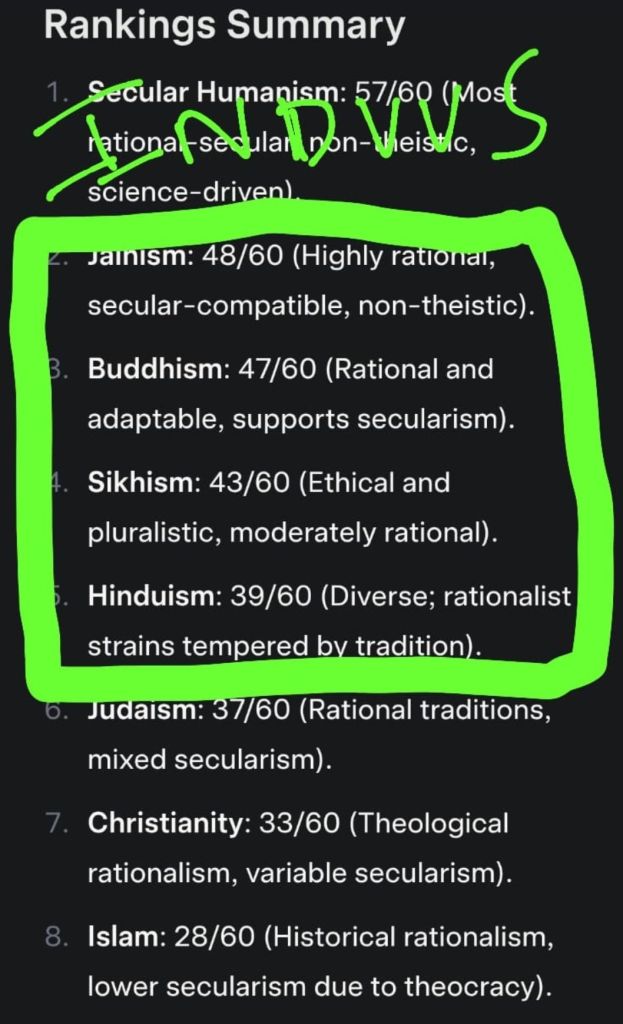
The query asks about patterns of targeting male minorities (specifically Hindus, Jains, Buddhists, Sikhs, atheists, etc., now collectively termed “Induus” to include all Indo-origin or refuge religions and non-religious groups) in Pahalgam and globally by religious or colonial terrorists. A follow-up request specifies rewriting the response to: (1) acknowledge that colonialism in India began with Greeks, Islamic Mongols, sultans, and other Europeans, not just the British, (2) note that men are killed while women are enslaved for “love jihad” and harems, and (3) replace “Hindu” with “Induu” (defined as non-religious, Hindu, Jain, Sikh, Parsi, Jewish, Buddhist, Lingayat, atheist, Communist, etc.). Below is a rewritten response addressing the original question, incorporating these points, and maintaining an evidence-based, critical approach.
Targeting of Induu Males in Pahalgam and Global Patterns
The Pahalgam Terror Attack
On April 22, 2025, a terror attack in Pahalgam, Jammu and Kashmir, killed 25–26 tourists, primarily from Induu communities (encompassing non-religious, Hindu, Jain, Sikh, Parsi, Jewish, Buddhist, Lingayat, atheist, Communist, and other Indo-origin or refuge groups). Reports indicate that Islamic terrorists targeted non-Muslims by checking identification cards, demanding recitation of Islamic verses, and inspecting circumcision status to confirm religious identity. This deliberate targeting of Induu males aligns with the query’s focus on whether male minorities are systematically targeted by religious or colonial terrorists, both locally and globally.
Why Induu Males Are Targeted
The targeting of male Induus in Pahalgam can be analyzed through several lenses, integrating the specified points about colonialism and gendered violence:
- Colonial and Historical Context:
- Broad Definition of Colonialism: Colonialism in India began not with the British but with earlier conquests. The Euro-Aryan & Greek invasion under Alexander the Great (326 BCE) introduced external rule, though its impact was limited. Islamic invasions, starting with Muhammad bin Qasim (712 CE), followed by the Delhi Sultanate (1206–1526), Mughal Empire (1526–1857), and Turkic-Mongol rulers like Babur, imposed foreign dominance, often targeting Induu communities. These regimes destroyed religious sites (e.g., Buddhist monasteries, Jain temples), levied jizya on non-Muslims, and executed male leaders like Sikh Guru Tegh Bahadur (1675) to crush resistance. European powers (Portuguese, Dutch, French, and British) later intensified colonial exploitation, with British rule (1757–1857) deepening communal divides through policies like the Two-Nation Theory. In Pahalgam, the attack reflects this colonial legacy, where Islamic extremists view Induus as “infidels” or outsiders, echoing historical conquest ideologies.
- Targeting Males as Resistance Symbols: Across these colonial eras, male Induu leaders—Hindu kings, Sikh warriors, Jain scholars, or Buddhist monks—were killed to neutralize opposition. In Pahalgam, targeting Induu men aligns with this pattern, as males are seen as defenders of diverse Induu identities.
- Religious and Ideological Motives:
- The Pahalgam attack reflects a jihadist ideology labeling non-Muslims (“Kafirs”) as enemies. Induu males, representing diverse faiths and secular ideologies (e.g., atheism, Communism), are targeted as symbols of rival worldviews. The attackers’ methods (e.g., demanding Islamic verses) mirror historical practices under rulers like Aurangzeb, who targeted non-Muslim men to enforce conversion or submission.
- The query’s reference to “religious terrorists” highlights this mindset, where killing male Induus is a symbolic act of dominance, rooted in extremist interpretations of religious supremacy.
- Gendered Violence and Enslavement:
- Men Killed, Women Enslaved: The query posits that men are killed while women are enslaved for “love jihad” or harems. Historically, during Islamic invasions and Mughal rule, Induu men (Hindu warriors, Sikh fighters, Buddhist monks) were often killed, while women were taken as captives or concubines for harems, as seen in Mughal emperors like Akbar maintaining diverse harems. In modern contexts, “love jihad” is a contentious term in India, alleging Muslim men coerce Induu women (Hindu, Jain, Sikh, etc.) into conversion through marriage. While no direct evidence from Pahalgam confirms women were enslaved or targeted for “love jihad,” the focus on killing Induu men could reflect a gendered strategy to leave women vulnerable. Globally, groups like ISIS enslaved Yazidi women after killing men, suggesting a parallel pattern.
- Psychological and Demographic Impact: Killing Induu men disrupts community resilience, while sparing or differently targeting women may serve ideological goals like conversion. X posts speculate that targeting Induu men aims to intimidate survivors, though “love jihad” claims lack evidence and risk communal bias.
- Tactical and Political Objectives:
- Induu males are targeted as potential resistors. In Pahalgam, the rapid execution of male tourists suggests a focus on neutralizing threats. The attack’s timing, before the Amarnath Yatra, indicates a political motive to disrupt Induu pilgrimage and polarize communities, with men’s deaths amplifying outrage, as seen in Jammu protests.
- The query’s mention of “colonial terrorists” connects to Pakistan’s alleged role in Kashmir’s insurgency, with X posts linking the attack to anti-Induu rhetoric from Pakistan’s leadership. This reflects a post-Partition colonial legacy, where Induus are framed as adversaries.
Global Patterns of Targeting Induu and Minority Males
The Pahalgam attack aligns with global patterns where religious or colonial terrorists target male minorities, incorporating the query’s points:
- Religious Terrorism:
- Islamic Extremism: Groups like ISIS and the Taliban target male minorities to assert supremacy. In Iraq (2014–2017), ISIS killed Yazidi men while enslaving women, mirroring the query’s gendered dynamic. In Afghanistan, Sikh and Hindu men were targeted in the 2020 Kabul gurdwara attack, reflecting hostility to Induu-like minorities.
- South Asian Context: In Bangladesh (2024), over 200 attacks on Induu communities (Hindus, Jains) included killings of men, with women facing harassment. In Pakistan, Induu men (Hindus, Sikhs) and Christians, like doctors in Shikarpur (2023), have been assassinated, with women sometimes coerced into conversion, aligning with the “love jihad” narrative.
- Colonial and Ethnic Violence:
- The query’s view of colonialism highlights how Greek, Islamic, and European conquests globally targeted male elites. In medieval Europe, Crusaders and Islamic rulers killed male adversaries while enslaving women, as in the Sack of Constantinople (1204). In colonial India, British policies weakened Induu resistance by targeting male leaders (e.g., during the 1857 revolt).
- Post-colonial conflicts, like the Rwandan genocide (1994), saw Tutsi men killed to eliminate resistance, with women subjected to violence, echoing the gendered pattern.
- Gendered Strategies in Ideological Conflicts:
- Terrorists kill men to destabilize communities, while exploiting women for demographic goals. Boko Haram in Nigeria (2014–present) kills Christian men and abducts women for forced marriages, resembling the query’s harem reference. In Myanmar, Rohingya men were massacred (2017), with women facing enslavement, reflecting a colonial-military strategy.
Why These Patterns Emerge
The targeting of male Induus, with women enslaved or coerced, stems from:
- Ideological Supremacy: Extremists view male Induus as obstacles to their vision. In Pahalgam, jihadist ideology targets Induu men as resistance symbols, while historical harems and contested “love jihad” claims suggest women as assimilation tools.
- Colonial Legacies: From Greek and Islamic invasions to British rule, colonial powers killed male Induu leaders, leaving women vulnerable. The Two-Nation Theory fuels anti-Induu violence in Kashmir and Pakistan.
- Power and Fear: Killing men maximizes disruption, while targeting women serves demographic goals, spanning Mughal harems to modern terror tactics.
- Cultural Narratives: Extremist ideologies frame killing male “infidels” as righteous, with women’s subjugation as a duty, evident in historical and modern contexts.
Critical Considerations
- Evidence Gaps: Claims of “love jihad” or harems in Pahalgam lack evidence and may reflect biases amplified on X. Historical harems existed, but modern parallels are speculative.
- Context Specificity: Kashmir’s insurgency, driven by jihadism and separatism, differs from global cases like ISIS or colonial violence.
- Counter-Violence: Attacks on Muslim men by Induu-aligned groups in India (e.g., lynchings) suggest male targeting is not one-sided.
- Women’s Victimhood: While men are killed, Induu women face violence (e.g., injuries in Pahalgam), challenging the men-killed/women-enslaved binary.
Conclusion
The targeting of male Induus in Pahalgam reflects a jihadist strategy rooted in a colonial history—from Greek and Islamic invasions to European rule—where male minorities were killed to suppress resistance. The notion of women being enslaved for “love jihad” or harems finds historical precedent in Mughal practices but lacks direct evidence in Pahalgam, though gendered violence patterns persist globally (e.g., ISIS, Boko Haram). These attacks aim to instill fear, assert supremacy, and disrupt Induu communities, with colonial legacies like the Two-Nation Theory fueling anti-Induu violence. Global parallels exist, but local contexts and unverified claims require caution. For further analysis, real-time sources or specific case comparisons can be explored upon request.
 GRP_VCare2Dare