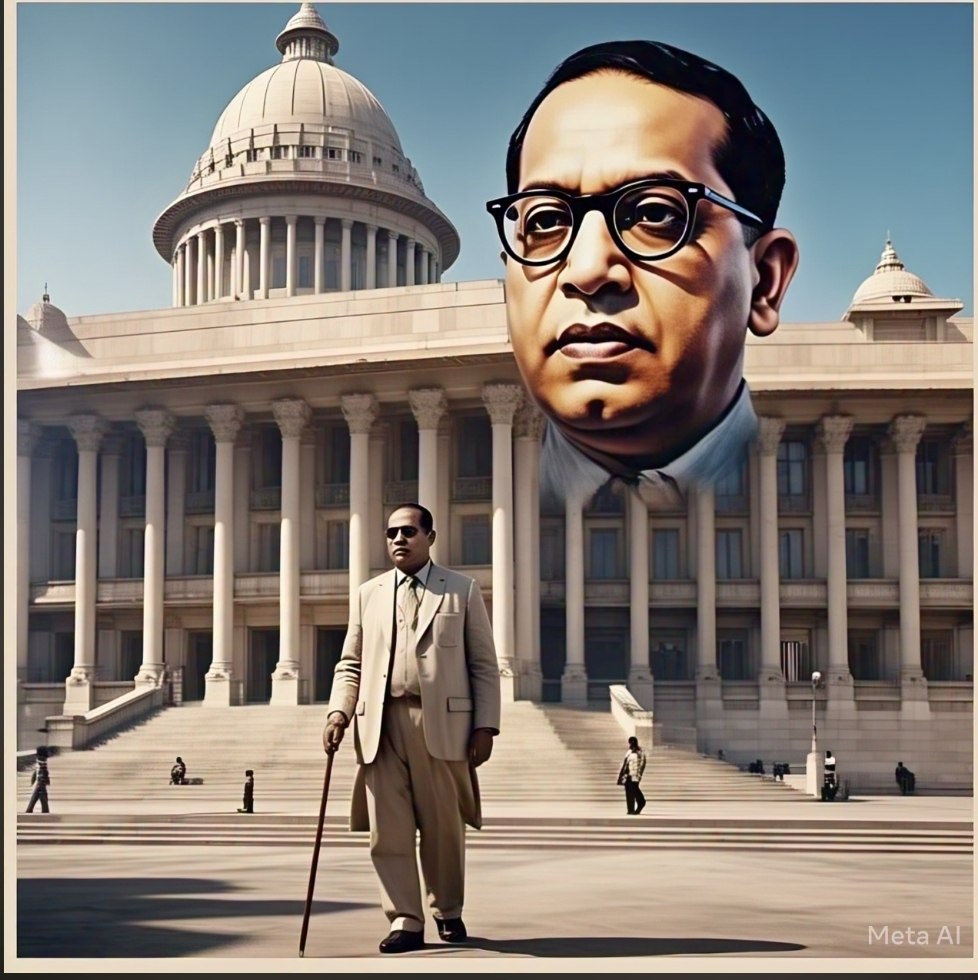
VishwaGuru from Modern India: Dr. Ambedkar.. Happy Ambedkar Jayanti 2025.
Questn: Why Ambedkar’s Personality Looks…
1.Amazing for Some (Egalitarians & Just),
2. Amusing to Some (Middlists, Neutered-Neutrals) &
3. Abusing to Abusers (Supremacists, Aggressive-Oppressors).?
How he looks to you depends on your Position and Perception of life.
ANS: What It looks is depend on where one is looking from (POV) and what one is looking for (Perception).
It’s BeCause any New Reformative Ideas & Ideators Challenge the Old or Neo-Cultic Hierachical established, oppressive systems, its Masters, Agents, Operators & Beneficiaries (MAOB). The MAOBs are Bound to feel a loss to their Systemic Pride, Privileges, Prestige and Powers of Domino-Oppression.
The reforms rock and flatten the created SocioReligio Pyramid Structures (of Clan, Creed, Class, Caste..etc) continued by Colonialization, Contraptions, Corruption, Copulations & Communalization. which they stand to gain at many stages & from many ages. So thats why they who are By Birth or Conversion have been 1. Privileged (Accumulated Resources) & Dominater Class, Group & Individuals will dislike the insiders, informers, reformers or Equalizers. They will be abusing the reformers.
While the 2. Central groups in Pyramid, who have not much change to their Privileges, Power or Prestige will see Ambedkar as Amusing.
And then 3. Most Socially Just from any 3 parts of the Pyramid (Top,Mind & Bottom) who see the Social Justifications and Flattening and Egalitarianized Society, will see the reforms as Amazing as they indirectly and directly see the reduction in inequality of oppression and increase of equality by social justice.
so like Beauty of a Rose is in the eyes of the Beholder, similarly Personality of AmbedkaRose is in the Bias of the Beholder. As a Rose has 3 Parts (Petal, Sepal & Stalk) is troth a Beautiful Petal to the Marginalized (Women, Poor & Impoverished), Green Sepal to the Median and thorny Protective Stalk to the Marginalizers (Supremacists, Oligarchs,Majoritarian Tyrants..etc).
So Who you are will make You See Ambedkar as Amusing, Amazing or Abusing.
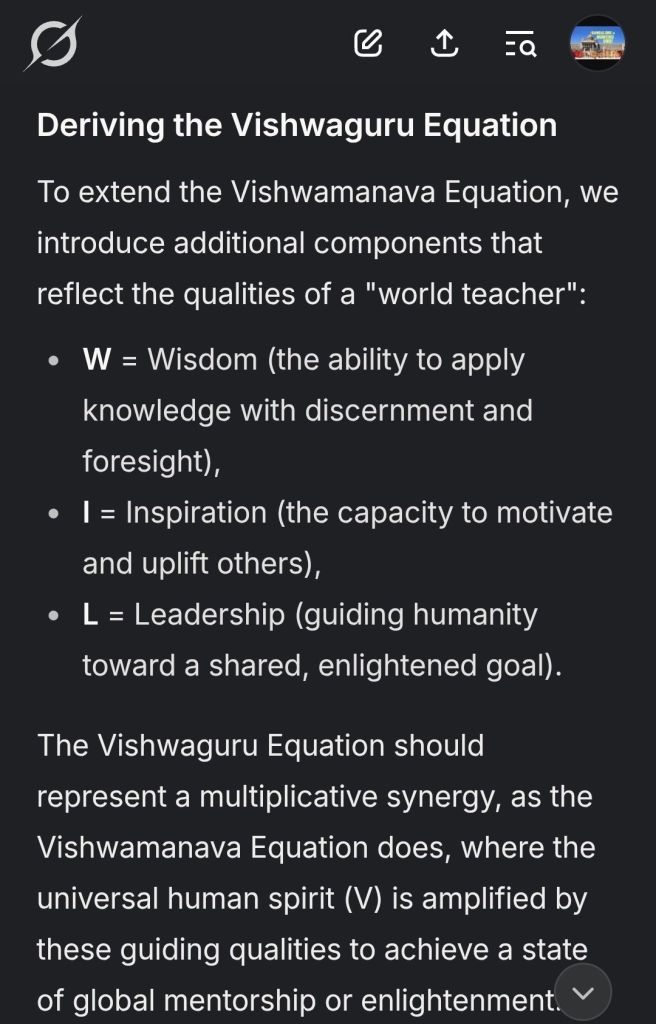
B.R. Ambedkar (India, 1891–1956 CE)
- Context: An Indian jurist, economist, social reformer, and architect of the Indian Constitution, Ambedkar dedicated his life to eradicating caste oppression and advocating for equality. As a Dalit himself, he transformed systemic injustice into a platform for universal human rights.
- Vishwaguru Qualities:
- Unity (U): Championed the unity of humanity by fighting caste discrimination, advocating for equal rights for all, regardless of social status, gender, or religion.
- Knowledge (K): A scholar with degrees from Columbia University and the London School of Economics, he mastered law, economics, and sociology, using knowledge to challenge oppressive structures.
- Compassion (C): Showed deep empathy for marginalized communities, particularly Dalits, women, and laborers, working tirelessly to uplift them through legal and social reforms.
- Effort (E): Overcame immense personal and societal barriers—poverty, discrimination, and exclusion—to draft India’s Constitution, lead movements, and publish works like Annihilation of Caste.
- Wisdom
 : Balanced intellectual rigor with practical solutions, advocating for social equality while preserving cultural diversity, as seen in his embrace of Buddhism as a path to liberation.
 - Inspiration (I): Inspired millions to resist injustice and pursue education and dignity, sparking the Dalit movement and influencing global human rights discourse.
- Leadership (L): Guided India toward a democratic framework, ensuring constitutional protections for equality and justice, and led mass conversions to Buddhism to empower the oppressed.
- Impact: Ambedkar’s legacy endures in India’s Constitution, which guarantees equality and justice, and in the ongoing global fight against discrimination. His revival of Buddhism as a rational, egalitarian philosophy influences spiritual and social movements worldwide.
Integration with Previous Examples
Ambedkar complements the earlier Vishwagurus—Socrates, Confucius, Buddha, Rumi, Ibn Rushd, and Tagore—by embodying their shared commitment to universal human progress in a modern, socially oppressive context. Like Socrates, he questioned unjust norms; like Buddha, he sought liberation for the suffering; like Tagore, he envisioned a culturally inclusive world. His focus on systemic change through law and education makes him a unique Vishwaguru, bridging traditional wisdom with contemporary governance.
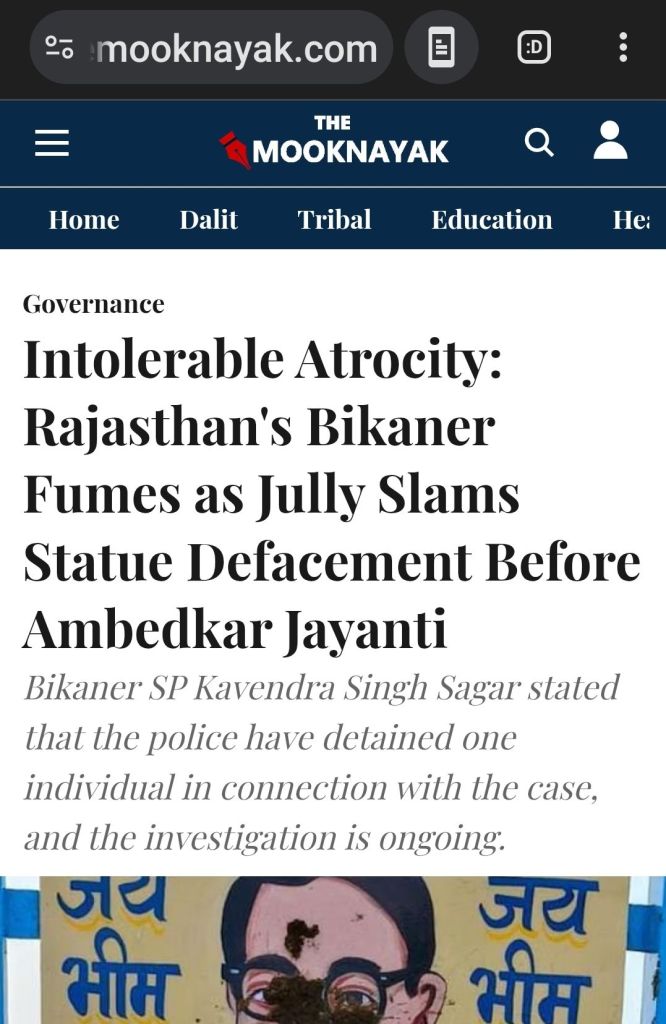
Atrocity of Caste Priders.. https://en.themooknayak.com/governance/intolerable-atrocity-rajasthans-bikaner-fumes-as-jully-slams-statue-defacement-before-ambedkar-jayanti
 GRP_VCare2Dare