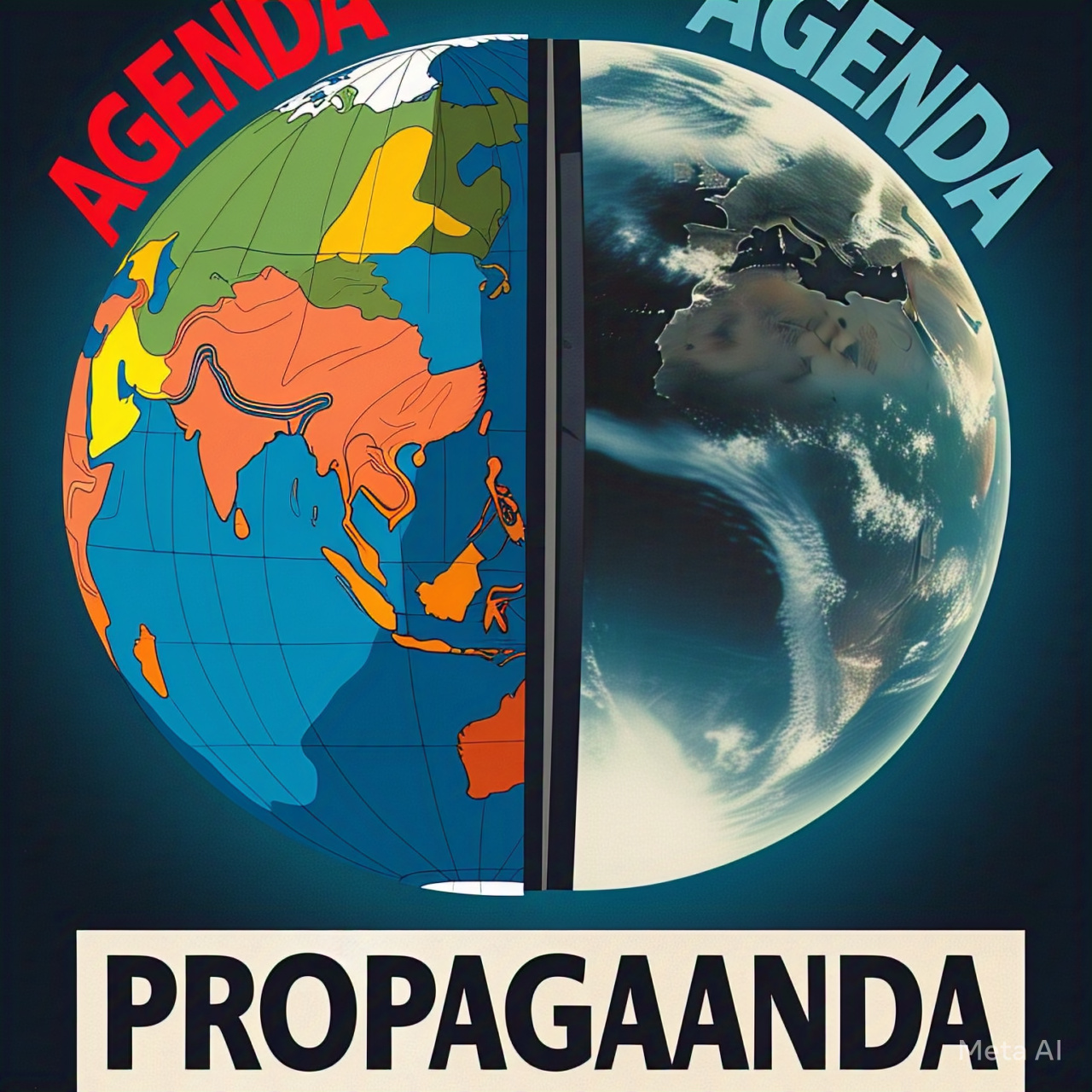
1. GROKs Answer:
Distinguishing between a proper agenda and propaganda can be tricky, as both involve shaping opinions or pushing a narrative. The difference lies in intent, transparency, and how facts are handled. Here’s a breakdown to help you spot the contrast:
A proper agenda is a clear, honest plan or goal, often rooted in solving a problem or advancing a cause. It’s upfront about its purpose and relies on reason, evidence, and open dialogue. For example, a campaign to improve healthcare might present data on hospital shortages and propose solutions, inviting debate. It aims to inform and persuade through logic, not manipulate.
Propaganda, on the other hand, is about control—swaying emotions and beliefs, often at the expense of truth. It hides its true motives, cherry-picks or distorts facts, and leans on repetition, fear, or flattery to hook you. Think of wartime posters exaggerating enemy atrocities to rally support, or ads claiming a product “cures all” without evidence. It’s less about discussion and more about programming a response.
Key markers to tell them apart:
- Transparency: An agenda says, “Here’s what I want and why.” Propaganda masks its endgame, dressing up as something noble or neutral.
- Evidence: A proper agenda builds on verifiable facts, even if biased. Propaganda twists or invents “facts” to fit its story.
- Emotion vs. Reason: Agendas appeal to your head—logic and trade-offs. Propaganda targets your gut—anger, pride, or hope—often sidelining critical thought.
- Openness to Critique: An agenda can handle pushback and adjust. Propaganda doubles down, dismissing dissent as disloyalty or ignorance.
- Outcome: Agendas seek progress or solutions, even if imperfect. Propaganda prioritizes power, loyalty, or blind agreement.
Take climate change debates: A group pushing renewable energy with stats on emissions and costs has an agenda—clear and arguable. But a slick video claiming “the planet’s doomed unless you obey us,” ignoring science and shaming skeptics, reeks of propaganda.
To know the difference, step back. Check sources—primary data over soundbites. Ask: Is this explaining or selling? Does it invite questions or demand faith? Your instincts can flag the vibe, but cross-checking facts seals the deal. In a noisy world, that’s your filter.
2. Meta.A.I Answer.
The line between a proper agenda and propaganda can be blurry, but there are key differences. A proper agenda typically involves a transparent and fact-based presentation of goals, objectives, and plans, often with the intention of informing or educating. On the other hand, propaganda usually involves biased or misleading information, often with the intention of influencing opinions or behaviors.
To know the difference, consider the following factors:
- Source: Who is presenting the information? Is it a credible, unbiased source or an organization with a vested interest?
- Purpose: What is the goal of the information? Is it to educate or inform, or to persuade or manipulate?
- Language and tone: Is the language neutral and objective, or is it emotive and sensationalized?
- Evidence: Are claims supported by credible evidence and facts, or are they based on assumptions, anecdotes, or unverifiable data?
- Balance and perspective: Does the information present multiple viewpoints and acknowledge potential counterarguments, or does it focus on a single, biased perspective?
- Intent: Is the intention to inform and empower, or to manipulate and control?
By considering these factors, you can better distinguish between a proper agenda and propaganda. If the information seems overly biased, emotive, or manipulative, it may be propaganda. If it’s fact-based, balanced, and transparent, it’s more likely a proper agenda.
To understand the difference between a proper agenda and propaganda, let’s look at real-life examples from India and China.
Indian Proper Agenda News
A reputable Indian news outlet like The Indian Express publishes in-depth reports on various topics, including politics, economy, and social issues. For instance, their coverage of the Doklam dispute between India and China provides a balanced view, quoting experts and government officials from both sides. This type of reporting showcases a proper agenda, focusing on fact-based information and diverse perspectives ¹.
Chinese Communist Propaganda News
On the other hand, Chinese state-controlled media outlets like Global Times and China Daily often spread biased information to promote China’s agenda. During the Galwan Valley clash, these outlets released misleading reports and images attempting to show Chinese soldiers in a more favorable light compared to Indian soldiers. This is a classic example of propaganda, aiming to shape public opinion and create a pro-China narrative ².
Key differences
To distinguish between a proper agenda and propaganda, consider the following factors:
Source credibility: Is the news outlet reputable and fact-based, or is it controlled by a government or special interest group?
Language and tone: Is the reporting balanced and neutral, or is it emotive and sensationalized?
Purpose: Is the goal to inform and educate, or to influence and manipulate public opinion?
By being aware of these differences, you can make informed decisions about the credibility of news sources and avoid falling prey to propaganda.
 GRP_VCare2Dare