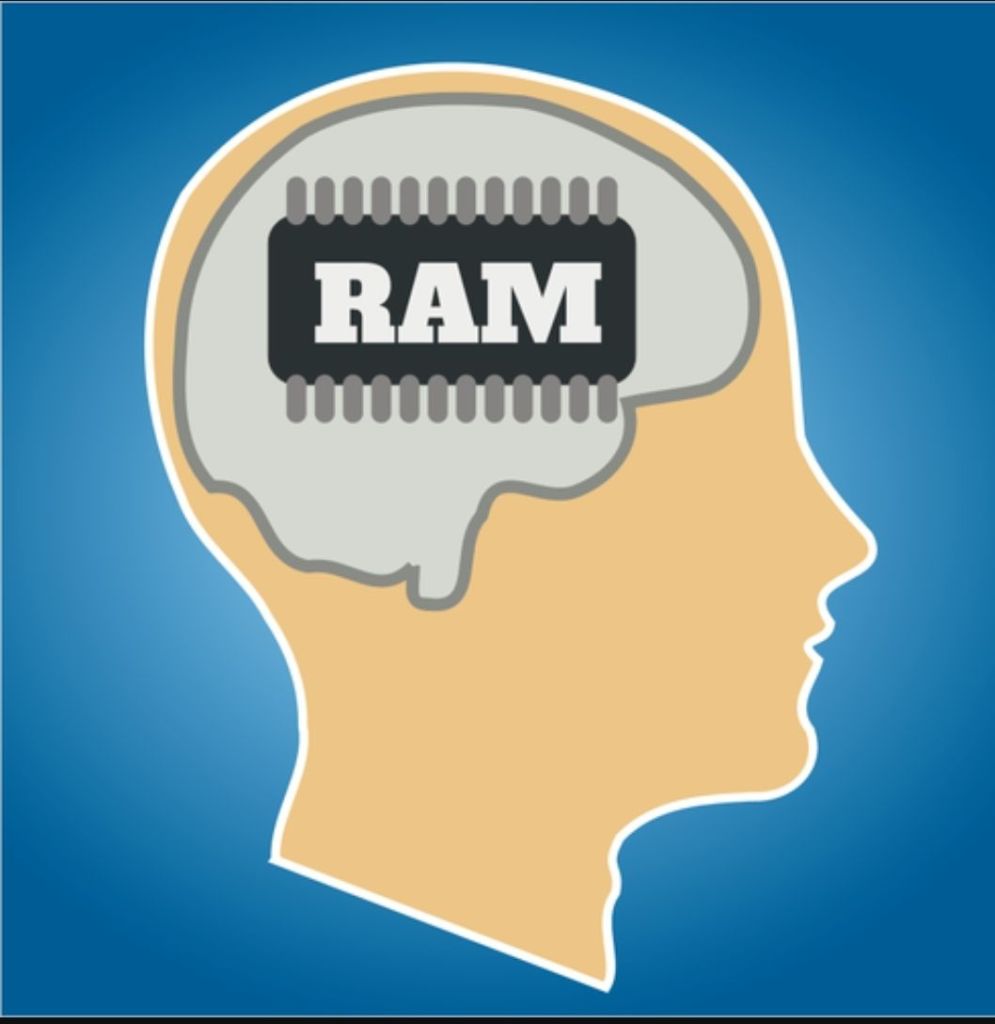
The statement “Ram is not just an Idol to be only worshipped in Temples (Mounts) but “RAM is an Ideal” to be Justly Workshopped between our Temples (Minds).” reflects a philosophical and spiritual interpretation of Lord Rama, a central figure in Hinduism, particularly revered in the epic Ramayana.
To explore this statement, we can break it down into its core ideas and examine them through the lens of Rama’s life, teachings, and cultural significance.
First, the phrase “Ram is not just an Idol to be only worshipped in Temples (Mounts)” suggests that Rama transcends mere ritualistic veneration or physical representation. In Hinduism, idols serve as focal points for devotion, but the deeper essence of deities like Rama lies beyond their material forms. The Ramayana, authored by Valmiki, portrays Rama not just as a divine incarnation (avatar) of Vishnu but as a human figure facing trials, making choices, and upholding values. His life—marked by exile, loyalty, and sacrifice—demonstrates that his significance extends beyond temples as static places of worship.
The second part, “RAM is an Ideal to be Justly Workshopped in our Temples (Minds),” introduces Rama as a model for internal reflection and personal growth. Here, “workshopped” implies actively engaging with Rama’s qualities—such as righteousness (dharma), compassion, and resilience—in the “temples” of our minds. This aligns with the concept of Maryada Purushottama, or “the ideal man,” a title given to Rama for embodying moral perfection. For instance, Rama’s adherence to dharma is evident when he accepts his exile to honor his father Dasharatha’s word, despite the personal cost. His compassion shines through in his treatment of allies like Sugriva and Vibhishana, and his resilience is clear in his battle against Ravana to rescue Sita.
Historical and cultural evidence supports this view. The Ramayana has inspired countless works—like Tulsidas’s Ramcharitmanas—that emphasize Rama’s ideals as a guide for living, not just worshipping. Devotees are encouraged to internalize his virtues, as seen in teachings like “Rama Tattva” (the essence of Rama), which calls for emulating his conduct in daily life.
Philosophers and saints, such as Swami Vivekananda, have also praised Rama as a symbol of ethical strength, reinforcing the idea that his legacy is meant to be actively cultivated within us.
The statement’s truth lies in this duality: Rama is worshipped outwardly in temples, but his real power unfolds when his ideals are “workshopped”—refined and applied—in the mind. This is not a passive act but a dynamic process of self-improvement, making Rama a living principle rather than a distant deity. Thus, the statement holds as a profound truth rooted in the Ramayana’s narrative and its enduring impact on human consciousness.
Rama is just not only for Lips_Service.. Its to make for our Life_Service..
Choices are to be Ram-Bhakt celebrations & also can be more as to bring ‘RAM-Backed‘ Transformations.
 GRP_VCare2Dare