To Know the Laws is to upkeep the Laws.
https://bengaluru.dcourts.gov.in/judges-on-leave/
1. LLB: https://bit.ly/3LfJt6f
2. https://grpvcare2dare.design.blog/2022/05/12/s134-common-laws-for-common-man/
3. https://grpvcare2dare.design.blog/2022/08/01/s177-law-love-light-3-steps-towards-bettering-life/
5. https://grpvcare2dare.design.blog/2022/10/03/s208-laws-of-karmodynamics/
7. https://grpvcare2dare.design.blog/2022/10/17/s214-mnemonics-menemonics-gnemonics-distinctions/
10. https://grpvcare2dare.design.blog/2023/01/05/allstudents-alumni-lawyers-group-for-blcians/
12. http://www.barcouncilofindia.org/
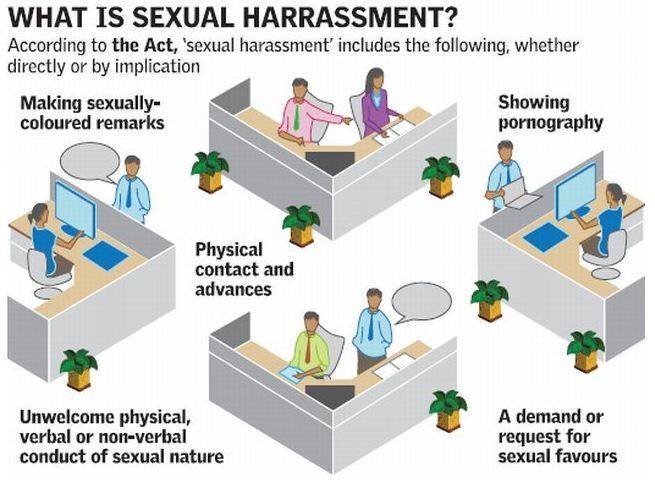
13. http://gptsoraba.in/english/doc/vishakaguidelines.pdf
14. Supreme court Live Streaming: https://www.youtube.com/@supremecourtofindia5950
15. Constituent Assembly Debates.
16. For KSLU Students Exam Writing Tips (Reproduce with Permission from Mr.Ramesh.)
Yesterday, I had a brief interaction with 1st year, 3 year LLB students of BLC and shared some of my experiences of KSLU exams. Highlights of the same are as under.
Tips for BLC Exams
- There is no short cut for hard work; God helps those who help themselves; hope for the best and be prepared for the worst.
- Exam pattern: 5 units, 10 plus 6=16 marks; internal choice: mostly headings in syllabus are converted to questions.
- Read syllabus multiple times and make a chart of old question papers from 2018-2019 onwards unit wise.
- Prepare for all units: don’t take choice among the units even if you take choice within a unit based on old question paper analysis.
- What to read: prescribed books if you want to score higher marks; Class notes or other notes/resources. But sometimes there would be factual errors in the other resources, so be carful. But if you have read books then you can identify the errors.
- Take one good source/notes as a base and can add points to it from other sources.
- How to read: Attended classes- have advantage otherwise give a first reading whether you understand or not of the whole syllabus.
- Then second reading: Understanding. see questions and prepare key points with illustrations and case laws ( 2 each for important concepts: better if can prepare separate chart – I have shared the ones prepared by me for Constitution and Torts ).
- If you are very lazy to make points, then you can underline important points. Write the range of sections for a concept. You can read only sections multiple times for remembering.
- For remembering points, Acronyms, Mind maps or comedy sentences can be prepared ( Eg: General defences for tort: “If a wrongdoer voluntarily for his private necessity makes a mistake or accident then what the God or Statutory authority can do?” or “for VIPs let PM ANS”
- May discuss with friends or May see You tube videos or read from a detailed book if you have doubts on concepts.
- How our memory works: 24 hours, 1 week, 1 month revision
- 3rd reading or revision : only underlined things or points made.
- Exam writing: divide time and write, don’t leave any questions. How they give marks : max 7-8 and 5; Good: 5-6 and 3-4. Average: 3-4 and 2-3. Otherwise: fail.
- Long Answer: Synopsis, introduction, definition and meaning, classification ( Chart/ Scheme is better), details in 2-3 sentences each, illustrations, case laws if applicable, conclusion.
- Short Answer: meaning, details, merits, demerits, one illustration and/or case law, conclusion
- Problems: mostly from illustrations in Bare act or a famous case law on a concept. scoring and lesser writing and saves time. Write: what is given facts, What the relevant provisions of the law state, application to the facts given, Illustration or case law, inferences, exception if any, conclusion.
- Time management techniques in exam and life : Prioritisation; follow Urgent important matrix : 4 quarters ( UI/ NUI/UNI/NINU) (Eisenhower Matrix)
- Lumberjack(wood cutter) Story.
- My personal Experience of 5-6 University exams including UPSC
- Any doubts?
- If you want really master law: concentrate on reading bare act, need to learn interpretation of words, reading commas, provisos, explanations, referring to relevant rules, notifications, instructions and case laws together and applying to a new facts of a case. Commentaries and original case law reading would help.
- Shared some points prepared which you can scan and share among your selves.
- As you people don’t have much time today, but If you want to have a detailed discussion on any of the concepts or reading/exam writing skills, then I can discuss the same if you tell me in advance and fix up a time.
All the best.
G Ramesh
 GRP_VCare2Dare