The UCC: Uniform Civil Code can either be..
1. Ugly-designed Cievil Code or 2. UltiMATEly-designed Civilizing Code.
Everthing Depends on Participation of the Baseful_BASISED in Facts from Intellectuals+Academia & Committed Citizenry (i.e Neo_Politics V5.0) Vs the Baseless_BIASED by fiction of Vested-Interests & Committed_Tyranny (Old_Politics 1-4.0).
Rooted for Our Nation, Our Needs & Our Reforms towards Our Futures. UCC for India can be for safety & security of families & it can turn out to be the greatest remedy (Medicine), comedy (Mistake) or tragedy (Malice), it depends on the principles of the Communities (Minds) creating & implementing it. We Sow what we reaped, and reap what we sowed.
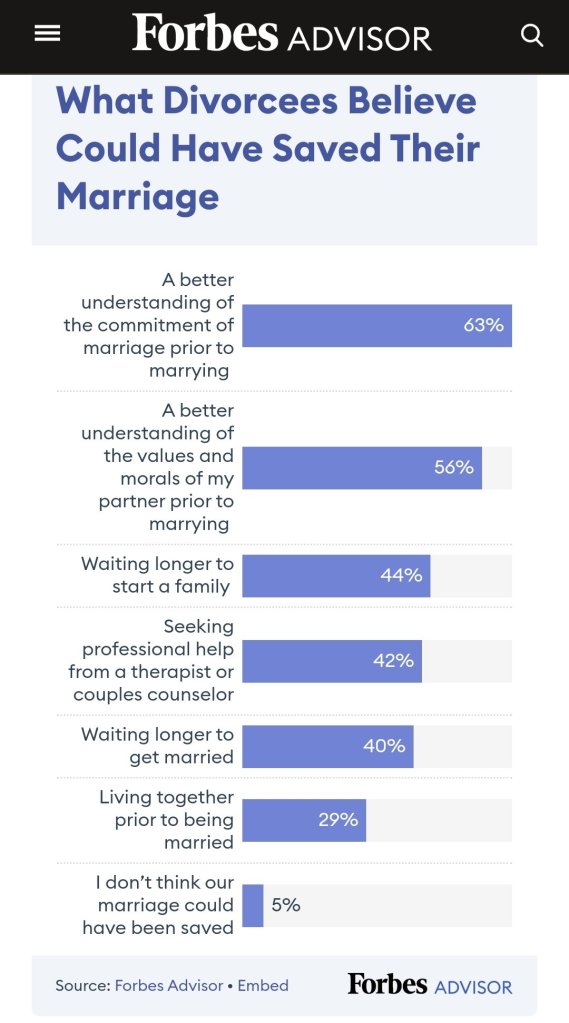
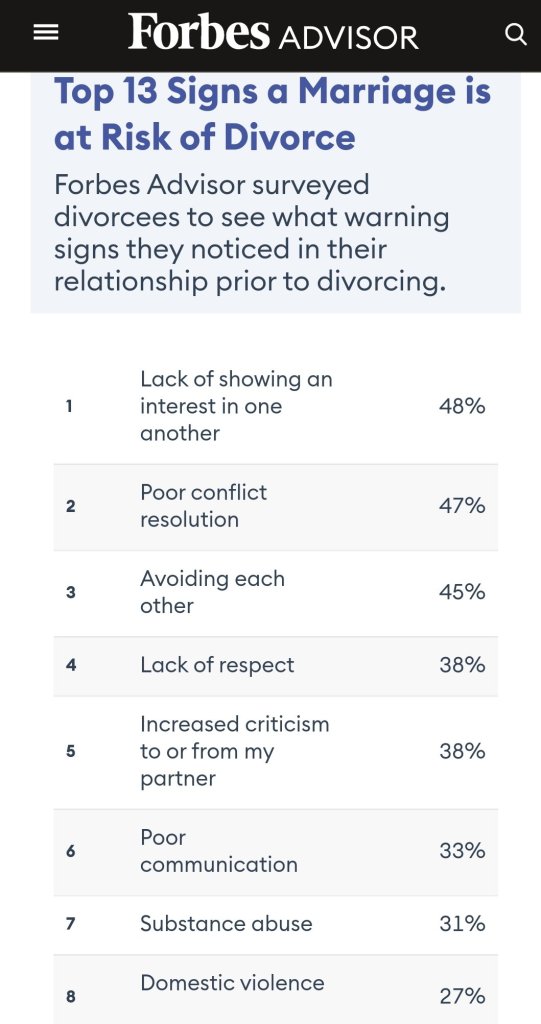
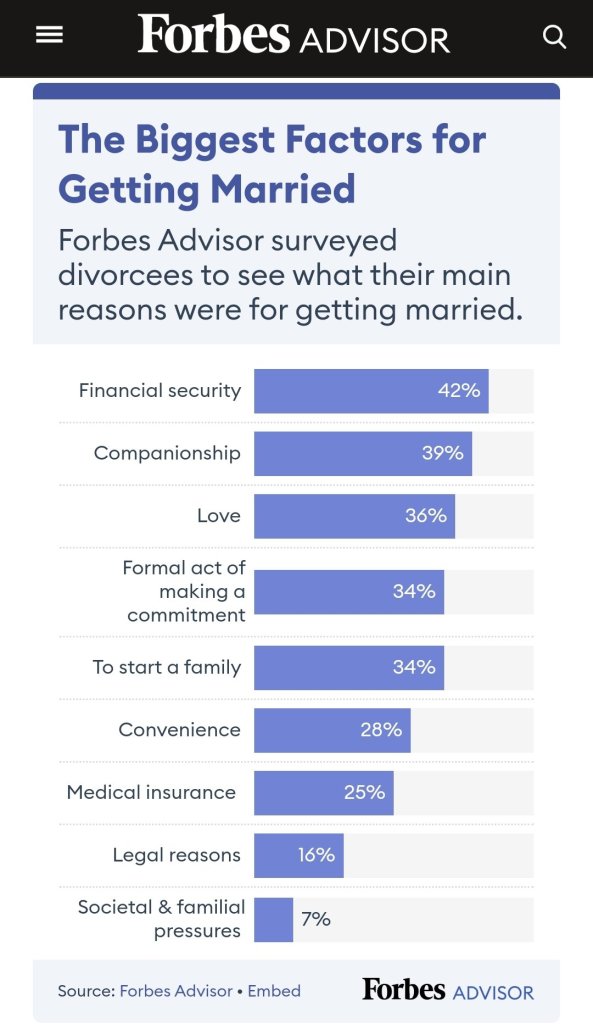
Visions to Divorce-proof & create Sustainable-families by Safey-fying well-informed & formed Marriages & Reduce Ill-informed Damages.
Whether marriages are made in Heaven, Havan or in Oven. Depends on the two or more Inter_family Mothers-In-laws & Ideological Compatibility between the partnering-spouses in many cases where the Mothers-belief or mater-Religion/ideology hold the remote control of the minds & relational life choices of children & family members.
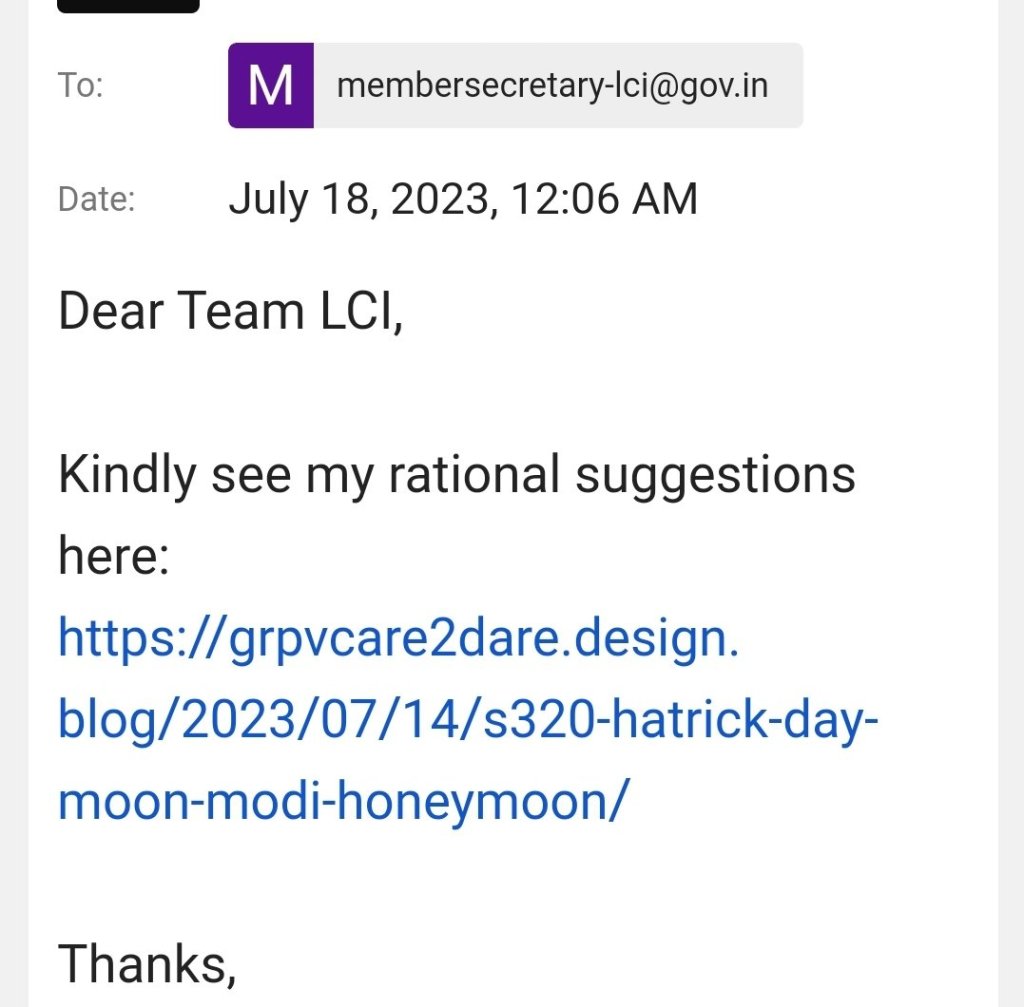
Can Share about UCC Suggestions @ .Gov.in
For a better Rational_Bengaluru:
https://www.civis.vote/consultations/544/read
Top 4 Better_UCC Sources of Suggestions here, feel free to take any, add more and Cite them and fill for the UCC suggestions. Neglect our social duty at own and others risk. Or Do it for Safety of all. Please Care, Share & Amplify this Call2 Action.
Our Opportunity for Better_Indian Familial_Systems.
#BetterCodes = #BetterFamilies
#Bitter_Codes= #BitterFamilies
Choose or Loose Opportunity to betterify with well-designed systems: https://grpvcare2dare.design.blog/2023/07/19/s325-rational-ucc-vs-biased-ucc-citizens-call-for-better-uniform-civil-code/
Like it or not This is going to affect us all at the roots. If we act rationally it can be better, if we neglect or let others make it irrational, it can get worse. Be aware, Be Warned.
Source1: UCC Proposals by GRP July14 https://grpvcare2dare.design.blog/2023/07/14/s320-hatrick-day-moon-modi-honeymoon/
Source2: Note from a WiseElecter Citizen(Indra):
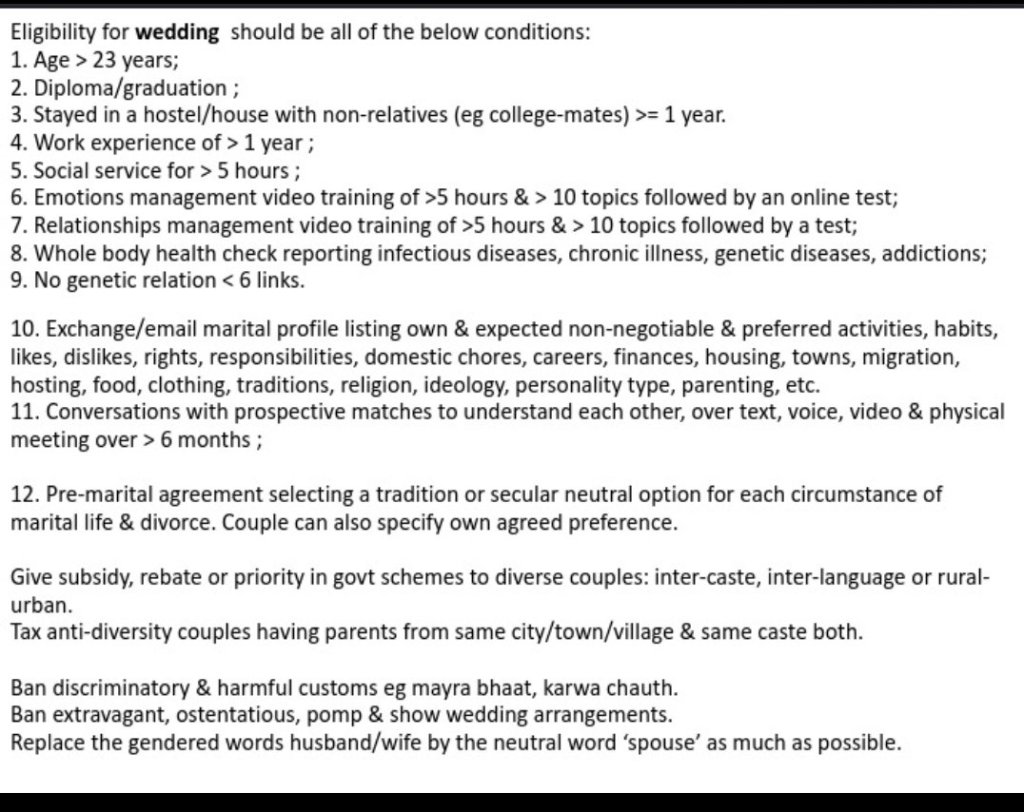
UCC can accommodate different customs/requirements of tribals, sects, regions & genders, by including them as options along with secular rational UCC option for each life stage/circumstance in a Pre-marital agreement. Each couple can mix, match, choose & finalize as per their individual requirements.
A pre-marital agreement should be mandated to be filled & signed by each couple before wedding. A detailed list will bring clarity & mutual understanding of each other’s expectations, wishes, preferences, rights, responsibilities, spending style, parenting approach & plans for a married life as well as how to handle divorce.
Write a list of family issues & legal suggestions.
Get reviewed by a psychologist & law professor.
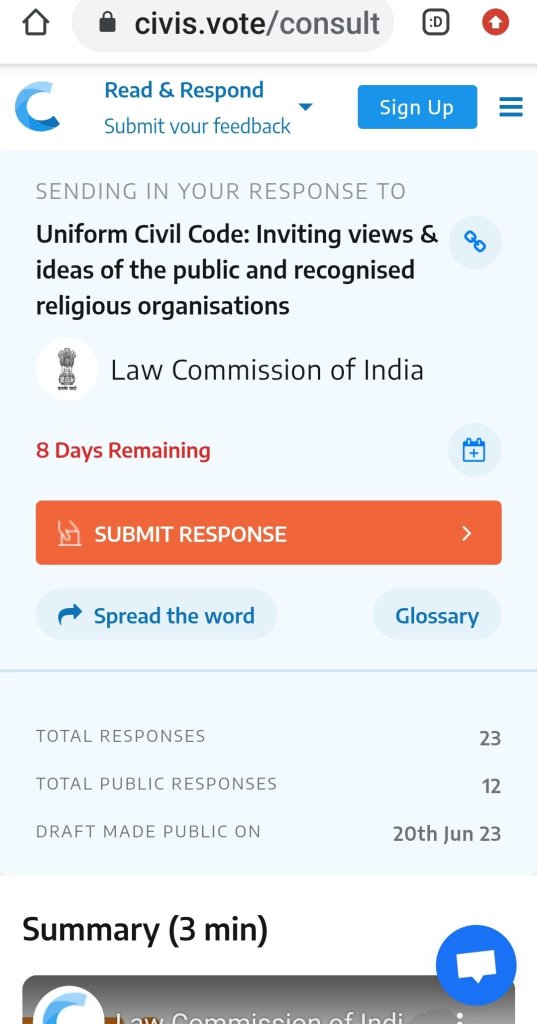
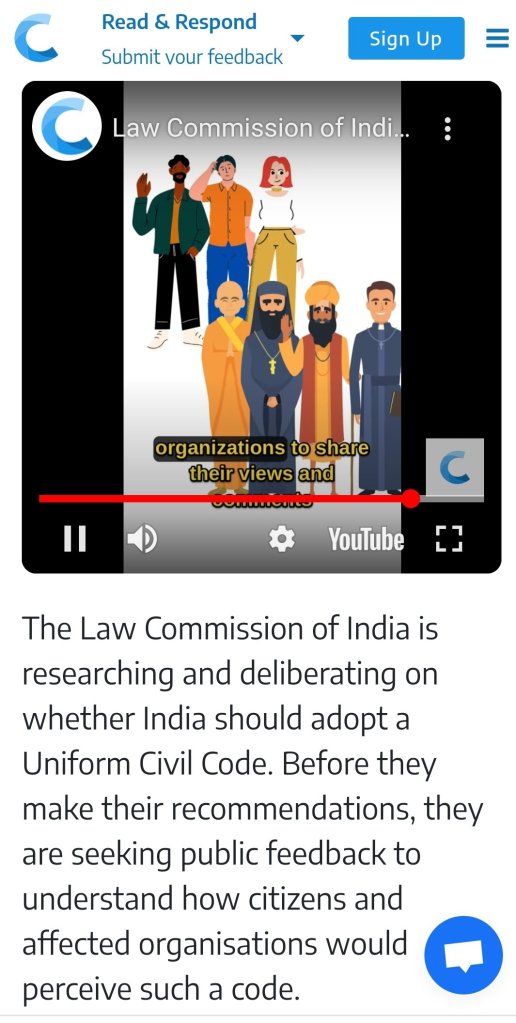
Submitted: https://www.civis.vote/consultations/513/read
Source3: Vaastav Foundation https://twitter.com/vaastavngo/status/1680050635004317696?s=20
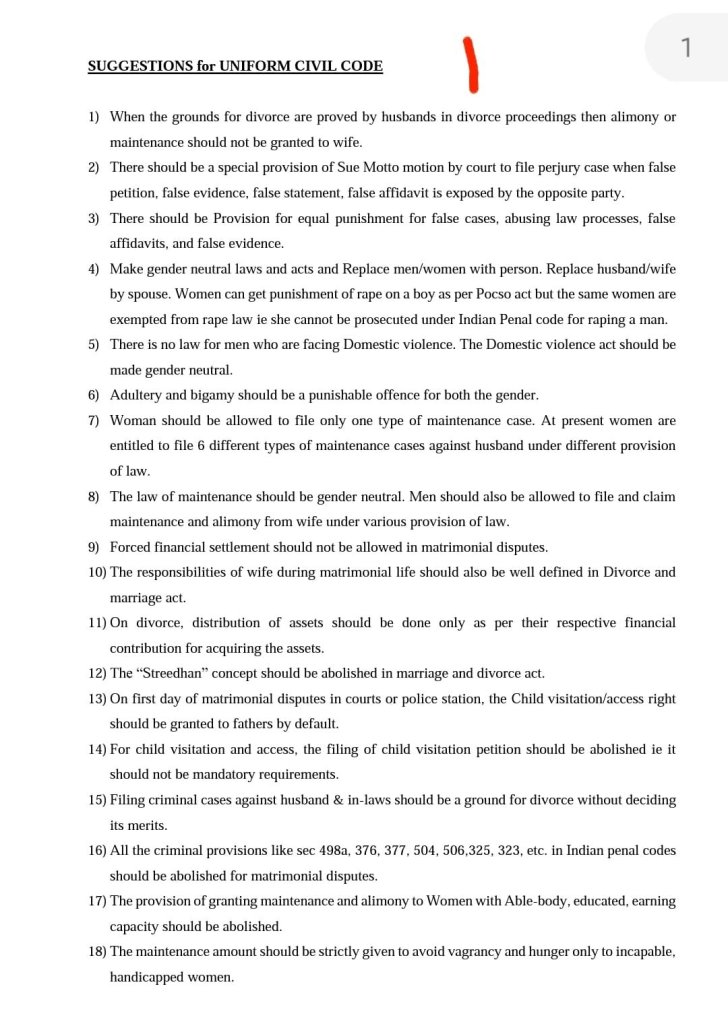
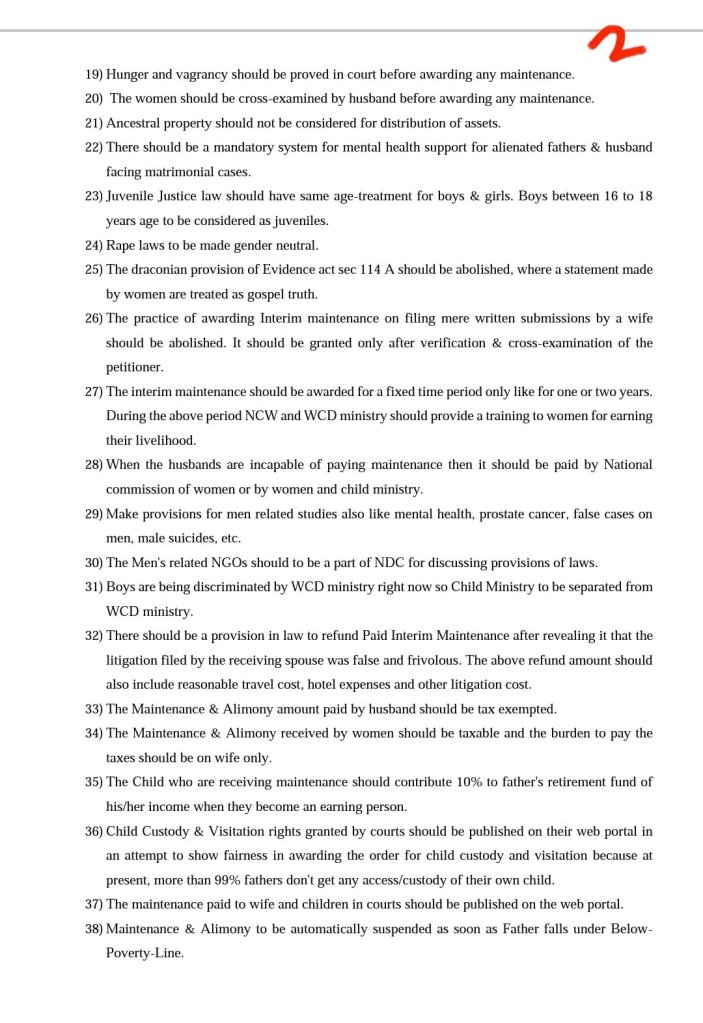
Source4: Mens Rights India(MRI): https://docs.google.com/document/d/1zJAN8TYEo2tC81VSH6NQlg9rW5Rged4dwfOwQ0q_Ceo/edit?usp=sharing
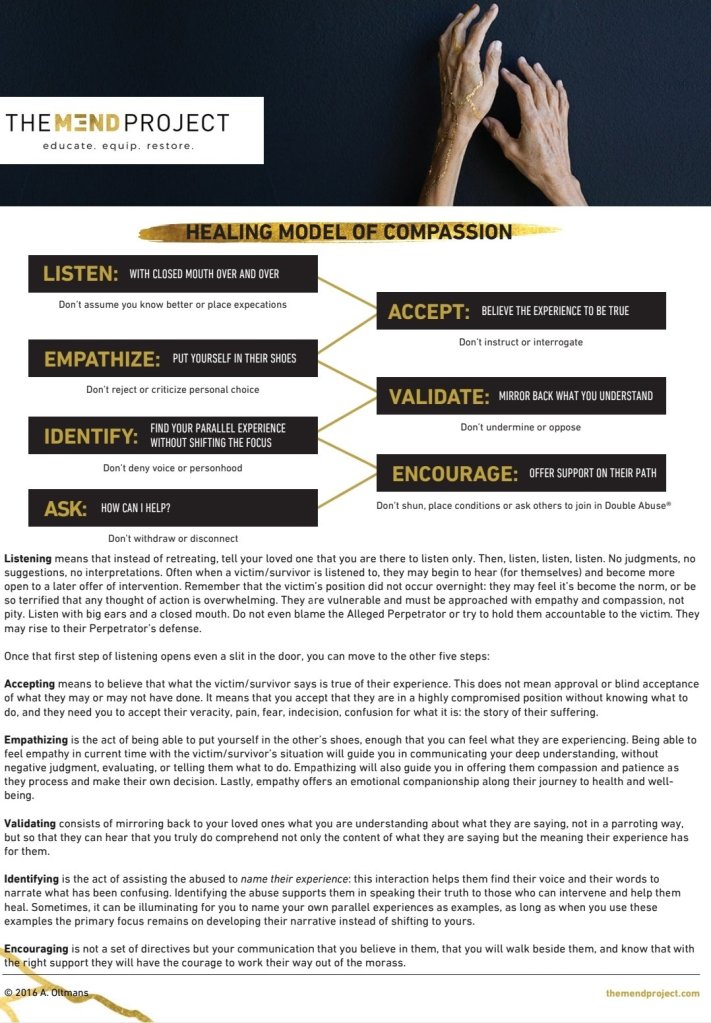
More Resources, Discussions and Call to Actions at Manavmitras & HumaRA Mitrad Groups.
50+Helplines: https://grpvcare2dare.design.blog/2023/01/07/s241-top-50-indian-helplines-for-you/
Positive Genderity Group: https://grpvcare2dare.design.blog/2021/12/02/s87-project-manav_mitras-connect-heart2heart-for-universal-brotherhood-fraternal-culture-friendships-group-prasad/
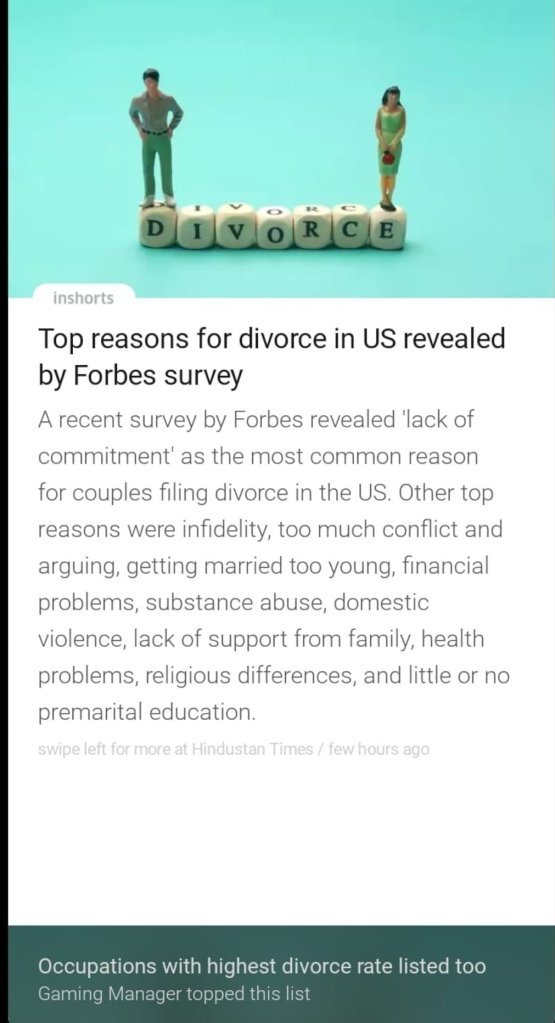
Risks of Breaking India Forces to Break Indian Families: https://psychcentral.com/relationships/top-reasons-for-divorce
More Family Safety Is in Better UCC.., More Family Failures in worser UCC.. https://grpvcare2dare.design.blog/2023/07/19/rational-ucc-proposals-2023/
Some more Info Sourced from Indra in Wewadh Debates Group.
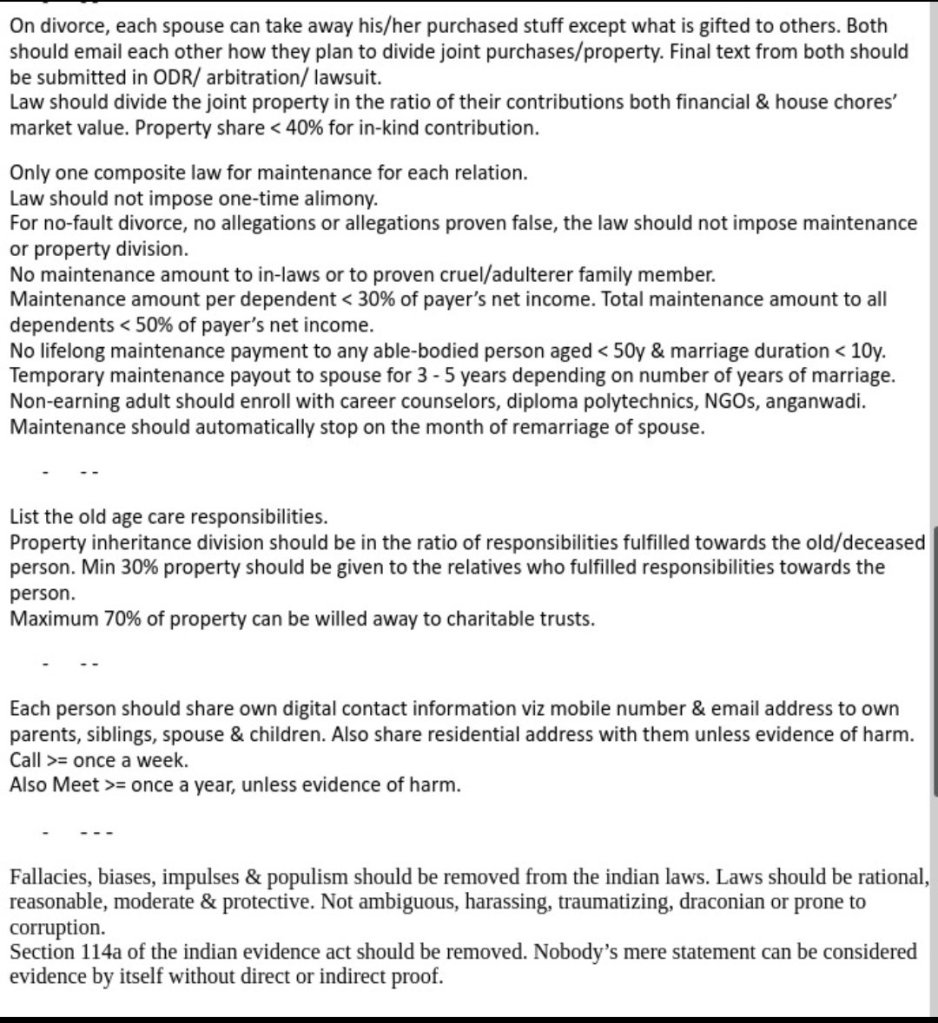
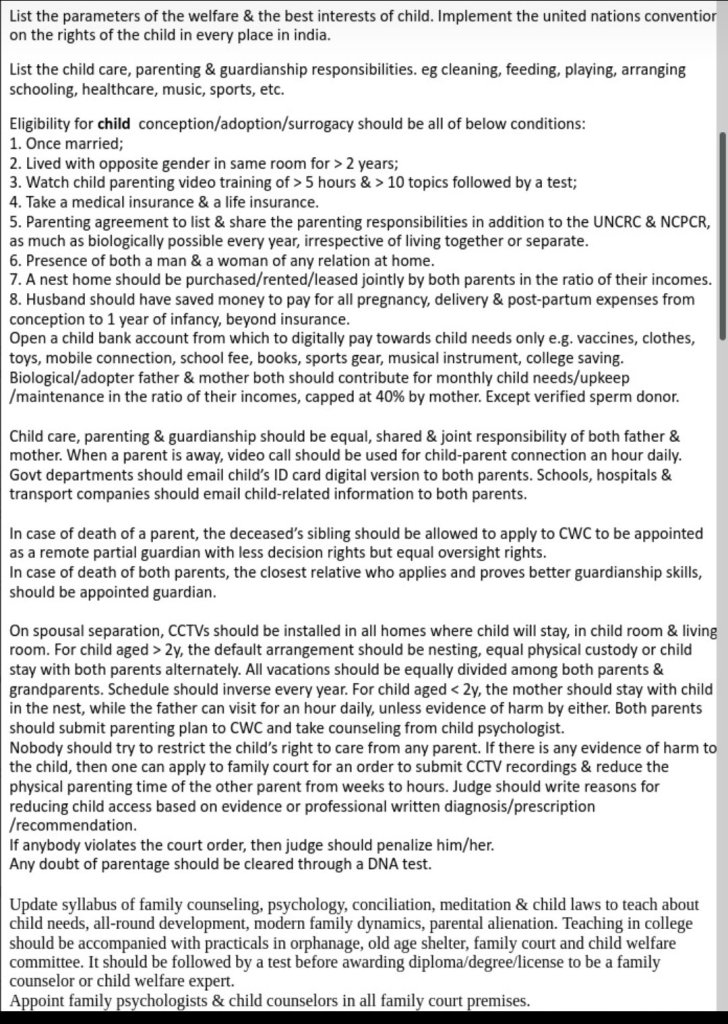
Feedback Points on Uniform Civil Code by Vivek Deveshwar is marked with CC0 1.0 Universal
CC0 1.0 CC0 1.0 Universal
Introduction
This document is being provided as a collaborative effort of individuals with various points of feedback on proposed Uniform Civil Code.
Interested people can study it and send their own feedback points.
Collaborative and read-only stable versions of this document
This is a read only stable version of the document.
For people interested in studying UCC and adding own points for benefit of public, they can do so in the collaborative edit version: https://docs.google.com/document/d/15sciKERTSpXbodDEZmWqHXEJ66NJnehxLrAIxfzkloQ/edit?usp=sharing
Useful points from the collaborative version will be updated into this document regularly.
Note: the document will remain in public domain as given in the Public Domain License section above.
Sl No
Document version
Changes
1
20230618_1
Initial points on age of consent, marriage; VC Hearing, Alimony, Maintenance, Child Custody
2
20230618_2
Added summary of California, Texas, Massachusetts alimony laws
3
20230709_3
Overhauled. More structured headings. Added points as per Live Discussion
4
20230713_4
Added: Unify matrimonial litigations, more suggestions to FPC, forms for routine IAs, claim compensation for false allegations, aadhaar for fraud prevention,
Current Document Version: 20230713_4
Alimony Reforms
Duration of Marriage
Duration of marriage should be codified into alimony consideration and calculation: Under Hindu Marriage Act (HMA), there is no concept of duration of marriage in deciding on alimony amount. This leads to very unfair and unequal treatment where a wife who stayed with husbands for few days or weeks gets treated on par with a wife who has lived married life for 20 years before separation. Supreme Court has mentioned about duration of marriage in Rajnesh vs Neha judgment. However, this needs to be brought into statute in a proper codified manner. Just as an example, below is Texas, US law on deciding alimony based on duration of marriage: https://texaslawhelp.org/article/spousal-maintenance-alimony
Supreme Court in Rajnesh vs Neha 2020 judgment (page 37) has recognized that duration of marriage should be a factor in determining amount of alimony award and lifetime alimony will be inequitable on husband for short duration marriage:
Permanent alimony
(i) Parties may lead oral and documentary evidence with respect to income,
expenditure, standard of living, etc. before the concerned Court, for fixing
the permanent alimony payable to the spouse.
(ii) In contemporary society, where several marriages do not last for a
reasonable length of time, it may be inequitable to direct the contesting
spouse to pay permanent alimony to the applicant for the rest of her life. The
duration of the marriage would be a relevant factor to be taken into
consideration for determining the permanent alimony to be paid.
Lifetime alimony when no children is bad public policy: Also, it is seen that many women become eligible for awards of lifetime alimony for relatively short marriage and no children in marriage. It is unjust on men and their families who are burdened with a huge financial outlay for no fault. It is again unjust by not differentiating between women who contribute in marriage for decades and then separate and those who stay for a few months or 1-2 years at maximum.
Reference: Summary of how alimony varies by duration of marriage in few states of US
Summary of Alimony laws in few states of United States limiting time of alimony (monthly) based on duration of marriage
California
For marriages that lasted less than 10 years, the general guideline is that spousal support may last for a period equal to half the length of the marriage. However, this is not an absolute rule, and the court has discretion to deviate from it based on other relevant factors.
For marriages that lasted 10 years or more, there is no presumption or guideline regarding the duration of spousal support. In such cases, the court has broader discretion to determine the length of support, and it may continue for an indefinite period, especially in long-term marriages where one spouse has a demonstrated need for support and the other has the ability to pay.
It’s important to note that spousal support orders can be modified or terminated based on a significant change in circumstances, such as the supported spouse becoming self-supporting or the paying spouse experiencing a significant decrease in income.
Texas
In Texas, alimony is referred to as “spousal maintenance.” The Texas Family Code provides guidelines for the duration of spousal maintenance based on the length of the marriage.
For marriages that lasted less than 10 years, the maximum duration of spousal maintenance is generally limited to five years. However, the court may order a shorter or longer duration depending on the specific circumstances of the case.
For marriages that lasted between 10 and 20 years, the maximum duration of spousal maintenance is typically up to five years. However, if the court determines that the spouse seeking maintenance has a disability or is the primary caregiver of a child with a disability, the duration can be extended up to ten years.
For marriages that lasted 20 years or more, the court can order spousal maintenance for a maximum duration of up to ten years.
It’s important to note that these are general guidelines, and the court has discretion to deviate from them based on various factors. The court will consider factors such as the spouse’s ability to provide for their own needs, their education and employment skills, the age and health of the spouses, and any history of family violence, among others.
Additionally, spousal maintenance can be modified or terminated under certain circumstances, such as the remarriage of the recipient spouse or a substantial change in the financial situation of either spouse.
Massachusetts
In Massachusetts, the duration of alimony is determined based on the length of the marriage. The Massachusetts Alimony Reform Act, which went into effect in 2012, provides guidelines for the duration of alimony payments.
For marriages that lasted up to 5 years, the general rule is that alimony may be awarded for a period of up to 50% of the length of the marriage.
For marriages that lasted between 5 and 10 years, the duration of alimony can be up to 60% of the length of the marriage.
For marriages that lasted between 10 and 15 years, the duration of alimony can be up to 70% of the length of the marriage.
For marriages that lasted between 15 and 20 years, the duration of alimony can be up to 80% of the length of the marriage.
For marriages that lasted more than 20 years, the court may award alimony for an indefinite duration, without a specific time limit, unless there is a reason to set an end date.
It’s important to note that these guidelines provide a framework, but the court has discretion to deviate from them based on various factors. The court considers factors such as the length of the marriage, the income and earning capacity of each spouse, the age and health of the parties, the ability to become self-supporting, and the financial and non-financial contributions made during the marriage.
Furthermore, alimony orders can be modified or terminated upon a substantial change in circumstances, such as the recipient spouse’s remarriage, cohabitation, or a significant change in the financial situation of either spouse.
Fault of Spouse in determination of Alimony
Fault of spouse: Fault of a spouse e.g. Cruelty, Adultery, Desertion under HMA should be a core consideration in deciding amount of alimony. A faulting spouse should lose benefits or reliefs so that there is incentive in society to treat the matrimonial bond with sanctity and respect. Currently, it’s the opposite with a faulting spouse (usually wife) who may get almost the same award of alimony even if her husband gets divorce by proving her cruelty.
E.g. in the below reported news the high court noted that “even in cases where divorce is granted on the ground of cruelty, courts have awarded permanent alimony to the wife and there is no bar of cruelty in the right of the wife to claim maintenance”. https://www.tribuneindia.com/news/nation/occasional-adultery-wont-bar-wife-from-maintenance-delhi-high-court-386664
So a faulting spouse should get reduced alimony.
To create a balance of incentives and disincentives and also to preserve sanctity of marriage, a faulting spouse e.g. who does adultery or cruelty may be burdened with a higher alimony amount than may be otherwise ordered as per current laws.
Maintenance Reforms
Allow only single maintenance petition (and if needed amendments to it can be made)
Filing of Multiple maintenance petitions: The plethora of personal laws regarding maintenance like HMA Section 24, HAMA sections, and CrPC 125 and PWDVA need to be harmonized and inconsistencies removed. It should be made mandatory for a maintenance claimant to file one maintenance case under any of these laws. Filing a single case only for a cause of action is also a generally accepted good practice under procedural laws. Current practice allows multiple maintenance cases to be filed (sometimes across multiple states) which is like seeking the same economic / financial relief multiple times and it is neither common sense, nor sensible from the point of view of reducing unnecessary burden on courts where many other litigants are waiting patiently for years.
Create disincentives for able-bodied and qualified women to sit idle
Married women (especially without children) must not be incentivized to sit idle: Current maintenance laws like CrPC 125, DV Act are too lax in the sense that with the object of providing relief to destitute or oppressed women, they have gone overboard in granting huge maintenance amounts to women who are able-bodied, qualified, and can very well do some paid work but they willingly incapacitate themselves. MP HC has said in similar words in Mamta Jaiswal judgment in 2000 (https://indiankanoon.org/doc/1728023/) that law regarding maintenance should not become an excuse for a qualified wife to sit idle. Unfortunately, the subsequent case law has tended to ignore the principle that society cannot incentivize people to sit idle and have free lunch at someone else’s expense. And so it is commonly seen in judgments that a woman cannot be expected to work just because she is qualified. Not even a mention is made of any circumstances which have hampered her from searching for or doing a job.
Treating women as the weaker section of society is not a sound interpretation in 2023 when in many judgments by HCs and SC women are given equal privileges and benefits as men based on Right to Equality under Article 14. But in judgments related to maintenance, the paradigm of women as weaker class seems to be prevalent presumably also due to Article 15(3). But this dichotomy of interpretations vis a vis women’s rights is leading to confusion among general public is unable to understand how women are equal to men in certain scenarios e.g. regarding perks and emoluments, but also women are the weaker section of society when it’s about maintenance and alimony. In the case of husbands, it is commonly held that he has to provide maintenance for wife even if he has to do physical labour. But for a woman she is not supposed to work even if she is able-bodied and qualified. Such a divergent interpretation of laws based only on gender will create perverse incentives and destabilize the institution of marriage. It cannot be a sensible way to create healthy families and society.
Let all able-bodied women seeking maintenance at least do community or honorary work: Going further, if a woman without children seeking maintenance tries to find work but is unable to (and proof is provided to the court), then the court must ask her to spend similar hours in a week in a community centre, NGO, hospital, aanganwadi etc so that society can benefit from her efforts and talent and the taxpayer money spent on subsidized education, and she can also gain valuable experience which will help her to find paid work in future. It will also reduce incentives from voluntarily incapacitation of oneself.
Interim Maintenance award should be made within 3-6 months and duration of interim maintenance should be limited to 6 months to 1 year: The concept of interim maintenance has evolved to grant maintenance to wives while the main case is pending. However, it creates perverse incentives to file a false case on the husband with concocted allegations, get an interim maintenance order, and then enjoy interim maintenance and stop coming to court to finish the trial in a time bound manner. Even if the husband is able to prove wrongdoing by the wife later, he will not be able to recover the illegally obtained maintenance amount already paid and spent by the wife. The proposed solution is to make an Interim Maintenance award within 3-6 months and the duration of interim maintenance should be limited to 6 months to 1 year. Else, the only alternative solution is to finish the complete maintenance trials quickly within 3 months to 1 years maximum and pass only final maintenance orders after cross-examination, and full trial. In no other type of civil cases, the interim orders are allowed to grant so much reliefs as in maintenance cases. Such a practice is against principles of natural justice where the husband’s evidence is not even looked at and he is unable to do cross-examination of wife before grant of relief to wife. E.g. a recent judgment stated that though the husband has provided evidence of wife’s adultery, that evidence cannot be looked into at the stage of interim maintenance grant: https://timesofindia.indiatimes.com/city/mumbai/maintenance-cant-be-denied-over-adultery-charges-court/articleshow/92242284.cms
Similarly faulting spouse must not be given the gift of maintenance for years altogether (also see interim maintenance duration limit above): News stories like below where allegedly adulterous women are getting interim maintenance (which they may be able to enjoy for several years) shake the confidence of law abiding citizens that those who want to use the law ‘appropriately’ can get undue benefits which may seem immoral and unethical but wholly legal in the eyes of law:
https://indianexpress.com/article/cities/chandigarh/solitary-act-adultery-wont-disentitle-wife-to-claim-maintenance-hc-8181557/
https://www.tribuneindia.com/news/nation/occasional-adultery-wont-bar-wife-from-maintenance-delhi-high-court-386664
https://indianexpress.com/article/cities/chandigarh/solitary-act-adultery-wont-disentitle-wife-to-claim-maintenance-hc-8181557/
Taxation of Maintenance and Alimony amounts
The Maintenance & Alimony amount paid by a spouse should be deducted from his/her total taxable income.
The Maintenance & Alimony received by a spouse should be made taxable in the hands of the spouse who gets paid.
Abortion without good reasons and without consent of husband should be ground for divorce
Having children and family life is one of the core reasons for the institution of marriage. In case a wife is unwilling to have children post marriage and decides to abort, a husband should not be left hanging for years altogether trying to prove cruelty in courts. It would be better to codify it as part of the statute.
Also, it has been held in Samar Ghosh vs Jaya Ghosh 2007 Supreme Court judgment:
https://indiankanoon.org/doc/766894/
(xi) If a husband submits himself for an operation of sterilization without medical reasons and without the consent or knowledge of his wife and similarly if the wife undergoes vasectomy or abortion without medical reason or without the consent or knowledge of her husband, such an act of the spouse may lead to mental cruelty.
Recognize Pre-Nuptial agreements and they should have overriding value
Pre-Nupital agreements for division of assets / property, alimony after divorce should be honoured by courts and should have an overriding effect or much higher weightage over other legal provisions related to property, maintenance, alimony, stridhan etc.
Pre-nuptial agreement should not allow one parent to give up parenting responsibilities of any future children born in marriage.
Amendments to laws on Stridhan
The stridhan law should be amended to take into account the duration of marriage and whether the gift was given from the wife’s family or husband’s family. I propose the following:
A wife can claim to stridhan gifted by her own family as per existing laws.
A wife can lay a legal claim to stridhan esp valuables like gold and jewellery given by husband and his family only after the duration of 10 years of living married life with husband. Duration of separation should not count (unless due to reasons of travel of spouse for job etc).
This provision will plug the loophole wherein a newly married woman can take away accumulated wealth of husband’s family in the form of gold and jewellery (and some of it handed down over generations) even after a very short period of married life.
Child Custody
Law Commission of India Report no 257 must be implemented: The laudable provisions of joint custody and shared parenting mentioned therein must be codified into statutory laws like GWC, HAMA etc. Already there are many such HC judgments where shared parenting and custody has been adopted as the right solution keeping in mind the Welfare of Child principle. Guardianship should also be shared between parents.
Deem giving up on parenting of child as against public policy: It is observed that in many mutual consent divorces, one parent (usually father) gives up all access to and parenting of the child. Whatever the circumstances in a particular case, such a practice is wholly deplorable and a civilized society must not be seen to be giving a “clean chit” to such giving up of parental responsibilities. If marriage is an institution with a core object being welfare and healthy growth of children, then giving up on parental responsibilities cannot be encouraged. Mere arranging of finances for child’s future is not a substitute for the presence and role of a parent (and grandparents, cousins, extended family) which a child needs for healthy growth and full self-expression.
The word ‘visitation’ should be removed from statutes. ‘Interim Custody’ can be used instead.
Stop incentives to make false Child abuse allegations and POCSO as tactics: It is being seen that some mothers file POCSO case or similar sexual abuse of child allegations on father just to gain advantage in child custody case, or to deny custody altogether to father. This is a highly deplorable practice. If general laws are not sufficient, then a special provision should be added to laws that any parent making such false allegations of child sexual abuse or any other form of child abuse will stand to get reduced custody and guardianship, and even lose custody rights altogether in severe cases.
Overhaul contempt laws to deal with flagrant violation of custody orders: If existing contempt of court laws are deemed to be insufficient, then provisions must be added to personal laws so that any parent violating grant of custody order to other parent must be penalized including losing custody access himself / herself.
Child support money be deposited in a separate bank account of child: It is commonly seen that maintenance amount which includes maintenance for child(ren) is given to wife. It is much better to make it mandatory that each child have a bank account where the maintenance amount be deposited. Then it becomes much easier to track inflow and outflow of funds and the probability of use of those funds on anything else except for child’s own welfare is highly reduced. Also, the accumulated funds in child’s account can be used for child’s future needs once he/she turns 18 years old.
Marriage Registration, Aadhaar, Reduce fraud in marriages
Marriage registration can make it mandatory to mention either aadhaar id or another unique id by government of India.
It is often reported that a woman (or man) is serially marrying multiple times without disclosing past marriages. It is also commonly seen that married people undergoing separation falsely state that they are divorced while their divorce is under process. To reduce this kind of fraud, a privacy protected database can be made where people can check about the existence of past or current marriages if any prospective bride / bridegroom based on aadhaar id.
To reduce the decades long litigation post marriages, the lawmakers can also deliberate upon making some disclosures related to one’s own past health, medical conditions etc to be made by both spouses as part of marriage registration. False disclosures made at this time can be held against the person in future.
VC hearing / e-filing for Matrimonial Trials
Virtual Conference Hearing should be allowed on request of either party in a matrimonial case. It is seen that in 70% of matrimonial cases (according to a social media survey) the wife files maintenance or other cases on husband in a different city, mostly the city/town of her parents where she is also residing. While this is legally correct as per HMA, CPC / CrPC 125, DV Act etc, it creates a huge logistical burden which further delays the trial and one reason why matrimonial cases take so long before disposal. Hence I suggest that with widespread adoption of technology in courts, the virtual hearing should be allowed on request of a party except where a physical presence of the party is needed like cross-examination etc. Foreign courts are already using communication technology where parties can join remotely and routine hearings and orders get passed.
Similarly e-filing should be made an option for matrimonial proceedings to reduce the burden on spouses, courts, and also increase transparency and trust in the judicial legal system
Unify matrimonial litigations, suggested amendments to CPC or FCP
Unify all matrimonial litigations to a single case and single court for holistic view of the case, and thereby also reduce burden on both spouses and courts.
Prima Facie decisions or reliefs granted thereof must not be based solely on statements made, but based on preliminary documentary evidences submitted along with application to court.
Create easy to fill templates / forms for filing of routine Interim Applications which result in verbose pleadings, counters, and so on. These are also common in other countries in matrimonial and child custody related cases.
Non-adversarial procedure in matrimonial proceedings (Family Court Procedure FCP)
There is a need to move away from Civil Code of Procedure (CPC) based procedures in matrimonial cases which are based on adversarial law. The Indian Evidence Act may need to have suitable amendments too if needed.
The current regime allows for cases to drag forever even when allegations are difficult to prove. There is incentive to make many allegations knowing well that there is no proof for most of them.
Instead, a new non-adversarial mode of procedure can be adopted by making suitable changes to the Family Courts Act for matrimonial related proceedings. Let’s call it Family Court Procedure (FCP).
The FCP will allow judges to examine and summon all kinds of records regarding both the parties like call detail records, bank statements, WhatsApp messages, and so on and the entities like telecom, banks and the spouses themselves will be bound to provide them.
The judge can then seek a negotiated reconciliation to get back together, or else a mutual divorce and alimony between the parties based on strengths or weaknesses of evidences, or give them an option to contest the cases should they choose to go forward. In the contested divorce scenario, the other alimony and maintenance provisions will apply as suggested in my feedback points (duration of marriage, faulting spouse, number of children etc).
This new procedure will result in disclosure of evidence upfront instead of waiting for 4-5 years to reach the evidence and cross examination stage. A lot of the time the general public who file matrimonial cases themselves are not aware of the strength or weakness of their own case. It will allow them to make a better attempt at reconciliation or negotiated divorce, rather than filing multiple unprovable allegations and making both spouses run around in courts for several years.
Age of Consent, age of marriage, POCSO
It has been reported in recent HC judgments where a Muslim minor girl has been allowed to marry at the age of 14-15 ( P&H HC judgment), whereas in another judgment in this year Karnataka HC has said that POCSO will override the ability to give consent for marriage. For a serious crime like POCSO, a uniformity of laws must be brought in for all citizens of India.
Relevant Resources:
https://www.barandbench.com/news/litigation/telangana-high-court-parents-right-not-to-specify-religion-or-caste-child-birth-certificate
Practice of Constitutionalism by the Indian Judiciary for this Rational Decision of Debiasing Society.. This is a Landmark Event towards more Rationalism & Egalitarianism.
1.
https://grpvcare2dare.design.blog/2023/03/15/project-saghar-safespaces-for-skeptics-agnostics-humanists-atheists-rationalists-mission_scientific-nations2030/
2.
https://grpvcare2dare.design.blog/2021/12/06/s88-project-jaibhim-india_2030-groups-vision-for-indian_egalitarianism/
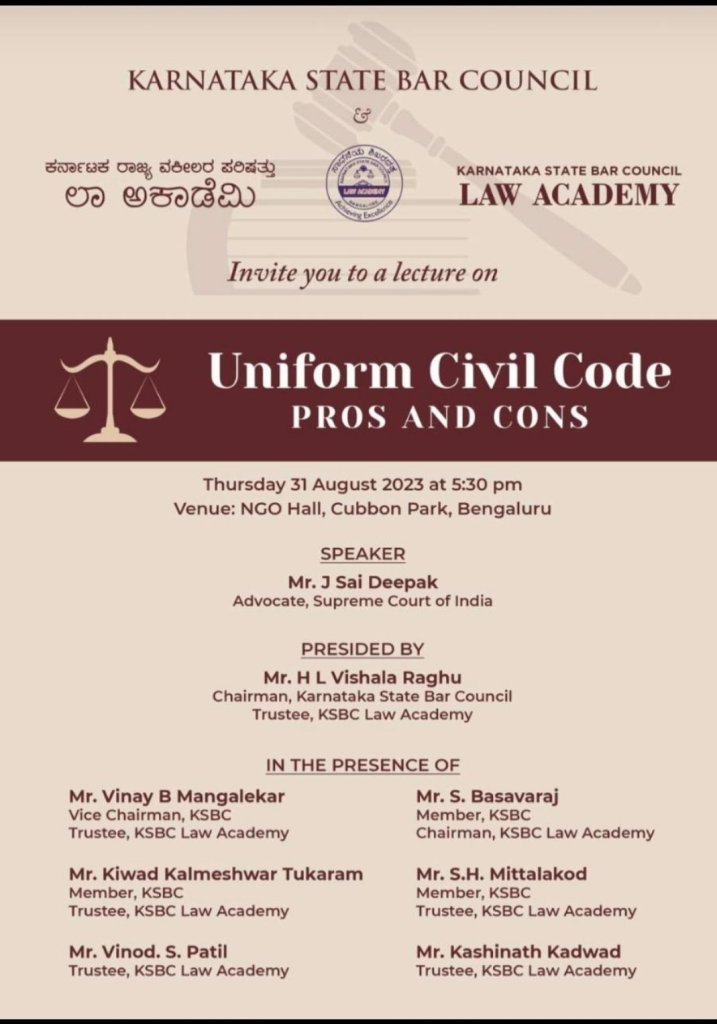
Above Pic of UCC Event @ Bengaluru2023
[27/11, 22:57] G.R.P )= G.R. PrasaHd =Grit+ ReaSon+ Peers) SatvyamJayam by Indigo-Indians.: UCC is one of Tools, a Mechanism, main theme or Intent & Vision is told in Video proof as in snapshot at 39seconds is “Secular-Constitution”.. Articles 25-28 & 44 are the supporting factors. Vision is Secularity in Preamble and SC judgement shares yesterday is another proof.
[27/11, 23:08] G.R.P )= G.R. PrasaHd =Grit+ ReaSon+ Peers) SatvyamJayam by Indigo-Indians.: Point 3 will update with A.44.. but the make of Tool is dependent on the lawmakers. biased parties will include bias in the tools. Hence UCC can go either way it can solve or create more problems depending on political-bias depending on Party-vision & wishes.
 GRP_VCare2Dare
2 thoughts on “S325: Rational UCC Vs Biased UCC: Citizen’s Call2Action for Better Uniform Civil Code.”