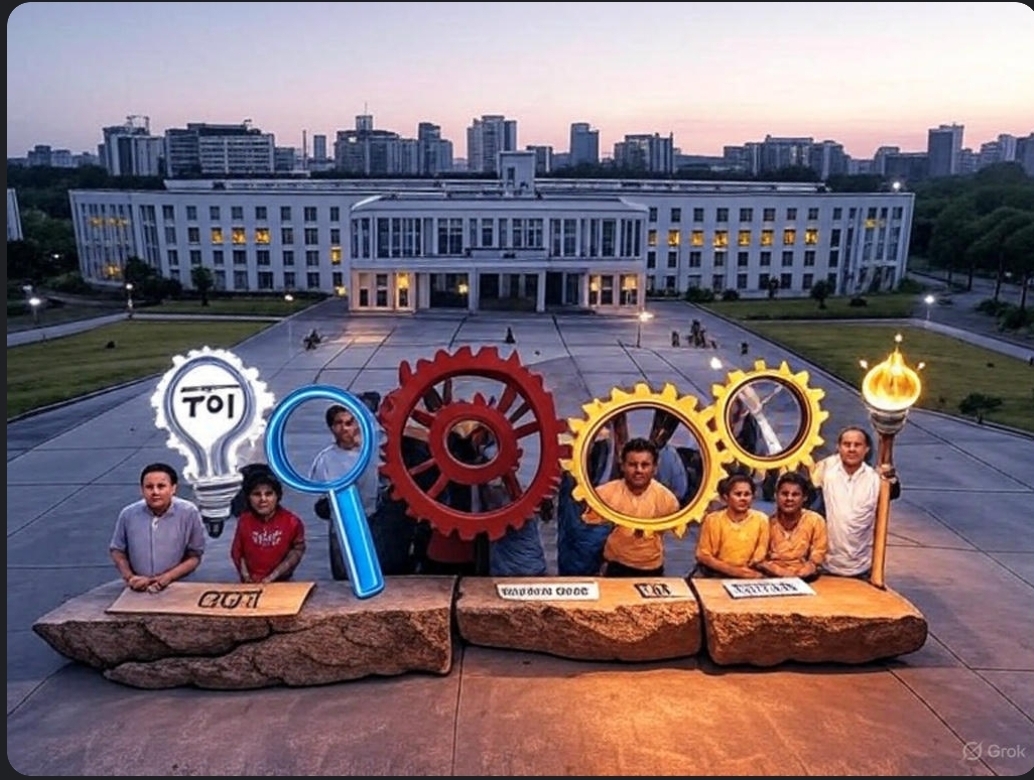
IISc’s Story retold in a framework for ease of application & Replication.
IISc (Indian Institute of Science_BLR) maybe seen as the Mother of many of Bengaluru’s Science-Tech & Social Initiatives.. This EduPreneurship of J.N.Tata.. The Greatest Philantrophist ever India got, was in a way due to the Philagering & Plundering of the Greatest Zoroasterian nation of Iran by persecution of Persia. because of which the Tatas a subset of Pharsees (Hebrew) or Parsis along with Sindhis (Indo) came to find home in India.
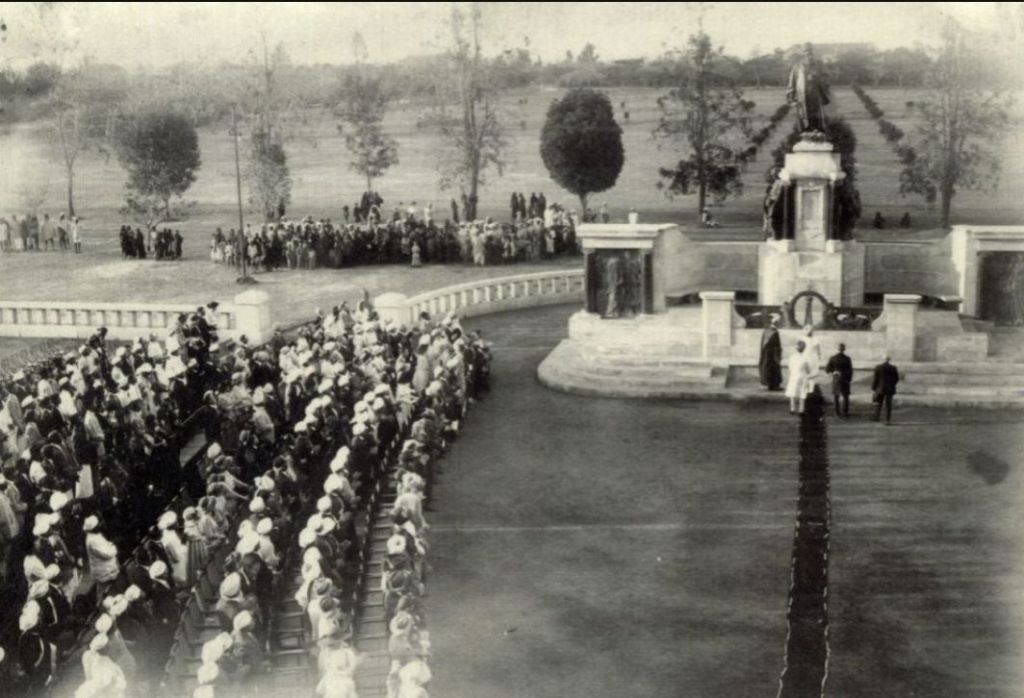
“IISCn Way” is a 5 Step Progression, From Ideas to IISc & More..
1. I (Interests-Introspection) (JN. Tata & Sw. Vivekananda on Ship) Empathizers
2. I (Inceptions-Iterations) JN. Tata, Mysore Royals Wodeyars/Administers or Diwan, Baroda Royals & sister Nivedita.. Definers
3. S (Survey-Selection) Tata, Tata Sons, Choksi, William Ramsay & Indian Govt. Ideators
4. C (Creation-Collaboration) (Morris Travers, CV Raman, & First IIScians) Prototypers
5. n (Nuturing & Next Generations) Directors, Deans, Faculty, Staff, Students, allies-mentors and Alumni of IISc, Collaborators, all next gen Stakeholders and Sciencers. Testers, Transformers & Transmitters.
Do You See the Path of IISCn’s this is the IISCn Way.. may match the IISCians Way.. Also Elements of Design Thinking of Empathy to Prototype Testing is seen..
—- Below this line is content Edited with help of Grok A.I—–
The story of the Indian Institute of Science (IISc), often regarded as the cornerstone of Bengaluru’s innovation ecosystem, can be distilled into a structured framework for replication, inspired by Jamsetji Nusserwanji Tata’s vision and philanthropy. This framework, derived from the acronym IISc (Interests-Introspection, Inceptions-Iterations, Survey-Selection, Creation-Collaboration, Nurturing-Next Generation), outlines the steps to replicate such an impactful institution. Below, I elaborate on each component, weaving in the historical context of IISc’s founding and its relevance for application.
Framework for Replication: IISc’s Story
1. I – Interests-Introspection
Core Idea: Identify a transformative societal need through deep reflection and align it with personal or collective passion.
IISc Context: Jamsetji Tata, a pioneering industrialist and philanthropist, introspected on India’s need for scientific advancement to drive industrial and economic progress. Influenced by Swami Vivekananda’s emphasis on education and self-reliance during their 1893 shipboard meeting, Tata envisioned a world-class scientific institution. His Zoroastrian heritage, shaped by resilience amid persecution in Persia, fueled his commitment to nation-building through education and innovation.
Application:
- Conduct personal or group introspection to pinpoint a pressing societal gap (e.g., education, technology, healthcare).
- Align this with a passion for long-term impact, inspired by role models or philosophical ideals.
- Example: A modern founder might reflect on AI’s potential to bridge educational disparities, inspired by global thought leaders.
2. I – Inceptions-Iterations
Core Idea: Translate vision into action through persistent planning, prototyping, and refining ideas despite setbacks.
IISc Context: Tata’s vision faced delays—land acquisition issues, funding challenges, and bureaucratic hurdles. He collaborated with the Mysore administration (notably the Dewan, K. Seshadri Iyer) and leveraged Sister Nivedita’s advocacy for scientific education. From 1898 to 1909, the idea iterated through proposals, negotiations, and securing royal assent from the British Viceroy.
Application:
- Draft an initial plan (e.g., a concept note for a research institute) and test it with stakeholders.
- Iterate based on feedback, addressing logistical, financial, or political barriers.
- Example: A startup incubator might pilot a small program, refine it based on participant feedback, and scale up.
3. S – Survey-Selection
Core Idea: Conduct rigorous research to select the right location, partners, and resources to ensure viability and impact.
IISc Context: Tata, advised by Burjorji Padshah and chemist Sir William Ramsay (Nobel laureate), surveyed potential sites. Bangalore was chosen for its climate, infrastructure, and the Mysore government’s support (land and funding). Key collaborators like Dorabji Tata and legal expert B.J. Choksi ensured the project’s feasibility.
Application:
- Research optimal locations (e.g., proximity to talent, infrastructure, or industry).
- Select credible partners—experts, funders, or local authorities—based on alignment and capability.
- Example: For a tech university, survey cities with vibrant ecosystems (e.g., Hyderabad) and partner with industry leaders.
4. C – Creation-Collaboration
Core Idea: Build the institution through interdisciplinary collaboration, integrating diverse expertise to realize the vision.
IISc Context: The institute was established in 1909 with Morris Travers as its first director, fostering a culture of scientific inquiry. Collaborations with scientists like C.V. Raman (who later won a Nobel Prize) and support from figures of Modern Scientists. The Mysore government, Tata’s endowment, and British oversight created a robust structure.
Application:
- Assemble a multidisciplinary founding team (e.g., educators, researchers, administrators).
- Foster partnerships with industry, government, and academia to secure resources and legitimacy.
- Example: A climate research center could collaborate with scientists, NGOs, and policymakers to drive innovation.
5. n – Nurturing-Next Generation
Core Idea: Sustain impact by mentoring talent, fostering a culture of excellence, and empowering future leaders.
IISc Context: IISc’s legacy lies in its directors, faculty (e.g., Satish Dhawan), students, and alumni who shaped India’s scientific landscape. Its rigorous academic culture, global alliances, and contributions to ISRO, DRDO, and startups nurtured generations of innovators. The institute’s alumni network and mentorship continue to drive Bengaluru’s startup ecosystem.
Application:
- Invest in talent development through scholarships, mentorship, and research opportunities.
- Build a self-sustaining ecosystem with alumni networks and industry ties.
- Example: A new institute could offer incubators and fellowships to nurture entrepreneurs, ensuring long-term impact.
Key Principles for Replication
- Visionary Leadership: Like Tata, a founder must combine ambition with humility, prioritizing societal good over personal gain.
- Resilience: Expect delays and iterate relentlessly, as Tata did over a decade.
- Collaboration: Engage diverse stakeholders—government, experts, and local communities—for legitimacy and resources.
- Long-Term Focus: Build for future generations, as IISc’s impact grew through its alumni and research.
- Contextual Adaptation: Tailor the model to local needs (e.g., Bangalore’s climate suited IISc; a coastal city might suit marine research).
Modern Example of Application
To replicate IISc’s model, consider founding a “National AI Research Institute” in 2025:
- Interests-Introspection: Reflect on AI’s potential to solve India’s healthcare challenges (I).
- Inceptions-Iterations: Pilot AI-driven diagnostics in rural clinics, refining based on outcomes (I).
- Survey-Selection: Choose Hyderabad for its tech ecosystem and partner with IITs and global AI experts (S).
- Creation-Collaboration: Build with AI researchers, hospitals, and government funding (C).
- Nurturing-Next Generation: Train 1,000 AI engineers annually, creating a startup incubator (n).
Why IISc Matters
IISc, born from Tata’s philanthropy (noted as the greatest by the 2021 EdelGive-Hurun list), transformed Bengaluru into India’s Silicon Valley.
Its framework—rooted in vision, persistence, and collaboration—offers a blueprint for creating institutions that endure and inspire. By applying this model, modern visionaries can build the next IISc, fostering innovation and societal progress.
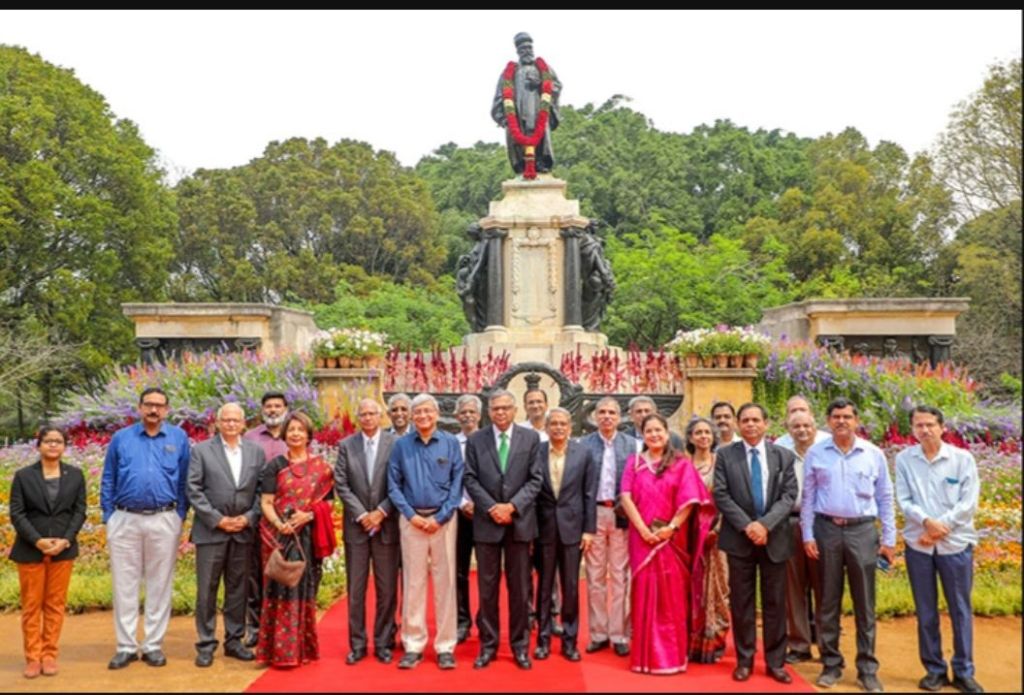
https://www.tata.com/newsroom/heritage/jamsetji-tata-perseverance-iisc
The Indian Institute of Science (IISc) is a premier public research institution in Bengaluru, India, often regarded as a cornerstone of the city’s innovation ecosystem. Below, I provide an overview of IISc, its historical significance, key milestones, and contributions, along with references for further exploration.
Overview of IISc
Founding and Vision
- Establishment: IISc was founded in 1909, but the vision dates back to 1898 when Jamsetji Nusserwanji Tata, a pioneering industrialist and philanthropist, conceived the idea of a world-class scientific institution to advance India’s industrial and economic growth.
- Key Collaborators: Tata collaborated with the Mysore government (notably Dewan K. Seshadri Iyer and Maharaja Krishnaraja Wadiyar IV), the British government, and scientific luminaries like Sir William Ramsay (Nobel laureate) for site selection and planning.
- Initial Funding: Tata pledged half of the initial capital (₹5 lakh annually from his estate), with additional support from the Mysore government (land and ₹50,000 annually) and the British government.
Location
- Site: Bengaluru was chosen due to its favorable climate, infrastructure, and the Mysore government’s willingness to provide 371 acres of land. The institute began operations in a temporary facility before moving to its permanent campus in 1911.
Evolution and Impact
- First Director: Morris Travers, a British chemist, served as the inaugural director (1909–1914), establishing a strong foundation for research.
- Notable Figures: C.V. Raman, who conducted his Nobel Prize-winning research on the Raman Effect at IISc in 1930, significantly elevated its global reputation.
- Growth: IISc expanded from two departments (General Chemistry and Electrical Technology) to over 40 departments today, covering science, engineering, design, and management.
- Contributions: IISc has been pivotal in India’s scientific advancements, contributing to organizations like ISRO, DRDO, and the Bengaluru startup ecosystem. It has produced numerous scientists, entrepreneurs, and leaders.
Modern Status
- Recognition: IISc is consistently ranked as India’s top university (e.g., NIRF 2024 rankings) and was declared an Institution of Eminence in 2018.
- Research Output: It hosts over 4,000 students, 500+ faculty, and produces cutting-edge research in fields like AI, nanotechnology, and climate science.
- Bengaluru Ecosystem: Often called the “Mother of All Bengaluru Startup Initiatives,” IISc has nurtured innovation through alumni, incubators, and collaborations with industry.
Key Milestones
- 1909: Official establishment with the vesting order signed by the British Viceroy.
- 1911: First batch of students (24) admitted; permanent campus operational.
- 1930: C.V. Raman wins the Nobel Prize for Physics while at IISc.
- 1958: IISc alumni and faculty contribute to India’s space program (e.g., Satish Dhawan, former director, led ISRO).
- 2018: Declared an Institution of Eminence, granting greater autonomy.
IISc in the Framework (Recap)
Using the framework from your earlier query:
- Interests-Introspection: Tata’s vision, inspired by Swami Vivekananda, focused on scientific education for India’s progress.
- Inceptions-Iterations: The idea evolved through negotiations with the Mysore government and British authorities (1898–1909).
- Survey-Selection: Bengaluru was selected after surveys by Tata, Ramsay, and others for its conducive environment.
- Creation-Collaboration: Travers, Raman, and Sister Nivedita’s advocacy helped build IISc’s foundation.
- Nurturing-Next Generation: IISc’s alumni, faculty, and research continue to shape India’s scientific and entrepreneurial landscape.
References
- Official IISc Website
- URL: https://iisc.ac.in
- Details: Provides the institute’s history, academic programs, research highlights, and current initiatives. The “About” section includes a timeline of IISc’s founding and milestones.
- IISc History Book
- Title: The Indian Institute of Science: The First Hundred Years by B.V. Subbarayappa
- Publisher: Indian Institute of Science, 2009
- Details: A comprehensive account of IISc’s founding, including Tata’s vision, the role of the Mysore government, and early scientific contributions. Available through IISc archives or libraries.
- EdelGive-Hurun Philanthropists Report (2021)
- URL: https://www.indiatimes.com/trending/social-relevance/jamsetji-tata-tops-edelgive-hurun-philanthropists-of-the-century-list-543480.html
- Details: Highlights Jamsetji Tata as the greatest philanthropist of the century, noting his contributions to IISc and other initiatives. (You provided this link earlier.)
- NIRF Rankings (2024)
- URL: https://www.nirfindia.org
- Details: Confirms IISc as India’s top university in 2024, showcasing its academic and research excellence.
- Article on IISc’s Role in Bengaluru’s Startup Ecosystem
- Source: The Economic Times
- URL: https://economictimes.indiatimes.com (search for “IISc Bengaluru startup ecosystem”)
- Details: Discusses IISc’s influence on Bengaluru’s tech and startup landscape, including alumni contributions and incubators like the Society for Innovation and Development (SID).
- C.V. Raman and IISc
- Source: Resonance – Journal of Science Education (published by Indian Academy of Sciences)
- URL: https://www.ias.ac.in
- Details: Articles on Raman’s time at IISc, his Nobel Prize-winning work, and his impact on Indian science.
Additional Notes
- Cultural Context: Tata’s Zoroastrian background and his family’s migration from Persia due to persecution shaped his philanthropy, as noted in historical accounts of the Parsi community in India.
- Sister Nivedita’s Role: As a disciple of Vivekananda, she advocated for scientific education, aligning with Tata’s vision, though her direct involvement with IISc is more symbolic than documented.
If you’d like to explore a specific aspect of IISc (e.g., its research programs, alumni impact, or historical archives), I can dig deeper!
 GRP_VCare2Dare